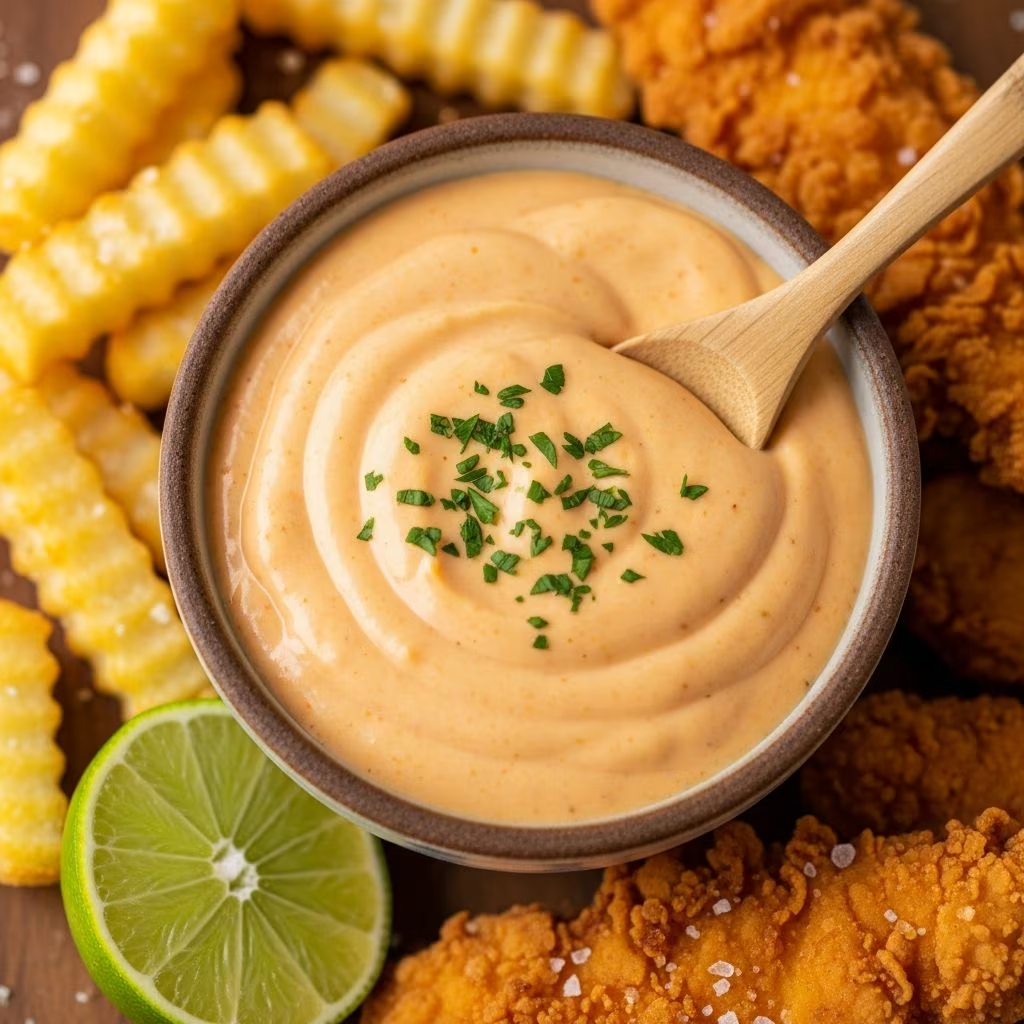
Zaxby’s, the beloved Southern fast-food chain, has built its reputation partly on the strength of its signature dipping sauce. Known affectionately as Zax Sauce, this creamy, tangy condiment has become synonymous with crispy chicken fingers, golden french fries, and hearty sandwiches. For fans of the restaurant who want to enjoy this distinctive flavor at home, recreating the sauce is surprisingly straightforward. With a handful of pantry staples and minimal preparation time, you can capture that authentic Zaxby’s taste in your own kitchen.
Understanding Zax Sauce: What Makes It Unique
Zax Sauce represents a carefully balanced combination of flavors that distinguishes it from standard condiments. The sauce achieves its signature character through the interplay of creamy bases, tangy elements, and bold spice notes. Unlike simple mayonnaise or standard ketchup-based dips, Zax Sauce layers multiple flavor components to create depth and complexity. The umami notes from Worcestershire sauce, the heat from black pepper, and the brightness of vinegar work together to produce a condiment that enhances rather than masks the food it accompanies.
Restaurant-quality dipping sauces like Zax Sauce typically rely on achieving the right balance between richness and acidity. This equilibrium allows the sauce to complement fried foods without overwhelming them. Understanding this balance is essential when attempting to recreate the sauce at home, as slight variations in ingredient ratios can significantly affect the final flavor profile.
Two Proven Approaches to Recreating Zax Sauce
Home cooks and food enthusiasts have developed multiple successful methods for replicating Zax Sauce, with two primary approaches gaining particular acclaim among copycat recipe creators. These methods differ in their base ingredients but produce equally authentic results, allowing you to choose the approach that best suits your pantry and taste preferences.
Method One: The Mayonnaise-Based Foundation
The first approach centers on mayonnaise as the primary base ingredient. This method emphasizes a creamy texture with subtle tangy undertones. Proponents of this technique argue that it closely mirrors the original sauce’s consistency and mouthfeel. The mayonnaise provides richness and acts as an excellent vehicle for the supporting flavors without adding competing tastes of its own.
Ingredients for the Mayonnaise Approach:
- One-half cup mayonnaise
- One-quarter cup ketchup
- One teaspoon freshly ground black pepper
- One-half teaspoon garlic powder
- One-quarter teaspoon Worcestershire sauce
- One-eighth teaspoon anchovy paste
This particular combination yields approximately eight servings and comes together in roughly five minutes. The anchovy paste might seem unusual to some cooks, but this ingredient provides authentic umami depth that distinguishes homemade Zax Sauce from lesser imitations. If you’re hesitant about anchovy paste, start with the smallest amount specified and adjust to taste, as this ingredient carries significant flavor impact.
Method Two: The Ranch-Based Alternative
The second popular approach utilizes ranch dressing as the foundational ingredient. This method appeals to cooks seeking a sauce with slightly more pronounced herbal and savory notes. Ranch-based versions tend to produce a sauce with a more complex flavor profile that some enthusiasts believe more accurately captures contemporary Zaxby’s formulations.
Ingredients for the Ranch Approach:
- One-half cup ranch dressing
- Six tablespoons ketchup
- One teaspoon granulated onion
- Two teaspoons black pepper
- One tablespoon white distilled vinegar
- One-quarter teaspoon cayenne pepper
- One-half teaspoon white pepper
This formulation emphasizes the peppery characteristics more heavily than the mayonnaise-based version. The combination of black pepper and white pepper creates layered heat that builds gradually rather than hitting immediately. The white vinegar adds brightness that cuts through the richness of the ranch base, while granulated onion contributes subtle sweetness and savory depth.
Step-by-Step Preparation Instructions
Regardless of which base ingredient you choose, the preparation process remains remarkably simple. The key to success lies not in complexity but in proper technique and timing.
Combining Your Ingredients
Begin by selecting a small mixing bowl—preferably stainless steel for durability and easy cleanup. Add your chosen base ingredient first, whether mayonnaise or ranch dressing. Pour in your ketchup next, followed by all dry ingredients and any liquid components. The order of addition matters less than ensuring thorough mixing, but adding wet ingredients first tends to prevent clumping of dry spices.
Achieving Proper Consistency
Using either a small whisk or a fork, blend all ingredients together vigorously. The goal is to achieve a smooth, homogeneous texture with no visible streaks of unmixed ingredients. Whisking rather than simply stirring ensures that all flavoring components distribute evenly throughout the sauce base. This step typically requires one to two minutes of continuous whisking.
The Crucial Resting Period
After mixing, transfer your sauce to a container with a tight-fitting lid and refrigerate for at least two hours before serving. This resting period allows flavor components to marry and develop. The flavors will seem somewhat separated and disconnected immediately after mixing, but the refrigeration time permits them to integrate and intensify. Many experienced cooks recommend allowing the sauce to rest overnight for optimal flavor development, though two hours represents the minimum acceptable timeframe.
Customization and Personalization Strategies
While the foundational recipes produce authentic results, home cooks often appreciate the opportunity to adjust flavors to personal preferences. Understanding which ingredients drive specific taste notes enables intelligent modifications.
Adjusting Heat Levels
Black pepper provides the primary heat component in most Zax Sauce recipes. For a milder version, reduce the black pepper by half and eliminate cayenne pepper entirely. Conversely, those seeking more pronounced spiciness can increase both peppers and add a pinch of red pepper flakes. Remember that heat intensifies during refrigeration, so exercise restraint when making adjustments.
Fine-Tuning Flavor Balance
If your sauce tastes too acidic, add an additional tablespoon of mayonnaise or ranch dressing. If it seems too creamy or bland, introduce more Worcestershire sauce or vinegar in quarter-teaspoon increments. Garlic intensity can be controlled through garlic powder adjustments, though adding too much results in an overpowering flavor that masks other components.
Creating Low-Carbohydrate Variations
Individuals following carbohydrate-restricted diets can adapt Zax Sauce by substituting sugar-free ketchup for regular ketchup. This simple swap reduces the carbohydrate content significantly while maintaining authentic flavor. All other ingredients remain unchanged, making this modification accessible to anyone without specialized cooking knowledge.
Storage and Shelf Life Considerations
Properly stored Zax Sauce maintains optimal quality for extended periods. Transfer the sauce to an airtight container or squeeze bottle and keep it refrigerated at temperatures below 40 degrees Fahrenheit. Under these conditions, the sauce remains safe and flavorful for approximately two weeks. For longer storage, freeze the sauce in ice cube trays, then transfer frozen cubes to freezer bags for storage up to three months. Thaw frozen sauce in the refrigerator overnight before use.
Complementary Foods and Serving Suggestions
While Zax Sauce achieves legendary status as a chicken finger dipping sauce, its versatility extends far beyond this single application. The sauce pairs excellently with french fries, both traditional and specialty varieties like waffle fries or curly fries. Golden onion rings benefit significantly from this condiment’s flavor profile. Beyond fried preparations, Zax Sauce serves admirably as a sandwich spread, a burger topping, or an accompaniment to grilled or air-fried chicken preparations.
The sauce also enhances seafood dishes, particularly fried fish, shrimp, and calamari. Some adventurous cooks use it as a dressing for composed salads featuring chicken or fish. The peppery notes complement blue cheese and sharp cheddar, making it an inspired addition to gourmet burgers or cheese-laden appetizers.
Ingredient Quality and Selection Tips
The quality of your finished sauce depends significantly on the quality of ingredients used. Select mayonnaise from reputable manufacturers known for superior products. Fresh garlic powder tastes noticeably better than aged versions; if your garlic powder has been open longer than six months, consider replacing it. High-quality ketchup brands like Heinz provide superior flavor compared to generic alternatives. When using Worcestershire sauce, verify that you’re using the traditional version rather than reduced-sodium varieties, which may alter the final flavor balance.
Frequently Asked Questions About Zax Sauce
Can I make Zax Sauce without anchovy paste?
Yes, the mayonnaise-based version can be prepared without anchovy paste. However, this ingredient contributes significant umami depth that distinguishes the sauce from basic condiments. If you omit it, consider adding an additional one-quarter teaspoon of Worcestershire sauce to compensate for the lost depth.
Which method produces a more authentic flavor?
Both approaches yield highly authentic results. The mayonnaise-based version tends to match older Zaxby’s formulations, while the ranch-based method produces a sauce more closely resembling current restaurant offerings. Try both to determine your personal preference.
How long does homemade Zax Sauce last?
Refrigerated sauce maintains peak quality for two weeks. Frozen sauce remains safe and flavorful for three months when properly stored in airtight containers.
Can I use bottled ranch dressing?
Yes, bottled ranch dressing works well in the second method. However, homemade ranch dressing often produces superior results due to fresher herbs and customizable ingredient ratios.
What if my sauce seems too thick?
Thin the sauce by whisking in additional vinegar or milk, one teaspoon at a time, until reaching desired consistency. Too-thick sauce becomes difficult to spread or drizzle, while proper consistency clings to food without sliding off.
References
- Food Safety and Refrigeration Guidelines — U.S. Department of Agriculture Food Safety and Inspection Service. 2024. https://www.fsis.usda.gov/food-safety/safe-food-handling-and-preparation/food-safety-basics/safe-temperature-internal-cooking
- Condiment Storage and Preservation — National Center for Home Food Preservation. 2023. https://nchfp.uga.edu/how/general/safe_storage.html
- Umami in Food Science and Flavor Development — International Journal of Gastronomy and Food Science. 2024. https://doi.org/10.1016/j.ijgfs.2023.100673
- Emulsion Science in Mayonnaise-Based Sauces — Institute of Food Technologists. 2023. https://www.ift.org/food-technology/
- Spice Chemistry and Flavor Perception — Spice Research and Information Center. 2024. https://www.spicerising.org/