When temperatures drop and daylight fades earlier, the desire for warm, comforting meals intensifies. However, busy schedules and cold weather fatigue often clash with the energy required for elaborate cooking. The solution lies in embracing a strategic approach to winter dinners that prioritizes simplicity without sacrificing satisfaction. By understanding how to rotate through dependable meal categories and utilizing time-saving cooking methods, you can create nourishing, delicious meals throughout the season without the stress.
Strategic Meal Planning for Winter Success
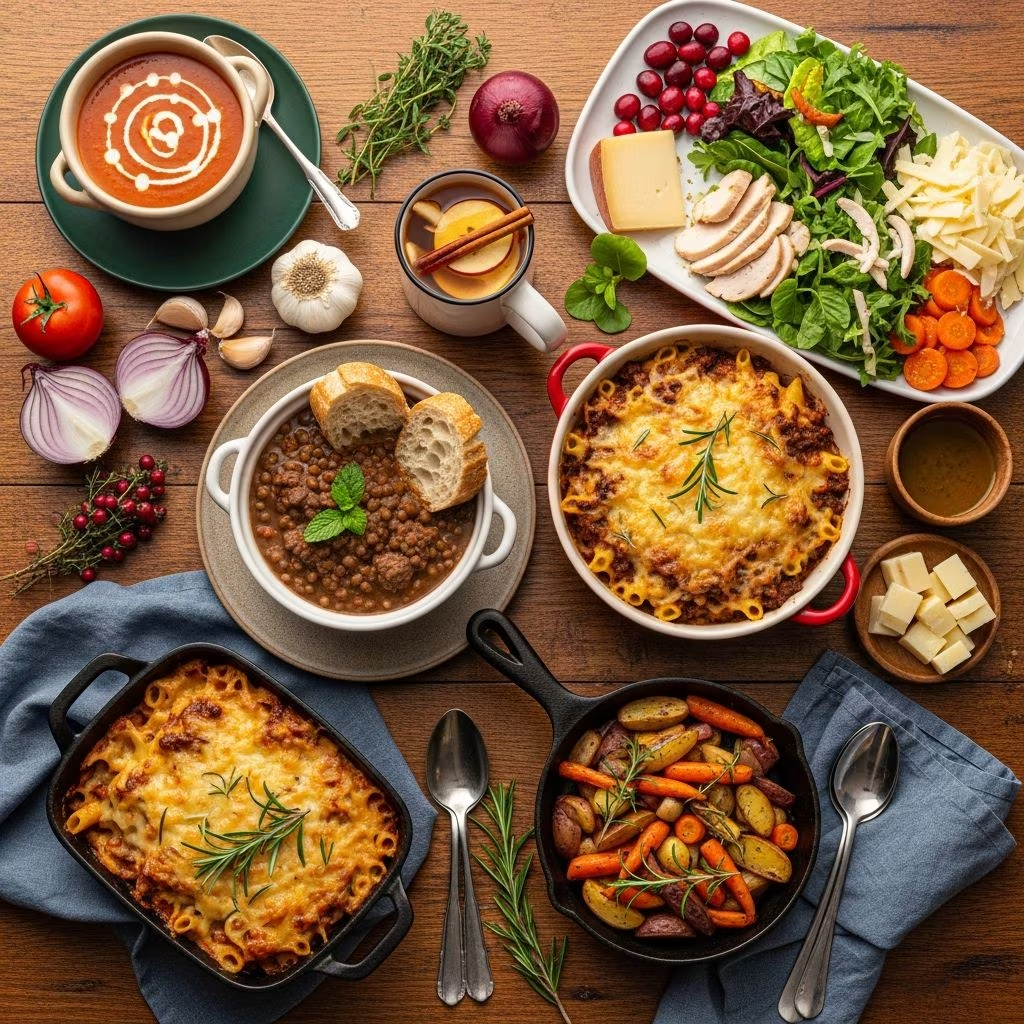
Rather than treating each evening as a blank canvas requiring creative inspiration, winter cooking becomes manageable through categorical thinking. Instead of asking “What should I cook tonight?” you can ask “Should tonight be a soup night, a one-pan dinner, or a slow-cooker meal?” This framework eliminates decision fatigue and allows you to build a reliable rotation of dinner types that you know will satisfy your family.
The beauty of this approach lies in its flexibility. You can assign different meal categories to different days of the week, creating a predictable rhythm that simplifies shopping and preparation. Monday might be soup night, Tuesday could feature sheet-pan dinners, Wednesday belongs to slow-cooker meals, and so forth. This structure provides enough consistency to reduce planning stress while maintaining enough variety to prevent menu monotony.
One-Pan Meals: Efficiency Meets Flavor
One-pan dinners represent the pinnacle of low-effort cooking. These meals involve minimal equipment, reduced cleanup, and the development of complex flavors through the interaction of ingredients as they cook together. The concentrated cooking surface allows vegetables to caramelize, proteins to brown properly, and sauces to reduce and intensify without constant monitoring.
Sheet-pan dinners work exceptionally well during winter months when roasting vegetables brings out their natural sweetness and creates satisfying textural contrast. The process involves arranging protein and vegetables on a single pan, drizzling with olive oil and seasonings, then allowing the oven to handle the cooking process. During the thirty to forty minutes the food cooks, you can attend to other tasks, prepare a salad, or simply rest.
Skillet-based meals offer another efficient option for winter cooking. A single large skillet can accommodate sautéed vegetables, browned meat or beans, and finishing sauce components. Building flavors in stages—first searing protein, then sautéing aromatics, finally combining everything with broth or sauce—creates restaurant-quality depth without requiring multiple pans or complex technique.
Slow-Cooker Solutions for Passive Cooking
The slow cooker represents winter cooking’s most forgiving tool. These devices excel at transforming modest ingredients into deeply flavorful meals through extended, gentle heat. The appeal extends beyond cooking quality; slow cookers function essentially independently, requiring only initial ingredient assembly and later serving. This passive cooking method proves invaluable on days when schedules are particularly demanding.
Successful slow-cooker cooking relies on understanding liquid ratios, layering ingredients appropriately, and respecting cooking times. Unlike stovetop cooking where you can adjust elements throughout preparation, slow-cooker meals benefit from upfront planning. However, this characteristic actually reduces stress by eliminating the need for mid-meal adjustments.
Popular slow-cooker options for winter include chili variations, braised meats, and vegetable-forward stews. These meals typically improve with time, meaning they taste even better the next day when flavors have continued developing. This quality makes slow-cooker meals ideal for batch cooking and creating leftover portions for busy days ahead.
Soup-Based Dinners: Liquid Comfort
Soups occupy a special place in winter dining. They provide hydration alongside nutrition, deliver warmth that extends beyond physical temperature, and adapt readily to available ingredients and dietary preferences. A well-constructed soup requires minimal active cooking time while delivering complex, satisfying flavors.
Broth-based soups begin with flavorful liquid—either store-bought stock or homemade broth—then incorporate vegetables, proteins, and seasonings. The beauty of this approach lies in its flexibility. You can add whatever vegetables need using from your refrigerator, adjust seasoning to taste, and complete the meal within thirty minutes.
Creamy soups offer another direction for winter cooking. Whether pureed vegetable-based or enriched with dairy, creamy soups provide comforting texture and satisfying mouthfeel. These soups transition beautifully from weeknight dinners to entertaining options when ladled into bread bowls or topped with herb-infused oils.
Legume-based soups, featuring beans or lentils, deliver substantial nutrition and protein without requiring meat. These soups actually benefit from advance preparation, making them ideal candidates for batch cooking at week’s beginning and portioning into freezer containers for convenient heating throughout busy weeks.
Pasta Dishes with Winter Twists
Pasta maintains its reputation as a comfort food staple, and winter versions elevate this category through seasonal vegetable incorporation and rich sauce development. Rather than defaulting to summer-style tomato sauces, winter pasta dishes embrace roasted vegetables, hearty greens, and cream-based preparations.
Roasted winter vegetables like Brussels sprouts, squash, and root vegetables develop caramelized exteriors and concentrated flavors when exposed to oven heat. Tossing these vegetables with cooked pasta, hardy greens like kale, and finishing touches such as nuts, cheese, and citrus creates balanced, satisfying meals.
Cream-based sauces offer richness appropriate for colder months. These sauces come together quickly using simple components like butter, garlic, cream, and cheese. The resulting silky texture clings to pasta while delivering comforting flavors that feel appropriate for winter dining.
Building Your Winter Dinner Strategy
Implementing these meal categories into your weekly routine requires minimal adjustment. Begin by selecting three to four meal types that appeal to your family’s preferences and your cooking comfort level. Stock your pantry with essential components for each category—quality oils, varied spices, canned tomatoes and beans, and versatile broths.
Consider your family’s preferences, dietary restrictions, and ingredient availability when selecting recipes. A meal that sounds appealing but features ingredients your family dislikes creates frustration rather than solutions. Conversely, familiar recipes with minor seasonal variations build confidence and reduce decision-making stress.
Batch cooking elements during slower periods strengthens your winter cooking strategy. Cooking grains, chopping vegetables, or preparing broth on weekend afternoons creates building blocks for quick meal assembly on busy weeknights. This advance work can mean the difference between ordering takeout and delivering a home-cooked meal in thirty minutes.
Essential Pantry Components for Winter Cooking
Maintaining a well-stocked winter pantry eliminates the need for emergency grocery runs and supports quick meal preparation. Essential items include:
- Canned tomatoes in various forms (whole, crushed, sauce)
- Dried and canned beans and legumes
- Quality olive oils and neutral cooking oils
- Vegetable and chicken broths
- Pasta in various shapes
- Onions, garlic, and hardy aromatics
- Dried herbs and spices suited to cold-weather cooking
- Grains like rice, quinoa, and polenta
- Nuts and seeds for textural variation
- Cheese for finishing dishes
Seasonal Produce Selection and Usage
Winter produce offers unique opportunities for flavor development and nutritional benefit. Root vegetables like carrots, parsnips, and beets become sweeter as temperatures drop, creating natural sweetness appropriate for roasting and braising. Cruciferous vegetables such as broccoli, cauliflower, and Brussels sprouts develop satisfying texture and nutrient density during cold months.
Leafy greens including kale, collards, and chard maintain quality through winter months and benefit from cooking methods like sautéing or braising rather than raw preparation. These hardy greens incorporate easily into soups, pasta dishes, and grain bowls, adding nutritional value and visual interest.
Citrus fruits reach peak quality during winter months, providing bright acidity that balances rich winter dishes. Lemon juice, lime juice, and fresh citrus zest provide finishing touches that elevate simple preparations and prevent winter meals from feeling heavy.
Frequently Asked Questions About Winter Dinner Strategy
How can I prevent winter meals from becoming repetitive?
While rotating among a few reliable meal categories provides structure, varying the specific dishes within each category maintains interest. A soup night might feature tomato-based preparations one week and legume-based soups the next. One-pan dinners can rotate between different proteins and vegetable combinations. This approach provides predictability while maintaining variety.
Can I prepare winter meals in advance?
Most winter meals improve when components are prepared ahead. Soups, stews, and slow-cooker preparations often taste better the next day after flavors meld and develop. Prepping vegetables, cooking grains, and even assembling slow-cooker ingredients in freezer bags during less busy periods creates efficiency during demanding weeks.
How do I adapt recipes for dietary preferences?
Winter meal categories accommodate diverse dietary needs readily. Vegetarian versions of soups, stews, and one-pan dinners substitute beans or additional vegetables for meat. Grain-free approaches replace pasta with spiralized vegetables or cauliflower rice. Gluten-free cooking modifies pasta choices and thickening methods. The categorical approach provides sufficient flexibility for most dietary requirements.
What equipment makes winter cooking easier?
While not essential, certain equipment streamlines winter cooking. A slow cooker or Dutch oven enables long-cook preparations requiring minimal attention. Sharp knives and quality cutting boards make vegetable preparation faster and safer. A food processor speeds chopping tasks. Heavy-bottomed pots and pans improve heat distribution during braising and stewing. Start with equipment you already own and add items only when they address specific pain points in your cooking process.
Transitioning to Winter Cooking Success
Adopting this strategic approach to winter cooking transforms cold-weather meal preparation from a source of stress to a manageable routine. Rather than approaching each evening with creative pressure, you work within established categories that guide decision-making and simplify shopping. This framework supports consistency while allowing sufficient flexibility for ingredient availability and family preferences.
The key to success lies in honest assessment of your family’s preferences, realistic evaluation of available cooking time, and gradual implementation of new routines. Attempting too many new recipes simultaneously creates overwhelm. Instead, master one or two recipes within each meal category, building confidence and efficiency before expanding your repertoire.
Winter cooking ultimately celebrates the combination of comfort, efficiency, and nourishment. By embracing meal categories, utilizing time-saving cooking methods, and maintaining thoughtful pantry organization, you create the conditions for satisfying, stress-free dinners throughout the season. These meals need not require elaborate techniques or extensive shopping lists to deliver the warmth and satisfaction that winter dining promises.
References
- A Month of Effortless Dinners for Cozy Winter Weeknights — Camille Styles. Accessed April 2026. https://camillestyles.com/food/winter-weeknight-dinners/
- 30 Easy Late-Winter Dinners — Half Baked Harvest. Accessed April 2026. https://www.halfbakedharvest.com/late-winter-dinners/
- 20 Cozy Winter Dinner Ideas – Recipes — Sally’s Baking Addiction. Accessed April 2026. https://sallysbakingaddiction.com/winter-dinner-recipes/
- 43 Winter Dinners You Didn’t Have to Think Of — The Dinner Plan. Accessed April 2026. https://thedinnerplan.substack.com/p/winter-dinner-ideas