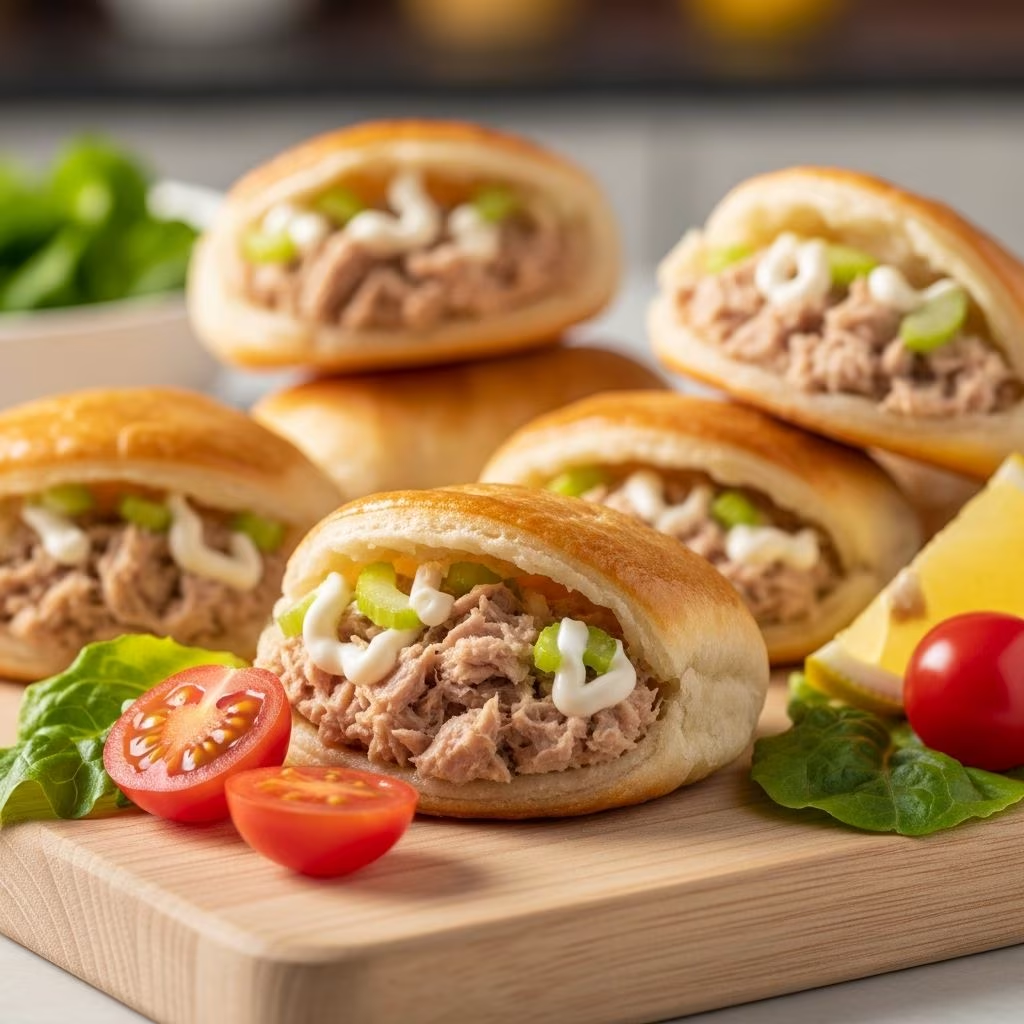
When time is limited and hunger strikes, few meal solutions offer the combination of simplicity, nutrition, and satisfaction that tuna-filled pita pockets provide. These versatile sandwiches represent a departure from traditional sandwich-making, offering a unique eating experience that feels more substantial than ordinary bread-based meals while remaining remarkably straightforward to prepare.
Understanding the Appeal of Pita-Based Sandwiches
Pita bread, with its characteristic pocket formed during baking, creates an ideal vessel for holding a variety of fillings without the mess associated with traditional sandwiches. The soft, slightly chewy texture of pita contrasts beautifully with crisp vegetables, making each bite engaging and interesting. Unlike conventional sandwich bread, pita’s design allows fillings to remain contained, preventing the frustrating situation where ingredients slip out during consumption.
The beauty of tuna-based fillings lies in their adaptability to personal preferences and dietary needs. Whether you follow a specific eating pattern or simply enjoy the protein-rich benefits of seafood, tuna offers a foundation that accommodates numerous variations and additions.
Essential Components for Your Tuna Pocket Creation
The Foundation: Selecting Quality Pita Bread
Pita bread serves as more than just a container—it’s an integral part of the overall eating experience. Whole wheat varieties offer enhanced nutritional value compared to white pita options, providing additional fiber and sustained energy throughout the day. For optimal results, choose pitas that feel soft and pliable rather than brittle or dried out.
Before assembling your sandwich, warming the pita makes opening and stuffing considerably easier. This step, often overlooked by novice cooks, prevents tearing and makes the bread more flexible. A brief microwave treatment of 20-30 seconds, optionally with the pita wrapped in a damp paper towel, accomplishes this effectively.
The Protein Component
Canned tuna represents an economical and convenient protein source that requires no additional cooking. White tuna varieties offer a milder flavor and lighter color, while albacore options provide a more robust taste profile. Proper drainage of the canning liquid before mixing ensures your filling maintains the desired consistency rather than becoming watery.
The quantity of tuna needed depends on your serving size and preference for protein density. Generally, one standard can of tuna suffices for two pita pockets, though personal taste preferences should guide your decisions.
The Binding Agent: Mayonnaise and Alternatives
Mayonnaise traditionally serves as the primary binding agent in tuna preparations, creating a creamy base that helps ingredients adhere while adding richness to each bite. However, many modern preparations incorporate Greek yogurt to reduce calories and increase protein content without sacrificing creaminess. A combination of both ingredients can balance flavor while improving nutritional profile.
For those seeking alternatives, hummus provides an interesting Mediterranean twist, while avocado offers healthy fats and a different textural experience entirely.
Vegetable Selections for Texture and Nutrition
Fresh vegetables contribute essential vitamins, minerals, and fiber while adding textural variety to your pocket sandwich. Consider incorporating the following options:
- Crisp lettuce leaves create a foundation that prevents sogginess and adds textural contrast
- Shredded cabbage provides crunch and pairs wonderfully with tuna-based mixtures
- Julienned carrots add sweetness and visual appeal
- Diced tomatoes contribute acidity that brightens the overall flavor profile
- Sliced cucumbers offer refreshing hydration and delicate flavor
- Diced red onions provide sharpness that cuts through richness
- Fresh herbs such as parsley or dill elevate complexity without adding calories
The key consideration involves selecting vegetables with complementary flavors and textures. Watery vegetables should be used sparingly or positioned strategically to prevent the pita from becoming soggy during storage or transport.
Advanced Flavor Variations and Additions
Mediterranean-Inspired Combinations
Incorporating elements traditionally found in Mediterranean cuisine transforms basic tuna pockets into restaurant-quality meals. Black olives halved lengthwise, chickpeas for additional protein and fiber, and a drizzle of balsamic vinegar create complex flavor profiles that distinguish your meal from ordinary tuna salad sandwiches.
Asian-Influenced Adaptations
Sesame oil, rice vinegar, shredded ginger, and wasabi introduce bright, bold flavors that completely reimagine the traditional preparation. Adding shredded cabbage, julienned carrots, and fresh cilantro completes an Asian-inspired variation that feels exciting and contemporary.
Spice-Forward Preparations
For those who enjoy heat and complexity, incorporating cayenne pepper, hot sauce, or sliced jalapeños adds dimension and excitement. Garlic powder and onion powder create savory undertones, while celery seed contributes subtle herbaceousness that sophisticated palates appreciate.
Step-by-Step Assembly Instructions
Preparation Phase
Begin by gathering and preparing all components before touching the pita itself. This mise en place approach prevents last-minute scrambling and ensures a smooth assembly process. Open and drain your canned tuna, removing any excess liquid that might compromise texture. If using fresh vegetables, wash and dice them according to your preference, keeping piece sizes consistent for even distribution.
Cut any leafy greens you plan to use into appropriate sizes, attempting to maintain larger, whole leaves when possible as these serve structural purposes. Prepare your binding agent by measuring the appropriate quantity into a small bowl.
Warming and Opening the Pita
Place your pita bread on a microwave-safe plate and cover with another plate or damp paper towel. Heat for 20-30 seconds until the bread becomes pliable and warm. Remove carefully and position on a cutting board. Using a sharp knife, cut the pita in half with a smooth, decisive motion rather than a sawing action, which might create tears.
Gently insert your fingers into the cut edge and carefully separate the two layers, creating an open pocket. Work slowly and methodically—rushing this step frequently results in tearing that compromises structural integrity.
Filling Technique
Begin by lining the interior bottom of each pocket half with a lettuce leaf, creating a barrier that prevents moisture from making the bread soggy. Apply your binding agent in a thin, even layer across the lettuce, which helps all subsequent ingredients adhere to each other.
Add remaining components in whatever order appeals to you—the sequence ultimately matters less than achieving even distribution of all ingredients. Aim to create layers where each component appears in every bite rather than having some bites contain an abundance of one ingredient and deficiency of others.
A Helpful Assembly Tip
Placing each pita half vertically in a small bowl as you fill it prevents the pocket from toppling over and collapsing. This simple technique proves invaluable, particularly for those new to the process, as it keeps the opening accessible while your hands remain free to add ingredients.
Nutritional Considerations and Health Benefits
Tuna provides excellent protein content essential for muscle maintenance and satiety, making these sandwiches particularly satisfying. The combination of vegetables contributes fiber, vitamins, and minerals while maintaining relatively modest calorie counts compared to traditional sandwiches.
Whole wheat pita selections offer additional nutritional advantages over white varieties, providing sustained energy release and enhanced micronutrient density. Incorporating Greek yogurt instead of mayonnaise increases protein while reducing fat content, appealing to those monitoring their dietary intake.
Storage and Portability Tips
These sandwiches travel remarkably well, making them ideal for work lunches, picnics, or travel situations. To maintain optimal freshness and texture, assemble them shortly before consumption rather than several hours in advance. If advance preparation is necessary, store components separately and assemble immediately before eating.
For packed lunches, wrap the assembled sandwich in foil or parchment paper to contain any potential leakage while allowing easy unwrapping at mealtime. Consider packing particularly watery ingredients separately and adding them immediately before eating if the sandwich will remain assembled for extended periods.
Frequently Asked Questions
How can I prevent my pita pocket from tearing during assembly?
Warming the pita before cutting and opening significantly reduces tearing. Handle the bread gently, using slow, methodical movements rather than forcing it open. If your pita does tear slightly, it remains perfectly usable—simply fill it carefully and eat it first before it loses structural integrity.
What’s the best way to drain canned tuna?
Place a fine-mesh strainer over a bowl and open the can directly into it, allowing liquid to drain completely. Press gently on the tuna with the back of a spoon to extract excess moisture without over-compressing the fish.
Can I make these sandwiches ahead of time?
Preparing components in advance works beautifully; however, assemble the complete sandwich no more than 1-2 hours before serving to prevent sogginess. Store unassembled components in separate containers in your refrigerator.
Are there protein alternatives to tuna?
Absolutely. Canned salmon, shredded chicken, chickpeas, or even tofu can replace tuna while maintaining the basic concept and assembly method.
What beverages pair well with tuna pita pockets?
Light, refreshing options complement these sandwiches nicely. Consider sparkling lemon water, iced tea, or light white wine for more formal occasions.
Creative Serving Suggestions
Transform these simple sandwiches into complete meals by pairing them with complementary sides. Fresh fruit selections like grapes, berries, or melon provide natural sweetness and additional vitamins. Vegetable crudités with hummus create satisfying crunch while adding nutritional density. A light soup course makes the meal feel more substantial and restaurant-quality.
For entertaining, arrange multiple pita pockets on a platter garnished with fresh herbs and lemon wedges, creating an appealing presentation that belies the simplicity of preparation. This approach works particularly well for casual gatherings, potlucks, or picnics.
References
- House of G&K Recipes — House of G&K Recipes. Retrieved April 2026. https://houseofgandkrecipes.ca/tuna-and-veggies-stuffed-pita-pockets/
- Tuna Salad Pita Pockets — Culinary Ginger. Retrieved April 2026. https://culinaryginger.com/tuna-pita-pockets/
- Tuna Pita Pockets (Toasted) — Clean Eating with Kids. Retrieved April 2026. https://www.cleaneatingwithkids.com/tuna-salad-in-wholemeal-pita-pockets/
- Tuna Pita Pockets – Good Cheap Eats — Good Cheap Eats. Retrieved April 2026. https://goodcheapeats.com/tuna-pita-sandwiches-cucumber/
- Tuna and Chickpea Salad Pita Pocket — Mission Foods. Retrieved April 2026. https://www.missionfoods.com/recipes/tuna-and-chickpea-salad-pita-pocket/