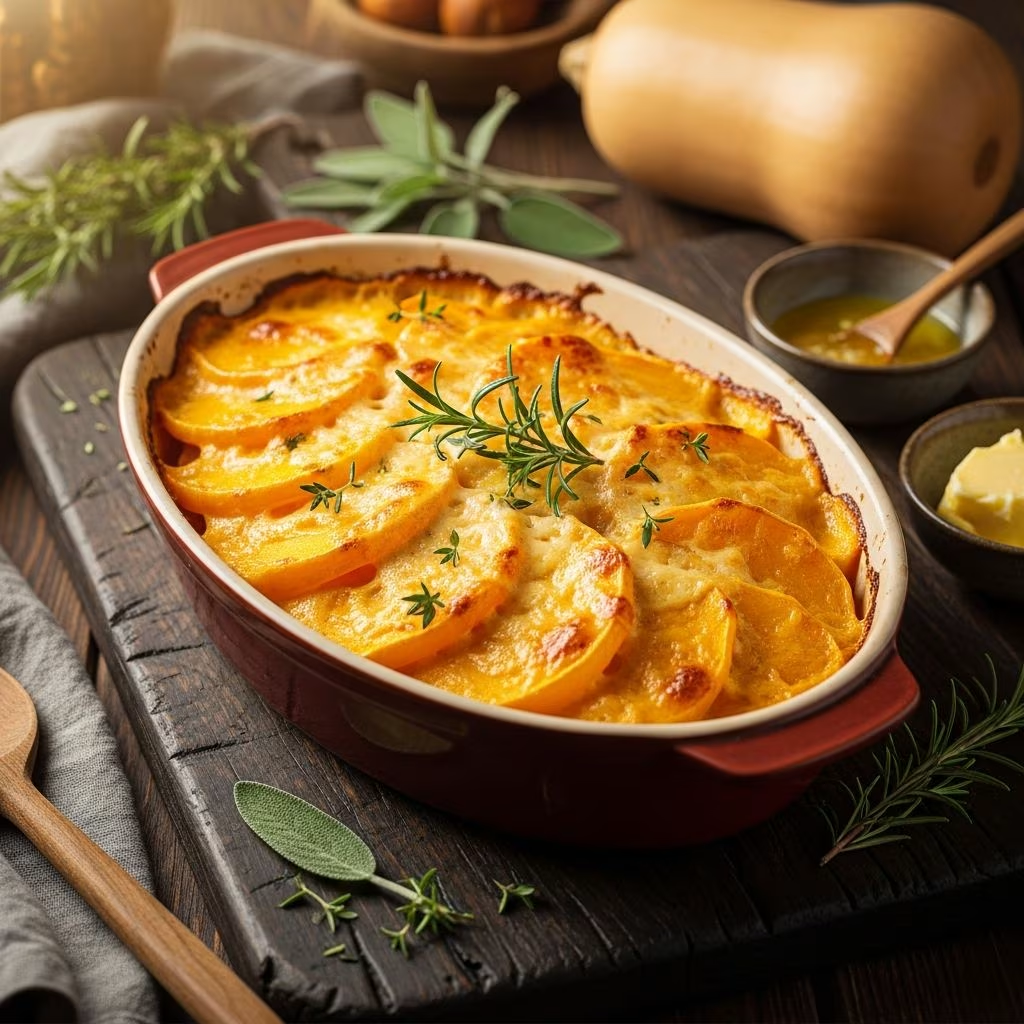
Few comfort food dishes deliver the combination of simplicity and satisfaction quite like a well-executed squash casserole. This beloved side dish transforms humble summer vegetables into a luxurious, creamy centerpiece that appeals to both seasoned home cooks and those just beginning their culinary journey. The beauty of this recipe lies not only in its straightforward preparation but also in its remarkable versatility, allowing countless variations while maintaining its essential character as a warm, filling, and deeply satisfying meal component.
Understanding the Foundation: Essential Ingredients Explained
Creating an exceptional squash casserole begins with understanding each ingredient’s role in the final dish. The primary vegetable, yellow summer squash, provides the foundation with its mild flavor and tender texture when cooked properly. These golden vegetables offer a subtle sweetness that forms the perfect backdrop for richer components. When selecting squash, choose medium-sized specimens with unblemished skin, as these tend to have better flavor and fewer large seeds that can create watery pockets in your casserole.
The binding agent in most traditional recipes consists of eggs, which serve multiple purposes beyond simply holding ingredients together. Eggs add richness, create a custard-like texture, and ensure the casserole achieves the proper consistency—neither too loose nor overly dense. Typically, recipes call for two to three large eggs, whisked together before incorporating other elements.
Dairy components elevate this dish from simple to spectacular. Cheddar cheese, either sharp or mild depending on preference, provides pronounced flavor and helps create that irresistible creamy texture. Some variations incorporate sour cream or mayonnaise alongside traditional cheese, adding complexity and moisture. These cultured dairy products also contribute slight tanginess that balances the natural sweetness of the squash.
The crispy topping represents the finishing touch that distinguishes a memorable casserole from an ordinary one. Buttered crackers, whether saltines, Ritz, or herb varieties, provide textural contrast and a golden crust that many consider the best part of the dish. The butter coating ensures even browning and adds savory depth.
Building Layers of Flavor Through Proper Technique
The cooking method significantly impacts the final result, particularly in how flavors develop and vegetables release their liquid content. The initial step involves sautéing aromatics—typically onions and sometimes garlic—in butter or oil over moderate heat. This foundational technique, known as building a flavor base, releases volatile compounds that create complexity far beyond what raw ingredients could provide.
Once aromatics become translucent and fragrant, sliced squash joins the pan. Cooking the squash in stages rather than combining all ingredients at once allows for gradual moisture release and better flavor development. The vegetables should cook until genuinely tender, usually requiring eight to ten minutes of frequent stirring. This extended cooking time serves multiple purposes: it softens the squash, reduces moisture content, and allows flavors to meld.
The moisture management phase deserves particular attention. Squash naturally contains significant water content, which releases during cooking. Without proper draining, the casserole becomes watery rather than creamy. After removing vegetables from heat, transferring them to a colander and allowing them to drain naturally works well. For particularly wet batches, gently pressing the cooked vegetables with a spatula or pressing them briefly with paper towels helps eliminate excess moisture without damaging the delicate squash pieces.
Combining the cooked vegetables with the egg and dairy mixture requires a gentle hand. Rather than aggressive stirring that might break apart the tender squash, folding movements ensure even coating while preserving the vegetable pieces’ integrity. Every piece should glisten with the creamy mixture, creating both flavor and textural consistency throughout.
Seasoning Strategies for Maximum Impact
Salt and pepper represent just the beginning of seasoning possibilities for this adaptable dish. While basic seasoning works adequately, understanding how to layer flavors creates dishes that guests praise enthusiastically. Ground cayenne pepper adds subtle heat that enhances rather than overwhelms other flavors. Fresh or dried herbs—thyme, parsley, basil, or oregano—contribute aromatic notes that complement both the vegetables and cheese.
Building seasoning throughout the cooking process, rather than adding everything at the end, creates more integrated and complex flavor profiles. A pinch of salt in the pan with the sautéing squash encourages moisture release while seasoning the vegetables from within. Additional seasoning adjustments after combining all ingredients ensure nothing overpowers the finished dish.
Garlic powder, Italian seasoning blends, or fresh minced garlic appeal to those seeking bolder flavors. These additions should remain balanced; they should enhance rather than dominate the delicate squash. Tasting and adjusting seasoning before adding the topping and baking ensures the final dish meets expectations.
Ingredient Variations and Creative Adaptations
| Component | Traditional Option | Alternative Variation | Flavor Impact |
|---|---|---|---|
| Primary Vegetable | Yellow summer squash | Zucchini or mixed squash varieties | Slightly different texture; zucchini adds earthiness |
| Cheese | Cheddar | Gruyère, fontina, or mixed cheese blend | More sophisticated, complex cheese flavors |
| Binder | Sour cream | Greek yogurt or cream cheese | Tangier or richer mouthfeel depending on choice |
| Cracker Topping | Buttered saltines | Panko breadcrumbs, crushed tortilla chips, or herb crackers | Varying crunchiness and flavor profiles |
| Aromatics | Onion only | Garlic, shallots, or leeks | More intense or refined aromatic notes |
The flexibility inherent in this dish makes it perfect for accommodating dietary preferences or utilizing what’s available in your pantry. Those with dairy sensitivities might substitute Greek yogurt for sour cream, achieving creaminess with less fat. Gruyère cheese brings sophistication to casual family dinners, while sharp cheddar delivers the classic strong cheese flavor many expect.
Vegetable additions expand possibilities beyond the basic squash foundation. Grated carrots contribute natural sweetness and vibrant color. Finely chopped bell peppers add textural interest and subtle flavor. Even diced mushrooms work beautifully, adding umami depth. These additions should constitute no more than about twenty to thirty percent of the total vegetable volume to maintain the dish’s essential character.
Step-by-Step Preparation Guide
Preparation Phase
- Preheat oven to 350°F approximately twenty minutes before baking to ensure proper temperature throughout cooking
- Select a 9-by-13-inch casserole dish or equivalent volume container; prepare with cooking spray or light butter coating
- Slice yellow squash into approximately ¼-inch thick rounds for even cooking
- Dice onion into small, uniform pieces ensuring quick softening and consistent flavor distribution
- Gather all ingredients and equipment to avoid last-minute scrambling
Vegetable Cooking Phase
- Heat 2 tablespoons butter in a large skillet over medium-low to medium heat
- Once butter foams and smells fragrant, add diced onions; cook approximately one minute until edges become translucent
- Add sliced squash, sprinkle with ½ teaspoon kosher salt to encourage moisture release
- Cook, stirring frequently, for eight to ten minutes until squash becomes completely tender and releases visible liquid
- Transfer vegetables to a colander; allow draining for several minutes; press gently to remove excess moisture
Assembly Phase
- In a large mixing bowl, lightly whisk two large eggs until yolks and whites combine
- Add 1 cup grated sharp cheddar cheese and 1 cup whole milk; whisk until completely combined
- Gently fold cooked squash and onions into cheese mixture using a rubber spatula
- Melt remaining 2 tablespoons butter; add to mixture; stir gently to combine
- Season with ¼ teaspoon cayenne pepper, ½ teaspoon kosher salt, and freshly ground black pepper; taste and adjust
- Pour mixture into prepared casserole dish, spreading evenly
Topping and Baking Phase
- Crush approximately one sleeve of Ritz crackers or saltines into irregular pieces ranging from small crumbs to quarter-inch fragments
- Distribute cracker pieces evenly over casserole surface, creating even coverage
- Place in preheated 350°F oven; bake for approximately forty-five minutes
- Casserole is finished when top achieves light golden-brown color and center no longer jiggles noticeably when dish is gently shaken
- Allow to rest for three minutes before serving, which helps the custard-like center set completely
Troubleshooting Common Issues
Even experienced cooks occasionally encounter challenges when preparing this dish. Understanding common problems and their solutions ensures successful results. If your casserole turns out watery or soupy, the primary culprit is usually insufficient vegetable draining. Future batches benefit from more aggressive pressing of cooked squash and even a brief patting with paper towels before combining with the egg mixture.
Overly thick or dense casserole often results from either too little liquid in the binding mixture or overcooking. Ensuring proper milk-to-egg ratios and avoiding extended baking times beyond the point of setting prevents this issue. The finished casserole should jiggle slightly in the center when moved, indicating proper custard-like consistency rather than rubbery density.
A casserole that separates during or after cooking typically indicates the eggs overcooked, causing the custard to break. Lower oven temperatures and more careful monitoring prevent this. If separation does occur, the dish remains perfectly safe and adequate for eating, though the texture becomes less pleasant.
Toppings that fail to brown properly usually need higher oven temperatures during the final stage or longer baking time. Some cooks cover casseroles loosely with foil during the first thirty minutes to prevent top browning before the center sets, then remove foil for the final fifteen minutes to allow proper crust formation.
Storage, Reheating, and Make-Ahead Strategies
This casserole’s versatility extends to advance preparation and storage. The dish can be assembled up to twenty-four hours ahead, covered tightly, and refrigerated until baking time. Add approximately five to ten minutes to the baking time if baking directly from the refrigerator without preheating.
Leftover casserole stores beautifully for three to four days in an airtight container in the refrigerator. Reheating at 325°F for approximately fifteen to twenty minutes preserves texture and flavor better than microwave reheating, though microwaving individual portions for two to three minutes works adequately for quick meals.
Freezing is possible, though the custard texture changes slightly after thawing. Cool completely before freezing; wrap tightly in plastic wrap then aluminum foil; and freeze for up to two months. Thaw overnight in the refrigerator before reheating gently at 325°F.
Serving Suggestions and Flavor Pairings
This creamy, comforting vegetable casserole serves beautifully as a side dish alongside grilled meats, roasted poultry, or seafood preparations. The mild, buttery flavors complement bold proteins without competing for attention. For vegetarian meals, pair with crusty bread, fresh salads, and additional vegetable sides for a complete, satisfying dinner.
The casserole’s creamy texture contrasts wonderfully with crisp salad greens, vinaigrette-dressed vegetables, or tangy pickled accompaniments. Consider serving alongside simple green salads, coleslaw, or steamed fresh vegetables to balance the richness.
Frequently Asked Questions
- Can I use frozen squash?
- Frozen squash works, though fresh provides superior texture. If using frozen, thaw completely and drain thoroughly to remove excess moisture before proceeding with the recipe.
- What if I don’t have Ritz crackers?
- Saltine crackers, herb crackers, crushed panko breadcrumbs, or even crushed tortilla chips create delicious alternatives. Any buttered topping works beautifully.
- Can I reduce the cheese amount?
- Yes, though the casserole loses richness. Aim for at least ¾ cup total cheese to maintain proper binding and flavor.
- How do I prevent a watery casserole?
- Thoroughly drain cooked squash, press gently to remove excess moisture, and avoid adding extra milk beyond recipe amounts. Also ensure adequate cooking time for squash before draining.
- Is this dish vegetarian?
- Yes, as written. All ingredients are plant-based or animal products acceptable to vegetarians. For vegan versions, substitute egg replacer, dairy-free cheese, and non-dairy milk.
Nutritional Considerations
This casserole provides various essential nutrients from its vegetable base. Yellow squash contributes vitamins A and C along with fiber. Eggs provide high-quality protein and choline, important for cognitive function. Cheese supplies calcium and additional protein, though in higher fat content than other components. The creamy binding mixture adds calories primarily from fat and dairy products.
For those watching calorie intake, using reduced-fat cheese and sour cream reduces overall calories without dramatically compromising flavor or texture. Greek yogurt substituted for some or all of the sour cream increases protein content while reducing fat.
Final Thoughts on This Timeless Comfort Dish
Mastering squash casserole opens doors to countless variations while appreciating the beauty of honest, simple cooking. The dish’s enduring popularity stems not from complexity but from the perfect balance of creamy, cheesy richness, tender vegetables, and satisfying texture. Whether preparing this for casual family dinners, potluck contributions, or holiday gatherings, following these guidelines and understanding the techniques behind each step ensures consistently excellent results that will have guests requesting the recipe.
References
- Squash Casserole Recipe — Add a Pinch by Robyn Stone. Accessed April 2026. https://addapinch.com/squash-casserole-recipe/
- Yellow Squash Casserole — African Bites. Accessed April 2026. https://www.africanbites.com/squash-casserole/
- Cheesy Squash Casserole with Cracker Topping Recipe — Paula Deen Official Website. Accessed April 2026. https://www.pauladeen.com/recipe/cheesy-squash-casserole/
- Easy Squash Casserole — Not Entirely Average. Accessed April 2026. https://notentirelyaverage.com/easy-squash-casserole/