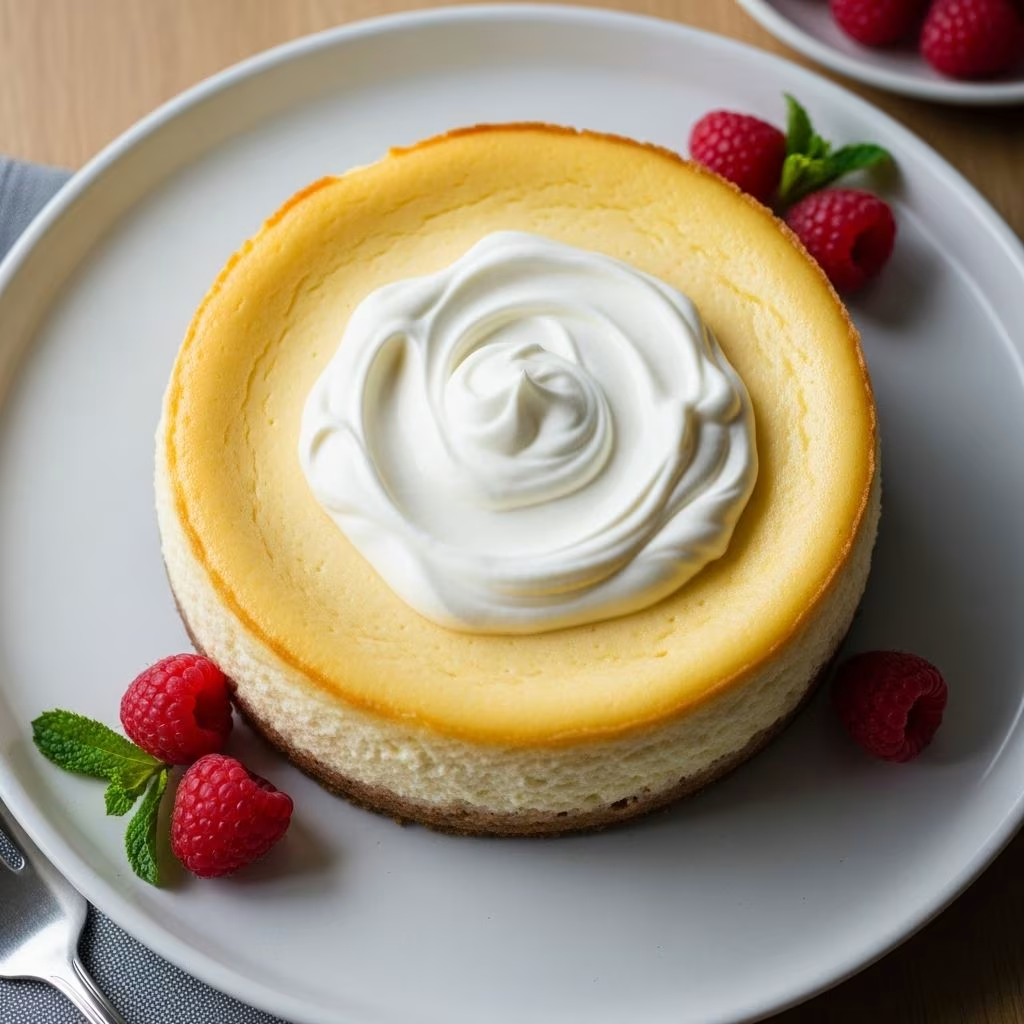
Indulge in the luxurious texture of a sour cream cheesecake, where the tangy richness of sour cream blends seamlessly with cream cheese for an unforgettable dessert. This recipe delivers a dessert that’s dense yet light, with a buttery graham cracker base that contrasts perfectly with the silky topping. Ideal for gatherings or personal treats, it requires basic ingredients and straightforward methods to achieve professional results every time.
Why Choose Sour Cream in Cheesecake
Sour cream elevates cheesecakes by adding a subtle tanginess that cuts through the sweetness, resulting in a more balanced flavor profile. It also contributes to a smoother, creamier consistency without the need for extensive beating, which helps prevent cracks. Recipes incorporating sour cream often bake more evenly, yielding a tender center that firms up beautifully upon cooling.
Unlike traditional all-cream-cheese versions, sour cream versions maintain moisture during baking, reducing the risk of dryness. The acidity in sour cream tenderizes the mixture, making it less prone to overbaking. Home bakers appreciate how it masks minor imperfections, ensuring a crowd-pleasing outcome even for beginners.
Essential Ingredients for Success
Gathering high-quality ingredients is the foundation of a standout sour cream cheesecake. Focus on full-fat versions for optimal creaminess and structure.
- Cream cheese: 24-32 ounces, softened to room temperature for lump-free blending. Philadelphia brand is frequently recommended for its reliable texture.
- Sour cream: 1-2 cups, full-fat and at room temperature to integrate smoothly and enhance tang.
- Graham cracker crumbs: 1.5 cups for the crust, providing a crunchy, mildly sweet base.
- Butter: 1/4 to 6 tablespoons, melted, to bind the crust.
- Sugar: 1-1.5 cups granulated, divided between filling and any topping for balanced sweetness.
- Eggs: 2-4 large, room temperature, added one at a time to avoid curdling.
- Vanilla extract: 1-1.5 teaspoons for depth of flavor.
- Optional add-ins: Lemon zest or juice for brightness, salt for enhancement.
Room temperature ingredients are crucial; cold components lead to uneven mixing and potential cracks. Measure precisely to maintain the delicate balance.
Step-by-Step Preparation Guide
Follow these detailed instructions to build your cheesecake from crust to chill.
1. Prepare the Crust
Preheat your oven to 350°F (175°C). Combine 1.5 cups graham cracker crumbs, 1/4 cup melted butter, and 3 tablespoons sugar in a bowl until it resembles wet sand. Press firmly into the bottom of a 9-inch springform pan, using the base of a glass for evenness. Bake for 8-10 minutes until lightly golden, then cool completely. This step sets the crust and prevents sogginess.
2. Mix the Filling
Lower oven to 325°F (160°C). In a large bowl or food processor, beat 24 ounces softened cream cheese with 1 cup sugar and a pinch of salt until smooth, about 1-2 minutes. Add 3-4 eggs one by one, mixing on low after each to incorporate without incorporating excess air. Stir in 1.5 cups sour cream and 1 teaspoon vanilla until velvety. Scrape sides frequently for uniformity.
3. Bake with Precision
Pour filling over cooled crust. For best results, place the springform pan in a larger pan with hot water halfway up the sides (water bath method) to ensure even cooking and prevent cracks. Bake 50-70 minutes until edges are set but the center 2-3 inches jiggle slightly. Turn off oven, crack the door, and let cool inside for 1 hour.
4. Add Optional Topping
Mix 1 cup sour cream, 3 tablespoons sugar, and 1/2 teaspoon vanilla. Spread over the warm cheesecake and bake 10-12 minutes more at 325°F. This creates a glossy, tangy crown. Cool to room temperature, then refrigerate 4-8 hours or overnight.
Pro Baking Techniques and Troubleshooting
Achieve perfection with these expert tips drawn from reliable recipes.
| Common Issue | Cause | Solution |
|---|---|---|
| Cracks on surface | Overbaking or rapid cooling | Use water bath, cool gradually in oven |
| Soggy crust | Underbaked base or moisture | Bake crust separately, chill before filling |
| Lumpy filling | Cold ingredients | Soften fully, mix thoroughly |
| Grainy texture | Overbeating eggs | Mix on low, add eggs slowly |
Wrap pan exterior in foil for water baths to avoid leaks. Avoid peeking during baking to maintain steady heat. If cracks form, cover with fruit topping—they taste just as good!
Flavor Variations to Delight
Customize your sour cream cheesecake for any occasion.
- Chocolate: Add 1/2 cup cocoa powder to filling or swirl in melted chocolate.
- Fruit-infused: Mix in lemon zest or swirl berry puree before baking; top with fresh fruits post-chill.
- Nutty crust: Incorporate 1/2 cup finely chopped pecans or almonds into graham crumbs.
- Swirl topping: Marble fruit jam into the sour cream layer for visual appeal.
- Low-carb: Use almond flour crust and sugar substitute, adjusting bake time slightly.
Experiment sparingly to preserve the classic tangy profile.
Storage and Serving Suggestions
Store cheesecake covered in the fridge for up to 5 days. Freeze slices wrapped tightly for 2 months; thaw overnight in fridge. Serve at room temperature for peak creaminess.
Pair with whipped cream, fresh berries, caramel sauce, or chocolate ganache. For crowds, cut into 12-16 portions. A dollop of extra sour cream enhances the tang.
Nutrition Insights
Per slice (1/12th, approx. 9-inch cake): 450-550 calories, primarily from fats in cream cheese and sour cream. High in protein from eggs and cheese. Use light sour cream to reduce calories by 20-30% without sacrificing much flavor. Full-fat versions provide better texture and satisfaction.
Frequently Asked Questions
Can I skip the water bath?
Yes, but it increases crack risk. Alternatives include placing a pan of water on the lower oven rack for humidity.
What if I don’t have a springform pan?
Use a deep 9-inch cake pan lined with parchment overhang for easy removal. Avoid glass as it heats unevenly.
Is full-fat sour cream necessary?
Preferred for creaminess, but light works; expect slight texture difference.
How do I know it’s done baking?
Edges firm, center jiggles like Jell-O. It will set fully upon cooling.
Can I make it no-bake?
Sour cream versions are best baked for structure, but chill a no-bake adaptation overnight with gelatin for stability.
Advanced Tips for Perfection
For ultra-smooth filling, use a food processor. Strain the batter if lumps persist. Test doneness with a thermometer: 150-155°F at center. Resting in the turned-off oven mimics commercial results. Experiment with European-style cream cheese for denser texture.
This cheesecake’s versatility shines in holidays, potlucks, or weeknights. Its forgiving nature makes it a staple recipe.
References
- Sour Cream Cheesecake (just 7 ingredients!) — Vintage Kitchen Notes. 2023. https://vintagekitchennotes.com/the-perfect-sour-cream-cheesecake/
- Classic Cheesecake with Sour Cream Topping — EASYBAKED. 2013-11-09. https://easybaked.net/2013/11/09/classic-cheesecake-with-sour-cream-topping/
- Sour Cream Cheesecake — Daisy Brand. N/A. https://www.daisybrand.com/recipes/sour-cream-cheesecake-11/
- Sour Cream Cheesecake — About a Mom. N/A. https://www.aboutamom.com/sour-cream-cheesecake/
- Sour Cream Cheesecake — My Sequined Life. N/A. https://www.mysequinedlife.com/sour-cream-cheesecake/
- Sour Cream Cheesecake Recipe — YouTube. N/A. https://www.youtube.com/watch?v=-UWnoBpRSN0