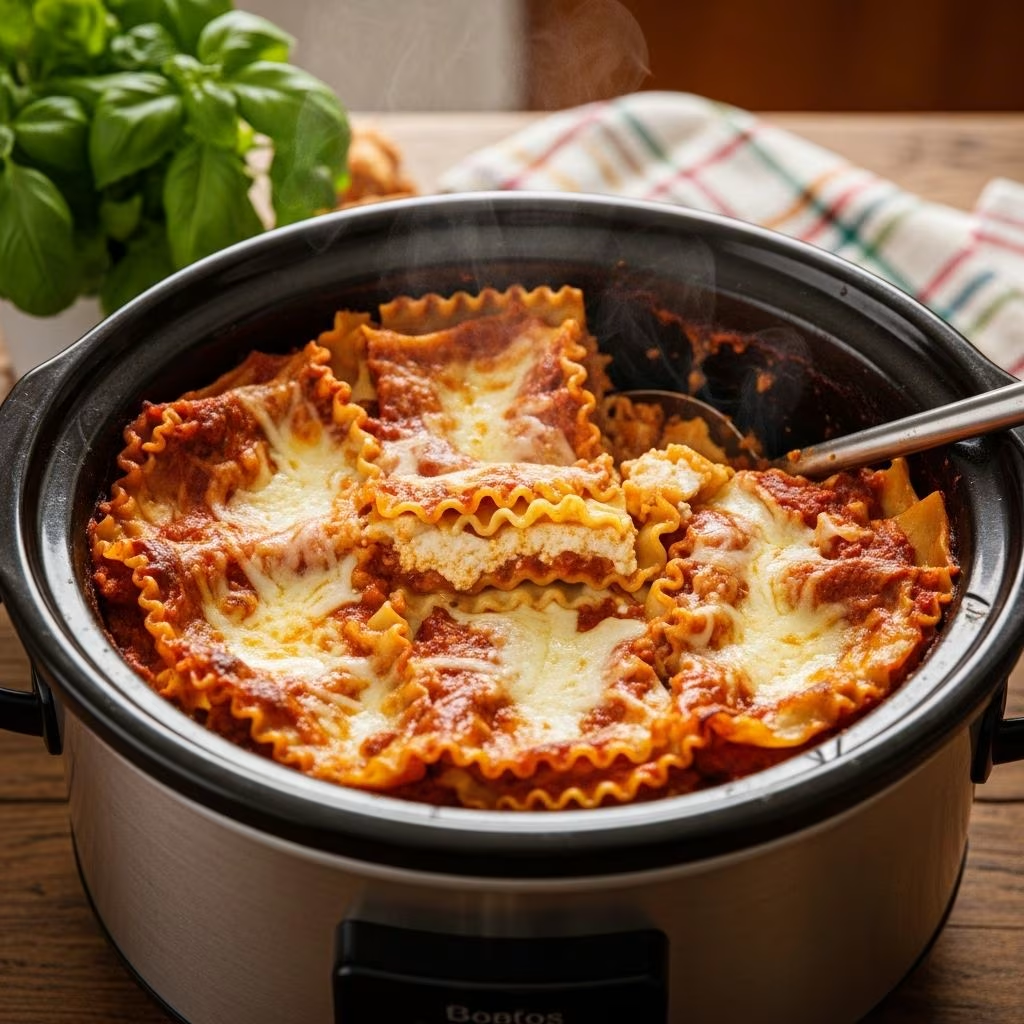
Lasagna has long been a beloved comfort food that brings families together around the dinner table. However, the traditional method of preparing this Italian classic requires careful attention to multiple pots, precise timing, and oven management. The slow cooker offers a revolutionary alternative that simplifies the entire process while delivering equally delicious results. This comprehensive guide will walk you through everything you need to know about creating restaurant-quality lasagna using your slow cooker, transforming what was once a time-consuming endeavor into an accessible weeknight dinner option.
Understanding the Slow Cooker Advantage
The slow cooker has become an indispensable kitchen appliance for busy home cooks, and lasagna preparation exemplifies its most compelling benefits. Unlike conventional oven-based methods that require precise temperature control and frequent monitoring, slow-cooked lasagna benefits from extended, gentle heat that allows flavors to meld seamlessly and noodles to soften to the perfect tender consistency without becoming mushy. The enclosed environment of the slow cooker retains moisture that would otherwise evaporate in an oven, resulting in a richer sauce and more cohesive dish overall.
Beyond the culinary advantages, the practical benefits cannot be overstated. Preparation happens primarily on the stovetop, allowing you to assemble the complete dish within thirty minutes. Once the slow cooker is loaded and the lid is secured, your involvement essentially ends. This hands-off approach makes slow cooker lasagna ideal for busy weekdays when you want home-cooked comfort food without spending hours in the kitchen.
Essential Ingredients and Quality Considerations
Creating exceptional slow cooker lasagna begins with understanding the role each ingredient plays in the final dish. The foundation consists of several key components that work together to create depth and complexity of flavor.
The Protein Foundation
Ground beef and Italian sausage form the aromatic base of your meat sauce. A combination of both proteins provides superior flavor complexity compared to using a single option. Ground beef contributes a savory richness, while Italian sausage adds herbaceous notes and subtle spice that elevates the overall profile. For a traditional version, use one pound of each, though you can adjust ratios based on personal preference. The meat must be browned before adding to the slow cooker to develop deeper flavors through the Maillard reaction and to prevent the sauce from becoming watery during the long cooking process.
Sauce Components
Your sauce options range from jarred marinara to homemade tomato preparations. Quality matters significantly here, as the sauce will form the liquid base for cooking your noodles directly in the slow cooker. A combination of crushed tomatoes, tomato paste, and either marinara sauce or additional tomatoes creates a layered, complex base. Tomato paste concentrates tomato flavor and adds body to the sauce, while crushed tomatoes provide texture and depth. Fresh garlic, minced onions, and aromatic herbs like basil, oregano, and parsley transform these simple components into a sophisticated sauce that rivals any traditional recipe.
Cheese Selection
Three distinct cheeses create the characteristic texture and flavor of traditional lasagna. Ricotta cheese serves as the creamy filling layer, offering a mild, slightly sweet flavor that contrasts beautifully with savory sauce. Mozzarella cheese provides stretchiness and mild flavor that melts into cohesive layers, while Parmesan adds a sharp, aged quality that complements both other cheeses. Combining these three creates a complex cheese experience that no single option can achieve alone.
Noodles and Other Components
No-boil lasagna noodles are essential for slow cooker preparation. These specialized noodles have been partially cooked and designed to soften directly in the sauce without preliminary boiling. Fresh herbs, eggs to bind the cheese mixture, and cooking spray round out your ingredient list.
Preparation Stage: Building Your Meat Sauce
The success of your slow cooker lasagna depends heavily on properly prepared meat sauce. Begin by heating a large skillet over medium-high heat and coating it lightly with cooking spray or oil. Add diced onions and allow them to soften for approximately three to four minutes, stirring occasionally. This initial step develops the foundational flavor base.
Once onions have softened, add your ground beef and Italian sausage, breaking the meat into small pieces as it cooks. This browning step typically requires seven to nine minutes and should continue until the meat is no longer pink and has developed golden-brown color in places. At this point, add minced garlic and cook for an additional minute, allowing the garlic to release its aromatic compounds.
With the meat prepared, add your tomato components. A combination of crushed tomatoes, diced tomatoes with their juice, and tomato paste creates a sauce with excellent depth. Season generously with dried herbs such as oregano and basil, then add fresh basil and parsley if available. Fresh herbs contribute brightness and complexity that dried versions cannot provide alone. Season with kosher salt and freshly ground black pepper to taste, keeping in mind that flavors will concentrate during the long cooking process.
Allow your sauce to simmer over medium-low heat for approximately twenty minutes. This simmering period permits flavors to develop and meld while the sauce thickens slightly. Set the completed sauce aside until you are ready to assemble your lasagna.
Creating the Cheese Mixture
While your sauce simmers, prepare the cheese mixture that will create creamy, rich layers throughout your lasagna. In a medium mixing bowl, combine ricotta cheese, shredded mozzarella, grated Parmesan, and one or two beaten eggs depending on your mixture’s consistency. The eggs act as a binder, helping the cheese layers hold together as the lasagna cooks.
Add minced fresh parsley and fresh basil if available, along with salt and pepper to taste. Mix these components thoroughly until well combined, then set aside. Some cooks prefer to leave this mixture slightly textured rather than completely homogeneous, which can create appealing variation in the finished dish.
Assembly Technique and Layering Strategy
Proper layering is crucial for slow cooker lasagna success. Begin by coating your slow cooker insert with cooking spray, paying special attention to the bottom and sides to prevent sticking. A 6-quart oval slow cooker works best, as it provides adequate space for three to four complete layers depending on their thickness.
Start with a thin base layer of meat sauce, using approximately one cup spread evenly across the bottom. This layer prevents the bottom layer of noodles from sticking directly to the slow cooker insert. Layer no-boil lasagna noodles over this sauce, breaking them as needed to fit your slow cooker’s shape and dimensions. Typically three to four noodles fit in the first layer.
Over the noodles, distribute approximately one-third of your cheese mixture in dollops, then gently spread it into an even layer using a spatula. Top this with another layer of meat sauce, followed by mozzarella cheese sprinkled across the top. Repeat this pattern two more times, ending with noodles and sauce on top rather than cheese.
The final layer should be meat sauce with mozzarella sprinkled over top, which will create an appealing browned surface and prevents the top layer of noodles from drying out. Reserve some Parmesan and fresh basil to add after cooking for maximum visual appeal and fresh flavor.
Cooking Process and Temperature Considerations
Once your lasagna is assembled, place the lid on your slow cooker and select your desired cooking setting. Low heat for six to eight hours produces the most gentle cooking, allowing flavors to develop gradually and noodles to reach perfect tenderness. Alternatively, high heat for three to four hours delivers faster results when time is limited.
The slow cooker’s enclosed environment means you should not remove the lid during cooking, as this releases significant heat and extends cooking time. Resist the temptation to check on your lasagna multiple times, as each lid opening disrupts the cooking process.
Your lasagna is done when the noodles are completely tender and most liquid has been absorbed. Some residual sauce should remain, as this keeps the dish moist rather than dry. After cooking, turn off the heat and allow the lasagna to rest for thirty minutes before serving. This resting period permits the layers to set, making serving and presentation much easier.
Customization and Variation Options
Vegetable Additions
Fresh or frozen spinach adds nutritional value and subtle earthiness. Incorporate pre-cooked spinach into your cheese mixture or between layers for increased vegetable content. Diced mushrooms, zucchini, or bell peppers mixed into the meat sauce create additional texture and depth.
Protein Alternatives
For those preferring lighter options, ground turkey or chicken can substitute for beef and sausage. Vegetarian versions omit meat entirely while increasing the vegetable components significantly. Seafood lasagna using shrimp or scallops offers an elegant variation, though it requires adjusted cooking times.
Sauce Variations
Homemade sauce made from San Marzano tomatoes delivers superior flavor to canned options. White sauce lasagna uses a béchamel base instead of tomato, creating a completely different culinary experience. Pesto-based versions incorporate fresh basil and nuts for Mediterranean flair.
Storage and Make-Ahead Strategies
Slow cooker lasagna stores exceptionally well, making it ideal for meal preparation. Completely cooled lasagna keeps refrigerated for four to five days in an airtight container. Freeze portions in individual containers for up to three months, then reheat gently in the oven or microwave.
For ultimate convenience, assemble your lasagna the night before cooking, then refrigerate it until morning. Transfer the cold insert directly to the slow cooker base and add an extra thirty minutes to your cooking time. This make-ahead approach maximizes convenience for busy weekday evenings.
Troubleshooting Common Issues
| Problem | Cause | Solution |
|---|---|---|
| Dry lasagna | Insufficient sauce or excess cooking time | Add extra sauce before cooking; check at minimum recommended time |
| Mushy noodles | Overcooking or too much liquid | Use high setting for shorter time; drain excess liquid before assembling |
| Watery consistency | Too much liquid in sauce or ingredients | Simmer sauce longer before adding; drain ingredients thoroughly |
| Burnt bottom layer | Direct contact with heat source | Use cooking spray barrier; ensure adequate sauce on bottom |
| Cheese not melted | Insufficient cooking time | Extend cooking time by thirty minutes; cover with foil for last hour |
Serving Suggestions and Accompaniments
Serve your slow cooker lasagna directly from the slow cooker into individual bowls or plates. Fresh basil garnish and additional Parmesan cheese add professional presentation. Crusty bread for sopping up sauce, simple green salads with vinaigrette, and roasted vegetables complement lasagna beautifully.
For entertaining, keep your lasagna warm in the slow cooker on the low setting for up to two hours after cooking completes. This maintains perfect serving temperature while allowing guests to eat at their own pace.
Frequently Asked Questions
Can I use regular lasagna noodles instead of no-boil?
Regular noodles require boiling before adding to the slow cooker. While possible, no-boil varieties are specifically designed for this cooking method and produce superior results with less preparation required.
How do I prevent my lasagna from being watery?
Brown your meat thoroughly to evaporate excess moisture. Simmer your sauce before adding to the slow cooker. Drain any liquid from spinach or other vegetables before incorporating them into your dish.
What size slow cooker do I need?
A 6-quart slow cooker accommodates most traditional lasagna recipes with space for three to four layers. Smaller cookers limit your layers, while larger ones may cook unevenly.
Can I double this recipe?
Doubling requires using two slow cookers or preparing the recipe in batches. Adding extra ingredients to a single cooker creates uneven cooking and potentially mushy results.
How far in advance can I prep the components?
Your meat sauce keeps refrigerated for up to three days. The cheese mixture keeps for two days. Assemble everything no more than twenty-four hours before cooking for best results.
References
- Slow Cooker Lasagna with Meat Sauce (High-Protein) — Skinnytaste. https://www.skinnytaste.com/slow-cooker-lasagna/
- Slow Cooker Lasagna — Gimme Some Oven. https://www.gimmesomeoven.com/slow-cooker-lasgana-recipe/
- Ree Drummond’s Slow-Cooker Lasagna — Food Network. https://www.youtube.com/watch?v=NGAWFAqCwy4
- Slow-Cooker Lasagna Recipe — Betty Crocker. https://www.bettycrocker.com/recipes/slow-cooker-lasagna/23546794-7262-47be-9ca4-e12c900399a1
- The Perfect Crockpot Lasagna Recipe — The Real Food Dietitians. Posted: 2024-10-28. https://therealfooddietitians.com/crockpot-lasagna-recipe/