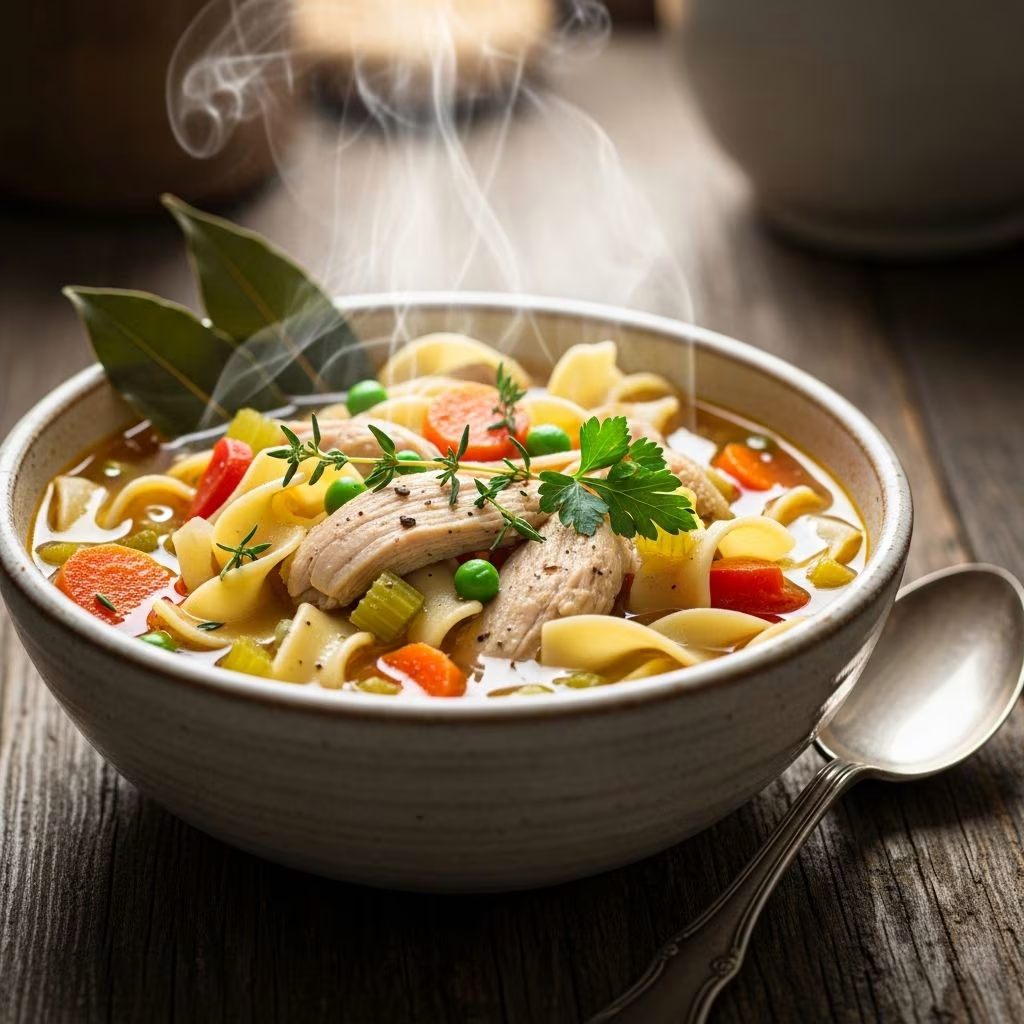
There’s something inherently soothing about a warm bowl of chicken noodle soup, especially when it emerges from minimal effort in your slow cooker. This beloved comfort dish has graced dinner tables for generations, and for good reason—it combines wholesome ingredients with an incredibly approachable cooking method. The beauty of preparing this classic in a slow cooker lies in its flexibility and hands-off nature, allowing you to achieve restaurant-quality results without spending hours at the stove.
Why Slow Cooker Preparation Works Exceptionally Well
The slow cooker environment creates an ideal setting for extracting maximum flavor from simple ingredients. The extended cooking time at low to medium temperatures allows proteins to become incredibly tender while the broth develops deep, complex notes. Unlike stovetop methods that require constant monitoring, a slow cooker enables you to load ingredients in the morning and have a finished meal ready by dinner time, making it an excellent choice for busy households and those seeking convenient meal solutions.
The gentle, moist heat environment prevents the chicken from becoming dry or stringy, a common issue with faster cooking methods. Additionally, the prolonged interaction between vegetables, broth, and seasonings creates a harmonious flavor profile that tastes as though it has simmered for hours rather than mere minutes.
Essential Ingredients and Their Roles
A foundational slow cooker chicken noodle soup requires several key components, each contributing specific qualities to the final dish:
- Chicken: Chicken breasts or bone-in varieties work well; bones add additional flavor to the broth while boneless options provide convenience
- Aromatics: Onions, carrots, and celery form the flavor base, often called mirepoix in culinary traditions
- Garlic: Adds depth and complexity to the broth’s flavor profile
- Broth: Chicken broth serves as the liquid foundation; using quality broth significantly impacts final results
- Pasta: Egg noodles are traditional, though other pasta shapes work equally well
- Seasonings: Herbs like thyme, bay leaves, and parsley enhance the overall taste
- Salt and pepper: Essential for balancing and amplifying other flavors
Preparing Your Ingredients for Maximum Results
Proper ingredient preparation sets the foundation for successful slow cooking. Begin by trimming excess fat from chicken pieces while leaving some intact, as this contributes to flavor and richness. Dice onions into roughly quarter-inch pieces to ensure they soften adequately during cooking while maintaining some structural integrity. Slice carrots into quarter-inch thick rounds or bias cuts, which increases their surface area for better heat penetration and faster cooking.
Slice celery into half-inch pieces, being mindful not to over-chop, as this vegetable tends to soften significantly during extended cooking times. Mince garlic finely, as larger pieces can become bitter or overpowering in the finished soup. For herbs, use dried varieties unless fresh herbs are specifically indicated in your recipe, as dried herbs concentrate their flavors during slow cooking while fresh varieties may lose potency.
The Layering Technique for Optimal Cooking
Successfully layering ingredients in your slow cooker promotes even cooking and allows flavors to develop properly. Place diced vegetables in the slow cooker’s bottom and sides, as these benefit from direct contact with the heating element. Position chicken breasts on top of the vegetable layer, allowing them to partially steam and partially poach. This arrangement ensures vegetables reach full tenderness while keeping chicken moist.
Sprinkle seasonings over the chicken before adding broth, allowing dry seasonings to adhere to the protein’s surface. Pour broth gently over everything, ensuring the chicken remains mostly submerged but not so much that vegetables float awkwardly. This careful arrangement promotes consistent cooking throughout the slow cooker.
Cooking Time Guidelines and Temperature Considerations
| Setting | Cooking Time | Best For |
|---|---|---|
| Low Heat | 6-8 hours | Extended cooking windows, all-day preparation |
| High Heat | 3-4 hours | Faster meal preparation, same-day cooking |
| Medium Heat | 4-5 hours | Moderate timing, balanced flavor development |
The cooking time varies based on your slow cooker’s specific model, the exact quantity of ingredients used, and whether you’re using bone-in or boneless chicken. Bone-in varieties generally require additional time to reach full tenderness. The goal is to cook chicken until it reaches an internal temperature of 165°F (74°C), at which point it becomes safe to consume and tender enough to shred easily with two forks.
Avoid lifting the slow cooker lid frequently during cooking, as each opening releases significant heat and extends the overall cooking time. If you must check progress, do so minimally and close the lid quickly to preserve internal temperature.
The Shredding Process and Reintegration
Once cooking completes and chicken reaches proper temperature, carefully remove it to a cutting board or large bowl. Using two forks held back-to-back, pull the chicken meat apart into bite-sized shreds, discarding any bones, skin, or cartilage. This technique, while slightly time-consuming, produces consistent, tender pieces that distribute evenly throughout the soup.
Return the shredded chicken to the slow cooker and stir gently to combine with the broth and vegetables. This step ensures even distribution of the protein throughout the soup while allowing residual heat to warm the chicken. If any foam or impurities have surfaced during cooking, skim them away at this point for a clearer, cleaner-tasting broth.
Adding Pasta: Timing and Technique
Pasta represents perhaps the most important variable in timing, as overcooked noodles result in a mushy, unappealing texture. Add pasta only during the final 15-20 minutes of cooking, using uncooked pasta directly from the package rather than pre-cooking. Keep the slow cooker on high heat to maintain water temperature and allow pasta to cook properly.
Before adding pasta, increase the heat setting to high if you’re currently on low, as pasta requires higher temperatures to cook adequately. Stir the pasta gently every five minutes to prevent sticking and ensure even cooking. Pasta will continue absorbing liquid after cooking, so remove the pot from heat slightly before the noodles reach perfect al dente texture, as residual heat will continue the cooking process.
Flavor Enhancement and Customization Options
While a basic slow cooker chicken noodle soup satisfies most palates, numerous variations allow for personalization based on dietary preferences and available ingredients. Adding a splash of fresh lemon juice or zest immediately before serving brightens the broth and adds complexity. For a creamier version, whisk together heavy cream with cornstarch to create a slurry, which can be added to the broth for the final 10-15 minutes of cooking, creating a velvety texture.
Fresh or dried parsley added at the end contributes brightness and visual appeal, while additional herbs like dill or tarragon create subtle flavor variations. A pinch of turmeric or nutmeg introduces warmth without overpowering other flavors. Red pepper flakes appeal to those preferring heat, while a bay leaf early in cooking imparts classic herbal notes. These additions remain entirely optional and should reflect personal taste preferences.
Common Mistakes to Avoid During Preparation
- Overcrowding the slow cooker, which prevents ingredients from cooking evenly and creates steaming rather than proper slow cooking
- Adding pasta too early, resulting in mushy, overcooked noodles that fall apart in the broth
- Skipping the shredding step and leaving chicken in large chunks, which creates inconsistent texture and challenging eating experience
- Using poor-quality broth or broth with excessive sodium, which overpowers subtle chicken and vegetable flavors
- Neglecting to season adequately throughout cooking, resulting in bland final results
- Lifting the lid repeatedly, which significantly extends cooking times and disrupts the cooking environment
Storage, Reheating, and Make-Ahead Strategies
Properly stored slow cooker chicken noodle soup maintains quality in the refrigerator for three to four days when kept in an airtight container. For longer storage, freeze the soup in individual portions or larger containers for up to three months. When freezing, leave slight headspace to account for expansion. Allow frozen soup to thaw overnight in the refrigerator before reheating for best results.
Reheat refrigerated or thawed soup gently on the stovetop over medium heat, stirring occasionally and adding additional broth if the soup has thickened significantly during storage. Avoid boiling, as high heat can toughen the chicken and diminish delicate flavors. For make-ahead convenience, prepare vegetables and chicken the evening before, storing them separately in the refrigerator, then combine with broth in the slow cooker the following morning.
Scaling Your Recipe for Different Group Sizes
The basic slow cooker chicken noodle soup recipe adapts easily to different quantities. Standard recipes serving four to six people use approximately two pounds of chicken and eight cups of broth. For smaller households, halve all ingredients and use a three-quart slow cooker, maintaining the same cooking times. For larger gatherings, double or triple the ingredients while using a six-quart or larger slow cooker, though cooking times may increase slightly due to the larger volume requiring more time to reach uniform temperature throughout.
When scaling recipes, maintain proportions between ingredients rather than adjusting individual components. A common ratio involves two cups of mixed vegetables to one pound of chicken and four cups of broth, providing a well-balanced flavor profile regardless of total quantity.
Frequently Asked Questions
Can I use rotisserie chicken instead of raw chicken?
Yes, rotisserie chicken provides a convenient shortcut. Add it during the final 30 minutes of cooking, shredding it first and combining with the broth immediately before adding pasta. This method preserves the chicken’s moisture while avoiding the lengthy cooking time required for raw poultry.
What if my soup seems too brothy or too thick?
Broth consistency adjusts easily. If too thin, cook uncovered on high for 15-20 minutes to reduce liquid through evaporation. If too thick, simply add additional broth or water gradually until reaching desired consistency. Remember that pasta absorbs liquid, so account for this when judging final soup thickness.
Can I substitute egg noodles with other pasta shapes?
Absolutely. Small pasta shapes like ditalini, orzo, or small shells work wonderfully. Avoid long pasta strands like spaghetti, which become difficult to eat in soup and create a messy eating experience. Cook times vary by pasta type and thickness, so check package directions and adjust accordingly.
Is it safe to leave chicken in the slow cooker for extended periods?
Chicken remains safe in the slow cooker on low heat for up to eight hours, provided it reaches proper temperature and remains hot throughout. However, after reaching the desired tenderness, transferring the slow cooker to a warming function or keeping it at a lower temperature prevents overcooking and maintaining excessive heat.
How do I prevent vegetables from becoming mushy?
Cut vegetables into slightly larger pieces and add heartier vegetables like carrots earlier while adding softer vegetables like celery toward the end of cooking. Alternatively, add delicate vegetables only during the final hour of cooking to preserve their texture and nutritional integrity.
References
- USDA Food Safety and Inspection Service – Chicken and Food Safety — U.S. Department of Agriculture. Accessed April 2026. https://www.fsis.usda.gov/food-safety
- Safe Minimum Internal Temperature Chart — USDA Food Safety and Inspection Service. Accessed April 2026. https://www.fsis.usda.gov/food-safety/safe-food-handling-and-preparation/food-safety-basics/safe-temperatures-chart
- Slow Cooker Cooking Times and Guidelines — University of Minnesota Extension. Accessed April 2026. https://extension.umn.edu/ask-expert/how-do-i-convert-conventional-recipe-slow-cooker-recipe
- Food Storage Guidelines — U.S. Food and Drug Administration. Accessed April 2026. https://www.fda.gov/food/buy-store-serve-safe-food/safe-food-handling
- Understanding Mirepoix: The Foundation of French Cooking — The Culinary Institute of America. Accessed April 2026. https://www.ciachef.edu/