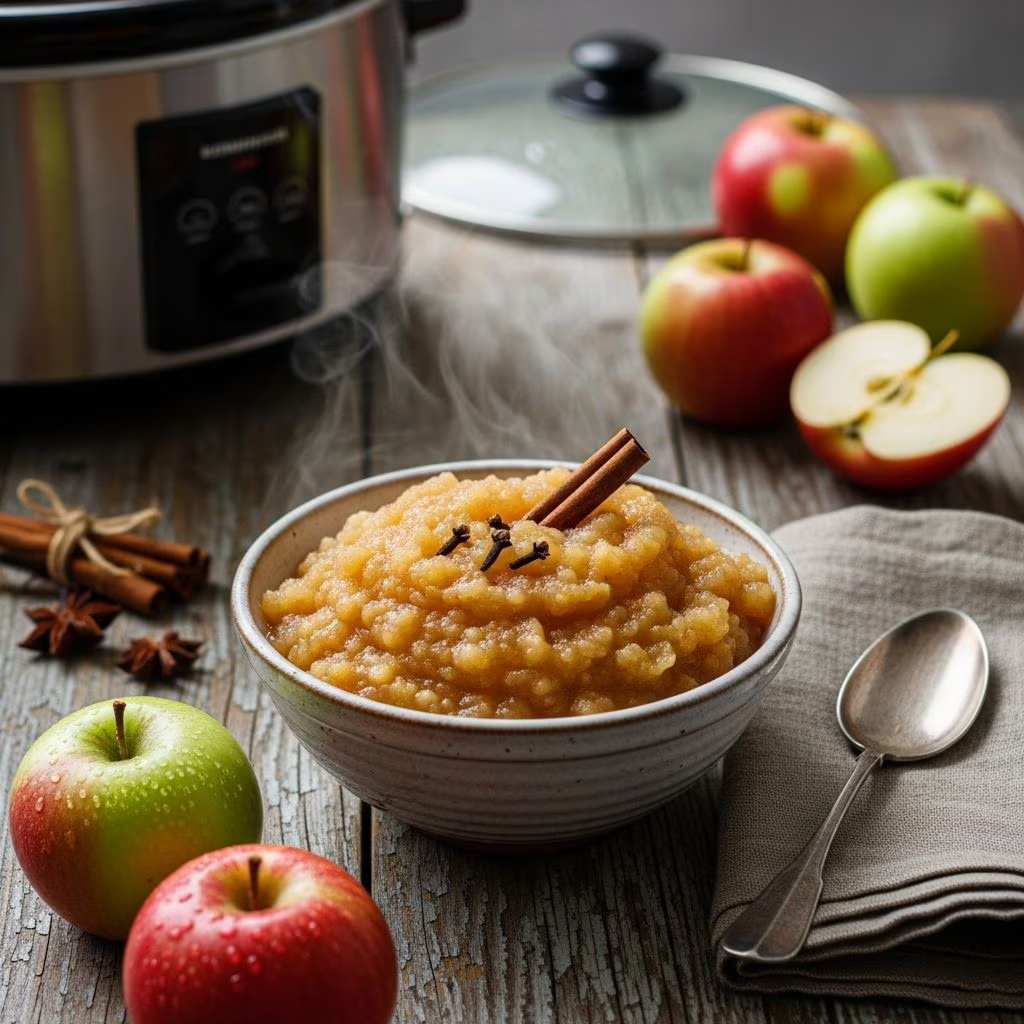
Making applesauce at home has never been simpler. The slow cooker transforms fresh apples into a smooth, naturally sweet sauce with virtually no supervision required. This method eliminates the need for added sugars, artificial preservatives, or complex preparation techniques. Whether you’re seeking a wholesome dessert topping, a nutritious snack for children, or a versatile ingredient for baking, slow cooker applesauce delivers exceptional results with minimal effort.
Understanding the Science Behind Slow-Cooked Apples
The slow cooking process works by gently breaking down the cellular structure of apples over an extended period. As apples cook at low temperatures, their natural sugars concentrate and intensify, creating a naturally sweet product without any added sweeteners. This low-and-slow approach differs dramatically from traditional stovetop methods, which require constant monitoring and higher heat that can diminish the apples’ delicate flavor compounds.
The extended cooking time allows water to evaporate gradually while pectin in the apples breaks down, thickening the mixture naturally. Additionally, the apples’ organic acids soften during this process, resulting in a smooth texture that requires minimal blending. The combination of these factors produces applesauce with superior flavor compared to many commercial alternatives.
Essential Ingredients and Their Roles
Creating quality applesauce requires understanding what each ingredient contributes to the final product. While the ingredient list is intentionally minimal, each component serves a specific purpose in developing flavor and texture.
Fresh Apples: The Foundation
The primary ingredient should be fresh apples, preferably a combination of sweet and tart varieties. Using mixed apple types creates better flavor balance than relying on a single variety. Sweet apples like Gala, Fuji, or Honeycrisp provide natural sweetness, while tart varieties such as Granny Smith or Pink Lady add complexity and prevent the sauce from becoming cloying. Most recipes call for three to four pounds of apples, depending on desired yield and slow cooker size.
Apple preparation methods vary by preference. Some cooks prefer peeling apples before cooking to achieve a smooth consistency without additional blending. Others leave skins intact for added nutrition, fiber, and natural color, then use an immersion blender to incorporate them thoroughly into the finished sauce.
Water: Preventing Sticking and Regulating Consistency
Water serves a critical function in preventing apples from adhering to the slow cooker bottom and burning. Most recipes call for approximately half to three-quarters cup of water, though the exact amount depends on apple moisture content and desired consistency. Apples naturally release liquid during cooking, so start with the lower water amount and adjust future batches based on results.
Spices: Building Aromatic Complexity
Cinnamon is the traditional spicing choice, adding warmth and subtle sweetness that complements apples perfectly. Ground cinnamon works efficiently when stirred throughout the mixture, while cinnamon sticks infuse flavor more gradually. Many cooks add approximately half a teaspoon of ground cinnamon or one whole cinnamon stick per batch.
Additional spices like nutmeg, allspice, or cloves can enhance the flavor profile for those seeking more complexity. A minimal pinch of salt paradoxically amplifies the natural sweetness of apples by balancing flavor perception. Some recipes incorporate lemon juice, which brightens the flavor and prevents oxidative browning while adding subtle tartness.
Preparation Techniques and Timing Considerations
Success with slow cooker applesauce depends on proper preparation and understanding your specific slow cooker’s characteristics. Different appliances vary in heat distribution and intensity, requiring some experimentation with timing.
Preparing Apples for Optimal Cooking
Begin by thoroughly washing all apples under running water to remove any surface debris or residue. Using an apple corer and divider tool expedites the removal of cores and seeds simultaneously. If choosing to peel apples, do so before cutting to prevent oxidation discoloration.
Cut apples into uniform pieces, approximately one-inch chunks or slices. Consistent sizing ensures even cooking throughout the batch, preventing some pieces from becoming mushy while others remain firm. This uniformity becomes especially important when cooking on higher temperatures or for longer durations.
Layering and Combining Ingredients
Add prepared apples to the slow cooker basin, distributing them evenly. Pour water over the apples, ensuring they’re adequately moistened. Sprinkle cinnamon or other spices across the top, then stir thoroughly with a large spoon to distribute seasonings uniformly throughout the mixture. This initial stirring prevents spice clumping and ensures consistent flavor development.
Cooking Duration and Temperature Settings
Most slow cookers accommodate applesauce cooking in two temperature scenarios:
- High heat setting: 3-4 hours of cooking time
- Low heat setting: 5-8 hours of cooking time
Cooking times vary based on apple size, slow cooker wattage, and desired doneness level. After the initial cooking period, apples should be very soft and easily broken with a spoon. If apples remain firm after the minimum time, continue cooking in 30-minute increments, checking frequently to prevent overcooking.
Stirring occasionally during the cooking process, ideally at the halfway point, promotes even cooking and allows you to assess doneness. However, many cooks successfully employ the “set and forget” approach, checking only when cooking time concludes.
Achieving Your Desired Consistency
The texture of finished applesauce depends on personal preference and intended use. The slow cooker naturally softens apples to a point where many simply break apart through stirring, creating chunky sauce without additional processing.
Chunky Applesauce
For those preferring texture in their applesauce, simple stirring with a wooden spoon breaks apples into bite-sized pieces while maintaining some structure. This approach preserves fiber content and creates a rustic presentation suitable for serving alongside desserts or morning oatmeal.
Smooth Applesauce
An immersion blender efficiently purees applesauce directly in the slow cooker without transferring to additional bowls. Blend for 20-30 seconds for moderately smooth sauce or 45-60 seconds for completely smooth consistency. This method saves cleanup while maintaining temperature and preventing oxidation that occurs when transferring to separate containers.
Achieving Perfect Thickness
If applesauce seems too thin after cooking, leave the slow cooker uncovered on high heat for an additional 15-30 minutes to allow excess moisture to evaporate. Conversely, if the mixture appears too thick, stir in small amounts of water or apple juice until achieving desired consistency.
Storage and Preservation Methods
Proper storage extends the enjoyment of homemade applesauce and ensures food safety for extended periods.
Refrigerator Storage
Allow applesauce to cool completely before transferring to airtight containers. Refrigerated applesauce maintains quality for up to two weeks when stored at temperatures below 40 degrees Fahrenheit. Store in glass containers rather than plastic for better long-term preservation of flavor and appearance.
Freezer Storage
Applesauce freezes exceptionally well for up to two months, making it practical to prepare large batches during apple season and enjoy year-round. Freeze in ice cube trays for convenient single-serving portions, then transfer frozen cubes to freezer bags for compact storage. Alternatively, freeze in rigid containers, leaving half-inch headspace for expansion.
Canning for Extended Preservation
Those experienced with food preservation can can applesauce using boiling water bath methods, extending shelf life to one year or longer. This approach requires proper equipment and understanding of safe canning procedures to prevent bacterial contamination.
Comparing Apple Varieties for Different Flavor Profiles
| Apple Variety | Flavor Profile | Best Use |
|---|---|---|
| Granny Smith | Tart, tangy, firm texture | Balancing sweetness, adding complexity |
| Gala | Sweet, mild, juicy | Primary sweetness source |
| Honeycrisp | Sweet with subtle tartness | Balanced flavor, natural sweetness |
| Pink Lady | Tart-sweet balance, crisp | Adding depth and complexity |
| Fuji | Very sweet, dense | Maximum natural sweetness |
Enhancing Flavor Without Added Sugars
The natural sugars concentrated through slow cooking provide sufficient sweetness for most palates. However, several techniques amplify flavor without introducing processed sweeteners.
Toasting whole spices before adding them to the slow cooker intensifies their aromatic properties. Gently warming cinnamon sticks in a dry pan for one minute before adding to apples releases essential oils, deepening the flavor impact. Similarly, combining multiple spice varieties creates complexity that masks any perception of inadequate sweetness.
Incorporating small amounts of naturally sweet additions like apple cider or apple juice intensifies the apple flavor while adding subtle depth. One-quarter cup of apple cider replaces an equal amount of water, creating richer applesauce with more pronounced apple character.
Practical Applications Beyond Simple Serving
Homemade applesauce serves numerous culinary purposes beyond enjoying as a standalone condiment. This versatility justifies preparing larger batches for varied applications throughout the month.
In baking, applesauce substitutes for oil or butter in many recipes, reducing fat content while adding moisture and natural sweetness. Muffins, quick breads, and cake recipes benefit from applesauce substitution at a 1:1 ratio. Smoothie bowls and yogurt parfaits gain nutritional depth with applesauce layers. Oatmeal, pancakes, and waffle toppings become more interesting with warm applesauce and cinnamon additions.
Addressing Common Challenges
Applesauce Remains Too Chunky
If apples don’t break down adequately despite extended cooking, they may be under-ripe or a particularly firm variety. Continue cooking in 30-minute increments, or use an immersion blender to achieve desired consistency. Alternatively, transfer applesauce to a food processor for smoother results.
Overly Thin Consistency
High apple moisture content or insufficient cooking time results in watery applesauce. Extend cooking time by 1-2 hours on low heat with the lid off to encourage evaporation. Future batches benefit from reducing water amount by one-quarter cup.
Bland or Insufficient Sweetness
This typically indicates the apple variety selected lacks natural sweetness. Incorporate sweeter apple varieties like Fuji or Gala in future batches, or add small amounts of apple juice during cooking. Ensure adequate spice levels, as cinnamon enhances perceived sweetness.
Frequently Asked Questions
Can I make applesauce without peeling apples?
Yes, leaving skins intact is perfectly acceptable and adds nutritional fiber. The immersion blender incorporates skins thoroughly into the finished sauce. Some individuals prefer the rustic appearance and slightly more textured consistency that unpeeled apples provide.
What’s the best slow cooker size for applesauce?
A 4-6 quart slow cooker accommodates most recipes efficiently. Larger 8-10 quart models work well for doubled batches. Avoid overfilling beyond three-quarters capacity, which prevents proper heat circulation.
Can I add honey or other sweeteners?
While the recipe emphasizes natural sweetness without added sugars, adding small honey amounts is possible if desired. However, most find natural apple sugars adequate once concentrated through slow cooking.
How do I know when applesauce is done cooking?
Apples should be very soft and easily break apart with a spoon. A fork pressed into the mixture should encounter no firm resistance. Timing varies by appliance, so rely on visual assessment rather than strict time adherence.
Can I use green apples exclusively?
Using only tart green apples produces very tart applesauce that some find unpalatable. Mixing at least 50 percent sweet apple varieties creates better flavor balance.
Seasonal Considerations and Year-Round Enjoyment
While apple season peaks in autumn, slow cooker applesauce preparation doesn’t require kitchen heat buildup that makes summer cooking undesirable. The slow cooker generates minimal ambient heat compared to traditional stovetop cooking, making it practical for warm weather preparation. Freezing batches during peak apple availability ensures consistent applesauce access throughout the year.
Spring and summer farmers’ markets often feature storage apple varieties that maintain quality through controlled-atmosphere storage. These same apples that fueled winter provision-keeping still provide excellent applesauce-making potential, allowing applesauce preparation flexibility across all seasons.
Conclusion: Simple Preparation, Exceptional Results
Creating naturally sweet applesauce through slow cooker methods represents one of the simplest food preparation projects available. Minimal ingredients, straightforward technique, and hands-off cooking combine to produce results superior to many commercial alternatives. Whether crafted for personal consumption, family sharing, or thoughtful gift-giving, homemade slow cooker applesauce demonstrates that exceptional food needn’t require complex procedures or processed ingredients. The next time fresh apples become available, consider dedicating several hours to this rewarding kitchen project.
References
- Easy Slow Cooker Applesauce (no sugar!) — Persnickety Plates. Accessed April 9, 2026. https://www.persnicketyplates.com/slow-cooker-cinnamon-applesauce/
- Easy Crockpot Applesauce Recipe: No Sugar Added — Foolproof Living. Accessed April 9, 2026. https://foolproofliving.com/slow-cooker-unsweetened-applesauce/
- Slow Cooker Applesauce (No Sugar Added!) — Detoxinista. Accessed April 9, 2026. https://detoxinista.com/slow-cooker-applesauce-no-added-sugar/