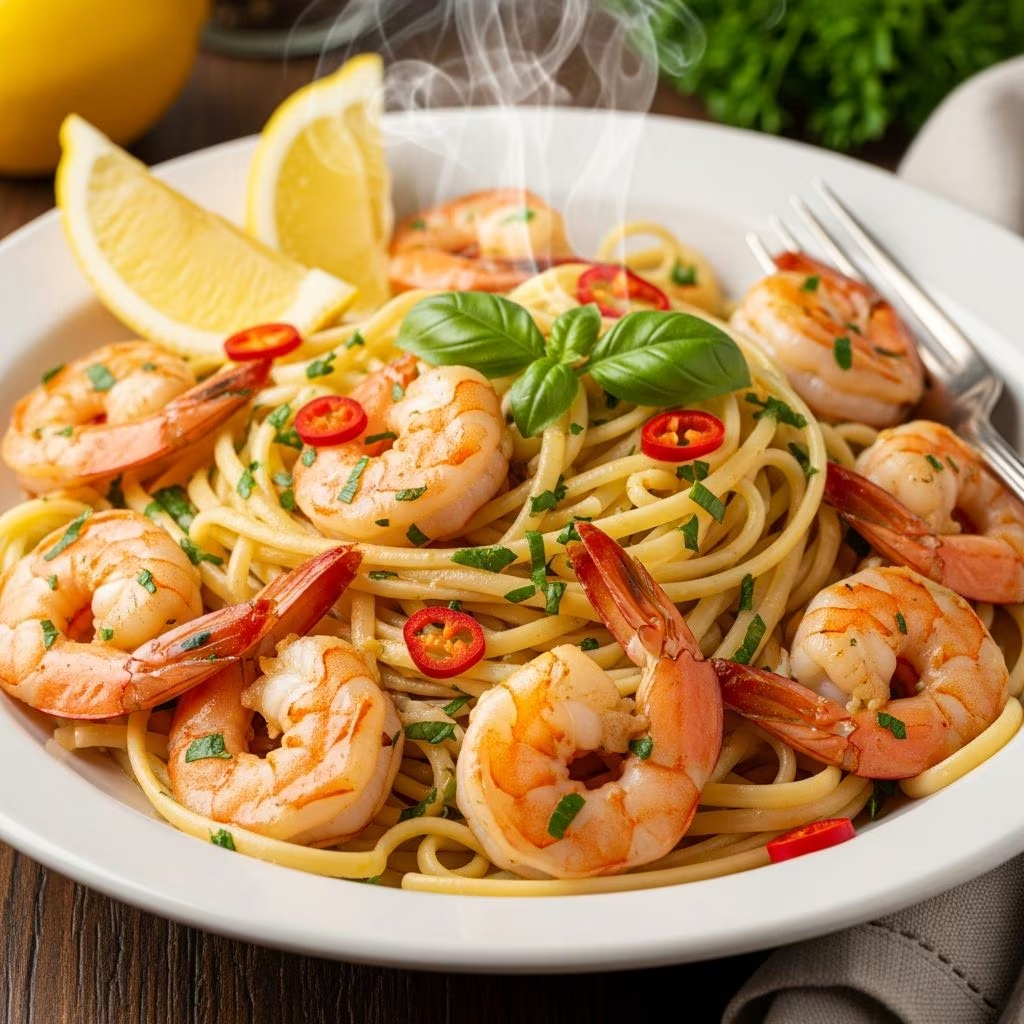
Shrimp scampi represents one of the most elegant yet approachable dishes in Italian cuisine, combining succulent seafood with vibrant citrus and aromatic garlic in a silky sauce that takes mere minutes to prepare. This classic preparation transforms humble ingredients into a restaurant-caliber meal that rivals dishes served at fine dining establishments, yet requires minimal effort and technical skill from the home cook. The beauty of scampi lies in its simplicity: quality shrimp, a handful of pantry staples, and proper technique create a dish that impresses any dinner guest while fitting seamlessly into busy weeknight schedules.
Understanding the Essential Foundation of Scampi Cookery
At its core, shrimp scampi depends on the interplay between several fundamental components that work in harmony to create layers of flavor and texture. The dish evolved from Italian coastal traditions, where fishermen would prepare their catch with whatever ingredients were readily available—garlic, lemon, olive oil, and butter became the defining pillars of the preparation. Today, this rustic foundation remains unchanged, proving that culinary timelessness often stems from simplicity rather than complexity.
The cooking method itself represents a crucial element: the technique of sautéing protein rapidly over medium-high heat while building flavor through sauce reduction distinguishes scampi from merely poached or steamed preparations. This method creates a concentrated sauce that clings to each shrimp, ensuring every bite delivers maximum flavor impact.
Selecting and Preparing Shrimp for Optimal Results
The quality of shrimp used directly determines the final dish’s success. Most recipes recommend using large or extra-large shrimp, which hold their texture better during the quick cooking process and present more attractively on the plate. Whether selecting frozen or fresh shrimp, ensure they are wild-caught when possible, as these varieties typically offer superior flavor compared to farm-raised alternatives.
Preparation begins with proper defrosting if using frozen shrimp. Thaw them in the refrigerator overnight or use the cold-water method, submerging sealed shrimp for 30 minutes in cold water. Once thawed, devein and peel each shrimp, retaining the tail for visual appeal and easier handling during cooking. Pat the shrimp completely dry using paper towels—moisture on the surface prevents proper searing and reduces the quality of the final sauce.
Pre-cooking treatment varies by preference. Some recipes suggest marinating the cleaned shrimp with salt, minced garlic, and olive oil for 10 minutes to one hour before cooking. This step infuses the shrimp with preliminary flavoring, though it remains optional for those working within strict time constraints.
Assembling the Flavor Profile: Key Ingredients Explained
Aromatics and Flavor Builders
Garlic serves as the backbone of authentic scampi, providing pungent, umami-rich notes that define the dish. Most recipes call for four to eight cloves, depending on batch size and personal preference. Mincing or pressing the garlic releases oils and enzymes that intensify its flavor. A common technique involves dividing the garlic between two stages: adding some to the marinating shrimp and the remainder during sauce preparation, which builds dimensional garlic flavor.
Shallots, when included, contribute subtle sweetness and complexity that complements both the garlic and citrus components. These should be finely diced to distribute evenly throughout the sauce.
Fat Components and Emulsification
Both butter and extra virgin olive oil are essential, not interchangeable. Butter provides richness and helps create the characteristic silky mouthfeel of the sauce, while olive oil offers its own distinct flavor profile and aids in emulsification. The combination of these two fats, typically in roughly equal proportions, creates a more complex sauce than either alone could achieve. For dairy-free preparations, using olive oil exclusively remains a viable option, though the sauce will lack the richness that butter provides.
Acidity and Citrus Elements
Fresh lemon juice provides brightness and acidity that balances the richness of butter and prevents the dish from becoming heavy. Lemon zest can also be incorporated for additional aromatic intensity. The acidity serves the practical function of brightening flavors while preventing the sauce from curdling or becoming oversaturated with fat.
Wine and Reduction
Dry white wine acts as both a flavoring agent and an emulsifier, helping bind the fat and liquid components into a cohesive sauce. During cooking, the wine reduces, concentrating its flavors and burning off alcohol to leave behind subtle sweetness and complexity. Suitable options include Pinot Grigio, Sauvignon Blanc, or similar dry varieties. For alcohol-free cooking, low-sodium seafood or chicken stock provides similar body and umami depth.
Heat and Spice
Crushed red pepper flakes add subtle heat and complexity, though their intensity varies significantly by brand and storage conditions. Begin with a quarter teaspoon and adjust upward based on personal tolerance. Salt and freshly ground black pepper complete the seasoning profile, applied judiciously throughout cooking rather than all at once.
Step-by-Step Cooking Methodology
Stage One: Preparation and Setup
Mise en place—having all ingredients measured and ready before cooking begins—proves essential for success. The rapid cooking time leaves no opportunity to pause and gather items mid-preparation. Measure out all liquids, mince all aromatics, and have the shrimp prepped and dry before heat is applied to cookware.
Stage Two: Searing the Shrimp
Heat a large skillet over medium-high heat and add a portion of the olive oil. Once the oil shimmers, add the shrimp in a single layer and allow them to cook undisturbed for 60-90 seconds before flipping. Cook for an additional 60-90 seconds until the shrimp develops a light pink exterior. Transfer the partially cooked shrimp to a plate; they will finish cooking when added back to the pan with the sauce.
Stage Three: Building the Sauce Base
In the same skillet, add the remaining olive oil and butter. Once the butter foams, add minced garlic and shallots along with red pepper flakes. Sauté for approximately 30 seconds until fragrant, being careful not to brown the garlic, which develops bitter flavors. Pour in the white wine and allow it to simmer, stirring occasionally, until reduced by approximately half (usually two to three minutes). This reduction concentrates flavors and burns off excess alcohol.
Stage Four: Sauce Completion and Finishing
Add fresh lemon juice to the reduced wine mixture, then return the partially cooked shrimp to the pan. Toss to coat thoroughly in sauce and cook for an additional minute or two until the shrimp are fully cooked through and opaque. The internal temperature should reach 145°F. If a thicker sauce is preferred, finish with a pat of cold butter swirled in off the heat, which adds richness and contributes to a velvety texture.
Timing Considerations and Cooking Duration
The entire preparation, from raw shrimp to finished dish, typically requires between 10 and 30 minutes depending on mise en place preparation. The actual cooking time—from applying heat to the pan until the shrimp are fully cooked—rarely exceeds 10 minutes. This rapid cooking requires careful attention and prevents overcooking, which toughens shrimp and ruins texture. Underdone shrimp risk foodborne illness, making accurate timing critical. Shrimp cook quickly due to their small size and high protein density, transforming from translucent to opaque as proteins denature and coagulate.
Serving Suggestions and Complementary Pairings
Shrimp scampi adapts readily to various serving formats, making it equally appropriate for casual family dinners or formal entertaining. Traditional pasta presentations use angel hair or linguine, which captures sauce efficiently due to their thin, delicate strands. The shrimp and sauce can be tossed directly with hot pasta, allowing the residual heat to marry flavors.
Alternative serving methods expand options for different dietary preferences and occasions. Zucchini noodles provide a lower-carbohydrate presentation while maintaining textural contrast with the tender shrimp. Serving over white rice, orzo, or farro adds different textural elements. For appetizer presentations, arrange shrimp on toothpicks or small plates with the sauce for dipping, creating an elegant passed hors d’oeuvre.
Crusty bread serves a practical function, allowing diners to soak up every drop of the precious sauce—a technique called “scarpetta” in Italian dining culture. Garlic bread complements the dish’s flavor profile particularly well.
Customization and Variation Possibilities
While the classic preparation remains timeless, thoughtful modifications accommodate different tastes and dietary requirements. Additions such as sun-dried tomatoes, fresh herbs (parsley, basil, or dill), capers, or anchovy paste add complexity without overwhelming the core flavors. Some preparations incorporate cream for richness, though this diverges from the traditional Italian approach.
For heat-seekers, increasing red pepper flakes or adding a small amount of hot sauce creates spicier iterations. For those avoiding alcohol, the wine-free version using chicken or seafood stock remains equally delicious, simply offering a different flavor profile. Dairy-free preparations work well using olive oil exclusively, though butter-free versions lack certain richness.
Troubleshooting Common Preparation Issues
Tough, Rubbery Shrimp result from overcooking. Remember that shrimp continue cooking slightly after removal from heat, so removing them from the pan slightly before full doneness prevents this common pitfall.
Broken or Curdled Sauce occurs when temperature becomes too high or when adding cold ingredients to hot oil without tempering. Maintain medium-high rather than maximum heat, and allow cold ingredients to reach closer to room temperature before incorporation.
Insufficiently Concentrated Sauce indicates inadequate wine reduction or excessive liquid addition. Ensure wine reduces noticeably before adding shrimp back to the pan, and measure liquids carefully.
Oversalted Dishes highlight the importance of tasting before serving and adding salt incrementally throughout cooking rather than all at once.
Wine Pairing and Beverage Recommendations
The same dry white wine used in cooking pairs beautifully with the finished dish, creating flavor continuity throughout the meal. Pinot Grigio, Sauvignon Blanc, or Vermentino complement the lemon and garlic notes perfectly. These wines offer sufficient acidity to cut through the richness of butter while their subtle fruit notes don’t overpower delicate shrimp flavors.
Storage and Make-Ahead Strategies
Cooked shrimp scampi stores well in the refrigerator for up to two days in an airtight container. Reheat gently over low heat, adding a splash of water or wine to restore sauce consistency. The dish does not freeze well due to texture changes in both shrimp and sauce upon thawing. For entertaining purposes, all components can be prepared several hours ahead and combined just before serving, preserving quality and freshness.
Frequently Asked Questions About Shrimp Scampi
Can frozen shrimp be used directly without thawing? While technically possible, thawing ensures more even cooking and superior texture. Cooking from frozen increases risk of overcooked exteriors with cold centers.
What is the ideal shrimp size for this preparation? Large or extra-large shrimp (16-20 count per pound) provide the best balance of cooking time and presentation. Smaller shrimp cook very rapidly and risk drying out, while jumbo shrimp may require slightly longer cooking.
How can the sauce be thickened if too thin? Finish with cold butter swirled in off the heat, or reduce further by simmering, though this concentrates salt levels and requires careful monitoring.
Is it necessary to devein shrimp? While not absolutely necessary, deveining removes the intestinal tract for improved appearance and texture, making it recommended for refined presentations.
References
- Easy Shrimp Scampi Recipe — The Mediterranean Dish. Accessed April 2026. https://www.themediterraneandish.com/shrimp-scampi/
- The Best Shrimp Scampi (Quick and Easy) — Baker by Nature. Accessed April 2026. https://bakerbynature.com/shrimp-scampi/
- THE BEST 30-Minute, 1-Pan Shrimp Scampi Recipe — Foodie Crush. Accessed April 2026. https://www.foodiecrush.com/shrimp-scampi/
- Shrimp Scampi (Easy 10-Minute Dinner) — Natasha’s Kitchen. Accessed April 2026. https://natashaskitchen.com/shrimp-scampi-recipe/
- 20-Minute Shrimp Scampi Pasta for Two — Fork in the Kitchen. Accessed April 2026. https://www.forkinthekitchen.com/shrimp-scampi/