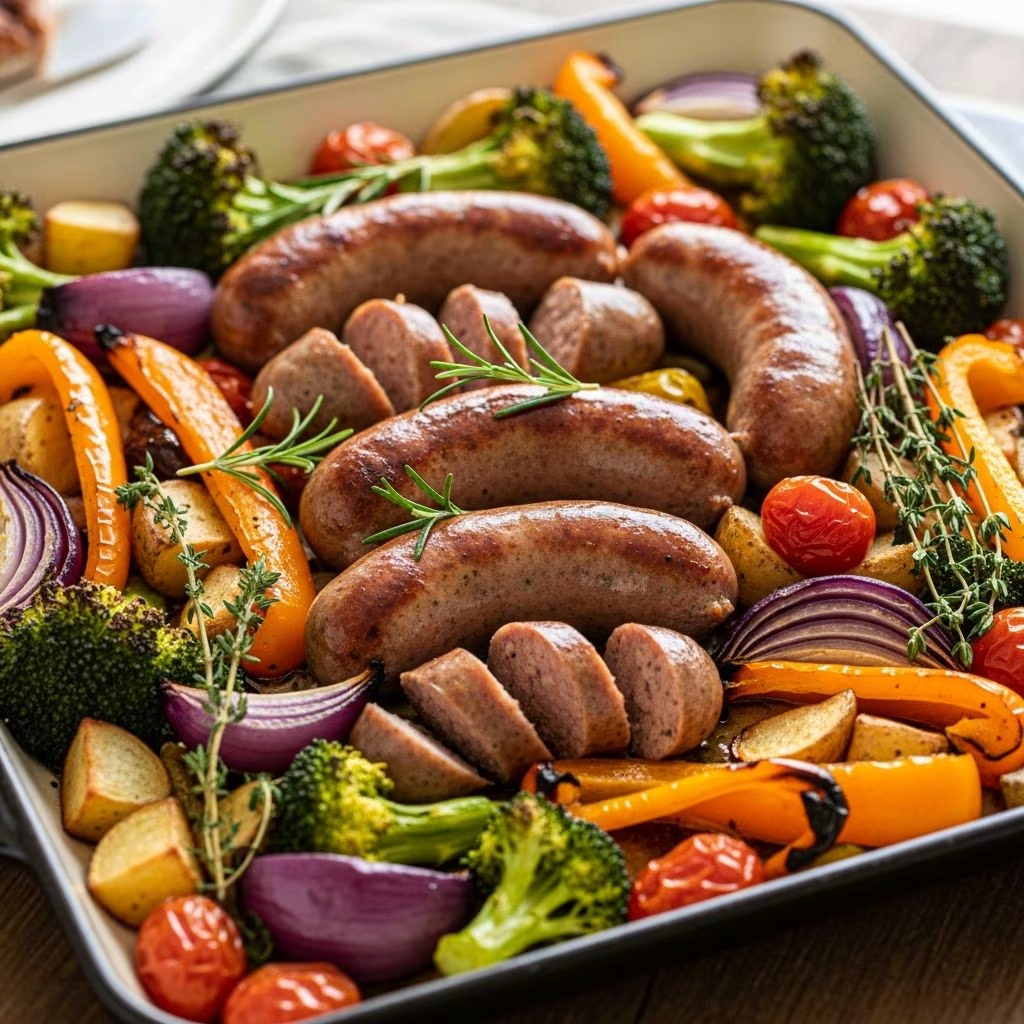
Cooking a complete, satisfying dinner that requires minimal cleanup and preparation time has become increasingly valuable for busy households. The concept of combining protein and vegetables in a single cooking vessel transforms meal preparation into an efficient, stress-free process. This approach to dinner planning eliminates the need to manage multiple pots and pans while delivering a balanced, nutritious meal that appeals to various palates and dietary preferences.
Understanding the Benefits of Single-Pan Cooking
The appeal of preparing an entire dinner on one baking sheet extends beyond simple convenience. This cooking method offers several advantages that make it particularly attractive for weeknight meal planning. When ingredients are combined in a single vessel, flavors meld together as they roast, creating a cohesive dish rather than separate components. Additionally, the reduced number of dishes requiring washing saves both time and water, making this approach environmentally conscious as well as practical.
From a nutritional standpoint, the high-heat roasting process employed in this cooking method helps retain nutrients in vegetables while creating caramelized edges that enhance flavor naturally, without requiring additional fats or processed seasonings. The straightforward nature of this recipe also makes it ideal for meal preparation, allowing you to prepare large batches that can be portioned and refrigerated for several days of ready-made lunches.
Selecting Quality Ingredients for Optimal Results
Choosing the Right Sausage
The foundation of this dish relies heavily on selecting appropriate sausage products. Pre-cooked varieties offer the most convenient option, requiring minimal preparation before roasting. Common choices include smoked sausage, kielbasa, and turkey or chicken sausage varieties, each bringing distinct flavor profiles to the finished dish. The selection between pork, chicken, beef, or specialty sausages depends on personal preference and dietary requirements. Ensuring that your chosen sausage is of high quality enhances the overall eating experience and guarantees better nutritional value compared to lower-grade processed options.
Vegetable Selection and Preparation
The vegetable component of this dish offers tremendous flexibility, allowing customization based on seasonal availability, personal preferences, and household dietary needs. Hardy vegetables that withstand high-heat roasting without becoming mushy make the best choices. Bell peppers in various colors provide sweetness and visual appeal, while broccoli florets add nutrients and textural interest. Root vegetables including sweet potatoes, carrots, and red potatoes contribute earthy flavors and satisfying substance to the meal. Cruciferous vegetables like brussels sprouts and cauliflower become remarkably tender when roasted, developing complex flavors through the caramelization process.
Less conventional additions such as rutabagas and turnips introduce subtle, sophisticated flavors for those seeking to expand their vegetable repertoire. Onions, whether yellow or red varieties, become sweet and mild during roasting, providing aromatic depth without overwhelming other flavors. Green vegetables should be added strategically, either late in the cooking process or with adequate spacing on the pan to prevent overcooking and maintain their structural integrity.
Preparation Methods and Techniques
Initial Setup and Organization
Successful execution of this recipe begins with proper preparation before any cooking occurs. Preheating your oven to the appropriate temperature ensures that vegetables begin caramelizing immediately upon contact with the hot pan surface. Most recipes call for temperatures between 400°F and 425°F, with the exact setting depending on the size and density of your chosen vegetables. Line your baking sheet with either aluminum foil or parchment paper to facilitate cleanup and prevent sticking.
Washing and chopping all ingredients before assembly prevents mid-cooking scrambling and allows you to work methodically through the recipe. Uniformity in cutting size, particularly for vegetables, promotes even cooking throughout the dish. Cutting vegetables into roughly equal pieces ensures that harder vegetables like carrots and sweet potatoes cook at approximately the same rate as softer options like peppers and onions.
Layering and Seasoning Strategy
The arrangement of ingredients on your baking sheet influences both cooking time and final texture. Some preparation approaches involve layering vegetables strategically, beginning with denser vegetables that require longer cooking times and finishing with delicate items that need minimal heat exposure. This layering technique prevents overcooking of softer vegetables while ensuring that root vegetables achieve proper tenderness.
Seasoning applications vary based on personal preference and available ingredients. A simple approach involves coating all ingredients with olive oil before sprinkling with salt and pepper, allowing the natural flavors of high-quality ingredients to shine. More elaborate seasoning blends might incorporate dried herbs such as oregano, thyme, and basil, along with garlic powder or fresh minced garlic for additional complexity. Poultry seasoning blends work particularly well with certain vegetable combinations, providing warmth without overpowering delicate flavors.
Cooking Process and Temperature Considerations
Initial Roasting Phase
The cooking process typically begins by roasting vegetables alone for the first ten to fifteen minutes, allowing harder varieties to begin softening and developing color. This preliminary stage is crucial because it gives dense vegetables a head start before protein is added to the pan. During this phase, vegetables should remain uncovered to allow moisture to evaporate and caramelization to begin.
After the initial roasting period, remove the baking sheet from the oven and add your prepared sausage pieces, ensuring even distribution across the pan surface. This staggered approach prevents the sausage from being overcooked by the time vegetables achieve optimal tenderness. Return the pan to the oven for an additional fifteen to thirty minutes, depending on your chosen vegetables and oven characteristics.
Determining Doneness
Vegetables reach ideal doneness when they are tender yet maintain some structural integrity, often described as crisp-tender. Testing doneness involves piercing vegetables with a fork; they should offer slight resistance rather than being mushy. The sausage should be heated through completely, with a browned exterior indicating proper caramelization. Cooking times vary significantly based on oven calibration, altitude, and the specific sizes and types of vegetables selected, so visual assessment proves more reliable than strict adherence to recommended timeframes.
Flavor Enhancement and Finishing Touches
Upon removal from the oven, the dish benefits from immediate finishing touches that elevate flavor and presentation. Freshly grated Parmesan cheese adds a savory, umami component that complements both sausage and roasted vegetables beautifully. Fresh herbs including parsley, chives, or cilantro provide bright, aromatic notes that counterbalance the richness of the roasted components. A light drizzle of high-quality balsamic vinegar or a squeeze of fresh lemon juice introduces acidity that brightens the overall flavor profile.
Some variations incorporate fresh tomatoes, either added during the final minutes of cooking or layered on top after roasting is complete. These additions introduce juiciness and slight acidity that provide welcome contrast to the caramelized vegetables. Crushed red pepper flakes offer heat for those preferring spicier preparations, while fresh basil introduces Mediterranean aromatics.
Serving Suggestions and Accompaniments
Grain-Based Pairings
While the roasted vegetables and sausage create a complete meal independently, many diners enjoy serving this dish over complementary grains that provide additional substance and absorb the flavorful juices released during roasting. Cooked rice serves as a neutral base that allows the sausage and vegetables to remain the focal point of the meal. Quinoa offers a protein-rich alternative with a slightly nutty flavor that complements robust roasted vegetables. Farro or barley introduce chewy textures and earthy undertones, while polenta provides creamy richness without heaviness.
Salad and Vegetable Accompaniments
Despite the generous vegetable content within the sheet pan preparation itself, additional salads can provide textural contrast and fresh elements. A simple green salad with vinaigrette offers crisp lightness that balances the warmth and richness of the main dish. Broccoli-based slaws contribute crunch and cool refreshment, while dill-flavored vegetable combinations introduce herbal notes that complement savory sausage. Cucumber preparations provide hydrating crispness that proves particularly welcome during warmer months.
Adaptations for Dietary Requirements
Gluten-Free Considerations
This recipe accommodates gluten-free dietary requirements naturally, as the fundamental components—sausage, vegetables, and olive oil—contain no gluten. However, attention to sausage selection proves essential, as some commercially produced varieties incorporate gluten-containing fillers or binders. Selecting certified gluten-free sausage products or those explicitly labeled as gluten-free ensures complete safety for those with celiac disease or gluten sensitivity.
Dairy-Free Adaptations
Eliminating dairy from this recipe requires minimal modification. Simply omit the Parmesan cheese traditionally sprinkled over the finished dish, or substitute with nutritional yeast for a cheese-like flavor without dairy content. The core components of roasted sausage and vegetables require no dairy ingredients, making this approach naturally suitable for those following vegan or dairy-free dietary patterns.
Meal Preparation and Storage
This recipe proves exceptionally valuable for meal preparation routines. Preparing large batches during weekend cooking sessions yields multiple ready-made portions for weekday lunches and dinners. Allow the finished dish to cool completely before transferring to airtight containers suitable for refrigeration. Properly stored, prepared portions remain safely edible for three to four days, though consuming within two days of preparation ensures optimal quality and food safety.
For longer storage, freezing prepared portions is possible, though the texture of vegetables becomes somewhat softer upon thawing. Transfer cooled portions to freezer-safe containers or bags, leaving minimal headspace, and label clearly with preparation dates. Frozen portions remain safe indefinitely but offer best quality within two to three months. Reheating frozen portions requires thawing in the refrigerator overnight followed by gentle warming in a 350°F oven until heated through, preserving texture better than microwave reheating.
Troubleshooting Common Challenges
Uneven Cooking Results
When certain vegetables finish cooking before others, the issue typically involves inadequate spacing on the baking sheet or inconsistent sizing of vegetable pieces. Ensure vegetables are cut into roughly uniform sizes and spread in a single layer without overlapping. Overlapping vegetables tend to steam rather than roast, resulting in extended cooking times and mushy texture.
Burnt or Overly Browned Vegetables
If vegetables are browning excessively before becoming tender, reduce oven temperature by twenty-five degrees and extend cooking time slightly. Additionally, stir vegetables approximately halfway through the roasting process to promote even browning and prevent bottom pieces from burning. Ensuring adequate olive oil coating also prevents excessive browning and promotes even heat distribution.
Pale, Undercooked Vegetables
Vegetables failing to develop proper color and caramelization often results from overcrowding the pan or using insufficient heat. Ensure the oven reaches proper temperature before adding ingredients, and avoid stacking vegetables in multiple layers. If necessary, use two baking sheets rather than cramming ingredients onto one pan.
Frequently Asked Questions
Can I prepare ingredients in advance?
Yes, chopping vegetables and sausage several hours before cooking is entirely feasible. Store prepared components in airtight containers in the refrigerator until ready to combine and roast. However, combining ingredients with oil and seasonings immediately before cooking prevents vegetables from releasing excess moisture that might inhibit proper browning.
What sausage varieties work best?
Pre-cooked sausages offer greatest convenience, though any sausage variety can be used if sliced into one-inch pieces. Smoked sausage, kielbasa, chicken, turkey, and specialty varieties all perform well. Ensure sausage is fully cooked through by the end of the roasting period.
Can I add other vegetables?
Absolutely. Any vegetables that roast well without becoming mushy work effectively. Green beans, asparagus, zucchini, and mushrooms offer delicious variations. Adjust cooking time based on vegetable density, adding delicate varieties late in the process if needed.
Is this recipe freezer-friendly?
Yes, completely cooled portions freeze successfully for two to three months. Thaw in the refrigerator overnight and reheat gently in a 350°F oven. Microwave reheating is possible but may result in softer vegetable texture.
References
- Sheet Pan Sausage and Summer Vegetables — Virginia Willis. https://virginiawillis.com/sheet-pan-sausage-and-summer-vegetables/
- Sheet Pan Sausage and Vegetables — Adventures of Mel. https://adventuresofmel.com/sheet-pan-sausage-and-vegetables/
- 20 Minute Sausage Sheet Pan Dinner — Lemons & Zest. https://lemonsandzest.com/sausage-sheet-pan-dinner/
- Easy Sheet Pan Roasted Sausage & Vegetables — Wildly Organic. https://wildlyorganic.com/blogs/recipes/easy-sheet-pan-roasted-sausage-and-vegetables-gluten-free-and-dairy-free
- Sheet Pan Sausage and Veggies — Stephie Cooks. https://www.stephiecooks.com/smoked-sausage-and-roasted-vegetables/
- Sheet Pan Sausage and Veggies — Chelsea’s Messy Apron. https://www.chelseasmessyapron.com/one-pan-healthy-sausage-and-veggies/