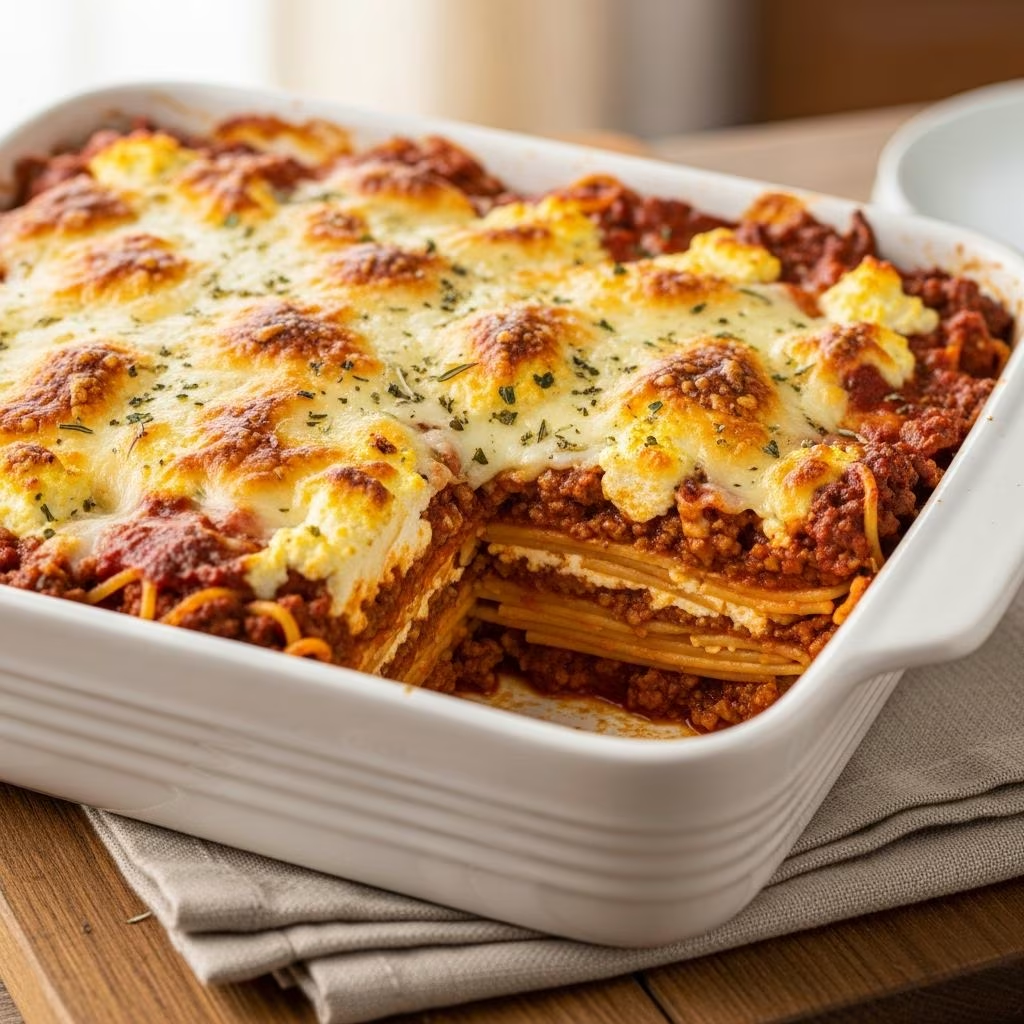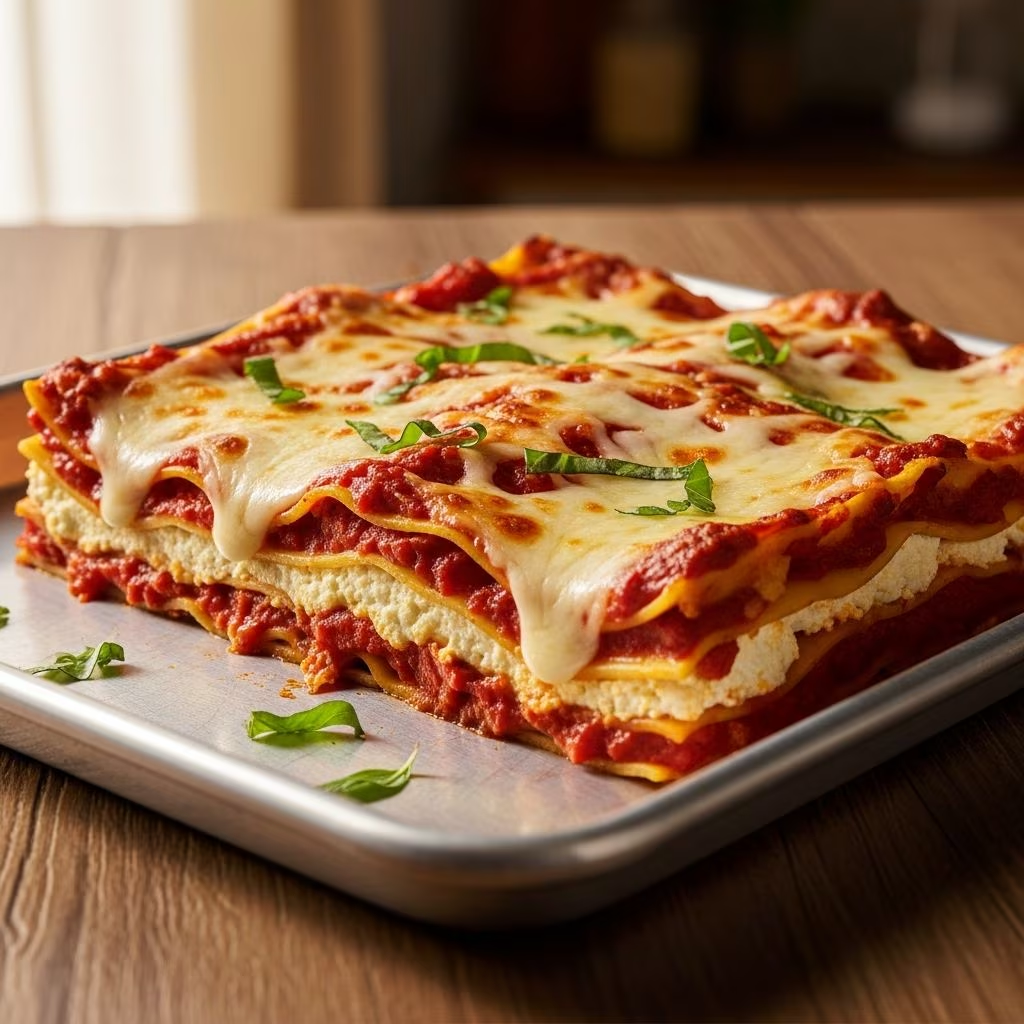
Traditional lasagna requires patience, layering skills, and considerable cleanup effort. The sheet pan version reimagines this Italian classic by combining broken pasta pieces with sauce, cheese, and toppings on a single baking surface. This approach delivers the same comforting flavors while dramatically reducing preparation time and kitchen complexity. Whether you’re feeding a family on a busy weeknight or hosting a casual gathering, this method provides a practical solution for serving homemade lasagna without the traditional stress.
Why Sheet Pan Preparation Transforms Lasagna
The fundamental advantage of sheet pan lasagna lies in its streamlined approach to assembly. Rather than carefully layering individual noodles, sauce, and cheese in a deep dish, this method breaks lasagna sheets into manageable pieces and combines them with other ingredients directly on a wide, flat surface. The increased surface area creates more crispy, browned edges—a textural element that many prefer over the softer interior portions of traditional lasagna. Additionally, the one-pan method minimizes the number of dishes requiring washing, making cleanup more manageable for busy households.
The cooking process also becomes more uniform. With traditional layered lasagna, the bottom sections can become dense while edges may dry out. Sheet pan preparation ensures more consistent heat distribution and moisture retention throughout the dish, resulting in evenly cooked pasta and properly melted cheese across every serving.
Essential Components and Their Functions
Understanding each ingredient’s role helps optimize the final dish:
- Lasagna sheets: Broken into approximately two-inch pieces, these provide the structural foundation. Breaking them before cooking prevents the need for cutting after baking.
- Meat sauce: Ground beef, Italian sausage, or a combination creates a savory base. The meat is browned with aromatics like onions and garlic, then combined with tomato sauce.
- Ricotta mixture: Combined with spinach, garlic, and seasonings, this creamy component adds richness and texture variation. It’s typically dolloped across the assembled dish rather than layered.
- Mozzarella cheese: Low-moisture varieties work best for preventing excess liquid. It’s divided between the meat mixture and the top layer for optimal melting and browning.
- Parmesan cheese: Freshly grated Parmesan adds a sharp, complex flavor that complements the milder mozzarella.
- Tomato sauce: Jarred marinara or prepared tomato sauce provides the acidic, umami-rich foundation for the entire dish.
Preparing the Foundational Meat Sauce
The meat sauce foundation determines the overall flavor profile of your sheet pan lasagna. Begin by heating olive oil in a large pot over medium heat. Add diced onions and minced garlic, cooking until the onions become translucent and the garlic releases its aromatic compounds—typically three to five minutes.
Add ground beef, Italian sausage, or a combination of both, breaking the meat into small pieces as it browns. This stage usually requires eight to ten minutes of cooking. Once the meat has lost its pink color and the fat has rendered, pour in your tomato sauce. Some recipes recommend rinsing the empty sauce jar with water to capture remaining flavor and adjust the sauce consistency. Allow the mixture to simmer for ten to fifteen minutes, enabling flavors to meld and the sauce to thicken slightly.
Season the sauce with salt, pepper, and Italian seasonings to taste. The sauce can be prepared hours ahead and refrigerated, making it convenient for meal planning.
Creating the Ricotta Layer
While the sauce simmers, prepare the ricotta component that will add creaminess and textural contrast. Heat a small amount of olive oil in a skillet and add minced garlic along with fresh spinach. Cook the spinach until completely wilted and any excess moisture evaporates—approximately five to seven minutes. This step prevents a watery final dish.
Transfer the cooled spinach to a bowl and combine it with ricotta cheese, salt, pepper, and optional red pepper flakes for subtle heat. Some variations include a small amount of grated Parmesan mixed into this component. The mixture should be chunky enough to dollop across the assembled dish rather than perfectly smooth.
Assembling the Pan
Preheat your oven to 400-425°F, depending on your specific recipe preferences and oven characteristics. Grease a large sheet pan—typically 12×17 inches or comparable size—with olive oil or cooking spray. Some cooks prefer lining the pan with parchment paper for easier cleanup and more consistent browning on the bottom.
Break the lasagna sheets into approximately two-inch pieces and place them in a large mixing bowl. Pour the prepared meat sauce over the pasta and stir thoroughly, ensuring every piece becomes coated with sauce. The pasta will absorb some sauce during cooking, so adequate coverage at this stage is important.
Add about half of the shredded mozzarella cheese and half of the grated Parmesan to the pasta mixture, stirring gently to distribute evenly. This integration ensures cheese distribution throughout the dish rather than concentrating it only on top.
Spread the combined mixture evenly across the prepared sheet pan, creating a relatively uniform layer. Distribute the ricotta-spinach mixture by placing spoonfuls across the top at regular intervals. Finally, sprinkle the remaining mozzarella and Parmesan over the entire surface.
Baking and Finishing Techniques
Place the assembled sheet pan in the preheated oven and bake uncovered for thirty to forty minutes. The exact timing depends on your oven and the desired level of browning. Look for visual cues indicating doneness: the cheese should be completely melted and golden brown, and the edges should show crispy, deeply browned sections.
Some cooks prefer briefly switching to the broiler setting during the final two to three minutes for additional browning and crispness, though this requires careful monitoring to prevent burning. Conversely, if you prefer softer, less browned cheese, reduce the baking time or lower the oven temperature by twenty-five degrees.
Remove from the oven and allow the lasagna to rest for five to ten minutes before cutting. This resting period allows the cheese to set slightly, making portioning cleaner and presentation more attractive.
Customization Options and Variations
Sheet pan lasagna adapts well to various dietary preferences and ingredient availability. For vegetarian versions, replace the meat with additional sautéed vegetables like zucchini, mushrooms, or bell peppers, or use lentils to create a protein-rich meat substitute. For those avoiding dairy, cashew-based ricotta alternatives or nutritional yeast can replace traditional cheese components, though the final texture will differ.
Protein variations extend beyond traditional beef and sausage combinations. Ground turkey, lamb, or plant-based meat alternatives produce equally satisfying results. Some preparations include both Italian sausage and ground beef for more complex flavor development.
Fresh herbs like basil can be scattered over the top during the final few minutes of baking for brightness. Pesto dolloped with the ricotta mixture adds Mediterranean character. Crushed red pepper integrated into various components increases heat levels for those preferring spicier preparations.
Storage and Make-Ahead Strategies
Sheet pan lasagna stores well when properly cooled and covered. Refrigerate leftovers in an airtight container for up to four days. Reheating can be accomplished in a 350°F oven for fifteen to twenty minutes, covered with foil to prevent cheese from browning excessively.
The dish also freezes successfully. Allow it to cool completely, cut into individual portions if desired, and freeze in freezer-safe containers for up to three months. Thaw overnight in the refrigerator before reheating, or heat from frozen at 350°F for thirty to forty minutes, covered.
For meal planning convenience, prepare the meat sauce days ahead and refrigerate it. The ricotta mixture can also be assembled one day prior. Assembly itself requires only ten minutes, making last-minute preparation feasible for busy schedules.
Troubleshooting Common Issues
| Issue | Cause | Solution |
|---|---|---|
| Watery, soupy lasagna | Excess moisture from spinach or sauce | Cook spinach thoroughly until dry. Use lower-moisture mozzarella. Simmer sauce longer to reduce liquid. |
| Undercooked pasta | Insufficient baking time or low oven temperature | Verify oven temperature with a thermometer. Extend baking time by five to ten minutes. |
| Burnt cheese edges | Oven temperature too high or baking time excessive | Lower oven temperature by twenty-five degrees. Monitor closely during final minutes. |
| Cheese not melting evenly | Uneven assembly or inconsistent oven heat | Spread mixture more uniformly. Rotate pan halfway through baking if oven heat is uneven. |
| Dry lasagna | Insufficient sauce or extended baking | Increase sauce quantity. Reduce baking time. Cover with foil if needed. |
Frequently Asked Questions
Can I use fresh lasagna sheets instead of dried ones?
Yes, fresh sheets can be used, though they require adjustment. Break fresh sheets into two-inch pieces and consider reducing total baking time by ten to fifteen minutes, as fresh pasta cooks more quickly than dried varieties.
What’s the best way to prevent a watery dish?
The most critical step is thoroughly cooking spinach until all moisture evaporates. Additionally, use low-moisture mozzarella rather than fresh mozzarella. Allow the sauce to simmer adequately before combining with pasta.
How does sheet pan lasagna differ nutritionally from traditional layered lasagna?
The sheet pan version typically contains more crispy, browned edges which add minimal nutritional difference. The fundamental ingredients remain identical, so caloric and macronutrient content is comparable.
Can I make this in a regular 9×13 baking dish?
Absolutely. A 9×13 dish holds the same quantity of lasagna as a larger sheet pan. Baking time may increase by five to ten minutes due to greater depth. The edges won’t brown as dramatically, but the results remain delicious.
What sauce works best for sheet pan lasagna?
Marinara, meat sauce, or combinations thereof work well. Avoid overly watery sauces. Jarred varieties provide consistent results, though homemade sauce offers more flavor control.
Serving Suggestions and Complementary Dishes
Sheet pan lasagna serves as a complete meal when paired with simple accompaniments. A crisp green salad dressed with vinaigrette provides acidic balance and fresh textural contrast. Garlic bread or toasted breadsticks complement the dish without overshadowing it. Steamed broccoli or roasted vegetables offer lighter vegetable components.
For beverages, red wines like Chianti or Sangiovese pair traditionally with lasagna. Italian-inspired beverages such as sparkling lemonade or herbal iced tea provide lighter alternatives for non-wine drinkers.
Dessert pairings follow Italian tradition. Tiramisu, panna cotta, or simple gelato conclude the meal pleasantly without excessive heaviness following the substantial main course.
Conclusion
Sheet pan lasagna represents a practical evolution of a beloved classic, maintaining the comfort and satisfaction of traditional preparation while reducing complexity. The streamlined assembly process, minimal cleanup, and superior texture—particularly the abundance of crispy edges—make this approach increasingly popular among home cooks managing busy schedules. Whether preparing a weeknight family dinner or entertaining guests, this method delivers authentic Italian-American comfort food without requiring advanced culinary skills or extensive time investment. With the customization options available and straightforward troubleshooting approaches, home cooks of any experience level can produce restaurant-quality results reliably.
References
- Ultimate Sheet Pan Lasagna Recipe — Red Gold Tomatoes / Tuttorosso. 2024. https://www.redgoldtomatoes.com/tuttorosso/recipe/ultimate-sheet-pan-lasagna-inspired-by-giada-de-laurentiis/
- Sheet Pan Lasagna Recipe: Easy Method — Feel Good Foodie. 2023. https://feelgoodfoodie.net/recipe/sheet-pan-lasagna/
- Easy Sheet Pan Lasagna — Salt n Pepper Here. 2024. https://www.saltnpepperhere.com/blog/sheet-pan-lasagna
- Easy Sheet Pan Lasagna — The Recipe Critic. 2023. https://therecipecritic.com/sheet-pan-lasagna/
- Sheet Pan Lasagna: The Ultimate Comfort Food — The East Coast Kitchen. 2024. https://theeastcoastkitchen.com/sheet-pan-lasagna-recipe-the-ultimate-comfort-food/