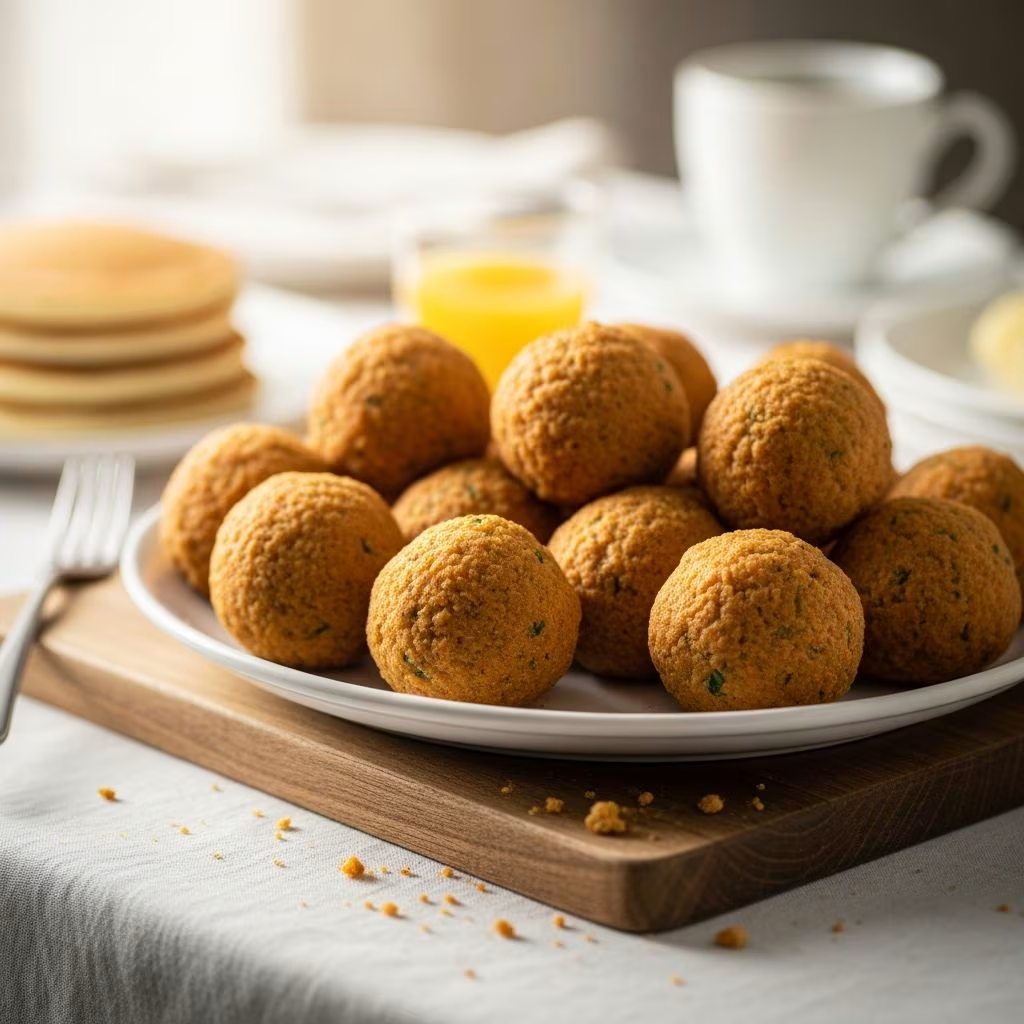
Preparing food for guests doesn’t have to be complicated or time-consuming. One of the most reliable and crowd-pleasing options is a batch of perfectly baked sausage balls. These savory bite-sized treats have become a staple at gatherings, brunches, and casual entertaining occasions. What makes them particularly appealing is their simplicity—the recipe requires minimal ingredients and can be prepared in under an hour from start to finish.
The beauty of this recipe lies in its straightforward approach. Rather than juggling multiple components or specialized cooking techniques, you combine a few pantry staples, form them into small spheres, and let the oven handle the rest. Whether you’re hosting a holiday party, preparing a brunch for friends, or simply want a satisfying breakfast option, sausage balls deliver consistent results with virtually no fuss.
Understanding the Origin of This Simple Recipe
The traditional formula for this dish gets its name from its ingredient ratio. The most common version uses three parts of a baking mix product, two parts cheese, and one part sausage—hence the memorable naming convention. This simple mathematical approach makes the recipe easy to remember and scale up or down depending on how many servings you need.
This proportional method has made the recipe popular among home cooks seeking an uncomplicated approach to entertaining. Rather than consulting lengthy ingredient lists and complex instructions, anyone can remember the basic ratio and confidently prepare a batch of these bites. The naming convention has also contributed to the recipe’s enduring popularity, as it’s easily searchable and memorable for those looking to recreate it at home.
Essential Ingredients and Their Roles
Creating quality sausage balls starts with understanding what each ingredient contributes to the final product. The three main components work together to create the texture, flavor, and binding necessary for successful results.
The Binding Agent: Baking Mix
The primary structural component of sausage balls is a pre-made baking mix product. This ingredient serves multiple functions simultaneously. It provides the dry base that helps bind the sausage and cheese together, creates a slightly crumbly exterior during baking, and contributes to the overall texture of the finished product. The baking mix already contains leavening agents and salt, which means you don’t need to add these components separately.
If you find yourself without commercial baking mix on hand, you can create a suitable substitute by combining all-purpose flour with baking powder and salt. Incorporating a small amount of butter or fat into this homemade mixture will provide moisture content similar to the commercial product.
The Protein Foundation: Sausage Selection
Breakfast sausage forms the flavor backbone of this recipe. You have considerable flexibility in choosing which type suits your preferences and dietary needs. Popular options include sage-flavored varieties, original breakfast sausage, spicy versions, and even maple-infused options. The key consideration is ensuring the sausage is at room temperature before mixing, as this helps it incorporate more evenly throughout the batch.
When selecting sausage, quality matters. Testing different brands can help you identify your preferred option, as flavor profiles and fat content vary between manufacturers. Ground pork sausage remains the traditional choice, though you may experiment with alternatives if desired.
The Flavor Enhancer: Cheese
Cheese adds essential moisture and rich flavor to every bite. Cheddar cheese in its sharp variety is widely used, though you have options ranging from mild cheddar to blended varieties like Colby Jack or pepper jack. The critical difference between success and disappointment often comes down to whether you use freshly shredded cheese or pre-packaged varieties.
Freshly shredded cheese from a block produces superior results compared to pre-shredded options. The difference lies in the anti-caking agents added to pre-shredded varieties, which can affect how the cheese melts and incorporates into the mixture. If possible, invest the extra few minutes to shred your own cheese, as this one step significantly impacts the final texture and flavor of your finished sausage balls.
Preparation and Mixing Techniques
The actual preparation process moves quickly once you’ve assembled your ingredients. The key to success involves understanding the proper mixing method and avoiding common mistakes.
Combining Ingredients Properly
Place all components in a large mixing bowl and combine them gently by hand. This gentle approach prevents overworking the mixture, which can result in tough, dense sausage balls rather than ones with a pleasant crumbly texture. Using your hands allows you to feel when the ingredients have distributed evenly throughout the mixture without applying excessive pressure.
Some recipes include an additional liquid component like water or milk to adjust the mixture’s consistency. If your mixture appears particularly dry, adding a quarter to half cup of liquid can help achieve a more workable consistency. However, this step is optional and depends on factors like the moisture content of your specific sausage brand.
Forming the Balls
Once combined, scoop the mixture using a tablespoon measure or small cookie scoop. This ensures consistent sizing, which promotes even cooking throughout your batch. Gently roll each scoop between your palms to form a ball approximately one inch in diameter. Avoid compressing the mixture tightly, as this creates dense, heavy results rather than light, tender balls.
Baking Process and Temperature Control
Proper oven temperature and timing are critical for achieving perfectly cooked sausage balls. Most recipes call for preheating your oven to 350°F, though some variations suggest temperatures up to 375°F. The lower temperature tends to allow more even cooking, while higher temperatures may brown the exterior more quickly.
Prepare your baking sheet by lining it with parchment paper or aluminum foil, then lightly spray with non-stick cooking spray. Arrange the formed balls on the sheet with approximately one inch of space between each one, allowing hot air to circulate evenly. Depending on your oven and ball size, baking typically takes between 12 and 30 minutes. The exact time varies based on oven characteristics and whether you’ve created smaller or larger balls.
You’ll know the sausage balls are finished when they achieve a golden-brown exterior and the sausage reaches an internal temperature of 145°F. If you have a meat thermometer available, this provides the most reliable way to confirm doneness without cutting into the balls.
Serving and Storage Strategies
These bites are best enjoyed warm, straight from the oven. However, several options exist for keeping them warm and fresh if you’re preparing them for an event or party.
Immediate Serving
Once removed from the oven, allow the sausage balls to cool for a few minutes on the baking sheet. Transfer them to a paper towel to absorb any excess grease, then serve while they’re still warm. This timing captures the best texture and flavor.
Keeping Them Warm for Events
If you need to maintain a batch at serving temperature for an extended period, transfer them to a slow cooker set on the warm setting. This method keeps them at the ideal temperature without continuing to cook them and potentially drying them out. Alternatively, keeping them in a 200°F oven will maintain their warmth for several hours.
Freezing for Later
You can freeze uncooked sausage balls for future use. Arrange formed but unbaked balls on a baking sheet and freeze until solid, then transfer to a freezer container or bag. When ready to bake, place frozen balls directly on a prepared baking sheet and add approximately five extra minutes to the normal baking time, or until they reach the proper internal temperature.
Customization and Flavor Variations
While the basic formula remains consistent, several variations allow you to tailor sausage balls to your specific preferences and available ingredients.
Seasoning Additions
Beyond the natural flavors of the sausage and cheese, you can incorporate additional seasonings. Italian seasoning, cayenne pepper for heat, or other dried herbs complement the savory base. Add these cautiously—start with quarter-teaspoon amounts and adjust based on your taste preferences.
Cheese Variations
Experimenting with different cheese types allows you to create different flavor profiles. Pepper jack cheese adds subtle heat, while sharp cheddar intensifies the cheesy flavor. You might even combine two cheese varieties for added complexity.
Sausage Type Selection
The sausage you choose dramatically impacts the final flavor. Sage-flavored varieties create a more herbaceous profile, while maple sausage adds subtle sweetness. Exploring these options lets you create signature versions suited to different occasions.
Troubleshooting Common Issues
| Issue | Likely Cause | Solution |
|---|---|---|
| Dry, dense texture | Overmixing or insufficient moisture | Mix gently by hand and consider adding liquid component |
| Balls falling apart during baking | Insufficient binding or balls too large | Use smaller portions and ensure even mixing |
| Undercooked interior | Balls too large or oven temperature too high | Form smaller balls or reduce oven temperature slightly |
| Excessive grease pooling | High-fat sausage or overcrowded baking sheet | Use paper towels to drain and space balls further apart |
Frequently Asked Questions
Can I prepare these in advance?
Yes, you can form the mixture into balls and refrigerate them for several hours before baking. Frozen uncooked balls also bake successfully—simply add a few minutes to the standard baking time. This makes the recipe convenient for advance party preparation.
What should I serve with sausage balls?
These versatile bites work well alongside breakfast items like fruit, yogurt, or pastries for brunch occasions. At parties or events, they pair nicely with dips, cheese boards, or vegetable platters.
How many servings does one batch make?
Depending on exact ingredient quantities and ball size, a standard batch typically yields 20 to 45 pieces. The yield varies based on how large you form each ball.
Are these suitable for dietary restrictions?
The basic recipe contains gluten from the baking mix and is not vegetarian. However, gluten-free baking mixes exist as substitutes for those with celiac disease or gluten sensitivity. Vegetarian protein alternatives could potentially work, though results may differ from traditional versions.
Can I reheat leftover sausage balls?
Yes, reheated sausage balls work well. Place them in a 350°F oven for about five minutes to refresh them, or microwave individual balls for 15-20 seconds. Reheating in the oven preserves texture better than microwaving.
Conclusion
Sausage balls represent an ideal recipe for anyone seeking impressive yet uncomplicated entertaining options. With minimal ingredients, straightforward preparation, and reliable results, they consistently deliver satisfaction to guests and family members alike. Whether you’re hosting a formal brunch, casual gathering, or simply preparing a satisfying breakfast, this recipe proves that delicious food doesn’t require extensive cooking knowledge or complicated procedures. By understanding the role each ingredient plays and mastering basic technique, you can confidently prepare batches of these savory bites whenever the occasion calls for them.
References
- Bisquick Sausage Balls (3 Ingredients!) — Food Lovin Family. Accessed 2026. https://www.foodlovinfamily.com/321-sausage-balls/
- Bisquick Sausage Balls (3 Ingredients!) — Belle of the Kitchen. Accessed 2026. https://belleofthekitchen.com/bisquick-sausage-balls-3-ingredients/
- Party Favorite Cream Cheese Sausage Balls Recipe — Splendry. Accessed 2026. https://www.splendry.com/food/recipes-food/party-favorite-cream-cheese-sausage-balls/
- Classic Bisquick Sausage Balls—A Southern Favorite — Gonna Want Seconds. Accessed 2026. https://www.gonnawantseconds.com/bisquick-sausage-balls/
- 3-Ingredient Sausage Balls! The Perfect Party Food! — Maple Jubilee. Accessed 2026. https://maplejubilee.com/sausage-balls/