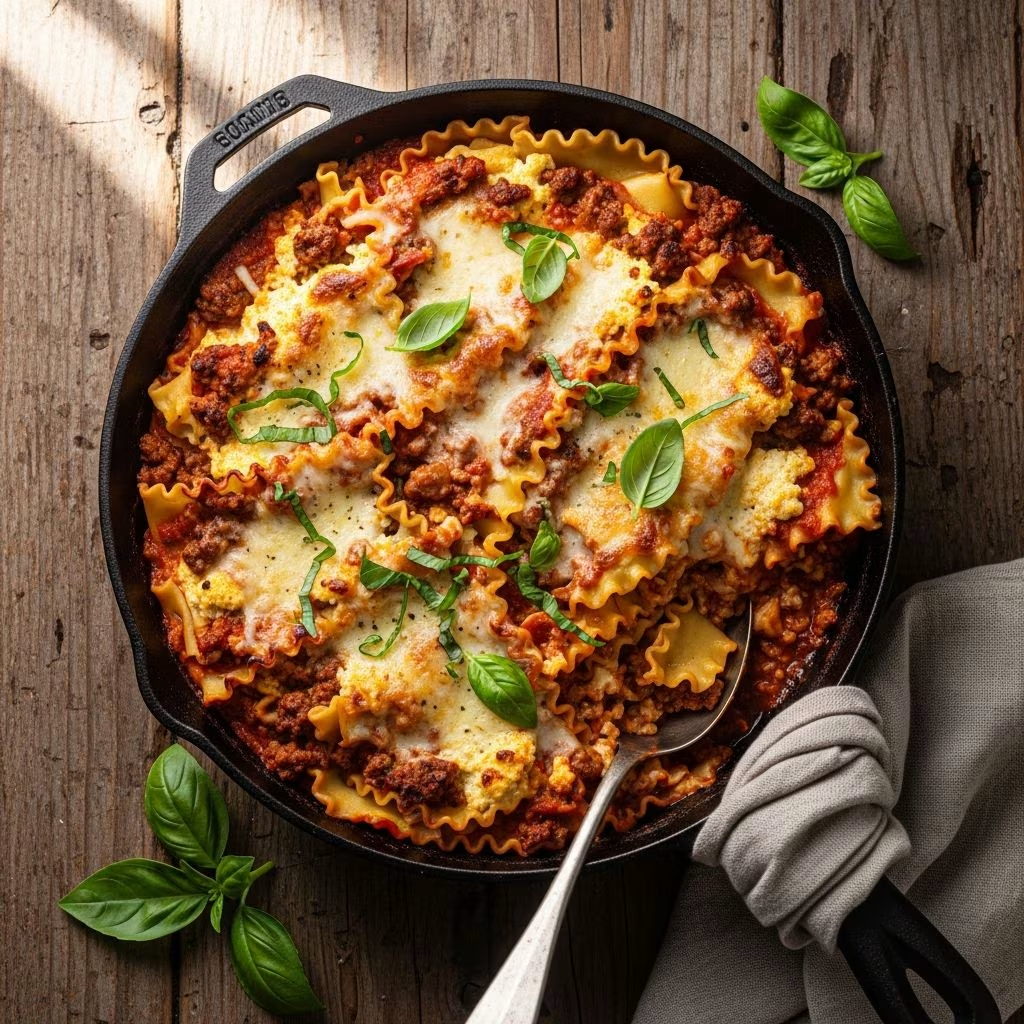
Sauerkraut casseroles offer a unique blend of tangy fermented cabbage with rich proteins and creamy elements, creating comforting dishes rooted in European culinary traditions. These oven-baked meals layer simple ingredients for maximum flavor with minimal effort, ideal for family gatherings or casual dinners.
Why Sauerkraut Shines in Casseroles
The fermented nature of sauerkraut provides probiotics and a sharp tang that cuts through fatty meats and cheeses, balancing the dish’s richness. Its texture holds up well during baking, absorbing surrounding flavors while retaining crunch if not overcooked. Common pairings include ground beef for heartiness, sausage for smokiness, or noodles for a pasta-like twist.
Essential Ingredients for Success
Core components across variations include:
- Sauerkraut: Drained canned or bagged, about 2-3 cups per recipe.
- Protein: Ground beef, kielbasa, or bacon for depth.
- Binders: Sour cream, cream soups, or tomato soup for moisture.
- Cheese: Swiss, cheddar, or mozzarella for melty topping.
- Starches: Rice, noodles, or potatoes for bulk.
- Aromatics: Garlic, onions, peppers for savoriness.
Season with salt, pepper, and sometimes brown sugar to mellow acidity.
Classic Ground Beef and Sauerkraut Bake
This straightforward version emphasizes layers of beef and kraut under a cheesy crust. Preheat oven to 350°F. Brown 2 cups ground beef with chopped garlic and onions in olive oil. In a greased 9×13 dish, spread 1 cup sauerkraut, top with beef mixture, more kraut, sour cream, and 2 cups shredded cheese. Cover with foil and bake 45 minutes; uncover last 10 for browning. Total time: 55 minutes. Serves 6.
Sausage and Rice Sauerkraut Layered Dish
For a smoky twist, use sliced kielbasa or smoked sausage. Layer uncooked rice at the bottom of a sprayed 9×13 pan, followed by drained sauerkraut, sausage slices, diced green peppers, and onions. Pour diluted tomato soup (1 can soup + 1 can water) over top. Cover and bake at 350°F for 45-50 minutes until rice absorbs liquid. This method cooks the rice in the casserole’s juices for infused flavor.
Noodle-Based Swiss Kraut Casserole
Incorporate egg noodles for a macaroni-like texture. Cook 8 oz noodles al dente. Brown 1.5 lbs ground beef with onion, salt, and pepper. Mix noodles, beef, undrained 32 oz sauerkraut, two cans cream of chicken soup, and 1 cup Swiss cheese in a 3-quart dish. Bake uncovered at 350°F for 45 minutes, add remaining cheese, bake 5-10 more until melted. Garnish with red onion for bite.
Ingredient Comparison Table
| Recipe Variation | Protein | Starch | Binder | Cheese | Bake Time |
|---|---|---|---|---|---|
| Ground Beef Bake | Ground beef | None | Sour cream | Shredded (any) | 45 min |
| Sausage Rice | Kielbasa | Rice | Tomato soup | Optional | 45-50 min |
| Noodle Swiss | Ground beef | Egg noodles | Cream soup | Swiss | 50-55 min |
Potato and Ham Sauerkraut Comfort Bake
Transform leftovers into a meal with sliced potatoes, diced ham or kielbasa, and sauerkraut. Mash potatoes with stock, milk, butter, and nutmeg for a top layer. Sauté bacon, mix with kraut and cream, layer over meat, and crown with mash. Bake at 350°F for 35 minutes. Prep: 10 minutes. This nods to German home cooking.
Tips for Perfect Texture and Flavor
- Drain kraut well: Excess liquid makes soggy casseroles; rinse if too tangy.
- Brown meats first: Builds fond for deeper taste.
- Foil trick: Steam initially, then crisp top.
- Sweeten if needed: 3/4 cup brown sugar counters sharpness in sweeter versions.
- Make-ahead: Assemble day before, bake fresh.
- Freezing: Portion in foil pans up to 3 months.
Health Benefits and Nutritional Notes
Sauerkraut adds fiber, vitamins C and K, and gut-friendly bacteria. Paired with lean beef or turkey sausage, these dishes provide protein (30-40g per serving) with moderate carbs from starches. Opt for low-sodium kraut and light sour cream to reduce intake. A serving offers around 500-700 calories, balancing indulgence with nutrition.
Customizations for Dietary Needs
Low-Carb: Skip starches, use cauliflower rice.
Vegetarian: Swap meat for mushrooms, lentils.
Gluten-Free: Rice or gluten-free noodles.
Dairy-Free: Coconut cream, vegan cheese.
Adjust spices like caraway seeds for authenticity.
Pairing Suggestions
Serve with rye bread, mustard, or green salad. Beers like German lagers complement tang; wines such as Riesling match acidity.
Frequently Asked Questions
Can I use fresh sauerkraut?
Yes, but drain thoroughly; homemade is tangier, so taste-test.
How do I reduce sourness?
Rinse kraut or add brown sugar/applesauce.
What’s the best cheese?
Swiss for mild nuttiness, cheddar for sharpness.
Can I cook on stovetop?
Simmer layers in a deep skillet 20-25 minutes, but oven yields better meld.
How long does it keep?
Refrigerate 3-4 days; reheat at 325°F covered.
Conclusion: A Versatile Family Staple
Sauerkraut casseroles adapt to pantries and preferences, delivering bold flavors in one dish. Experiment with layers for your signature version.
References
- Sauerkraut Casserole Recipe with Ground Beef — lowcarb-nocarb.com. 2023. https://www.lowcarb-nocarb.com/sauerkraut-casserole/
- Easy Sauerkraut Casserole — Plowing Through Life. 2022. https://plowingthroughlife.com/easy-sauerkraut-casserole/
- Swiss Sauerkraut Casserole Recipe — BettyCrocker.com. 2024-01-15. https://www.bettycrocker.com/recipes/swiss-sauerkraut-casserole/4db0718f-1171-4653-94fa-4a388abe0963
- German Sauerkraut Casserole with Ham or Kielbasa — quick-german-recipes.com. 2023. https://www.quick-german-recipes.com/german-sauerkraut.html