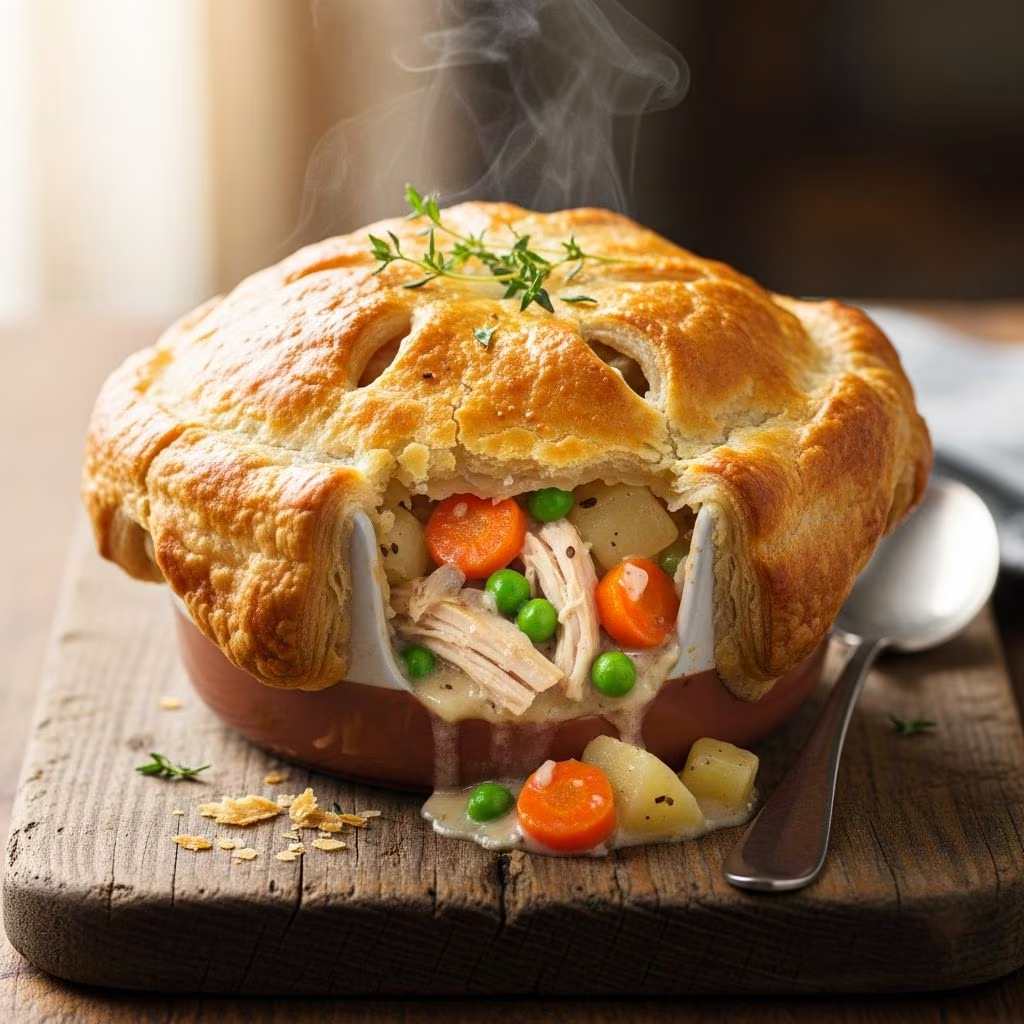
When time is limited and hunger calls, few dishes satisfy like a warm, creamy chicken pot pie. The beauty of this classic comfort food lies not only in its rich, savory filling and tender chicken but also in the many ways you can streamline its preparation. By leveraging pre-cooked rotisserie chicken and store-purchased pie dough, you can transform what might otherwise be an all-day cooking project into a manageable weeknight meal. This approach preserves all the soul-warming qualities of homemade pot pie while respecting the realities of busy schedules.
Why Rotisserie Chicken Makes This Dish Accessible
The rotisserie chicken has revolutionized home cooking for those seeking shortcuts without sacrificing quality. Rather than spending hours roasting a whole bird or boiling chicken breasts, you can purchase a fully cooked rotisserie chicken at virtually any grocery store. The meat is already tender, flavorful, and ready to shred or chop. This single ingredient eliminates one of the most time-consuming steps in traditional pot pie preparation. The seasoning already embedded in rotisserie chicken—typically a blend of herbs and spices—also means your filling benefits from pre-existing flavor depth that would otherwise require additional effort to develop.
Beyond convenience, rotisserie chicken offers consistency. Each bird is prepared using standardized techniques, ensuring reliable results meal after meal. The slight smokiness and deeper color of rotisserie meat compared to plain poached chicken adds dimension to your filling, creating a more complex, restaurant-quality flavor profile without the complexity of preparation.
Building Your Filling Foundation
The foundation of any exceptional pot pie filling begins with aromatic vegetables and proper flavor development. The classic combination of onion and celery provides the flavor base—these vegetables have been paired in cooking for generations because their complementary profiles create depth and balance.
To begin, heat oil in a large, heavy-bottomed pan over medium-high heat. Once the pan is adequately hot, add finely chopped onions and celery. The goal is not simply to cook these vegetables but to soften them completely while encouraging them to release their natural sugars. This process typically requires three to five minutes of consistent stirring. You’ll notice the vegetables transition from firm and translucent to soft and beginning to caramelize at the edges.
Once your aromatic vegetables have softened, introduce your dry seasonings—garlic powder, paprika, and poultry seasoning create a well-rounded flavor profile. Toast these seasonings for approximately one minute by stirring constantly. This brief heating step awakens the spices’ essential oils and ensures they distribute evenly throughout the filling, preventing pockets of concentrated flavor or bland spots.
Incorporating Your Main Components
With your aromatics and seasonings established, you’re ready to add the remaining filling elements. Pour in your mixed vegetables—a combination of carrots, peas, corn, and green beans provides textural variety and visual appeal. These vegetables contribute natural sweetness that balances the savory chicken and rich cream components. If you’re using frozen vegetables, thaw and drain them first to prevent excess moisture in your filling.
Next, add your shredded or chopped rotisserie chicken. Approximately two cups from half a rotisserie chicken typically provides the right proportion of protein to sauce. Pour in chicken broth and reduce the heat to medium-low. Allow the mixture to reach a gentle simmer—this isn’t the time for aggressive boiling, which can break down vegetables and create an unappealing texture.
After a few minutes of simmering, pour in your milk. This is where the filling transitions from a thin broth to the characteristic creamy consistency that defines a proper pot pie. To achieve the ideal texture, create a slurry by mixing cornstarch with cold water in a small bowl, stirring until no lumps remain. Stir this mixture into your simmering filling and cook for approximately two minutes, stirring frequently. You’ll observe a visible transformation as the filling thickens and becomes glossy, coating the back of a spoon.
The Importance of Proper Dough Handling
Store-bought pie crusts are a revelation for home cooks seeking to eliminate the stress of dough preparation. These refrigerated crusts are already rolled and ready to use, though they benefit from remaining chilled until assembly. The cold dough is more manageable, less likely to tear, and will produce a better crust once baked.
When it’s time to assemble, transfer one pie crust to your pie plate as the bottom layer. This creates a barrier between the filling and the plate while providing a cooked crust that holds its structure. Pour your finished filling directly over this bottom crust—the heat from the filling shouldn’t cook the crust, but the residual warmth helps it begin to set slightly.
For the top crust, remove it from refrigeration and unroll it carefully. Position it directly over the filling, then use your fingertips to gently seal the edges where the two crusts meet. This sealing step isn’t merely for appearance; it creates a seal that helps trap steam inside the pie, keeping the filling moist and preventing it from bubbling over onto your oven floor.
Venting and Surface Treatment
One of the most critical steps in pot pie preparation involves creating vents in the top crust. Using a sharp knife, make a cross-shaped incision at the center of your pie or several smaller slits distributed across the surface. These openings serve an essential purpose: they allow steam to escape gradually during baking. Without proper venting, steam accumulates under the crust, creating pressure that can cause the top to become soggy rather than golden and crispy.
The final aesthetic touch involves brushing the top crust with milk or an egg wash. Milk creates a subtle shine and gentle browning, while an egg wash—one beaten egg combined with a tablespoon of water—produces a more pronounced golden-brown finish with a slight sheen. Apply this coating with a pastry brush or the back of a spoon, covering the entire top surface but being careful not to let it pool in the vents.
To prevent the pie edges from browning too quickly or burning, wrap the crimped edges with aluminum foil. This protective layer should remain in place for most of the baking time, only being removed in the final five minutes to allow the edges to achieve even browning with the rest of the crust.
Baking Strategies for Optimal Results
Preheat your oven to 425°F (220°C) for this recipe. The high temperature ensures the pie crusts bake through and develop a golden exterior before the filling begins to leak or the crust becomes overly dark. Bake for approximately 40 to 50 minutes, depending on your specific oven and the exact thickness of your pie.
The pie is done when the crust achieves a deep golden-brown color and you observe slight filling beginning to bubble through the vents. This bubbling indicates the filling has reached its proper temperature throughout. If you’re uncertain about doneness, a quick oven thermometer inserted into a vent can confirm the filling has reached at least 165°F (74°C).
The Critical Resting Period
After removing your pot pie from the oven, resist the temptation to cut into it immediately. Allow it to rest for at least ten minutes on the countertop. This resting period serves multiple purposes. The filling, which is extremely hot, begins to set as it cools slightly. This setting process allows the cornstarch slurry to achieve its full thickening power, resulting in a filling that holds together when served rather than running across the plate. Additionally, this rest time allows excess steam to vent away, preventing the interior from becoming overly moist.
Ingredient Variations and Substitutions
While the basic formula for rotisserie chicken pot pie is straightforward, numerous variations allow personalization:
- Vegetable combinations: Beyond the standard mixed vegetable medley, consider additions like diced potatoes, fresh peas, mushrooms, or broccoli florets for textural variation and nutritional balance.
- Cream options: While milk creates a lighter filling, heavy cream produces a richer, more indulgent result. A combination of both often provides optimal balance.
- Seasoning profiles: Traditional poultry seasoning and herbs work beautifully, but Italian seasoning, thyme, or even a hint of white wine can redirect the flavor profile toward different culinary traditions.
- Protein alternatives: Turkey, particularly rotisserie turkey, works identically to chicken. Some cooks add bacon or pancetta for additional savory depth.
- Crust options: While store-bought crusts are convenient, homemade pie dough, puff pastry, or even biscuit topping creates different textural experiences.
Storage and Reheating Guidance
A completed pot pie refrigerates well for up to three days when covered tightly. Reheat individual portions in a 350°F (175°C) oven for approximately 15 to 20 minutes, or microwave single servings at reduced power to prevent the filling from overheating and becoming watery.
Uncooked assembled pies freeze successfully for up to three months when wrapped carefully in plastic wrap and placed in an airtight container. When ready to bake, add approximately 15 to 20 minutes to the cooking time and cover the edges with foil as usual.
Serving Suggestions and Pairings
Rotisserie chicken pot pie stands alone as a complete meal, providing protein, vegetables, and grains within a single dish. However, simple accompaniments enhance the dining experience. A fresh green salad with vinaigrette provides textural contrast and acidity that balances the filling’s richness. Steamed or roasted vegetables like broccoli, Brussels sprouts, or green beans add nutritional value without competing with the pot pie for attention. A simple crusty bread suitable for soaking up any sauce that pools on the plate completes the meal.
Why This Recipe Works for Weeknight Cooking
The success of this simplified pot pie approach lies in understanding which steps in traditional recipes actually impact final results and which exist primarily due to culinary tradition. By maintaining the fundamental components—tender chicken, flavorful filling, proper thickening, and quality crust—while eliminating unnecessary complexity, you preserve the dish’s essential character while respecting real-world time constraints. The result is a genuine pot pie experience achievable on a Tuesday evening rather than reserved for weekend cooking projects.
References
- Easy Rotisserie Chicken Pot Pie Dinner — Laura Fuentes. 2024. https://www.laurafuentes.com/rotisserie-chicken-pot-pie/
- Easy Chicken Pot Pie — Spicy Southern Kitchen. 2024. https://spicysouthernkitchen.com/easy-chicken-pot-pie/
- Best Chicken Pot Pie Recipe — The Pioneer Woman. 2024. https://www.thepioneerwoman.com/food-cooking/recipes/a11686/pot-pie/