Ricotta gnocchi represents one of the most approachable ways to create homemade pasta without the complexity of traditional potato-based varieties. Unlike their heavier counterparts, these delicate dumplings rely on the natural creaminess of ricotta cheese to achieve their signature light and fluffy texture. The beauty of this preparation lies in its simplicity—requiring just a handful of pantry staples and approximately twenty minutes of active preparation time. Whether you’re a seasoned cook or someone exploring pasta-making for the first time, ricotta gnocchi offers an accessible entry point into the world of fresh, handmade Italian cuisine.
Understanding Ricotta Gnocchi Fundamentals
Ricotta gnocchi, sometimes referred to as gnudi in certain Italian regions, occupies a unique position in pasta-making. The dough composition differs significantly from traditional gnocchi, which relies heavily on potatoes to create structure. With ricotta as the primary ingredient, this version achieves its distinctive character through the combination of cheese, eggs, and minimal flour. The resulting texture is noticeably lighter and more delicate, with a subtle richness that comes directly from the cheese itself rather than from starches.
The technique for making ricotta gnocchi emphasizes proper moisture management and gentle handling. Because ricotta cheese naturally contains moisture, removing excess water before mixing becomes essential to prevent the dough from becoming too wet and difficult to shape. This foundational step determines whether your final product will have the desired tender consistency or an undesirable gummy texture.
Essential Ingredients for Quality Results
The Role of Each Component
Creating successful ricotta gnocchi begins with understanding how each ingredient contributes to the final dish. Rather than viewing ingredients simply as a checklist, recognizing their individual functions allows for better decision-making when variations become necessary.
- Whole Milk Ricotta Cheese: This serves as the foundation of your gnocchi. The higher fat content in whole milk ricotta creates a creamier dough compared to skim varieties, resulting in superior texture and flavor. When selecting ricotta, opt for the highest quality available, as this cheese represents the starring ingredient rather than a supporting player. The amount typically ranges from fifteen to sixteen ounces, providing enough volume for a substantial serving.
- Eggs and Egg Yolks: These ingredients function as binders, holding the mixture together while also incorporating air that contributes to the light, airy texture. Most recipes call for one whole egg plus additional yolks, which add richness and smoothness to the dough without introducing excess moisture from the whites.
- Freshly Grated Parmesan Cheese: This ingredient adds depth and a subtle nutty flavor that complements the mild sweetness of ricotta. Pre-grated varieties often contain anti-caking agents that can negatively impact texture, so investing in block parmesan and grating it yourself makes a noticeable difference.
- All-Purpose or Type 00 Flour: This provides the structure needed to bind ingredients while maintaining the delicate character of the finished gnocchi. Type 00 flour, with its fine texture, produces particularly tender results, though all-purpose flour works excellently as well.
- Salt and Pepper: These seasonings enhance the natural flavors already present in the cheese components.
Optional Enhancement Ingredients
Beyond the basic components, several optional additions can elevate the flavor profile of your ricotta gnocchi. Fresh herbs such as basil, sage, or parsley integrate beautifully when finely minced and added to the dough. Lemon zest brings brightness and complexity, while finely minced garlic adds savory depth. Some preparations include a whisper of nutmeg, which enhances the cheese flavors without becoming noticeable as a distinct ingredient.
Step-by-Step Preparation Process
Preparing the Ricotta
Begin by placing your ricotta in a fine-mesh strainer lined with paper towels or cheesecloth. Allow it to sit for approximately fifteen minutes, permitting excess moisture to drain naturally. This critical step prevents a dough that’s too wet to handle properly. After the initial drainage period, gently press additional paper towels against the top of the ricotta to absorb remaining surface moisture. The goal is not to compress the ricotta severely but rather to remove water that would otherwise compromise your dough’s workability.
Creating the Dough Base
In a large mixing bowl, combine the drained ricotta with your eggs or egg yolks, freshly grated parmesan cheese, salt, and pepper. Using a wooden spoon or firm rubber spatula, blend these ingredients until they achieve a creamy, well-combined consistency. This mixing stage doesn’t require vigorous action; rather, gentle folding and stirring movements integrate the components uniformly. If desired, add any optional flavorings such as herbs or zest at this point.
Once the wet ingredients are thoroughly combined, begin incorporating flour gradually. Rather than adding all flour at once, introduce half your flour portion and mix until the dry streaks disappear. Assess the dough’s consistency—if it appears too wet and sticky, add the remaining flour in increments until achieving a texture that holds together while remaining soft and slightly tacky.
Forming and Shaping
Transfer your dough onto a lightly floured work surface. Unlike bread doughs that benefit from vigorous kneading, ricotta gnocchi dough requires minimal handling. Form the mixture into a cohesive, compact mass by gently pressing it together. Resist the urge to knead extensively, as this develops gluten that creates a tough rather than tender final product.
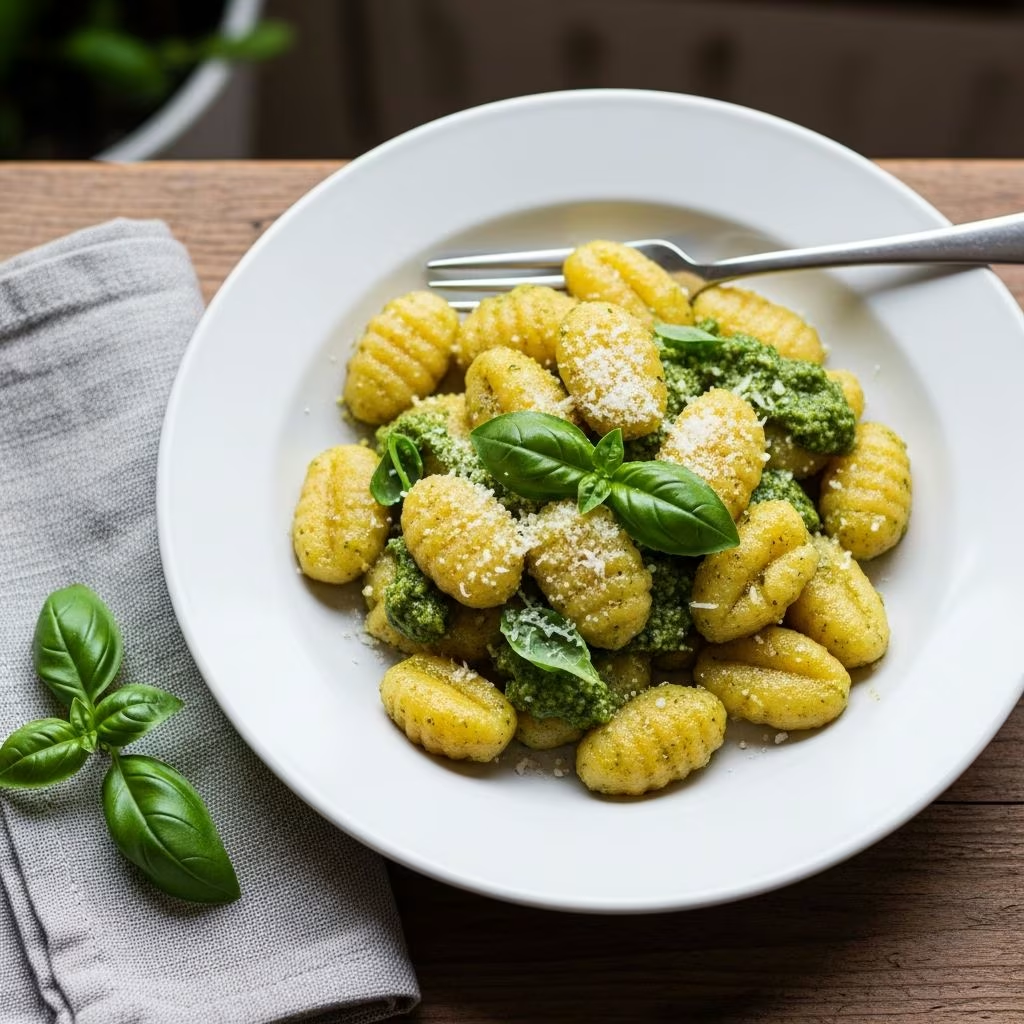
Once your dough achieves a unified form, divide it into manageable portions. Roll each portion into a rope approximately the thickness of your thumb, cutting the rope into pieces roughly three-quarters of an inch long. At this stage, you have two options: leave the pieces plain and smooth, or create traditional ridges by rolling each piece against the tines of a fork. The ridges serve a practical purpose, helping sauce cling to the surface of the cooked gnocchi while also creating a more rustic appearance.
Cooking and Serving Your Ricotta Gnocchi
The Cooking Process
Bring a large pot of generously salted water to a rolling boil. The salt level should approximate that of seawater, enhancing the gnocchi’s flavor from the inside out. Working in batches to avoid overcrowding, carefully drop your gnocchi into the water. Initially, they’ll sink to the bottom of the pot. Within one to two minutes, they’ll float to the surface, at which point you should allow them to cook for an additional minute. Once they’ve achieved this floating state and spent that extra time cooking, they’re ready for removal.
Using a slotted spoon, transfer the cooked gnocchi to a colander for draining. Avoid leaving them sitting in the water, as they’ll continue absorbing moisture and become waterlogged. If you’re working ahead, lightly toss drained gnocchi with a small amount of olive oil to prevent sticking.
Sauce Pairings and Finishing Touches
The subtle, delicate nature of ricotta gnocchi means they pair beautifully with a wide range of sauces. A simple brown butter and sage sauce highlights the cheese’s natural flavors with minimal competition. Classic tomato-based sauces, whether light marinara or heartier meat varieties, provide brightness and depth. Creamy mushroom preparations add earthiness, while garlic and oil combinations emphasize simplicity. For those seeking richer preparations, a pesto sauce or cream-based accompaniment showcases the gnocchi’s tender texture wonderfully.
Consider finishing your dish with additional grated parmesan, fresh herbs, or even crispy breadcrumbs for textural contrast. A drizzle of quality olive oil adds visual appeal and complementary flavor.
Troubleshooting Common Issues
| Problem | Likely Cause | Solution |
|---|---|---|
| Gnocchi falls apart during cooking | Insufficient binding from eggs or too little flour | Ensure adequate egg quantity and add more flour if dough seems too loose during preparation |
| Dense, heavy texture in finished dish | Excessive flour or over-mixing of dough | Use measured flour amounts and avoid prolonged mixing beyond ingredient incorporation |
| Gnocchi doesn’t float during cooking | Dough is too dense or too heavy | Review flour quantities and ensure ricotta was adequately drained before mixing |
| Dough too wet to handle | Ricotta retained excess moisture | Extend drainage time and use paper towels to remove additional surface water |
| Bland flavor | Under-seasoning or low-quality cheese ingredients | Taste dough during mixing and adjust seasoning; invest in premium ricotta and parmesan |
Storage and Make-Ahead Strategies
Shaped gnocchi can be refrigerated for several days before cooking by arranging them on a parchment-lined baking sheet, freezing until solid, then transferring to an airtight container. This preparation method allows you to cook gnocchi directly from the freezer without thawing, simply adding an extra minute or two to the cooking time. Fully cooked gnocchi stores in the refrigerator for up to three days and reheats beautifully when tossed into simmering sauce.
Frequently Asked Questions
Can I Make Ricotta Gnocchi Without Eggs?
While eggs provide essential binding properties, some cooks experiment with egg-free versions using additional flour or binders like potato starch. However, traditional recipes rely on eggs for optimal texture and consistency.
What’s the Difference Between Ricotta Gnocchi and Potato Gnocchi?
Ricotta gnocchi contains no potatoes and relies entirely on cheese for its base, resulting in a lighter, more delicate texture. Potato gnocchi uses potatoes as the foundation, creating a denser, more substantial product. Ricotta versions cook faster and require simpler preparation.
How Do I Know When Ricotta Gnocchi Is Done Cooking?
Once the gnocchi float to the surface of boiling water, cook for an additional minute to ensure the interior is fully set. They should be tender but not mushy.
Can I Use Low-Fat Ricotta?
While possible, low-fat ricotta often produces watery dough and inferior texture. Whole milk ricotta produces superior results due to its higher fat content and creamier consistency.
Expanding Your Ricotta Gnocchi Repertoire
Once you’ve mastered the basic preparation, countless variations become possible. Create lighter versions by incorporating spinach or other finely chopped greens into the dough. Experiment with different herbs—thyme and rosemary provide Mediterranean notes, while basil adds brightness. For special occasions, consider making smaller portions and serving them as elegant appetizers with sophisticated sauce accompaniments.
The versatility of ricotta gnocchi makes it an excellent foundation for creative culinary exploration. Whether you prepare them for casual weeknight dinners or impressive entertaining, their delicate nature and straightforward preparation method ensure consistent success across various applications.
References
- Ricotta Gnocchi — An Italian in my Kitchen. https://anitalianinmykitchen.com/ricotta-gnocchi/
- 20-Minute Ricotta Gnocchi — Gimme Some Oven. https://www.gimmesomeoven.com/ricotta-gnocchi/
- Easy Ricotta Gnocchi with Creamy Mushroom Sauce — RecipeTin Eats. https://www.recipetineats.com/easy-ricotta-gnocchi-with-creamy-mushroom-sauce/
- Ricotta Gnocchi — Natasha’s Kitchen. https://natashaskitchen.com/ricotta-gnocchi/
- Foolproof Ricotta Gnocchi (Gnudi) — Host The Toast. https://hostthetoast.com/foolproof-ricotta-gnocchi-gnudi/