Homemade pickles offer a rewarding culinary experience that transforms ordinary cucumbers into tangy, crisp delights. Unlike traditional canning methods that require specialized equipment and lengthy processing times, refrigerator pickling provides a straightforward approach to pickle-making that yields excellent results in days rather than weeks. This method has gained popularity among home cooks who value simplicity and the ability to customize flavors to their preferences.
Understanding the Refrigerator Pickling Method
The refrigerator pickling process differs fundamentally from traditional canning techniques. Rather than using heat processing and sterilization to create shelf-stable products, cold pickling relies on acidic brine and refrigeration to preserve cucumbers while developing complex flavors. This approach eliminates the need for canning jars, water baths, or specialized sealing equipment, making it accessible to anyone with basic kitchen tools.
The beauty of this method lies in its efficiency and flexibility. The pickling process begins almost immediately when cucumbers contact the acidic brine, with noticeable flavor development occurring within twenty-four hours. The cold storage environment slows bacterial growth while allowing flavors to meld gradually, creating pickles that improve with time.
Essential Ingredients for Refrigerator Dill Pickles
The Foundation: Cucumbers
Selecting the right cucumbers forms the cornerstone of successful pickle-making. Pickling varieties, particularly small Kirby or Persian cucumbers, contain fewer seeds and thinner skins than slicing cucumbers, resulting in crispier finished products. These varieties maintain their firm texture throughout the pickling process, unlike larger garden cucumbers that tend to become soft and mushy.
Purchase cucumbers that feel firm to the touch and avoid specimens with soft spots or blemishes. Ideally, use cucumbers within a day or two of harvesting for maximum crispness, as they begin to deteriorate after picking.
The Brine Components
The pickling brine consists of four primary elements working together to preserve and flavor the cucumbers:
- Vinegar: Provides acidity and tang. White distilled vinegar with 5% acidity is the standard choice, though some recipes incorporate apple cider vinegar for subtle sweetness.
- Water: Dilutes the vinegar to the appropriate concentration and determines the final brine flavor intensity.
- Salt: Kosher salt enhances flavors and aids in the preservation process. The larger crystal size of kosher salt allows for better control over salinity levels compared to table salt.
- Sugar: Optional ingredient that balances the acidity and adds subtle sweetness to the finished pickles.
Aromatic Elements
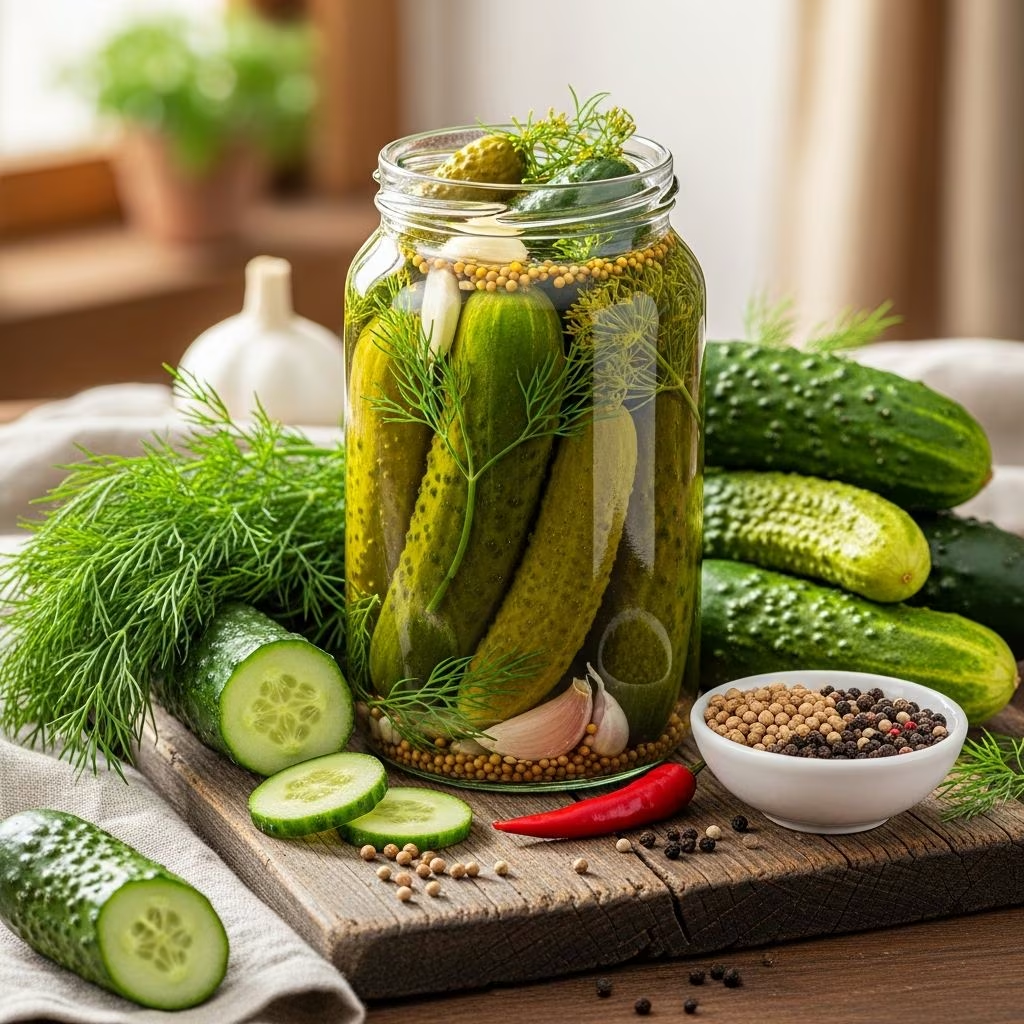
Fresh dill forms the flavor backbone of dill pickles. Use fresh dill sprigs rather than dried alternatives, which lack the vibrant, grassy notes essential to authentic dill pickle flavor. Remove thick stems before use, as they can impart bitter flavors.
Garlic cloves contribute pungent, complex notes that develop and mellow during storage. Whole cloves or smashed versions both work effectively, depending on desired flavor intensity. Additional aromatic spices commonly included in dill pickle recipes include mustard seeds, coriander seeds, black peppercorns, and red pepper flakes for heat.
Step-by-Step Preparation Process
Preparing the Cucumbers
Begin by thoroughly washing cucumbers under cool running water, using a vegetable brush to remove any soil or debris. Remove both ends of each cucumber, as these contain enzymes that promote softening during storage. Decide whether you prefer slices or spears—sliced pickles typically require twenty-four hours of brining, while spears need approximately two days for complete flavor development.
For uniform texture and appearance, maintain consistent slice thickness, typically around one-quarter inch. Arrange prepared cucumbers on a clean cutting board while preparing other ingredients.
Creating the Brine
Combine vinegar, water, salt, and sugar in a medium saucepan and bring the mixture to a boil over medium heat. Stir occasionally until salt and sugar crystals completely dissolve, which typically requires approximately five minutes. This heating step dissolves the solid ingredients more quickly than cold mixing would allow.
Remove the saucepan from heat and allow the brine to cool to room temperature. This cooling step prevents the heat from damaging delicate cucumber cell structures and damaging the fresh dill’s flavor profile. Never add hot brine to prepared cucumbers, as this creates an undesirable texture and can destroy the crispness you’re working to achieve.
Assembling Jars
Use clean quart-sized glass jars that have been sanitized either through dishwasher cycles or by washing with hot soapy water and rinsing thoroughly. Layer cucumbers with fresh dill sprigs, smashed garlic cloves, and whole spices, distributing ingredients evenly between jars.
Avoid packing cucumbers too tightly, as the brine needs room to circulate throughout the jar for even flavor distribution and preservation. Leave approximately one-half inch of headspace at the top of each jar.
Adding the Brine and Storage
Pour the cooled brine over the cucumber mixture until all cucumbers are completely submerged. If the brine doesn’t fully cover everything, add cold water to reach the proper level. Seal jars with airtight lids and place them immediately in the refrigerator.
Flavor Development Timeline
| Timeline | Flavor Profile | Texture | Recommendations |
|---|---|---|---|
| 24 Hours | Subtle vinegar, minimal dill | Still quite crisp | Acceptable for immediate consumption |
| 2-3 Days | Developing dill flavor, balanced acidity | Firm with slight softening | Good for most palates |
| 5-7 Days | Fully developed, complex flavors | Tender but still crisp | Optimal flavor achievement |
| 2-4 Weeks | Rich, integrated flavors | Softer texture | Still excellent, slightly less crisp |
Customization and Flavor Variations
Heat Elements
For those preferring spicy pickles, incorporate red pepper flakes, fresh jalapeño slices, or Thai chilies into the jar before adding brine. These heat sources infuse gradually, allowing you to test and adjust to your preference as flavors develop.
Aromatic Modifications
Expand the spice profile by experimenting with coriander seeds, mustard seeds, fennel, or cumin. Each addition creates distinct flavor notes that transform the basic dill pickle into something uniquely tailored to personal taste preferences.
Additional Vegetables
Layer thinly sliced onions, carrots, or cauliflower florets alongside cucumbers to create mixed vegetable pickles. These additions absorb brine flavors while contributing textural variety.
Storage and Shelf Life
Properly stored refrigerator pickles remain safe and flavorful for three to six weeks, with some sources indicating quality maintenance for up to one month. The acidic brine environment prevents harmful bacterial growth, eliminating the need for traditional canning heat processing.
Store jars in the coldest part of your refrigerator, ideally between thirty-five and forty degrees Fahrenheit. Ensure lids remain sealed, and never leave jars at room temperature. If you notice off odors, unusual cloudiness, or mold growth, discard the batch immediately.
Serving Suggestions
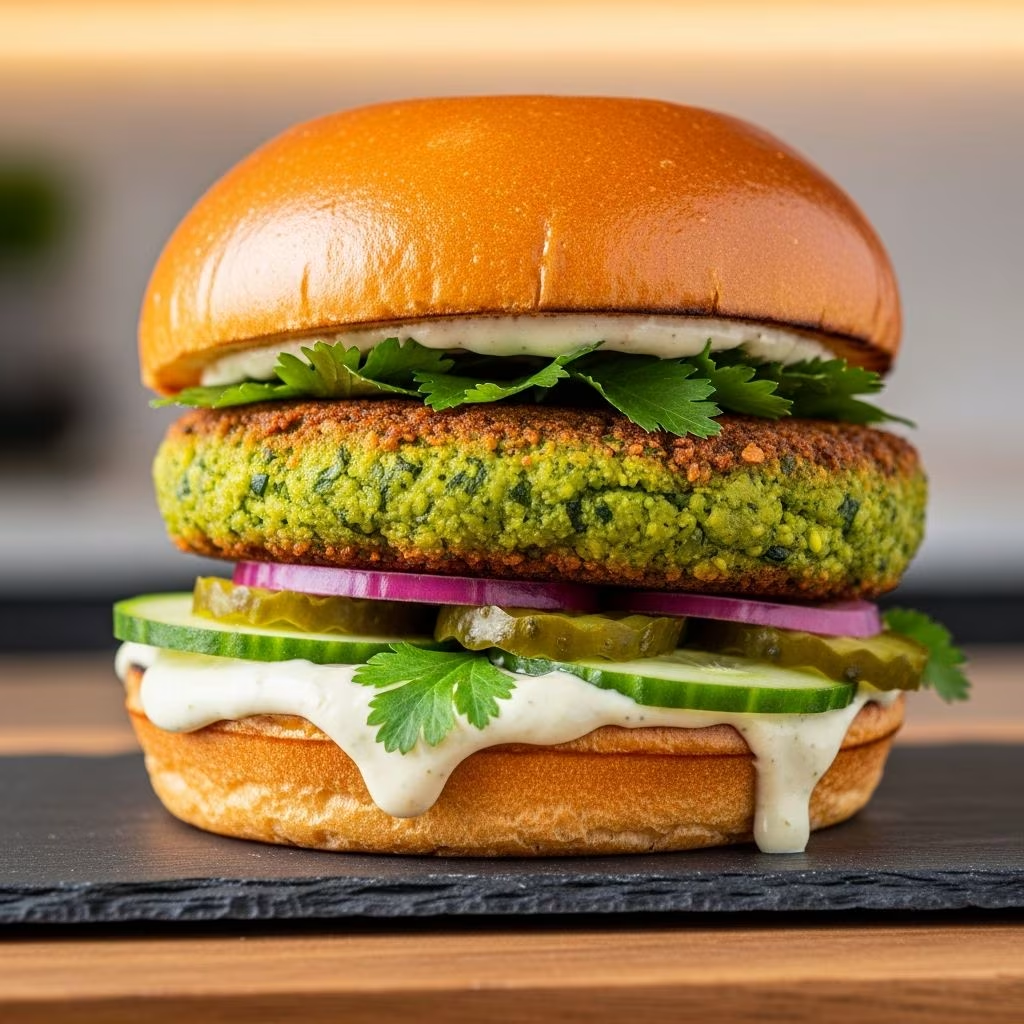
Refrigerator dill pickles complement numerous dishes and occasions. Serve them alongside burgers and sandwiches, add them to charcuterie boards, or include them in relish trays. Their tangy crispness enhances pulled pork, barbecued chicken sandwiches, and grilled meats. Use pickle spears as unique garnishes for cocktails, chop them for tartar sauce, or incorporate them into salads for added acidity and crunch.
Common Challenges and Solutions
Soft or Mushy Pickles
This occurs when using incorrect cucumber varieties or non-pickling types. Additionally, overcooking the brine or adding hot liquid directly to cucumbers can compromise texture. Always use pickling varieties and cool brine before combining with cucumbers.
Cloudy Brine
This aesthetic concern, typically caused by mineral content in water or salt particles, doesn’t affect flavor or safety. Using distilled water eliminates this issue.
Weak Flavor
Insufficient brining time or using too little dill and garlic creates bland results. Extend storage time and increase aromatic ingredients in subsequent batches.
Frequently Asked Questions
Can I reuse the brine from a previous batch?
Yes, refrigerator pickle brine can be reused for one additional batch, though flavor intensity diminishes. Refresh with fresh dill and garlic for optimal results.
Why are my pickles floating?
Cucumbers naturally float as air pockets develop. Use a fermentation weight or place a small glass jar filled with brine on top of cucumbers to keep them submerged.
Should I use distilled or tap water?
Distilled water prevents cloudiness and ensures consistent results, though tap water works fine if distilled isn’t available. Avoid softened water, which contains minerals that create cloudiness.
Can frozen cucumbers be pickled?
No. Freezing damages cell structures, resulting in soft, mushy pickles. Use fresh cucumbers exclusively.
References
- Quick and Easy Refrigerator Pickles — Once Upon a Chef. Accessed 2026. https://www.onceuponachef.com/recipes/quick-and-easy-dill-pickles.html
- Easy Refrigerator Dill Pickles — Self Proclaimed Foodie. Accessed 2026. https://selfproclaimedfoodie.com/easy-refrigerator-dill-pickles/
- Refrigerator Dill Pickles — Dish ‘n’ the Kitchen. Accessed 2026. https://dishnthekitchen.com/refrigerator-dill-pickles/