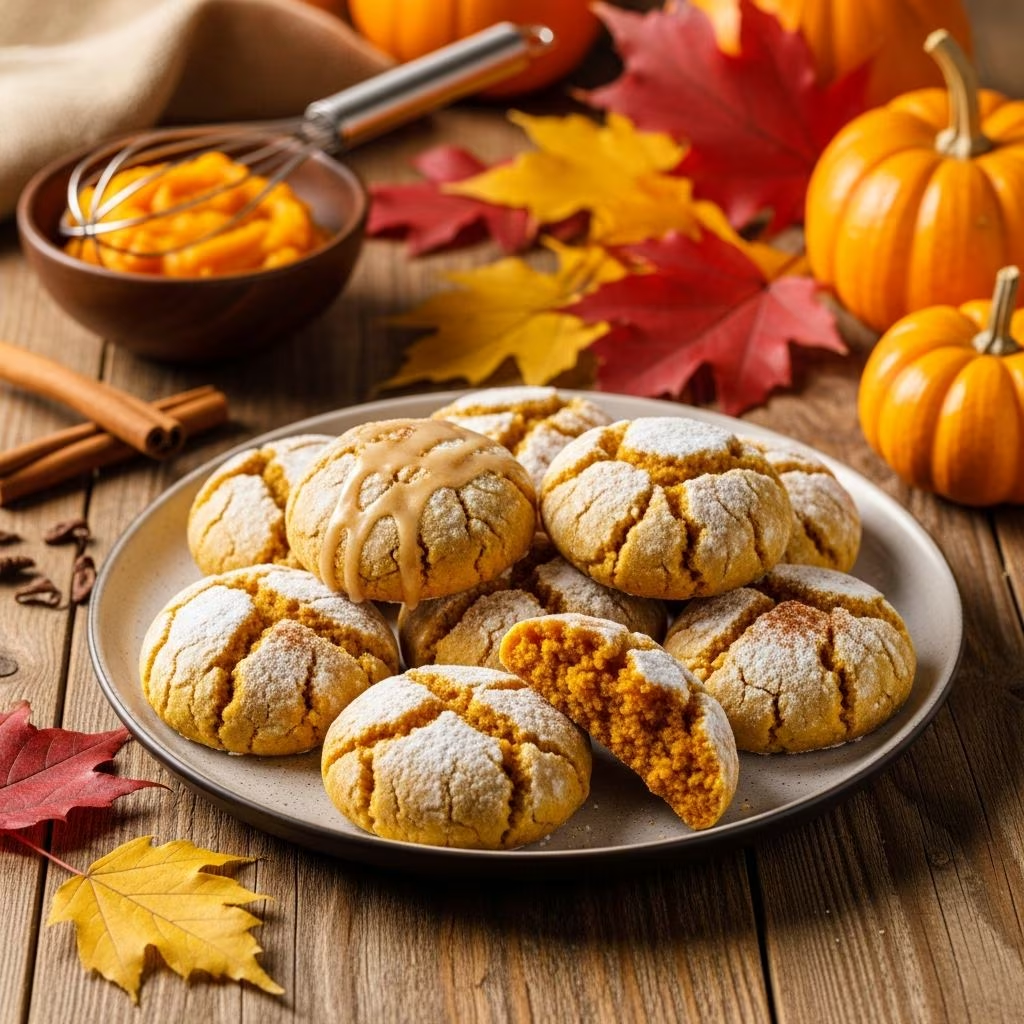
When autumn arrives, many home bakers seek desserts that capture the essence of the season without requiring extensive preparation or specialized equipment. Pumpkin-based treats have become increasingly popular during fall months, and pumpkin cookies represent an accessible entry point into seasonal baking. Unlike elaborate layer cakes or intricately decorated pastries, pumpkin cookies offer a straightforward path to creating homemade fall treats that satisfy both casual snackers and dessert enthusiasts.
The beauty of simplified pumpkin cookie recipes lies in their flexibility and approachability. Whether you’re a seasoned baker looking to streamline your process or a novice exploring pumpkin-flavored baking for the first time, understanding the fundamentals of these treats opens doors to numerous variations and customizations. This guide walks through the essential components, step-by-step preparation methods, and creative adaptations that make pumpkin cookies an ideal choice for busy households and seasonal celebrations.
Understanding the Foundation: Core Ingredients
Creating successful pumpkin cookies begins with recognizing how each ingredient contributes to the final product. Unlike more complex baking formulas, streamlined pumpkin cookie recipes rely on complementary components that work together to produce texture, flavor, and structure.
Primary Components
- Pumpkin Puree: This ingredient serves as the primary flavor carrier and provides moisture throughout the cookie dough. Canned pumpkin puree offers consistency and convenience, though fresh pumpkin puree can be used when available. The puree contributes both taste and density to the final baked product.
- Flour: All-purpose flour creates the structural foundation of cookies. Some recipes incorporate self-rising flour, which includes leavening agents, reducing the number of separate components required.
- Sweeteners: Granulated sugar, brown sugar, or combinations of both provide sweetness and influence cookie texture. Brown sugar adds moisture and creates chewier cookies, while granulated sugar produces crisper results.
- Fat Component: Butter, whether melted or softened, binds ingredients and creates the desired crumb structure. Softened butter typically requires creaming with sugar, while melted butter streamlines the mixing process.
Flavor-Enhancing Spices
While technically optional, warm spices define the pumpkin cookie experience. Cinnamon provides the most recognizable note, but complementary spices expand flavor complexity.
- Ground cinnamon forms the flavor foundation
- Nutmeg adds subtle warmth and depth
- Ginger contributes mild pungency and aromatic qualities
- Ground cloves offer earthy, intense notes in small quantities
- Allspice bridges multiple spice profiles in single ingredient
Building Your Dough: Step-by-Step Process
Preparing Your Workspace
Before mixing ingredients, proper oven preparation ensures consistent baking results. Preheating your oven to 350°F (180°C) allows the cookies to bake evenly when placed on the middle rack. Line baking sheets with parchment paper or lightly oil them to prevent sticking and ensure easy removal after baking.
Combining Wet Ingredients
Most pumpkin cookie recipes begin by combining butter, sugars, and pumpkin puree. If using softened butter, cream it with sugars using an electric mixer for approximately two to three minutes until the mixture becomes light and fluffy. This creaming process incorporates air, which helps create a lighter texture in the finished cookies. Add pumpkin puree gradually, stirring until fully incorporated. At this stage, the mixture may appear slightly curdled or separated—this is normal and does not affect the final product.
Incorporating Dry Elements
In a separate bowl, whisk together flour, leavening agents (baking powder and/or baking soda), salt, and spices. Combining dry ingredients separately ensures even distribution of leavening agents and prevents lumps. Gradually fold or stir the dry mixture into the wet ingredients using a rubber spatula or wooden spoon. Mix only until the ingredients combine—overmixing at this stage develops gluten, which can produce tough, dense cookies rather than tender ones.
Optional Additions and Variations
While simplicity defines many pumpkin cookie recipes, strategic additions enhance flavor and texture without overwhelming the fundamental recipe.
Popular Add-Ins
| Addition | Quantity (per batch) | Effect on Cookies |
|---|---|---|
| Chopped pecans or walnuts | ½ to 1 cup | Adds crunch, nutty flavor, textural contrast |
| Chocolate chips | ½ to 1 cup | Provides sweetness contrast, visual appeal |
| Vanilla extract | 1 to 2 teaspoons | Deepens overall flavor profile |
| Maple syrup | 1 to 2 tablespoons | Adds complexity, slightly thins dough |
| Shredded coconut | ½ cup | Introduces tropical notes, adds texture |
When adding optional ingredients, incorporate them after combining the primary dough mixture. Fold in additions gently to ensure even distribution without developing excess gluten.
Shaping and Baking Techniques
Portioning Cookie Dough
Using a cookie scoop ensures uniformity in size, which promotes even baking. Standard cookie scoops produce cookies of consistent diameter, allowing them to finish baking simultaneously. If a scoop is unavailable, a tablespoon works adequately, though size will vary slightly. Drop portions onto prepared baking sheets, spacing them approximately one inch apart to allow for minimal spreading without cookies touching during baking.
Pre-Baking Preparation
Some recipes call for rolling unbaked cookies in sugar or spiced sugar mixtures before baking. This coating creates a decorative exterior and provides subtle textural variation. Press dough balls gently to flatten them slightly, creating more uniform thickness and promoting even baking.
Baking Duration and Temperature
At 350°F (180°C), most pumpkin cookies bake in six to sixteen minutes depending on size and dough composition. Cookies are ready when edges turn golden brown and centers appear set but still slightly soft to the touch. Overbaking creates dry, crumbly cookies, so monitoring carefully during the final minutes prevents this common mistake. If cookies appear to be browning too quickly on the bottom, move the baking sheet to a higher rack position.
Cooling and Storage Considerations
Immediate Post-Baking Period
Once removed from the oven, allow cookies to rest on the baking sheet for two to three minutes before transferring to a cooling rack. This brief resting period allows the cookies to firm up enough to move without falling apart. Complete cooling on a wire rack ensures air circulates around all surfaces, preventing condensation from creating a soggy bottom.
Long-Term Storage
Fully cooled pumpkin cookies store well in airtight containers at room temperature for up to five days. For longer storage, freeze cooled cookies in freezer-safe containers for up to three months. Individual freezing on baking sheets before transferring to containers prevents clumping and allows for portion removal as needed.
Frequently Asked Questions
Can I use fresh pumpkin instead of canned?
Yes, though fresh pumpkin requires additional preparation. Roast and puree fresh pumpkin, then strain through cheesecloth to remove excess moisture. Wet pumpkin puree can affect dough consistency and baking time, so blotting before incorporating into the dough is recommended.
What causes cookies to spread too thin?
Excessive spreading typically results from dough temperature (too warm), insufficient flour, or too much fat. Ensure ingredients are at room temperature before mixing, and avoid opening the oven door during baking, which causes temperature fluctuations.
Are these cookies suitable for dietary restrictions?
Pumpkin cookies can be adapted for various dietary needs. Dairy-free butter substitutes work well, and gluten-free flour blends can replace all-purpose flour when combined with a binder like xanthan gum. Egg-free recipes using applesauce or flax eggs are also possible with slight texture adjustments.
How do I achieve chewier versus crispier cookies?
Brown sugar promotes chewiness while granulated sugar creates crispier results. Underbaking produces softer cookies, while extended baking creates crunchier textures. Thickness also matters—thinner cookies crisp up more readily than thicker ones.
Can I make the dough in advance?
Refrigerated dough bakes well and can be stored for up to three days. Cold dough spreads less during baking and may require slightly extended baking time. Freezing dough for later use is also viable for up to three months.
Flavor Profile Variations
While traditional pumpkin cookies feature warm spices, numerous flavor directions exist. Adding chai spices (cardamom, black pepper, ginger) creates sophisticated variations. Cream cheese frosting transforms cookies into elegant desserts suitable for formal gatherings. White chocolate chips provide sweetness contrast against pumpkin’s subtle earthiness. Salted caramel drizzles add complexity to simple recipes.
Some bakers incorporate liquid vanilla, maple syrup, or even brewed coffee to deepen flavor complexity. These additions require careful liquid balance to prevent dough from becoming too wet and spreading excessively during baking.
Troubleshooting Common Issues
Cookies that remain too cakey often result from insufficient fat or too much flour. Measuring flour by spooning and leveling rather than scooping directly from the bag helps control quantity. Cookies that burn on bottom edges may indicate oven hot spots—rotating baking sheets halfway through baking solves this issue.
Dough that refuses to hold shape typically contains too much liquid or insufficient flour. Adding flour by the tablespoon improves handling without drastically altering the recipe. Conversely, overly dry dough benefits from adding pumpkin puree by the teaspoon until appropriate consistency is achieved.
Conclusion
Pumpkin cookies represent an accessible entry point into seasonal baking, requiring minimal ingredients, straightforward techniques, and modest time investment. Their adaptability accommodates both strict recipe followers and creative improvisers, making them suitable for various skill levels and dietary preferences. Whether served warm with afternoon coffee or packed into lunchboxes for portable snacking, these cookies capture autumn’s essence in simple, satisfying form. By understanding fundamental principles of ingredient interaction and baking science, home bakers can consistently produce delicious results while confidently adapting recipes to personal preferences and available resources.
References
- Easy Pumpkin Cookies (4 Ingredient, No Eggs, No Dairy) — The Conscious Plant Kitchen. 2024. https://www.theconsciousplantkitchen.com/easy-pumpkin-cookies/
- Easy Pumpkin Cookie Recipe — Eating on a Dime. 2024. https://www.eatingonadime.com/pumpkin-cookies/
- Chewy Pumpkin Cookies — In Bloom Bakery. 2024. https://inbloombakery.com/chewy-pumpkin-cookies/
- Soft Pumpkin Cookies (Easy Recipe) — Sally’s Baking Addiction. 2024. https://sallysbakingaddiction.com/pumpkin-cookies/
- Simple Chocolate Chip Pumpkin Cookies — A Beautiful Mess. 2024. https://abeautifulmess.com/simple-chocolate-chip-pumpkin-cookies/
- 3-Ingredient Pumpkin Chocolate Chip Cookies — SugarHero. 2024. https://www.sugarhero.com/3-ingredient-pumpkin-chocolate-chip-cookies/