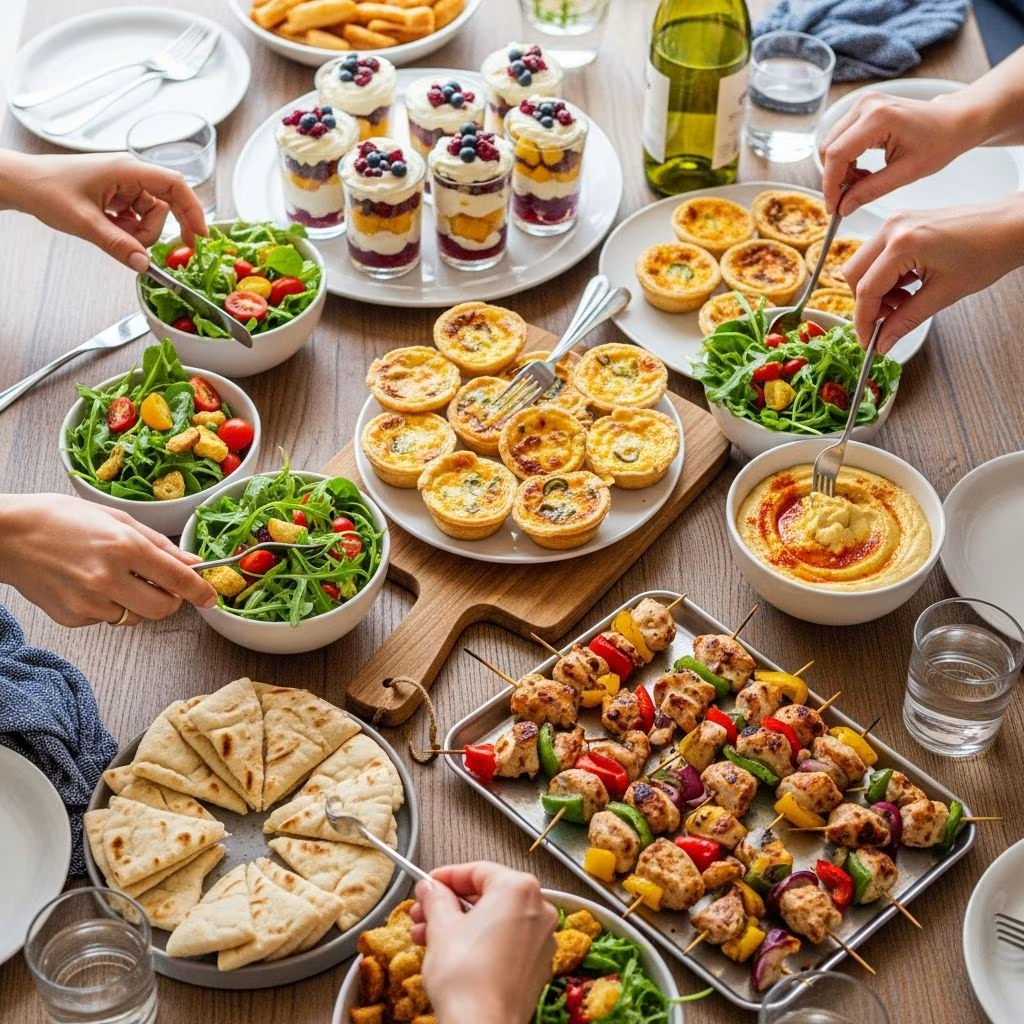
When you’re invited to a gathering and asked to bring a dish, time pressure can make meal planning stressful. Whether you have a demanding work schedule, a full family calendar, or simply prefer not to spend hours in the kitchen, the solution lies in mastering recipes that deliver impressive results without requiring extensive preparation. This guide explores practical strategies for creating memorable contributions to shared meals, focusing on dishes that can be assembled, cooked, and transported efficiently.
Understanding the Foundation of Efficient Shared Meal Cooking
Successful rapid-preparation dishes share common characteristics. The most important factor involves selecting recipes that utilize ingredients already present in most home kitchens. Items like canned vegetables, pantry staples, frozen proteins, and basic dairy products become the building blocks for sophisticated-tasting offerings. Understanding which combinations of common ingredients produce the most impressive results is the key to confidently preparing contributions without last-minute stress.
Another crucial element involves recognizing which cooking methods expedite the process. Slow cooker and oven-based recipes often allow hands-on preparation to be limited while allowing flavors to develop. No-bake options eliminate oven time entirely, making them ideal when multiple dishes compete for cooking space. Recipes requiring minimal preparation and assembly, often called “dump and bake” styles, streamline the cooking process significantly.
Building Your Rapid-Recipe Foundation
Leveraging Pantry Proteins and Bases
Canned beans provide protein-rich foundations for multiple dishes. Black beans, kidney beans, and chickpeas can be transformed into salads, dips, or hearty sides with minimal additional ingredients. Similarly, rotisserie chickens from grocery stores eliminate the need for home cooking while providing excellent flavor and texture for salads and composed dishes.
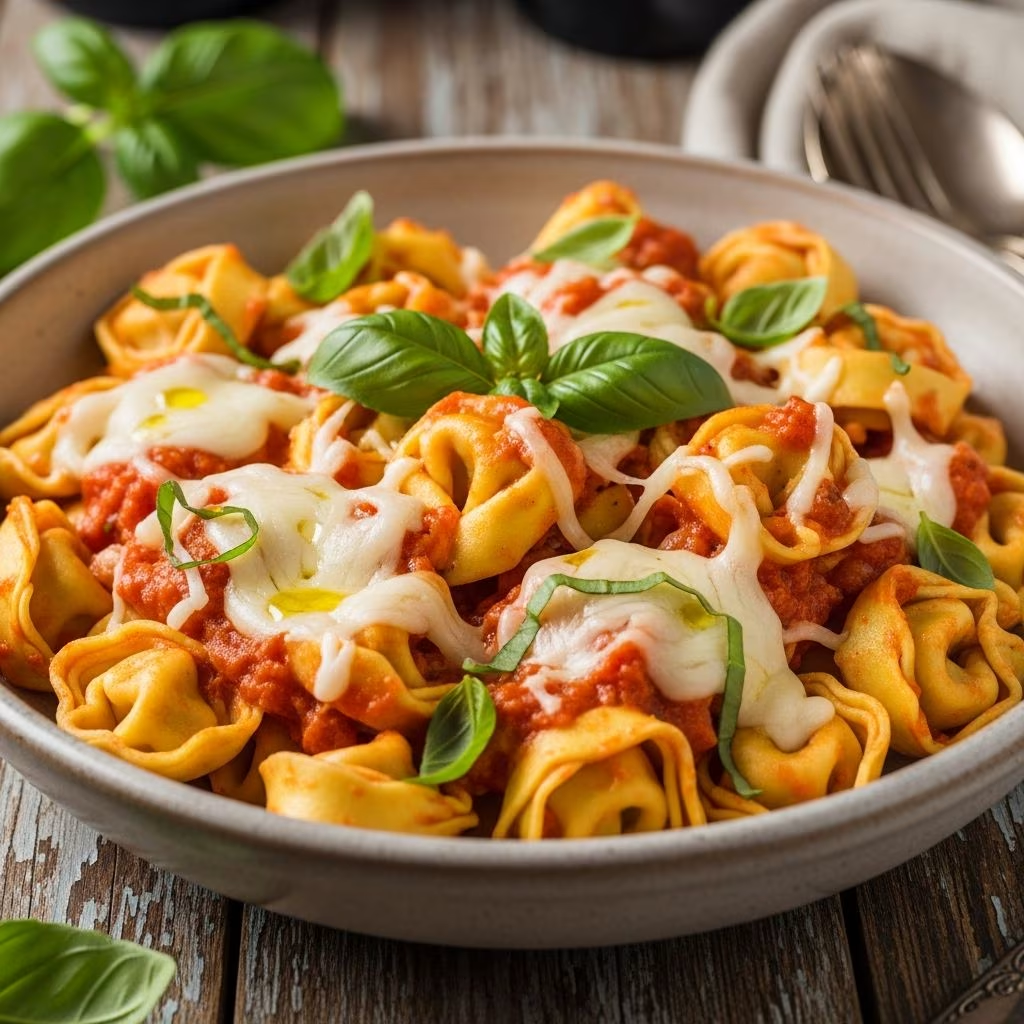
Pasta serves as another versatile base. A simple box of pasta, combined with readily available ingredients like canned tomatoes, frozen vegetables, and cheese, creates complete meals. Pasta salads, in particular, offer the advantage of being prepared hours in advance, actually improving in flavor as ingredients meld together.
Strategic Use of Convenience Items
Quality convenience products deserve reconsideration in modern cooking. Pre-shredded cheese, frozen vegetable mixtures, canned soups, and refrigerated dough products dramatically reduce preparation time. While some cooking purists dismiss these items, their strategic use enables home cooks to contribute meaningful dishes without excessive labor.
Cream cheese, sour cream, and mayonnaise-based mixtures form the foundation for numerous cold dips and appetizers. These combinations require only stirring and refrigeration, making them suitable for preparation the evening before a gathering.
Categories of Time-Efficient Shared Dishes
Appetizers and Dips That Impress
Cold appetizers eliminate cooking time entirely during the event preparation window. Deviled eggs, a classic option, require only boiling, mixing, and piping or spooning. Variations using sriracha, jalapeños, or herb combinations transform this traditional dish into something memorable and contemporary.
Cheese-based dips provide another reliable category. Combining cream cheese with various ingredients—shredded cheddar, jalapeños, cooked bacon, or sun-dried tomatoes—creates company-appropriate appetizers in minutes. These dips require nothing beyond mixing and either serving cold or briefly heating.
Vegetable platters with homemade dip offer nutritious alternatives to pre-packaged options. Using raw vegetables from the store’s prepared section, combined with a simple yogurt or sour cream-based dip, creates an impressive presentation requiring minimal effort.
Salads That Travel Well
Composed salads offer advantages over tossed varieties for shared meals. Ingredients mixed together several hours before serving actually develop more cohesive flavors, and the consistent texture proves more forgiving during transportation.
Pasta salads, grain-based salads featuring rice or couscous, and legume-heavy salads provide satisfying, substantial options. These dishes benefit from make-ahead preparation and actually taste superior when assembled a few hours before serving, as flavors meld and dressing permeates all components.
Coleslaw variations using cabbage as a base accommodate various flavor profiles. Traditional creamy versions, Asian-inspired variations with sesame oil and ginger, or vinegar-based preparations each serve different event contexts.
Side Dishes with Visual Impact
Casserole-style dishes provide warming, comforting contributions. Vegetable casseroles combining items like green beans, mushrooms, or broccoli with cream-based sauces and topped with crispy elements create satisfying sides. These dishes often improve when prepared a day in advance and simply reheated at the gathering venue.
Roasted vegetable medleys offer lighter alternatives to cream-based sides. Sweet potatoes, root vegetables, and cruciferous vegetables roast together with minimal intervention, creating naturally sweet, caramelized results that appeal to diverse palates.
Bread-based contributions extend beyond simple rolls. Savory biscuits incorporating cheese, herbs, or spicy elements provide carbohydrate-rich additions. Some varieties require no special equipment beyond standard mixing bowls and baking sheets.
Desserts Requiring No Baking
No-bake desserts eliminate oven competition and often showcase superior texture compared to their baked counterparts. Combinations of cookies, cream cheese, chocolate, or fruit prepared in layers create restaurant-quality presentations without requiring baking skills or equipment.
Energy balls and cookie clusters, formed by combining nuts, dried fruit, chocolate, and binding ingredients like nut butter or condensed milk, provide sophisticated-tasting treats. These items can be prepared days in advance and stored in the refrigerator.
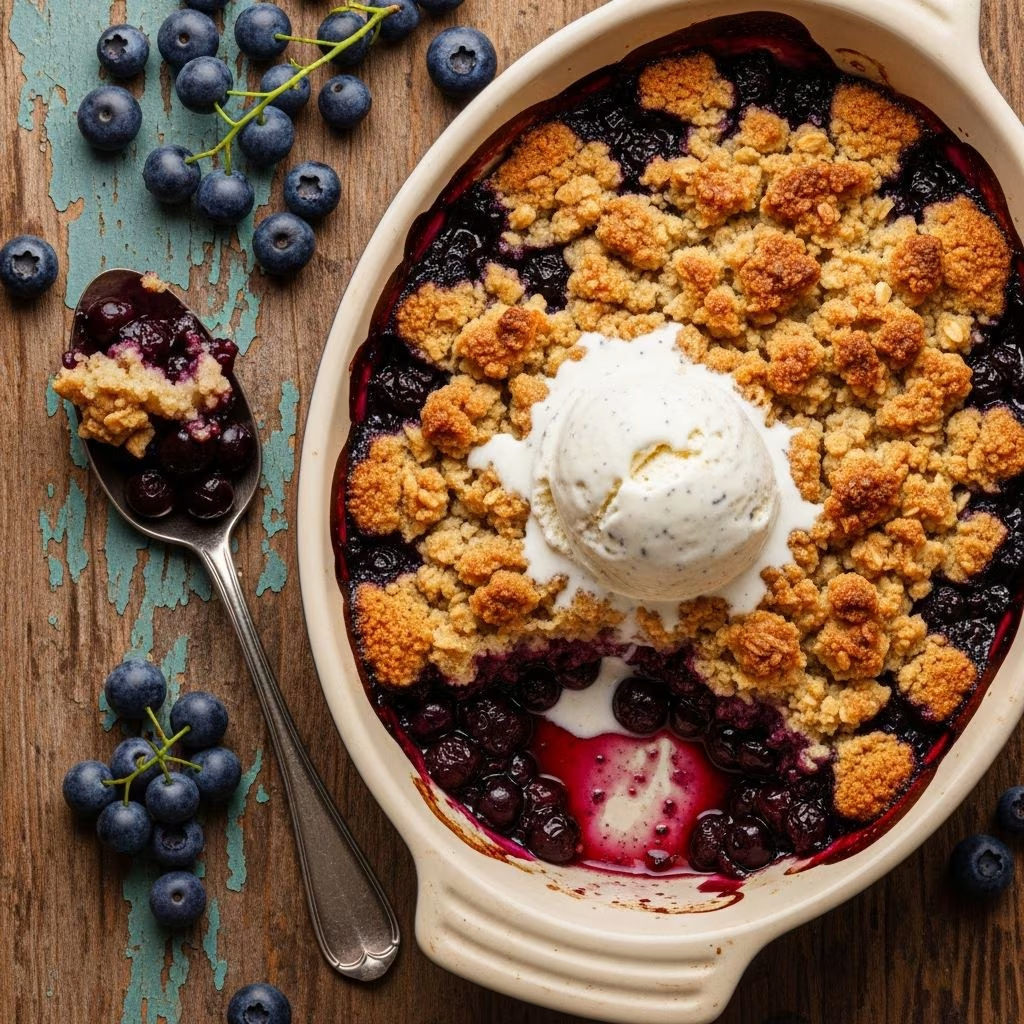
Fruit-based desserts featuring compotes, mousses, or layered preparations highlight fresh ingredients while requiring minimal cooking. Whipped cream or yogurt-based components add richness without substantial preparation.
Strategic Ingredient Selection for Success
| Ingredient Category | Pantry Staples | Best Uses |
|---|---|---|
| Proteins | Canned beans, rotisserie chicken, ground beef, eggs | Salads, dips, casseroles, appetizers |
| Vegetables | Frozen mixtures, canned varieties, pre-cut fresh | Sides, casseroles, composed salads |
| Starches | Pasta, rice, potatoes, bread | Salads, sides, carriers for toppings |
| Dairy | Cheese (various types), cream cheese, sour cream, yogurt | Dips, binders, toppings, finishing touches |
| Condiments | Mayonnaise, oils, vinegars, spices | Flavor building, dressing creation |
Transportation and Serving Considerations
Recipe selection should account for serving context. Dishes requiring heating at the venue need different consideration than cold options. Soups and hot sides need appropriate containers and ideally venues with heating equipment. Cold salads, dips, and no-bake items prove more forgiving in various settings.
Stability during transport matters significantly. Layered salads in clear containers, dips in sealed vessels, and sturdy baked goods travel better than delicate or frosted items. Preparing dishes in the containers where they’ll be served eliminates transfer steps.
Flavor Development Through Simplified Techniques
Complexity in flavor doesn’t require complexity in preparation. Layering simple ingredients creates depth. Combining acidic elements (vinegar, citrus) with fat (oil, cream, butter) with seasoning (salt, pepper, herbs) produces satisfying results regardless of whether preparation required thirty minutes or three hours.
Fresh herbs, when available, dramatically improve perceived quality and sophistication. A handful of cilantro, basil, parsley, or chives scattered over simple dishes elevates them beyond their ingredient list.
Salt and pepper, applied thoughtfully, deserve recognition as critical finishing touches. Many rushed cooks skip proper seasoning, resulting in flat-tasting dishes. Taking thirty seconds to taste and adjust seasoning transforms adequate dishes into memorable ones.
Frequently Asked Questions
What should I bring if I have only fifteen minutes before departure?
Focus on no-preparation items like store-bought items presented in a homemade container, simple dips requiring only mixing, or chilled salads prepared in advance. Alternatively, consider purchasing quality bakery items and presenting them attractively on a serving platter.
How can I ensure my dish remains fresh until serving time?
Keep cold items cold using insulated containers or coolers. Hot items require appropriate transport containers that maintain temperature. Most salads actually improve during the several hours between preparation and serving as flavors meld.
Are there dishes that satisfy dietary restrictions easily?
Vegetable-based sides, fruit presentations, and legume salads naturally accommodate vegetarian needs. Gluten-free variations of traditional recipes often require only simple substitutions. Offering a simple ingredient list helps attendees with allergies confidently enjoy your contribution.
What’s the best strategy for cooking multiple dishes simultaneously?
Select recipes with different cooking methods. While oven dishes bake, prepare no-cook items or stovetop recipes. Overlapping cooking times means all dishes finish approximately simultaneously.
Building Your Personal Quick-Recipe Collection
Success with rapid meal preparation builds through experience and organization. Maintaining a personal collection of tested recipes requiring thirty minutes or less removes decision-making stress from future situations. As you prepare dishes successfully, noting which items received compliments, which transported well, and which you’d prepare again guides future selections.
Investing time in understanding core techniques—how to properly season, when to add herbs, how to achieve ideal texture in various dishes—improves results across all recipes. These fundamentals matter more than any single recipe.
Creating connections between ingredients and techniques expands your capabilities. Once you understand how cream cheese, shredded cheddar, and jalapeños create a particular type of dip, you can confidently substitute ingredients based on availability and preference.
Final Thoughts on Efficient Shared Meal Contributions
The pressure to contribute perfect dishes to shared gatherings shouldn’t overshadow the enjoyment of gathering itself. Practical, tested recipes requiring reasonable preparation time allow you to participate fully rather than spending excessive hours in kitchen preparation. By understanding ingredient combinations, strategic use of convenience items, and selection of appropriate cooking methods, you can confidently prepare contributions that satisfy both in taste and presentation without excessive time investment.
References
- Food Safety and Home Canning — U.S. Department of Agriculture (USDA). 2024. https://www.usda.gov
- Meal Preparation and Food Storage Guidelines — FDA (Food and Drug Administration). 2024. https://www.fda.gov/food
- Seasonal Entertaining and Potluck Planning — Colorado State University Extension. 2023. https://extension.colostate.edu
- Quick Cooking Techniques and Time Management — Purdue University Cooperative Extension. 2024. https://www.purdue.edu
- Nutritional Guidelines for Social Gatherings — American Heart Association. 2024. https://www.heart.org