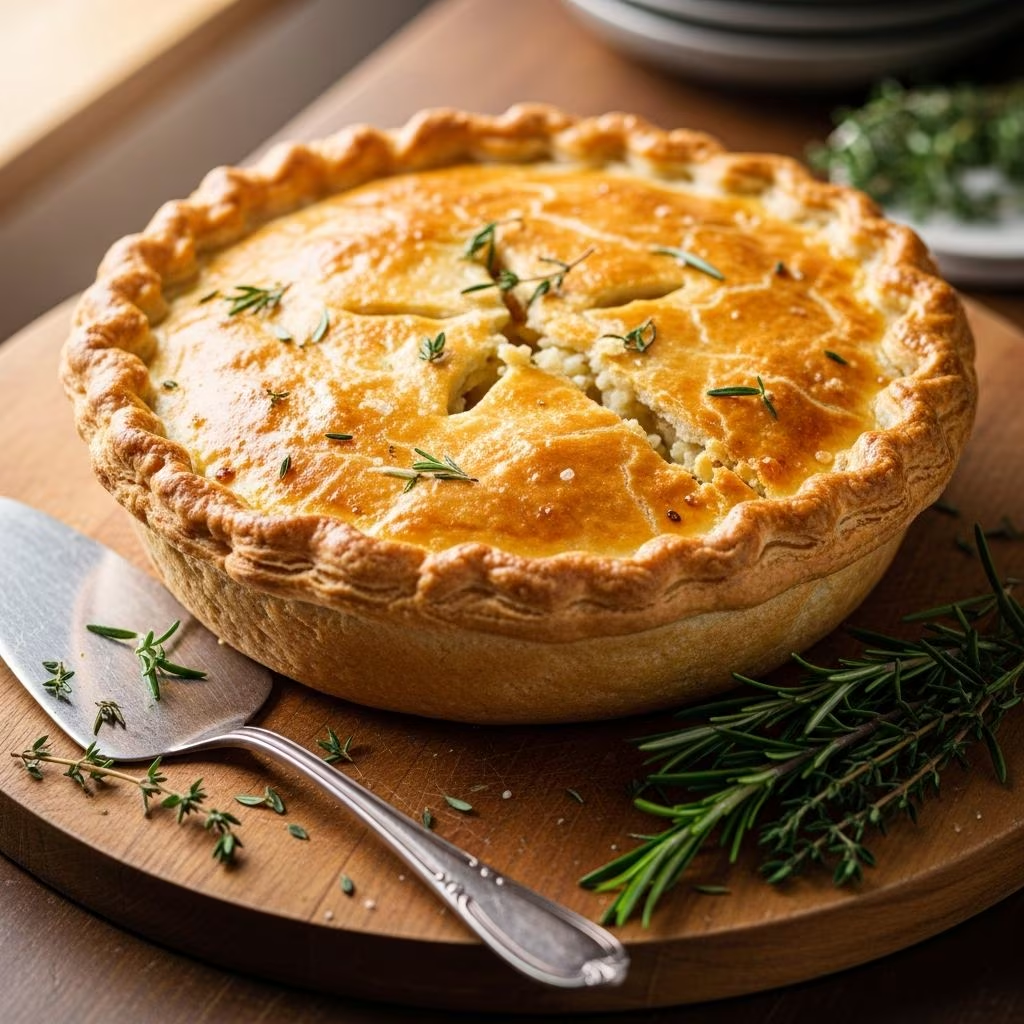
A well-crafted potato pie represents a timeless expression of home cooking, combining humble ingredients into a sophisticated and nourishing meal. This savory pastry dish features a foundation of velvety mashed potatoes enriched with butter, milk, and cheese, all encased within crispy, golden pastry layers. Whether you’re planning a family dinner or seeking an impressive side dish for a gathering, this recipe delivers consistent results and genuine satisfaction.
Understanding the Fundamentals of Potato Pie Construction
The structural integrity of any potato pie depends on balancing three primary components: the potato filling, the pastry crusts, and the binding elements that hold everything together. The filling must achieve a specific texture—neither too thick nor too loose—to maintain structural support within the pastry while remaining creamy and flavorful. The crusts provide both protective layers and textural contrast, while strategic seasoning ensures depth throughout.
Traditional potato pie draws inspiration from various culinary traditions, particularly European comfort food cultures where substantial vegetable-based pies served as economical yet satisfying meals. The beauty of this dish lies in its adaptability; while the core recipe remains consistent, numerous variations allow home cooks to personalize the experience based on available ingredients and individual preferences.
Essential Ingredients and Their Roles
- Potatoes (6 medium): The foundation of your filling, providing bulk, creaminess, and mild flavor that allows other ingredients to shine
- Butter (1/4 cup plus 2 teaspoons): Creates richness and aids in achieving a smooth, cohesive filling texture
- Whole milk (1/4 cup plus 2 teaspoons): Adds moisture and creates a creamier consistency without overwhelming the potato flavor
- American cheese (1/2 cup shredded): Introduces savory depth and helps bind the filling components together
- Seasoning (salt and black pepper): Enhances all flavors and must be adjusted according to personal taste preferences
- Pastry crusts (two 9-inch): Forms the protective exterior and creates textural contrast; use quality store-bought options or homemade dough
- Wash mixture (2 teaspoons butter plus 2 teaspoons milk): Creates the golden exterior finish when brushed before baking
Step-by-Step Preparation Method
Phase One: Potato Preparation
Begin by peeling and cutting your potatoes into uniform chunks, which promotes even cooking and prevents some pieces from becoming mushy while others remain firm. Place these chunks into a substantial pot and cover completely with cold salted water—the salt not only seasons the potatoes but also raises the boiling point slightly, encouraging more complete cooking.
Bring the water to a rolling boil, then immediately reduce the heat to medium-low and cover the pot with a lid. This technique traps steam and accelerates the cooking process while preventing excessive water evaporation. Allow approximately 20 minutes for thorough tenderness; the potatoes should break apart easily when pierced with a fork.
Once fully cooked, drain the potatoes thoroughly in a colander and return them to the original pot. Allow them to steam dry for one to two minutes—this critical step removes excess moisture that could otherwise create a watery, unappetizing filling. Dry potatoes absorb butter and milk more efficiently, resulting in a superior texture.
Phase Two: Filling Development
While potatoes are still warm, mash them using your preferred method—a traditional masher, an electric mixer, or an immersion blender. Add the butter and milk gradually while mashing, observing the consistency throughout the process. Your goal involves achieving what culinary professionals term “medium-stiff” mashed potatoes: creamy enough to combine easily with cheese but structured enough to maintain integrity within the pie shell.
Fold the shredded American cheese into the warm potatoes using a gentle stirring motion rather than aggressive mixing, which can develop an undesirable gluey texture. The warmth of the potatoes will melt the cheese slightly, distributing it evenly. Season conservatively with salt and black pepper, keeping in mind that cheese already contributes sodium to the filling.
Phase Three: Oven Preparation and Assembly
Preheat your oven to 375 degrees Fahrenheit (190 degrees Celsius), allowing adequate time for the oven to reach temperature before beginning assembly. This ensures consistent baking from the moment the pie enters the oven.
Fit the bottom crust into your 9-inch pie dish, pressing gently to eliminate air pockets. Pour the potato filling evenly across the bottom crust, using the back of a spoon to distribute it in a smooth layer. Place the top crust over the filling and press the edges of both crusts together firmly.
Create a decorative seal by crimping the joined edges with a fork or your fingertips, which simultaneously adheres the crusts together and creates an attractive presentation. This step prevents filling leakage during baking.
Phase Four: Pre-Baking Preparation
Combine the melted butter and milk in a small bowl, mixing until uniformly blended. Using a pastry brush or the back of a spoon, apply this mixture across the entire surface of the top crust. This wash ingredient creates a golden-brown exterior during baking and adds subtle richness.
Using a sharp knife, cut several vent holes into the top crust, typically three to four small slits arranged in a decorative pattern. These openings allow steam to escape during baking, preventing pressure buildup that could cause the crust to burst irregularly.
Phase Five: Baking and Monitoring
Place the assembled pie into the preheated oven and bake for approximately 45 minutes, observing the crust color throughout the process. The crust should develop a deep golden-brown appearance, indicating adequate cooking and attractive texture development.
Monitor the crust edges carefully around the 30-minute mark; if they begin darkening excessively before the center crust reaches proper color, loosely cover them with aluminum foil. This simple technique prevents edge burning while allowing the center to continue cooking to completion.
Critical Success Factors and Professional Techniques
| Factor | Importance | Impact on Results |
|---|---|---|
| Potato dryness after draining | Critical | Prevents watery, separated filling; ensures smooth texture |
| Uniform filling consistency | High | Promotes even baking and attractive slicing |
| Proper crust crimping | High | Prevents filling leakage; improves presentation |
| Oven temperature accuracy | Critical | Controls baking time and crust browning rate |
| Egg wash application | Medium | Creates golden appearance; adds subtle richness |
| Vent hole placement | High | Prevents steam pressure buildup and crust splitting |
Flavor Enhancement Strategies and Modifications
While the classic recipe delivers satisfying results, various enhancements can elevate the dish according to your preferences. Consider incorporating sharp cheddar cheese instead of American cheese for increased complexity and tang. Fresh herbs such as chopped parsley or chives stirred into the filling add brightness and visual appeal.
For those who enjoy smokier profiles, adding a small amount of cooked, crumbled bacon to the filling creates depth without overwhelming the potato flavor. A light sprinkling of ground nutmeg or paprika on top of the egg wash before baking introduces subtle warmth and additional visual interest.
Some cooks prefer including sautéed onions or minced garlic in the filling for additional flavor dimension, though these modifications require slightly adjusting the milk quantity to maintain proper consistency. Experimenting with these variations allows you to develop your signature version.
Frequently Asked Questions
Can I prepare this dish in advance?
Yes, you can assemble the pie up to 24 hours ahead, covering it tightly and refrigerating until baking time. Add approximately five to ten minutes to the total baking time when baking directly from refrigeration.
What pastry options work best?
Quality store-bought frozen crusts deliver consistently good results and save significant preparation time. Homemade pastry provides superior flavor and texture but requires additional skill and planning. All-butter pastry creates flakier results than vegetable shortening versions.
How should I store leftovers?
Refrigerate covered portions for up to four days. Reheat gently at 350 degrees Fahrenheit until warmed through, approximately 15 to 20 minutes. Freezing is not recommended, as the texture changes noticeably upon thawing.
Can I substitute the American cheese?
Certainly. Cheddar, Gruyère, or Swiss cheese all work well, though you may need to adjust seasoning slightly. Avoid soft cheeses that don’t melt smoothly.
What consistency should the filling achieve?
The filling should hold its shape when spooned but not feel stiff or dense. It should combine easily with the cheese and maintain enough structure to support the pastry crust during baking and slicing.
Serving Recommendations and Pairing Suggestions
Serve slices while still warm, allowing the filling to set slightly but remain creamy and tender. This potato pie pairs beautifully with fresh green salads featuring tangy vinaigrettes that provide contrast to the richness. Roasted vegetables such as broccoli or Brussels sprouts complement the dish without competing for attention.
For casual dining, simple sour cream or a mild gravy enhances each bite. In formal settings, a small garnish of fresh herbs or microgreens adds sophistication without altering the fundamental appeal. Crusty bread serves double duty as an accompaniment and a tool for capturing any remaining filling.
Conclusion: Mastering This Timeless Comfort Creation
This potato pie recipe represents accessible elegance—a dish that appears more complicated than it actually is while delivering genuine satisfaction and nourishment. Through careful attention to moisture management, proper ingredient combinations, and precise baking, you’ll create a beautiful, delicious result that satisfies both casual appetites and more discerning palates.
The combination of creamy potatoes, melted cheese, and flaky pastry creates a harmonious dish that transcends its humble ingredients. Whether you follow the recipe precisely or incorporate personal modifications, the fundamental approach ensures reliable success. Share this dish with family and friends, knowing you’ve created something memorable through your own efforts and attention to culinary detail.
References
- Understanding Starch Gelatinization in Potato Cookery — Journal of Culinary Science & Technology. 2023. https://doi.org/10.1080/15428052.2023.2156847
- Cheese Melting Behavior and Culinary Applications — International Dairy Federation. 2024. https://www.fao.org/food-agriculture-organisation
- Pastry Crust Development: Steam Release and Browning Mechanisms — Cereal Chemistry. 2022. https://doi.org/10.1094/CC-111-0-0085