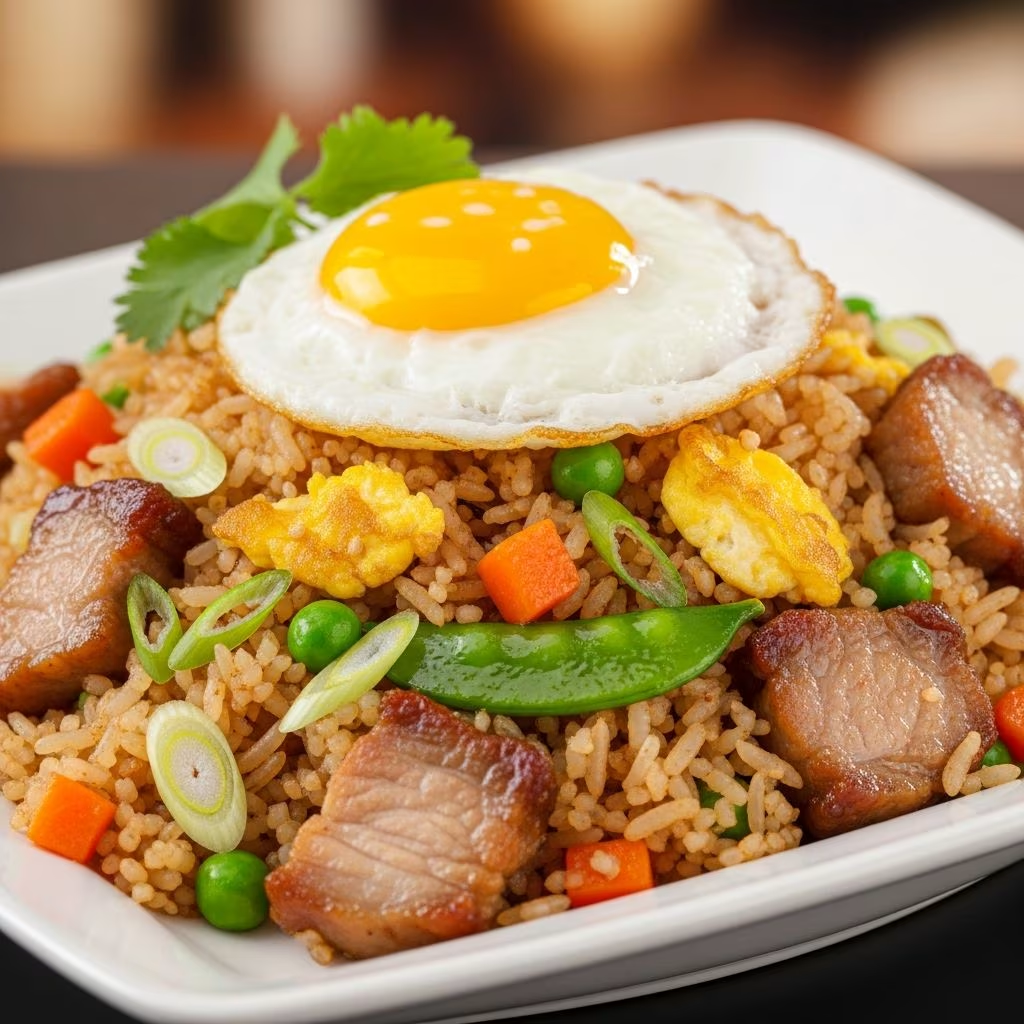
Pork fried rice stands as one of the most beloved and versatile dishes in Asian cuisine, offering home cooks an accessible entry point into wok cooking and stir-fry techniques. Whether you’re seeking to repurpose leftover rice or create a weeknight dinner that rivals takeout establishments, this one-pan meal delivers impressive results with straightforward methodology and readily available ingredients. The beauty of this dish lies in its adaptability—while maintaining its essential character, pork fried rice accommodates various ingredient substitutions and personal preferences, making it suitable for different dietary requirements and ingredient availabilities.
Understanding Your Protein Options
The choice of pork dramatically influences both the texture and flavor profile of your finished dish. While ground pork offers convenience and rapid cooking times, requiring approximately five to seven minutes for complete browning, alternative cuts provide distinctive culinary experiences worth exploring. Cubed pork loin delivers a firmer texture and more pronounced meat presence in each bite, ideal when you prefer distinct protein pieces throughout the rice. For those pursuing authentic Asian preparation methods, char siu—Chinese barbecued pork—represents the traditional choice used in restaurant settings. This pre-cooked, marinated pork brings complex flavors and beautiful caramelization without requiring additional cooking, though it demands either advance preparation or specialty sourcing.
Quantity matters significantly in pork fried rice preparation. Using approximately one-half to one pound of pork per three cups of cooked rice maintains proper balance, ensuring the protein complements rather than overwhelms the rice. This ratio prevents the dish from becoming excessively meat-heavy while guaranteeing sufficient protein distribution throughout each serving.
Vegetable Selection and Preparation
Vegetables contribute both nutritional value and textural contrast to pork fried rice. The essential vegetable trio typically includes onions, which provide aromatic foundation and mild sweetness when properly cooked, carrots adding subtle earthiness and bright color, and peas delivering sweetness and visual appeal. Beyond these staples, many preparations incorporate additional vegetables according to personal preference and ingredient availability.
- Onions: Use yellow varieties, finely diced to ensure even cooking and distribution throughout the rice
- Carrots: Cut into small, uniform pieces to match the rice grain size and ensure comparable cooking times
- Peas: Frozen varieties work exceptionally well, requiring no pre-cooking and maintaining their texture integrity
- Green onions: Added in two stages—white portions during cooking, green tops as finishing garnish
- Garlic: Minced fresh garlic added near the end of cooking prevents burning and preserves bright flavor
- Ginger: Fresh ginger, minced or grated, provides warm spice and aromatic complexity
The dicing technique deserves attention, as uniform vegetable sizes promote even cooking. Small, consistently sized pieces cook at comparable rates, creating a balanced texture throughout the dish rather than a mixture of undercooked and overcooked components.
Rice: The Foundation of Success
Rice quality and preparation methodology profoundly affect the final result. Cold, day-old rice works significantly better than freshly cooked rice, which tends toward clumping and creates a mushy texture rather than the separated, individual grains characteristic of excellent fried rice. The overnight refrigeration process allows the starch to set, and the moisture content decreases, enabling proper heating and tossing without breaking down grain structure.
When preparing rice specifically for fried rice, several strategies enhance results. Cooking the rice with a small amount of oil—approximately one teaspoon per three cups—reduces stickiness and promotes grain separation. After cooking, spread the rice on a tray and refrigerate uncovered to prevent moisture accumulation. If fresh rice is your only option, spread it on a baking sheet in a single layer while still warm, then refrigerate for at least two hours before using, though overnight storage remains preferable.
Rice variety affects both cooking and final presentation. Long-grain varieties including basmati and jasmine rice maintain their structure during stir-frying better than short-grain options. Jasmine rice, in particular, contributes subtle floral notes that complement pork and traditional seasonings beautifully.
Egg Integration Techniques
Eggs in pork fried rice serve both textural and binding functions, creating richness and moisture while helping distribute seasonings throughout the dish. The proper egg preparation involves beating eggs lightly before cooking, then scrambling them separately in a hot, oiled skillet until barely set. This preliminary cooking prevents overcooking during the final stir-frying stage and maintains egg texture integrity.
Transfer the scrambled eggs to a separate bowl, breaking them into small, bite-sized pieces rather than leaving them in large chunks. This approach distributes egg throughout the dish more effectively and creates a more refined final presentation. The egg combines with rice toward the end of cooking, when gentle stirring incorporates the pieces without crushing them into an undesirable paste.
Seasonings and Flavor Development
Traditional seasonings establish the characteristic pork fried rice flavor profile. Soy sauce provides umami depth and essential saltiness, requiring careful measurement to avoid oversalting the dish. Sesame oil, added sparingly, delivers nutty aromatics and finishing richness—a small amount goes considerable distance. Oyster sauce, when incorporated, adds subtle sweetness and additional umami complexity.
Many preparations benefit from additional seasoning elements introduced through a sauce mixture combined before cooking. This approach ensures even distribution of seasonings throughout the rice rather than creating concentrated pockets of salt or sauce flavor. A basic sauce might combine soy sauce, sesame oil, and a small amount of liquid such as hot water or rice vinegar, whisked together to create a homogeneous mixture for application.
White pepper, used sparingly, contributes warmth without the visual presence of black pepper. Hoisin sauce adds sweet, fermented complexity when used judiciously. Fresh herbs, particularly cilantro and additional green onion tops added after cooking, brighten the finished dish and add aromatic freshness.
Equipment and Cookware Considerations
A large skillet or wok accommodates the ingredients necessary for pork fried rice without crowding. Adequate surface area prevents steaming and promotes the desired browning and texture development. Non-stick surfaces simplify cooking and cleanup, though traditional woks or stainless steel skillets also perform excellently with proper heat management and oil application.
Medium-high heat provides the optimal temperature for cooking without burning aromatic ingredients like garlic and ginger. An oiled surface, achieved either through initial oil addition or oil misting, prevents sticking while promoting the slight caramelization that enhances overall flavor complexity. Wooden spoons or silicone spatulas facilitate stirring without damaging non-stick surfaces, while these tools also help break up rice clumps as they form during cooking.
Step-by-Step Execution
Begin by heating your skillet or wok over medium-high heat. Add oil and, once shimmering, introduce beaten eggs. Allow them to cook undisturbed for approximately 30 seconds before scrambling into small pieces using a spatula or wooden spoon. Once fully set, transfer to a bowl and set aside.
Add additional oil to the same skillet and incorporate onions and carrots. Stir occasionally, cooking for approximately two to three minutes until the vegetables begin softening. Add the pork, breaking it into bite-sized pieces as it cooks. Season with salt and pepper, allowing the meat to brown slightly and develop caramelized edges.
Introduce minced garlic and ginger, stirring constantly for approximately 30 seconds to one minute until fragrant—this brief cooking time prevents the aromatics from burning while activating their flavors. Add peas and cook for an additional minute, stirring gently.
Introduce the cold rice, breaking up any remaining clumps with the spatula as you incorporate it into the pork and vegetable mixture. Stir constantly for two to three minutes, allowing the rice to heat through completely. The surface of individual rice grains should appear slightly glossy, indicating proper heating and beginning of oil absorption.
Create a well in the center of the rice mixture and add the reserved scrambled eggs. Stir the eggs for approximately 30 seconds to one minute, distributing them throughout. Pour in the soy sauce and sesame oil, stirring with a scooping motion to ensure even distribution rather than circular motions that might break down rice grains.
Remove from heat and fold in the reserved green onion tops and any additional fresh herbs. Taste and adjust seasonings as needed, keeping in mind that soy sauce intensity can develop as the dish cools slightly.
Serving and Storage Recommendations
Pork fried rice reaches its optimal texture and flavor immediately after cooking, making service right from the skillet ideal. However, this dish also reheats successfully, making it excellent for meal preparation purposes. Leftover portions store in airtight containers within the refrigerator for three to four days.
Reheating requires gentle methods to prevent overcooking and rice texture degradation. Microwave reheating in intervals, stirring between sessions, works effectively for individual portions. For larger quantities, gentle warming in a skillet over low heat with minimal additional oil preserves texture better than aggressive high-heat reheating.
Customization and Variation Strategies
The foundational pork fried rice formula accommodates numerous modifications according to dietary preferences and ingredient availability. Mushrooms—cremini, shiitake, or oyster varieties—add earthy depth and meaty texture, particularly when finely diced to match rice grain size. Water chestnuts provide crisp texture contrast, while cashews or peanuts introduce protein variety and textural interest.
Vegetable substitutions might include broccoli florets, bell peppers, green beans, or corn kernels, each contributing distinctive flavors and colors. For heat enthusiasts, sriracha sauce, chili paste, or dried chili flakes intensify the finished dish. Coconut milk creates a richer, creamier variation, while soy sauce reduction concentrates saltiness and umami intensity for deeper flavor profiles.
Troubleshooting Common Issues
Soggy, clumped rice typically results from using freshly cooked rice or insufficient oil during cooking. Remedy this by ensuring proper rice preparation and using adequate oil throughout the cooking process. Bland flavor indicates inadequate seasoning—taste and adjust soy sauce, sesame oil, and other seasonings before serving.
Unevenly cooked vegetables suggest inconsistent dicing or adding vegetables at different cooking stages. Ensure uniform vegetable size and add all initial vegetables simultaneously to promote consistent texture development. If the finished dish appears dry, fold in a small amount of sesame oil or additional soy sauce mixed with a minimal amount of liquid to create appropriate moisture.
Frequently Asked Questions
Can I use leftover cooked pork other than the options mentioned?
Absolutely. Any leftover cooked pork works well—roasted pork tenderloin, braised pork shoulder, or even holiday ham can be diced and incorporated. Avoid very fatty cuts or heavily seasoned preparations that might overpower the balanced flavors.
What if I don’t have jasmine or basmati rice?
Long-grain white rice works acceptably, though the subtle aromatic qualities differ. Short-grain rice tends toward clumping and is less ideal, but can work if properly prepared and refrigerated overnight as described.
Is sesame oil necessary for authentic pork fried rice?
While not absolutely required, sesame oil contributes significantly to the characteristic nutty flavor. Small quantities—typically one to two teaspoons in a full batch—provide noticeable impact without overpowering other elements.
Can I prepare this dish ahead of time?
You can prepare individual components—cook the pork, chop vegetables, cook and refrigerate rice—well in advance, then assemble and cook the complete dish when needed. Full-batch preparation reheats acceptably but offers best texture when served immediately after cooking.
References
- Pork Fried Rice Recipe — Adventures of Mel. https://adventuresofmel.com/pork-fried-rice/
- Pork Fried Rice Recipe — Land O’Lakes. https://www.landolakes.com/recipe/11026/pork-fried-rice/
- Healthy Pork Fried Rice — A Sweet Pea Chef. https://www.asweetpeachef.com/healthy-pork-fried-rice/
- Easy Pork Fried Rice — What A Girl Eats. https://whatagirleats.com/pork-fried-rice/
- Pork Fried Rice: Like the Restaurants Make It — The Woks of Life. https://thewoksoflife.com/classic-pork-fried-rice/
- Best Pork Fried Rice Recipe — Delish. https://www.delish.com/cooking/recipe-ideas/a54467/how-to-make-pork-fried-rice-recipe/