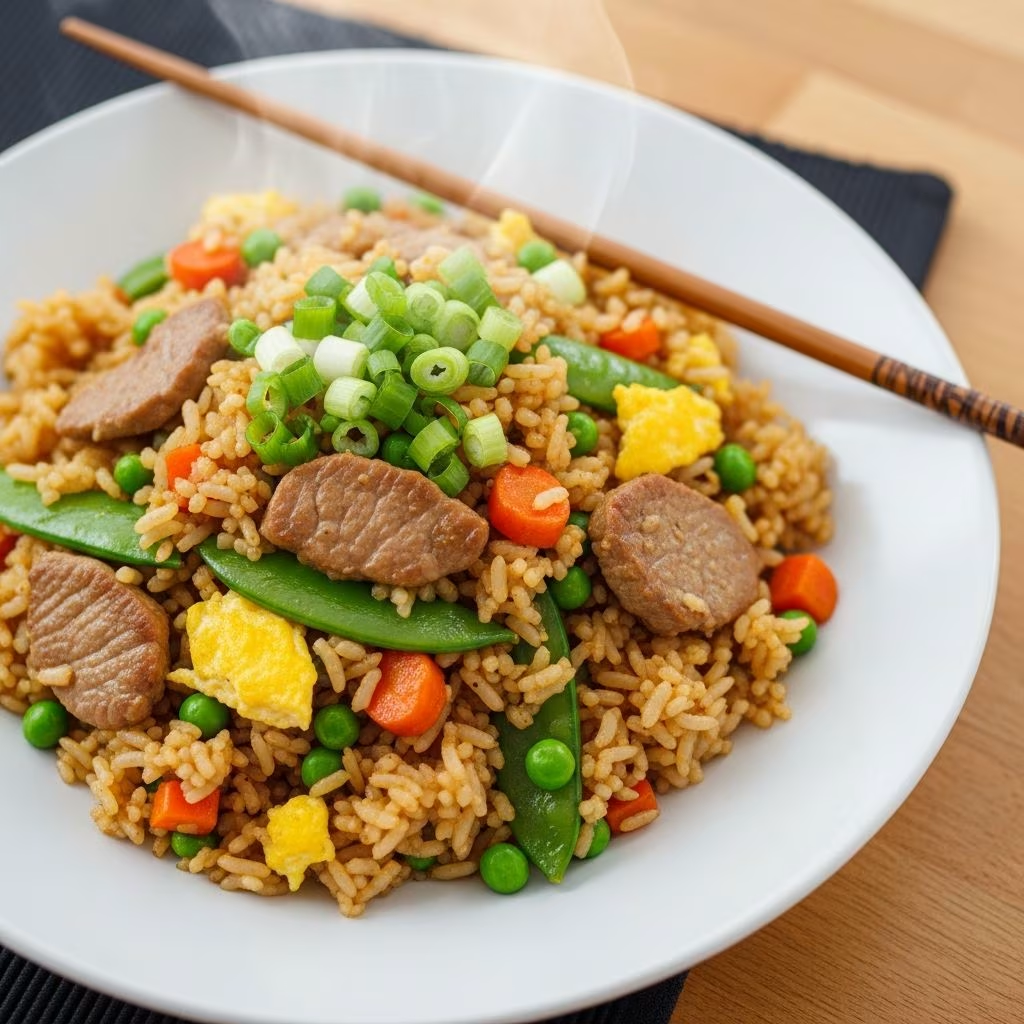
Pork fried rice represents one of the most accessible and satisfying dishes you can prepare in your own kitchen. This beloved Asian staple combines tender pork, fluffy rice, and fresh vegetables in a savory, umami-rich sauce that rivals takeout quality while requiring minimal culinary expertise. Whether you’re managing a hectic schedule or simply seeking a wholesome meal that comes together rapidly, pork fried rice delivers both convenience and genuine flavor without compromise.
Understanding the Foundations of Pork Fried Rice
At its core, pork fried rice is a versatile dish that transforms basic pantry staples into a complete, satisfying meal. The beauty of this preparation lies in its flexibility—you control the ingredients, cooking methods, and flavor intensity. Unlike many complex recipes that demand specialized equipment or hard-to-find components, pork fried rice requires only fundamental cooking skills and commonly available ingredients found in most home kitchens.
The dish works exceptionally well as a solution for leftover rice and cooked proteins. Many home cooks discover that preparing fried rice becomes easier when rice has been refrigerated, as cooled rice separates more readily during cooking, preventing clumping and mushiness that can plague freshly cooked rice.
Essential Ingredients for Your Pork Fried Rice
The Protein Foundation
Selecting the right pork cut dramatically influences both preparation time and final texture. Several options work beautifully depending on your preferences and what you have available:
- Ground pork: This option provides the fastest cooking time and distributes evenly throughout the rice, creating consistent flavor in every bite
- Pork tenderloin: When diced into bite-sized pieces, this tender cut cooks quickly and maintains a pleasant texture without becoming tough
- Pork chops: Boneless center-cut pork chops can be sliced or cubed, offering a familiar option for many home cooks
- Leftover cooked pork: Previously prepared pork reduces cooking time substantially, making this an excellent choice when you’re truly pressed for time
Rice Selection and Preparation
Rice quality matters significantly in this dish. Long-grain varieties like basmati or jasmine rice work best because they maintain their individual grain structure rather than becoming sticky or mushy. Crucially, the rice should be completely cooled before use—ideally refrigerated for several hours or overnight. Cold rice resists clumping and allows each grain to remain separate during the high-heat cooking process, resulting in the characteristic light, fluffy texture that defines excellent fried rice.
Vegetable Components
Vegetables contribute both nutritional value and appealing texture variation. Common selections include carrots, peas, onions, bell peppers, and celery. You can choose fresh vegetables sliced into uniform bite-sized pieces or employ frozen mixed vegetable blends for maximum convenience. The key is using vegetables that cook quickly and complement rather than overpower the pork and savory sauce.
The Flavor Profile: Sauces and Seasonings
The sauce represents the soul of pork fried rice, delivering the savory, umami-forward taste that defines the dish. A basic sauce typically combines soy sauce as the primary flavoring agent, supplemented by sesame oil for nutty depth and aromatic complexity. Many recipes incorporate additional elements such as ginger, garlic, brown sugar for subtle sweetness, and chili paste for gentle heat. These components work in concert to create a balanced, multidimensional flavor that makes the dish memorable and crave-worthy.
Step-by-Step Cooking Methodology
Initial Protein Preparation
Begin by preparing your chosen pork in the wok or large skillet over medium-high heat with a small amount of oil. Season the pork generously with salt and pepper before cooking. If using ground pork, break it into small pieces as it cooks, stirring frequently to ensure even browning. For cut or diced pork, cook until the exterior develops a golden crust and the interior reaches full doneness. This initial step builds flavor through the Maillard reaction, creating complex, savory notes. Once complete, transfer the cooked pork to a separate bowl and set aside.
Vegetable Development
In the same cooking vessel, add fresh vegetables if using them, or frozen vegetables if that’s your choice. Cook vegetables for three to five minutes, stirring occasionally, until they develop slight color and begin softening. This stage should not fully cook the vegetables—maintain some texture and slight firmness for optimal mouthfeel in the finished dish. The goal is bringing them to a point of partial tenderness while preserving their structural integrity and nutritional qualities.
Rice Integration
Add your cooled rice to the pan with the vegetables. Break up any clumps gently with a spatula, distributing the rice evenly throughout the cooking vessel. Stir continuously for several minutes, allowing the rice to absorb heat and develop a slightly toasted character. This step prevents the rice from remaining cold or developing a mushy quality while helping it absorb the flavoring sauce more effectively.
Sauce Application and Combination
Pour your prepared sauce over the rice and vegetables, then return the cooked pork to the pan. Toss everything together thoroughly, ensuring all components are evenly coated with the savory liquid. Continue cooking over medium heat for one to two minutes, stirring constantly. This brief cooking period allows the sauce to coat each grain of rice and flavor the vegetables thoroughly without evaporating completely.
Egg Integration
Beaten eggs can be incorporated in two different methods. The first approach involves cooking the eggs separately until fully scrambled, then folding them into the finished fried rice. The second method requires creating a small well in the center of the rice, pouring beaten eggs into this space, and gently scrambling them as you gradually incorporate the rice mixture, building a creamy, egg-coating throughout the dish. Either method produces delicious results—choose based on your preference for egg distribution and texture.
Ingredient Variations and Customization
| Component | Traditional Option | Alternative Choices |
|---|---|---|
| Primary Protein | Pork tenderloin | Ground pork, pork chops, cooked leftovers |
| Rice Type | Basmati or jasmine | White jasmine, brown rice (adjust cooking time) |
| Vegetables | Carrots, peas, onions | Bell peppers, broccoli, green beans, zucchini |
| Sauce Base | Soy sauce | Tamari, coconut aminos, low-sodium soy sauce |
| Aromatic Oils | Sesame oil | Peanut oil, coconut oil, vegetable oil |
Timing and Kitchen Efficiency
Total preparation and cooking time typically ranges from twenty to thirty minutes, depending on your ingredient choices and kitchen proficiency. Much of this time involves straightforward cooking at high heat rather than requiring active attention. The actual hands-on work—chopping vegetables, combining sauce ingredients, and monitoring the wok—usually consumes just ten to fifteen minutes, making this an ideal solution when you need satisfying food quickly without sacrificing quality.
Advance preparation significantly improves efficiency. Chopping all vegetables and combining sauce ingredients before heat touches the pan streamlines the cooking process considerably. Having your rice pre-cooked and refrigerated eliminates a major time investment, allowing you to focus entirely on the brief cooking stage.
Nutritional Considerations
Pork fried rice provides a reasonably balanced meal containing protein from the pork and eggs, carbohydrates from rice, vitamins and minerals from vegetables, and healthy fats from sesame oil. A typical serving contains approximately 550-600 calories with substantial protein content. The dish becomes more nutritionally complete when you emphasize vegetable quantity and incorporate brown rice instead of white rice for increased fiber content. Adjusting salt levels by using low-sodium soy sauce accommodates those monitoring sodium intake.
Common Preparation Challenges and Solutions
Issue: Clumpy, Mushy Rice
Solution: This occurs when using freshly cooked rice. Always cool rice completely before use, preferably refrigerating it for several hours. Cold rice separates easily during high-heat cooking.
Issue: Bland, Underseasoned Dish
Solution: Ensure your sauce ingredients are well-combined before adding to the pan. Don’t hesitate to add sauce gradually and taste frequently, adjusting seasoning as needed. Remember that soy sauce intensity varies by brand.
Issue: Unevenly Cooked Vegetables
Solution: Cut vegetables into uniform, bite-sized pieces so they cook at consistent rates. Alternatively, add vegetables in stages based on their cooking requirements, starting with harder varieties like carrots and finishing with faster-cooking options.
Issue: Dry Finished Dish
Solution: This typically results from using insufficient sauce or cooking too long at high heat, causing sauce evaporation. Use the full sauce amount and limit final cooking to one to two minutes.
Storage and Meal Planning
Leftover pork fried rice stores well in airtight containers for up to four days in the refrigerator. Reheat gently in a wok or skillet with a splash of sesame oil over medium heat, stirring frequently to redistribute flavors and restore texture. The dish also freezes successfully for up to three months, though the rice texture may become slightly softer upon thawing and reheating. Pork fried rice makes an excellent meal-prep option for busy weeks, as preparing a double batch requires minimal additional time while providing ready-to-eat meals for multiple days.
Frequently Asked Questions
Can I use day-old cooked rice?
Yes, absolutely. Day-old refrigerated rice is actually ideal for fried rice because the cooling process makes it easier to separate individual grains and prevents the mushy texture that fresh rice often produces.
What if I don’t have sesame oil?
Vegetable oil, peanut oil, or coconut oil work as substitutes, though they won’t provide the distinctive nutty flavor. You might compensate by adding extra ginger or garlic for depth.
Is low-sodium soy sauce necessary?
Not essential, but it provides control over salt levels in the finished dish. Regular soy sauce works perfectly; simply adjust additional salt based on taste.
Can I make this dish vegetarian?
Yes, simply omit the pork and increase vegetables or add tofu, tempeh, or additional eggs for protein. The cooking method and remaining ingredients remain unchanged.
How many servings does this recipe yield?
Most recipes serve four people as a main dish or six to eight as part of a larger meal. Portion sizes are easily adjusted by scaling ingredients proportionally.
References
- Quick And Easy Pork Fried Rice Recipe From Leftovers — Keeping It Simple Blog. 2024. https://www.keepingitsimpleblog.com/food/quick-and-easy-pork-fried-rice-recipe-from-leftovers/
- Quick Easy Pork Fried Rice — The Schmidty Wife. 2024. https://theschmidtywife.com/quick-easy-pork-fried-rice-recipe/
- Best Pork Fried Rice Recipe — Delish. 2024. https://www.delish.com/cooking/recipe-ideas/a54467/how-to-make-pork-fried-rice-recipe/
- Pork Fried Rice — Well Plated. 2024. https://www.wellplated.com/pork-fried-rice/
- Better Than Takeout Pork Fried Rice — Eating on a Dime. 2024. https://www.eatingonadime.com/pork-fried-rice-recipe/