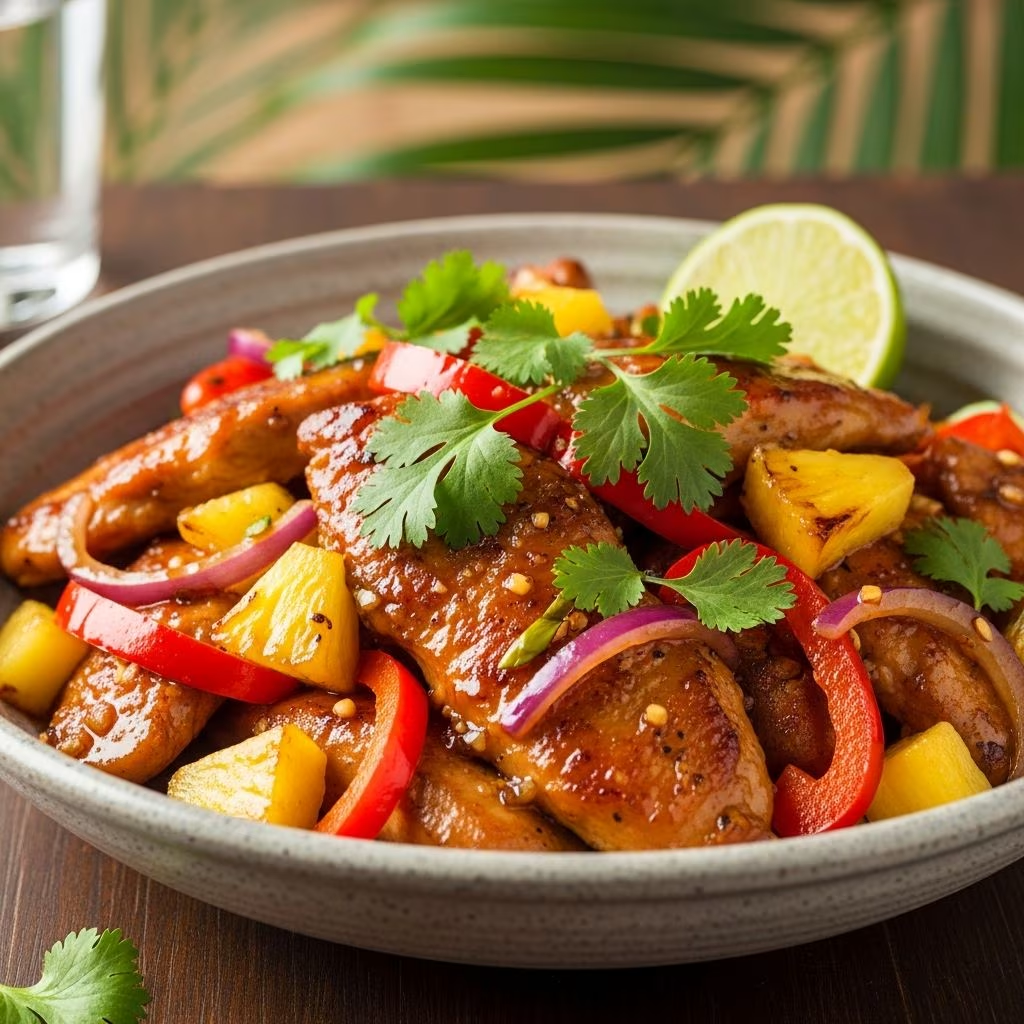
When you’re searching for a meal that combines vibrant flavors, minimal prep work, and impressive presentation, tropical pineapple chicken delivers on all fronts. This beloved dish merges the natural sweetness of fresh pineapple with tender chicken and savory seasonings, creating a balanced flavor profile that appeals to diverse palates. The beauty of this recipe lies in its simplicity—most variations can be prepared in roughly half an hour, making it an ideal choice for busy families, home cooks seeking restaurant-quality results without complexity, and anyone looking to expand their weeknight dinner rotation.
Understanding the Appeal of Pineapple and Chicken Combinations
The pairing of pineapple with chicken has deep roots in Asian cuisine, particularly in Thai and Filipino cooking traditions. This combination works because pineapple’s natural enzymes and acidity complement poultry’s mild flavor profile, while the fruit’s sweetness balances savory and umami-rich ingredients like soy sauce and ginger. The result is a multidimensional dish that satisfies both sweet and savory cravings in a single meal. When properly executed, pineapple chicken achieves textural contrast through tender meat, juicy fruit, and crisp vegetables, all unified by a glossy, thickened sauce.
Essential Ingredients for Your Pineapple Chicken Base
Creating this dish begins with gathering the fundamental components that form its backbone:
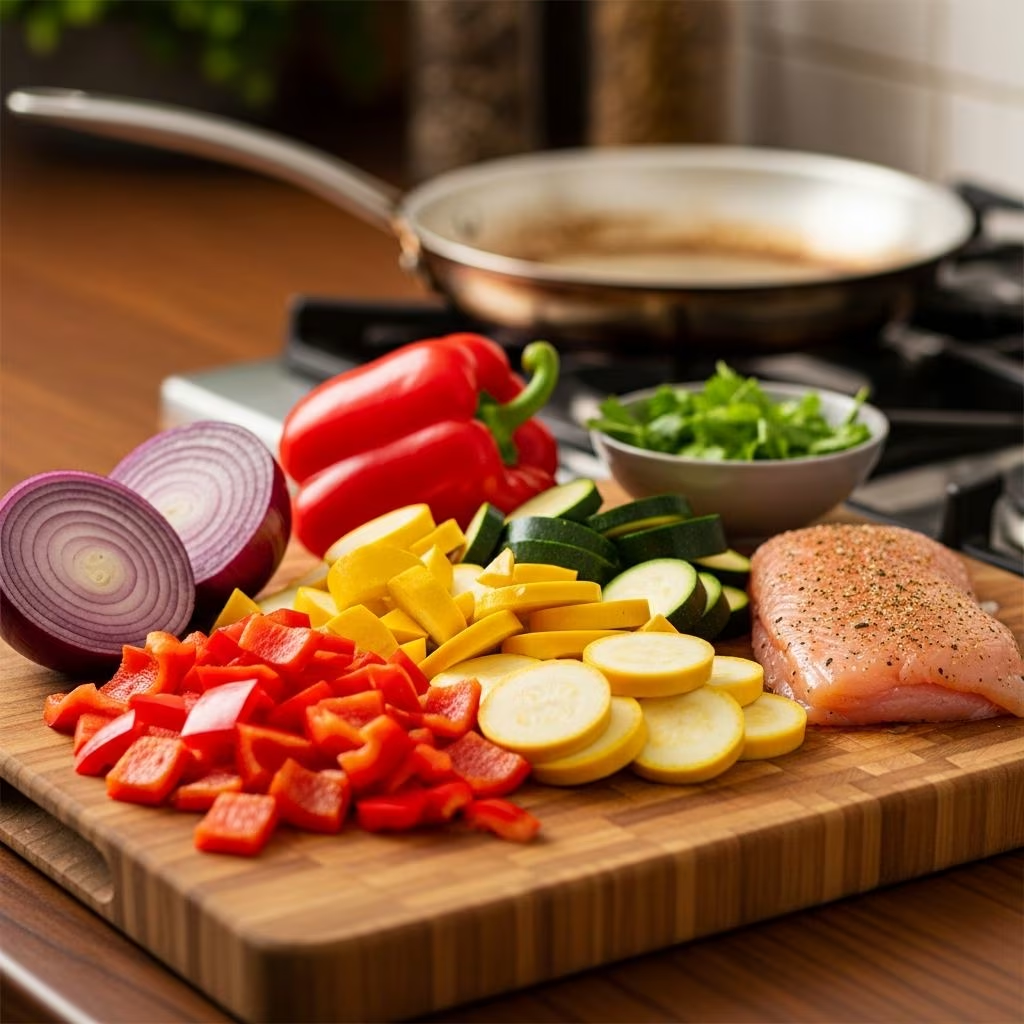
- Chicken breast—Use boneless, skinless varieties cut into bite-sized pieces for even cooking. This ensures every morsel reaches the proper 165°F internal temperature simultaneously.
- Pineapple—Canned pineapple chunks work beautifully and provide reserve juice for sauce creation. Fresh pineapple is equally valid if you prefer to drain and reserve its juice.
- Bell peppers—Red varieties add visual appeal and sweetness, while green peppers provide earthier notes. Orange and yellow options work equally well.
- Aromatics—Garlic and ginger form the foundational flavor base, typically minced or powdered for quick integration.
- Thickening agent—Cornstarch transforms the sauce from thin liquid to glossy coating. Dissolving it in cool water before adding prevents lump formation.
- Seasoning sauce base—Soy sauce, hoisin, or a combination provides umami depth and saltiness that rounds out the dish’s sweetness.
The Cooking Method: Stovetop Technique
Most home cooks approach pineapple chicken using a stovetop skillet or wok method, which offers superior control and browning compared to other techniques. Begin by heating oil in your cooking vessel over medium-high heat. Once the oil shimmers, add your chicken pieces in a single layer. Resist the urge to stir immediately—allow the first side to develop a golden-brown crust over 2-3 minutes. Flip the chicken and cook the opposite side for an additional 2-3 minutes until light browning appears.
Next, introduce your aromatic vegetables. Many recipes add garlic and ginger first, cooking these for 30 seconds to release their volatile oils and build flavor depth. Follow with bell pepper pieces and cook for approximately 3-4 minutes until they reach a crisp-tender state—soft enough to eat easily but still retaining structural integrity and slight crunch.
Incorporate your pineapple chunks and reserved juice, along with your sauce ingredients. Whisk together soy sauce, hoisin, brown sugar, and pre-dissolved cornstarch (mixed with 2 tablespoons cool water to prevent clumping). Pour this mixture into the skillet and stir continuously for 1-2 minutes. The sauce will gradually thicken as it heats, coating the chicken and vegetables in a glossy layer. Once the sauce reaches your desired consistency and the chicken reaches 165°F internally, your dish is complete.
Alternative Preparation Methods
While stovetop cooking dominates pineapple chicken recipes, alternative techniques exist for different cooking preferences and equipment availability. Some home cooks prefer baking pineapple chicken at 425°F for approximately 20 minutes. This method requires cutting chicken into thin cutlets, brushing with sauce, topping with pineapple chunks and brown sugar-soy mixture, then baking until cooked through. This hands-off approach requires minimal monitoring and works well for larger quantities.
Grilling offers another attractive option, particularly for entertaining or outdoor cooking scenarios. Marinate chicken pieces in your sauce mixture for 2-4 hours in the refrigerator, then grill over medium-high heat for 3-5 minutes per side depending on thickness. Brush with additional sauce during cooking for deeper flavor development.
Sauce Composition and Flavor Balance
The sauce represents the soul of pineapple chicken, transforming individual ingredients into a cohesive dish. Most sauce formulations begin with reserved pineapple juice (typically 1/2 to 3/4 cup), which provides natural sweetness and acidity. Soy sauce contributes saltiness and umami depth, typically ranging from 2-3 tablespoons. Brown sugar adds concentrated sweetness and balances the saltiness of soy sauce. Optional additions include hoisin sauce for depth, honey for refined sweetness, ginger for warmth, and chili flakes for subtle heat.
The key to balanced sauce lies in tasting and adjusting. If your sauce tastes overly sweet, add additional soy sauce or a splash of vinegar. If too salty, introduce a tablespoon of honey or brown sugar. This iterative approach ensures your final dish achieves your preferred flavor profile. Cornstarch serves as the thickening mechanism, typically 1-2 tablespoons dissolved in cool water prevents the raw starch flavor from remaining detectable.
Ingredient Substitutions and Variations
Pineapple chicken’s inherent flexibility accommodates numerous substitutions based on dietary preferences, allergies, or ingredient availability. Those avoiding soy sauce might substitute tamari, coconut aminos, or additional garlic and ginger for umami replacement. Brown sugar substitutions include honey, maple syrup, or coconut sugar, each contributing subtle flavor variations. Hoisin sauce can be replaced with oyster sauce, miso paste, or simply omitted if unavailable.
Vegetable additions expand beyond bell peppers to include snap peas, broccoli florets, onions, carrots, or mushrooms. Each vegetable introduces distinct flavors and textures while maintaining the dish’s essential character. Some cooks add cashews or peanuts for textural contrast, while others introduce water chestnuts for additional crunch.
Serving Suggestions and Accompaniments
Presentation and complementary sides significantly impact the dining experience. Traditional service involves spooning the pineapple chicken mixture over steamed white rice, jasmine rice, or brown rice. These options provide neutral bases allowing the sauce to shine. For lower-carbohydrate alternatives, serve over cauliflower rice or spiralized vegetables. Quinoa offers a protein-rich option for health-conscious diners.
Garnishing elevates the visual appeal and adds final flavor notes. Green onions scattered atop the finished dish provide mild onion flavor and visual pop. Sesame seeds contribute nutty undertones and textural interest. Cilantro adds herbaceous freshness, particularly appreciated by those who enjoy Asian cuisines. Lime wedges served on the side offer diners the option to brighten flavors with additional acidity.
Nutritional Considerations
Pineapple chicken offers balanced nutrition, combining lean protein from chicken with vitamins and minerals from pineapple and vegetables. A typical serving provides substantial protein while the fruit contributes vitamin C, manganese, and bromelain enzyme. Bell peppers add vitamin A, vitamin C, and antioxidants. The sauce, while flavorful, should be consumed mindfully due to added sugars and sodium from soy sauce and hoisin.
For those monitoring sodium intake, reducing soy sauce quantities and replacing hoisin with lower-sodium alternatives decreases overall salt content. Substituting refined brown sugar with naturally sweetened options or reducing total sugar quantity creates a lighter version. Using olive oil instead of other cooking fats incorporates heart-healthy monounsaturated fats.
Timing and Efficiency in the Kitchen
Most pineapple chicken variations complete cooking within 20-30 minutes from start to finish. Advance preparation dramatically reduces active cooking time. Cubing chicken the night before, mincing aromatics, and preparing vegetables during breakfast allows for a streamlined dinner preparation. Some cooks prepare sauce components in advance, whisking them together minutes before cooking begins.
For maximum efficiency during cooking, organize ingredients near your cooking station in the order they’ll be used. This mise en place approach, fundamental to professional cooking, prevents scrambling for ingredients mid-preparation. Having pre-dissolved cornstarch ready prevents starch lumping that necessitates sauce straining.
Common Mistakes and How to Avoid Them
Several pitfalls frequently plague home cooks attempting pineapple chicken. Overcrowding the skillet causes steam rather than browning—cook chicken in batches if necessary. Failing to properly brown chicken before sauce addition results in pale, less flavorful meat—allow adequate time for the Maillard reaction to occur. Adding cornstarch directly to hot liquid creates lumps—always pre-dissolve in cool water first.
Cooking sauce too long can cause excessive thickening that becomes gluey upon cooling—add sauce near the end of cooking and monitor closely. Using tough, overcooked chicken disappoints diners regardless of sauce quality—check internal temperature and remove from heat immediately at 165°F. Neglecting to taste and adjust seasonings results in flat-tasting dishes—season progressively throughout cooking rather than only at the end.
Storage and Make-Ahead Strategies
Pineapple chicken stores beautifully, making it ideal for meal preparation strategies. Allow the finished dish to cool completely before transferring to airtight containers. Refrigerated pineapple chicken remains fresh for 3-4 days. The sauce solidifies upon cooling due to cornstarch but liquefies again when reheated, maintaining the dish’s integrity. Reheat gently over medium heat on the stovetop with occasional stirring, or use microwave heating in 1-minute intervals.
Freezing is also viable. Many cooks freeze pineapple chicken (minus the rice if meal prepping) in flat, stackable containers for space efficiency. Thaw overnight in the refrigerator and reheat using the methods above. The sauce maintains its glossy appearance and flavor profile through this process, though frozen chicken may require slightly longer reheating time.
Frequently Asked Questions
Can I use chicken thighs instead of breast meat?
Absolutely. Chicken thighs contain more fat, remain moist during cooking, and develop richer flavor. Thighs require slightly longer cooking—approximately 8-10 minutes initially to ensure thorough doneness throughout the thicker meat.
Is fresh pineapple preferable to canned?
Both work wonderfully. Fresh pineapple offers superior texture and brightness, though canned varieties provide convenience and consistent juice quantities for sauce preparation. If using fresh, ensure pineapple is ripe but not overly soft to maintain structural integrity during cooking.
How can I make this dish less sweet?
Reduce brown sugar quantities, eliminate added honey, and increase soy sauce or add vinegar. Additional garlic and ginger also contribute savory complexity that balances sweetness. Taste progressively as you adjust to achieve your preferred balance.
What rice pairs best with pineapple chicken?
Jasmine rice provides aromatic complement to the tropical flavors. Basmati rice offers light, fluffy texture. White rice works universally. Brown rice contributes nuttiness and additional nutrition. The choice depends on personal preference and dietary priorities.
Can this be prepared in a slow cooker?
Yes, though browning the chicken initially in a skillet produces superior flavor development through the Maillard reaction. Add browned chicken, vegetables, and sauce to a slow cooker on low for 4-6 hours or high for 2-3 hours. Add cornstarch slurry during the final 30 minutes to achieve proper sauce consistency.
References
- Food Safety and Inspection Service (FSIS) Guidance on Chicken Internal Temperature — United States Department of Agriculture. 2024. https://www.fsis.usda.gov/food-safety/safe-food-handling-and-preparation/food-safety-basics/safe-temperature-chart
- Bromelain: Biochemistry, Pharmacology, and Medical Use — Maurer, H. R. (2001). Cell & Molecular Life Sciences, 58(9), 1234-1245. https://doi.org/10.1007/PL00000936
- Maillard Reaction in Food and Health — Friedman, M. & Mackey, B. E. (2021). Comprehensive Reviews in Food Science and Food Safety, 20(8), 5028-5076. https://doi.org/10.1111/1541-4337.12837
- Sodium Content in Soy Sauce and Dietary Recommendations — American Heart Association. 2024. https://www.heart.org/en/healthy-living/healthy-eating/eat-smart/sodium
- Optimal Food Storage Temperatures and Shelf Life Guidelines — United States Department of Agriculture. 2024. https://www.fsis.usda.gov/food-safety/safe-food-handling-and-preparation/food-safety-basics/refrigeration