When you’re seeking a warming, satisfying dish that brings bold flavors to your dinner table without excessive complexity, picante chicken chili delivers on every front. This beloved comfort food combines tender poultry, hearty legumes, and a carefully balanced blend of warming spices to create a meal that satisfies both appetite and palate. Whether you’re cooking for family, preparing meals ahead for the week, or hosting a casual gathering, this versatile dish adapts beautifully to various ingredients and preferences while maintaining its core appeal.
Understanding Picante Chicken Chili and Its Appeal
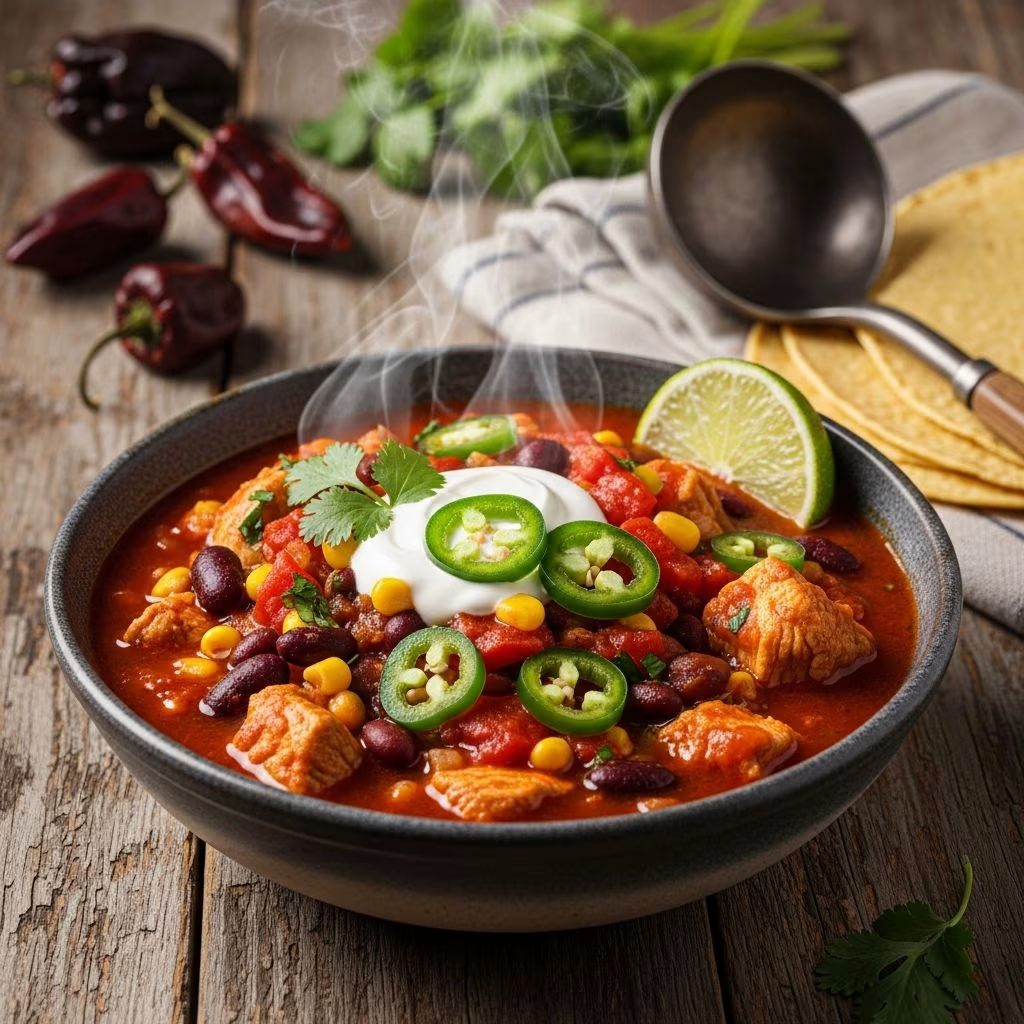
Picante chicken chili represents a modern interpretation of traditional chili, incorporating the zesty heat and depth of picante sauce alongside fresh ingredients. Unlike heavier beef-based versions, chicken provides a lighter protein option that allows the spice profile and bean flavors to shine through. The beauty of this dish lies in its balance—the picante sauce delivers authentic Mexican flavor notes without overwhelming the palate, while the combination of beans adds texture, nutrition, and substance to every spoonful.
This particular style of chili bridges the gap between traditional Mexican cuisine and American comfort food traditions. The result is a dish that feels familiar yet adventurous, satisfying yet not overly heavy. Many home cooks appreciate that this version comes together relatively quickly compared to beef chili, typically requiring thirty to forty-five minutes of active and passive cooking time.
Essential Ingredients for Building Flavor Depth
Creating exceptional picante chicken chili begins with understanding each ingredient’s role in the final dish. The foundation starts with quality chicken breast, which should be cut into bite-sized pieces or left as larger chunks depending on your texture preference. Raw chicken works beautifully here, cooking directly in the broth and absorbing all the surrounding flavors.
The aromatic base—onions and garlic—requires proper technique to develop sweetness and mellowness. These vegetables should soften gradually in oil before other ingredients arrive, allowing their natural sugars to caramelize slightly. This foundational flavor layer distinguishes homemade chili from rushed versions that skip this crucial step.
Picante sauce serves as the primary seasoning vehicle, providing both heat and authentic flavor complexity that would be difficult to replicate with individual spices. This ingredient varies in intensity depending on the brand and heat level selected. Choosing a sauce that aligns with your heat tolerance preferences ensures the final dish satisfies your preferences without requiring additional adjustments.
Beans contribute essential body and nutrition to the dish. Most recipes employ a combination of black and white beans, though some variations use a single variety. The beans soften during cooking and begin to break down, thickening the chili naturally while adding protein and fiber. Canned beans work effectively here, requiring only draining and rinsing to remove excess sodium.
Crushed tomatoes provide acidity that balances richness and rounds out the flavor profile. Chicken broth dilutes the intensity of other ingredients while creating a cohesive sauce rather than a stew. Together, these liquid components create the characteristic chili consistency—thick enough to cling to ingredients but fluid enough to distribute flavors evenly.
Spice Selection and Mexican Seasoning Fundamentals
While picante sauce provides primary seasoning, complementary spices enhance and expand the flavor complexity. A Mexican seasoning blend typically incorporates chili powder, which adds earthiness and mild heat; ground cumin, which brings warmth and subtle nuttiness; and dried oregano, which contributes herbaceous notes. Salt rounds out the blend, ensuring all flavors register on the palate appropriately.
The decision between using pre-made seasoning blends and combining individual spices depends on pantry availability and personal preference. Pre-made blends offer convenience and consistency, while individual spices allow customization of the heat level and flavor intensity. Toasting whole spices briefly before grinding them amplifies their aromatic qualities, though this step requires additional equipment and time.
Fresh jalapeño peppers add brightness and variable heat depending on how many seeds and internal ribs you remove. These seeds contain concentrated capsaicin—the compound responsible for chili heat—so keeping them intact increases spiciness while removing them reduces it. Fresh peppers contribute a different quality than dried spices, adding vegetal notes and texture variation.
Step-by-Step Cooking Process and Technique
Successful chili preparation follows a logical progression that builds flavor systematically. Begin by heating oil in a large saucepan or Dutch oven over moderate heat. Once the oil shimmers, add diced onions and allow them to soften for approximately three minutes, stirring occasionally to ensure even cooking without browning.
Minced garlic joins the onions next, cooking for one additional minute to become fragrant without developing harsh, burnt flavors. At this point, increase the heat to moderate and add chicken pieces, stirring frequently until they lose their pink appearance—typically requiring two to three minutes depending on piece size. This cooking stage flavors the chicken from the outside while preparing it for the extended simmer ahead.
Incorporating the spice blend at this juncture allows the spices to bloom in the oil, releasing their essential oils and intensifying their contribution to the final dish. After stirring in the Mexican seasoning, add jalapeño pieces if using them. Pour in crushed tomatoes with their juice and chicken broth, stirring well to combine all components uniformly.
Bring the mixture to a boil, then reduce the heat to low and cover the saucepan. Allow the chili to simmer undisturbed for approximately fifteen minutes. This initial simmer tenderizes the chicken and permits flavors to meld. After this period, uncover the pot and add the drained beans along with black pepper, then continue simmering for an additional fifteen minutes until the chili thickens noticeably.
Customization Options and Flavor Variations
While the basic formula produces excellent results, numerous opportunities exist to personalize this dish according to dietary preferences and ingredient availability. Those preferring lighter meals might reduce the amount of beans or substitute additional vegetables. Bell peppers, corn, or zucchini add volume, nutrition, and color without dramatically altering the core flavor profile.
For heat-sensitive palates, reducing the picante sauce amount or selecting a milder variety moderates spiciness while maintaining authentic flavor. Conversely, adding additional jalapeños, hot sauce, or cayenne pepper satisfies those seeking substantial heat. Some cooks incorporate cubed sweet potatoes for natural sweetness that balances spicy elements.
Protein alternatives expand possibilities beyond traditional chicken breast. Ground chicken cooks faster and distributes more evenly throughout the chili, while thighs provide richer flavor due to higher fat content. Turkey offers a leaner poultry option that works similarly to chicken. Pre-cooked or canned chicken accelerates preparation when time is particularly limited.
| Ingredient Addition | Reason for Including | Approximate Amount |
|---|---|---|
| Corn | Adds sweetness and texture contrast | 1-1.5 cups |
| Bell peppers | Increases vegetable content and color | 1-2 peppers |
| Cream cheese | Creates creamier consistency | 4 oz |
| Worcestershire sauce | Deepens umami and overall richness | 1-2 tablespoons |
| Cilantro | Adds fresh herb brightness | ¼ cup fresh |
Serving Suggestions and Pairing Recommendations
Picante chicken chili reaches its full potential when paired thoughtfully with complementary sides and garnishes. Cornbread—whether traditional, jalapeño-studded, or sweetened—provides textural contrast and helps soak up flavorful broth. Warm flour tortillas offer another excellent vehicle for serving, allowing diners to construct their own flavor combinations.
Traditional chili accompaniments enhance the eating experience significantly. Shredded cheese—cheddar, Monterey Jack, or pepper Jack varieties work particularly well—melts into the warm chili and adds richness. Sour cream dolloped onto individual bowls provides cooling, creamy contrast to the spicy broth. Diced onions, fresh cilantro, and additional jalapeños allow diners to customize their bowl to personal preference.
Serving chili over rice or pasta transforms it into a different dish entirely, distributing the flavorful broth more widely and creating a more substantial meal. Some families prefer this presentation for simplicity and heartiness. Others enjoy chili in bread bowls—hollowed-out round loaves—for an impressive presentation that also happens to be edible.
Storage, Reheating, and Make-Ahead Convenience
One of picante chicken chili’s greatest advantages is its suitability for advance preparation. The dish actually improves after sitting for a day or two as flavors continue melding and deepening. Store cooled chili in airtight containers in the refrigerator for up to four days, or portion into freezer-safe containers for longer storage lasting two to three months.
Thawing frozen chili requires overnight refrigeration or slow thawing at room temperature. Reheating occurs gently over moderate heat on the stovetop, stirring occasionally and adding water or broth if the chili has thickened excessively during storage. Microwave reheating works in a pinch, though stovetop methods provide better temperature distribution and prevent scorching.
Meal-prep enthusiasts appreciate that picante chicken chili divides easily into individual portions for grab-and-go lunches throughout the week. The protein-rich, fiber-packed composition keeps diners satisfied for hours, making it an excellent choice for busy weekdays when cooking time is limited.
Nutritional Benefits and Dietary Considerations
This chili style offers meaningful nutritional advantages beyond simple satisfaction. Chicken breast provides high-quality lean protein supporting muscle maintenance and satiety without excessive saturated fat. Beans contribute plant-based protein, dietary fiber, and essential minerals including iron and magnesium. The fiber content supports digestive health and helps maintain stable blood sugar levels.
Fresh vegetables and spices add vitamins and phytonutrients without significant calorie contribution. Jalapeños contain capsaicin, which research suggests may support metabolism and provide anti-inflammatory benefits. Garlic and onions provide sulfur compounds associated with various health benefits in traditional medicine systems.
Those following specific dietary patterns find this dish accommodating. It naturally suits gluten-free diets when served without bread products, works for dairy-free eaters when prepared without cheese garnishes, and fits within most lower-carbohydrate eating patterns when beans are limited. The easily customizable nature means nearly anyone can enjoy a personalized version.
Troubleshooting Common Issues and Solutions
Even experienced cooks encounter occasional challenges when preparing chili. If the final dish tastes too bland, insufficient seasoning likely bears responsibility. Rather than adding more salt immediately, taste carefully and consider whether additional spice, picante sauce, or acidic elements like lime juice might better address the issue.
Excessive thickness sometimes occurs when chili simmers longer than anticipated or when too many beans contribute starches. Thinning occurs easily by stirring in water or broth gradually until reaching the desired consistency. Conversely, chili that remains too thin may need additional simmering time uncovered to allow excess liquid to evaporate.
Chicken that becomes stringy or tough typically results from overcooking. Using bite-sized pieces rather than whole breasts helps avoid this issue, as does avoiding excessively long cooking times once chicken is fully cooked. If this occurs, the texture remains acceptable even if not ideal—the chili still tastes excellent.
Flavor Development Secrets from Experienced Cooks
Professional and home cooks who prepare exceptional chili consistently employ several techniques that elevate results. Blooming spices in fat before adding liquid intensifies their aromatics and distributes flavor more evenly. Building flavor in stages rather than combining all ingredients at once allows each component to properly develop before additional complexity arrives.
Tasting and adjusting seasonings throughout cooking permits fine-tuning before the final product reaches serving temperature. This method proves far more effective than attempting major corrections after cooking completes. Some cooks add a small amount of sugar or honey to balance acidity and round out sharp flavors without creating noticeable sweetness.
Using homemade or lower-sodium broths permits better flavor control than heavily salted commercial varieties. This approach prevents the finished chili from becoming oversalted, though it requires more careful seasoning adjustment. Fresh ingredients—garlic, onions, and peppers rather than pre-minced or powdered versions—contribute more complex flavor development.
Frequently Asked Questions
Can this chili be made in a slow cooker? Yes, combine all ingredients in a slow cooker and cook on low for 6-8 hours or high for 3-4 hours. This method suits meal planning well, though stovetop cooking creates more concentrated flavors through faster liquid reduction.
What’s the best way to adjust heat level? Choose a picante sauce with your preferred heat level initially, then use fresh jalapeños or hot sauce to fine-tune final results. Adding heat proves easier than removing it, so start conservatively and build gradually.
Can ground chicken replace chicken breasts? Absolutely. Ground chicken cooks faster and distributes evenly throughout the chili. Use about the same weight, cooking it until no pink remains before adding other ingredients.
How far ahead can this be prepared? Picante chicken chili can be assembled and refrigerated overnight before cooking, or prepared completely and refrigerated for up to four days. Freezing in portions extends storage to 2-3 months.
What substitutions work for canned beans? Cooked dried beans work identically. Other bean varieties including kidney beans or a combination of different types adapt well, though they may alter the final color and texture slightly.
References
- Spicy Chicken Chili (Chili de Pollo Picante) — Food Bank of Central and Southern Colorado. https://www.foodbankccs.org/recipe/spicy-chicken-chili-chili-de-pollo-picante/
- Chicken Chili Recipe – Family Favorite with Picante Sauce & Salsa — In The Curious Kitchen. https://inthecuriouskitchen.com/blogs/recipes/chicken-chili
- Spicy White Chicken Chili — Taste and See. https://tasteandsee.com/spicy-white-chicken-chili/
- White Chicken Chili — The Cozy Cook. https://thecozycook.com/white-chicken-chili/
- Award Winning White Chicken Chili — Art From My Table. https://www.artfrommytable.com/award-winning-white-chicken-chili/
- Chicken & Bean Chili — Pace Sauces, Campbell’s Company. https://www.campbells.com/pace/recipes/chicken-bean-chili/