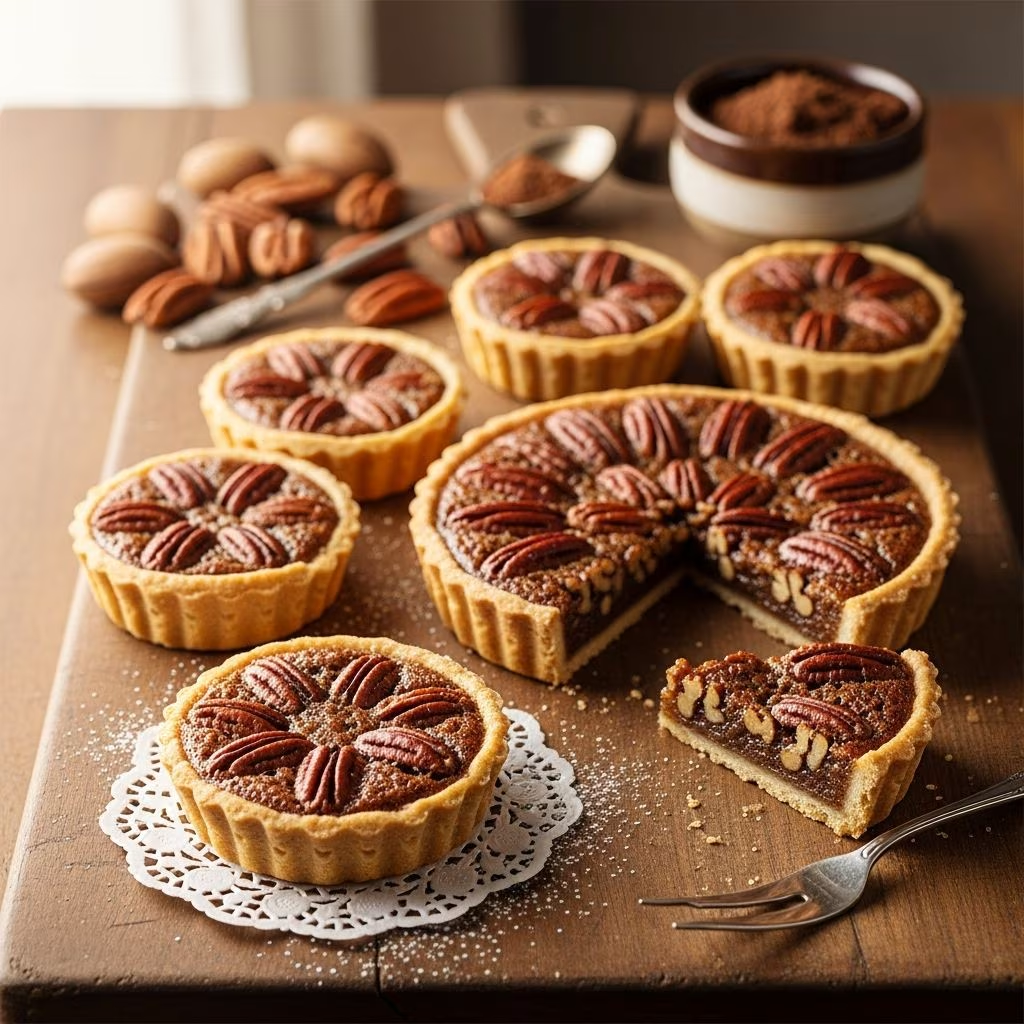
Pecan tarts represent a quintessential American dessert that combines buttery pastry shells with rich, caramel-like fillings studded with toasted nuts. These individual-sized treats offer the indulgence of traditional pecan pie in a more elegant, portion-controlled format. Whether you’re preparing desserts for a holiday gathering, special occasion, or simply satisfying a sweet craving, understanding the fundamentals of pecan tart construction ensures consistent, delicious results.
Understanding Pecan Tarts and Their Appeal
Pecan tarts differ from their larger counterpart, pecan pie, primarily in their presentation and serving size. Individual tarts allow for easier portioning, more sophisticated plating, and reduced baking time compared to full-sized pies. The ratio of crispy pastry shell to rich filling remains balanced, preventing the overwhelming sweetness that sometimes characterizes oversized pecan pies. This dessert format gained popularity as both a home baker’s solution and a professional pastry shop staple.
The appeal of pecan tarts extends beyond their size. Each component—the tender crust, creamy filling, and candied pecans—contributes distinct textural and flavor elements. When executed properly, a well-made pecan tart delivers sophistication comparable to bakery offerings while remaining accessible to home bakers of varying skill levels.
Essential Ingredients for Pecan Tart Success
Creating outstanding pecan tarts requires understanding how each ingredient functions within the formula. Quality ingredient selection and proper proportioning establish the foundation for professional-level results.
Pastry Shell Components
The tart shell requires three primary ingredients: flour, butter, and cream cheese. Some recipes incorporate salt for flavor enhancement and texture refinement. The flour provides structure, while butter contributes richness and aids in achieving a flaky, tender crumb. Cream cheese introduces moisture and promotes a slightly more forgiving dough that handles easily, making it ideal for home bakers.
Traditional ratios typically call for approximately 8 ounces of cream cheese combined with 3/4 to 1 cup of softened butter, mixed with 2 to 2⅔ cups of all-purpose flour. This proportion yields sufficient dough for approximately 12 individual tartlets or mini tarts in standard muffin-sized tins.
Filling Ingredients and Their Functions
The filling consists of eggs, brown sugar, butter, vanilla extract, and pecans. Eggs serve as the binding agent while contributing slight structure through their protein content. Brown sugar provides moisture, depth of flavor, and the characteristic caramel notes that define pecan tart taste profiles. The choice between light and dark brown sugar influences the final flavor intensity—dark brown sugar imparts more pronounced molasses undertones.
Butter melted into the filling creates richness and helps achieve the desired custard-like consistency. Pure vanilla extract enhances overall flavor complexity without introducing artificial notes. Finally, pecans—whether chopped or presented as halves for decoration—form the textural foundation and primary flavor identity of the dessert.
Detailed Preparation Techniques
Constructing the Perfect Crust
Begin by combining softened cream cheese and butter in a large mixing bowl. Using an electric hand mixer or stand mixer, beat these ingredients until thoroughly combined and creamy in appearance, typically requiring 1-2 minutes of mixing. Add flour and a small pinch of salt, mixing on low speed until a cohesive dough forms. Avoid overworking the dough, as excessive mixing develops gluten, resulting in tough pastry rather than the desired tender crumb.
Once combined, transfer the dough to a lightly floured surface and gently bring it together into a ball. Wrap in plastic wrap and refrigerate for a minimum of one hour. This resting period allows gluten to relax and permits the dough to firm up, making it easier to shape without excessive cracking or tearing.
When ready to shape, preheat your oven to 350 degrees Fahrenheit. Grease mini muffin tins generously with nonstick cooking spray or butter. Remove dough from refrigeration and allow it to warm slightly for 5-10 minutes if it appears too firm to work with. Roll portions of dough between your palms into small balls, approximately the size of walnuts. Press each ball firmly into a prepared muffin cup, using your index finger to distribute the dough evenly across the bottom and up the sides of each cavity. The crust should be thin enough to bake through completely while maintaining structural integrity.
Return the lined muffin tins to the refrigerator while preparing the filling. This additional chill time prevents the crust from slumping during the initial stages of baking.
Preparing the Filling Mixture
In a separate bowl, combine beaten eggs with brown sugar, melted butter, and pure vanilla extract. Mix these ingredients thoroughly using a fork or whisk until the sugar dissolves partially and the mixture achieves a unified appearance. Some recipes recommend avoiding electric mixers for the filling, as this method produces a smoother, less aerated texture—though either approach yields acceptable results.
Once the wet ingredients combine thoroughly, stir in the chopped pecans gently. Reserve some attractive pecan halves for surface decoration if desired. The filling should appear thick yet pourable, similar to a custard consistency.
Assembly and Baking Strategy
Remove the chilled crust-lined muffin tins from the refrigerator. Add approximately 1 teaspoon of chopped pecans to the bottom of each pastry shell, then carefully pour the filling mixture over the nuts, filling each tart approximately two-thirds full. The mixture will expand during baking, so avoid filling to the rim.
Top each tart with an additional small amount of chopped pecans or arrange decorative pecan halves in a fanned pattern if desired. Place the filled muffin tin in the preheated oven and bake for 20-25 minutes. The tarts should appear set at the edges while the very centers may retain a slight jiggle—this indicates proper doneness and prevents overbaking, which yields dry, rubbery results.
Remove from the oven and allow the tarts to cool in the tin for 5-10 minutes before carefully removing them. If the tarts stick, run a thin knife or offset spatula around each cavity to loosen them gently. Transfer to a wire rack to cool completely before serving.
Comparing Tart Variations
| Variation Type | Serving Size | Baking Time | Best Use |
|---|---|---|---|
| Mini Tarts | 1-1.5 inches diameter | 20-25 minutes | Individual portions, cocktail parties |
| Standard Tartlets | 2-3 inches diameter | 25-30 minutes | Regular dessert servings |
| Full-Sized Tart | 9-inch round | 35-45 minutes | Multiple servings from single tart |
| Decorative Presentation Tarts | Varies | Varies | Special occasions, plating emphasis |
Addressing Common Baking Challenges
Crust Separation and Shrinkage
Pastry shells occasionally shrink during baking or separate from muffin tin walls. This typically results from insufficient crust thickness when pressing into the pan or inadequate chilling before baking. Prevent this issue by ensuring even, generous crust distribution and respecting the chilling time before filling. If shrinkage occurs, the tarts remain edible but may appear less polished.
Uneven Browning or Crust Darkening
The pastry shell may brown excessively while the filling remains underdone, particularly if oven temperature runs hot. Monitor tarts carefully during baking and tent the muffin tin loosely with aluminum foil if browning accelerates too quickly. Alternatively, position the tin on a lower oven rack where heat distribution proves more moderate.
Filling That Remains Runny or Separates
If the filling fails to set properly, the oven temperature may have been insufficient or baking time inadequate. Ensure accurate oven temperature using an independent thermometer, as many household ovens run hot or cold. Additionally, confirm that eggs were fully beaten before mixing into other filling ingredients.
Storage and Make-Ahead Strategies
Pecan tarts maintain quality at room temperature for up to two days when stored in an airtight container. Refrigeration extends shelf life to approximately five days, though the pastry texture gradually softens upon storage. Freezing unbaked filled tarts for up to three months offers convenience; simply add 5-10 minutes to the baking time when cooking from frozen state. This make-ahead option proves invaluable for holiday entertaining or event preparation.
Serving Suggestions and Pairings
Individual pecan tarts pair beautifully with vanilla ice cream, allowing the cold, creamy texture to complement the warm, spiced filling. Unsweetened whipped cream offers a lighter alternative. Coffee or tea provides excellent beverage accompaniment, with the tannins balancing the dessert’s richness. For special presentations, dust tarts lightly with powdered sugar or garnish with candied pecan pieces and drizzles of caramel sauce.
Customization and Flavor Enhancement
Classic pecan tarts benefit from subtle flavor additions that enhance rather than overshadow the star ingredient. A pinch of ground cinnamon, nutmeg, or ginger in the filling adds warmth without introducing obvious spice notes. Lemon or orange zest brightens the overall flavor profile and cuts through the sweetness. For those seeking deeper complexity, a small amount of molasses or a dash of bourbon extract introduces sophisticated undertones.
Frequently Asked Questions
How far in advance can pecan tarts be prepared?
Unbaked filled tarts freeze successfully for up to three months. Thaw overnight in the refrigerator before baking, or add 5-10 minutes to the standard baking time if baking directly from frozen. Fully baked tarts maintain quality in the refrigerator for five days or at room temperature for two days when properly stored.
Can the recipe be doubled for larger batches?
Yes, the recipe scales proportionally. Double all ingredients and bake in multiple muffin tins, rotating them halfway through the baking period for even browning. Monitor all tins carefully, as oven capacity affects heat distribution and baking time.
What size muffin tin works best for pecan tarts?
Standard muffin tins produce tartlets approximately 1.5 inches in diameter and yield approximately 12 tarts per recipe batch. Mini muffin tins create bite-sized versions perfect for appetizer presentations. Full-sized tart pans can replace muffin tins for single large tarts, though baking time extends to 35-45 minutes.
How should damaged or misshapen tarts be salvaged?
Slightly damaged tarts taste identical to perfect specimens and work beautifully in dessert platters where presentation proves less critical. Crumbled tart pieces combine with whipped cream to create pecan tart parfaits. Alternatively, serve damaged tarts with generous ice cream scoops that partially conceal imperfections.
Can butter be substituted for cream cheese in the pastry?
Yes, though the texture differs slightly. Using all-butter pastry produces a more traditional, flakier result, while cream cheese dough remains slightly more forgiving and tender. The flavor profile remains similar, though all-butter pastry yields a more delicate, refined texture.
Final Thoughts on Pecan Tart Mastery
Creating exceptional pecan tarts combines fundamental baking technique with attention to ingredient quality and procedural details. Understanding how each component—from the tender pastry shell to the rich, nutty filling—contributes to the final product enables consistent results that rival professional bakery offerings. Whether preparing these treats for family gatherings, special occasions, or simply weeknight indulgences, the satisfaction of serving homemade pecan tarts makes the effort thoroughly worthwhile.
References
- The Life Jolie — Grandma Rose’s Pecan Tassies Recipe. The Life Jolie. Accessed 2026. https://www.thelifejolie.com/grandma-roses-pecan-tarts/
- Emma Duckworth Bakes — Unbelievable Pecan Tart. Emma Duckworth Bakes. Accessed 2026. https://emmaduckworthbakes.com/pecan-tart/
- Paula Deen — Pecan Tarts Recipe. Paula Deen Official. Accessed 2026. https://www.pauladeen.com/recipe/pecan-tarts/
- Texanerin Baking — Pecan Tart. Texanerin Baking. Accessed 2026. https://www.texanerin.com/pecan-tart/
- Beyond Frosting — Mini Pecan Tarts. Beyond Frosting. Accessed 2026. https://beyondfrosting.com/mini-pecan-tarts/