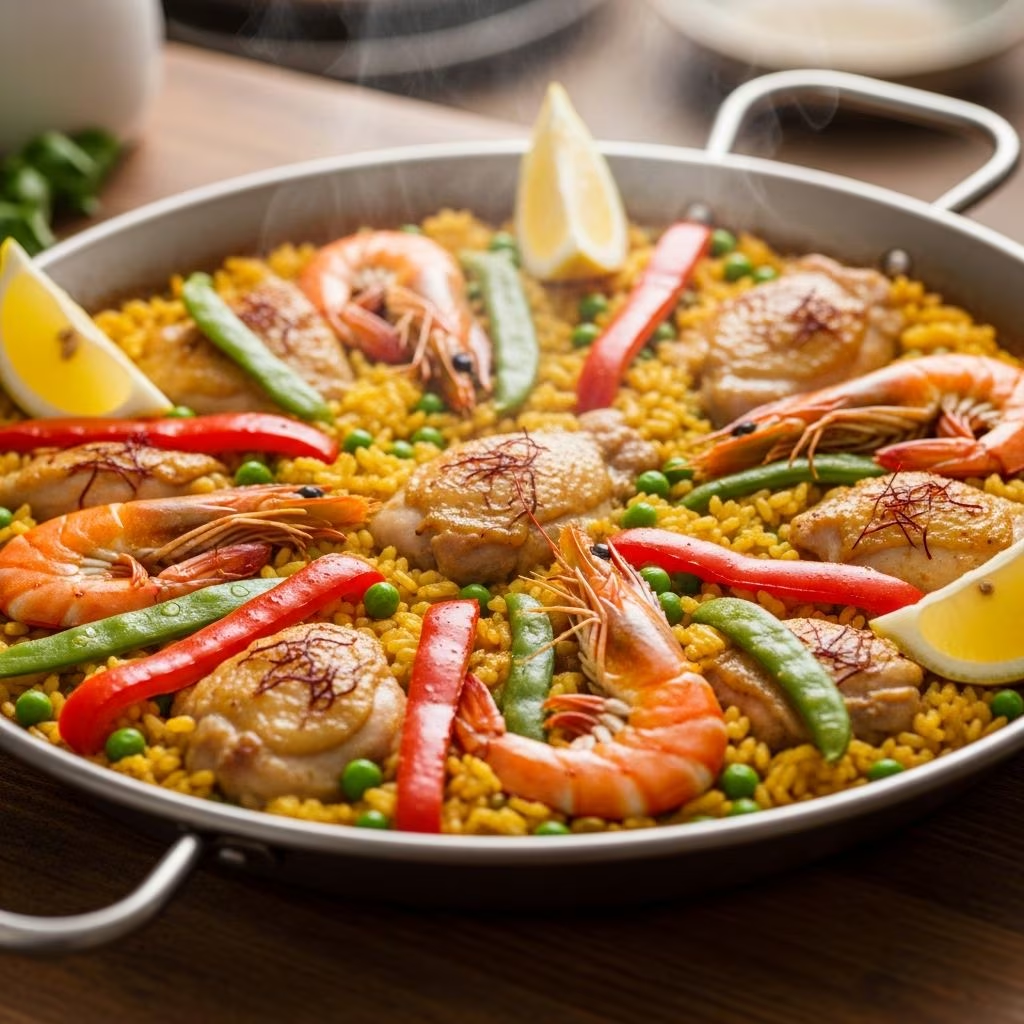
Paella represents one of Spain’s most iconic culinary contributions to world cuisine, yet many home cooks believe it requires specialized equipment or advanced technique to execute successfully. In reality, creating a satisfying paella in your own kitchen requires only fundamental cooking skills, readily available ingredients, and an understanding of the dish’s core principles. This comprehensive guide breaks down the process into manageable steps, transforming what seems like an intimidating restaurant dish into an achievable weeknight dinner or impressive entertaining centerpiece.
Understanding Paella’s Essential Elements
Before diving into the cooking process, it’s valuable to understand what makes paella distinct from other rice-based dishes. Paella is fundamentally a one-pan preparation that combines short-grain rice with carefully layered proteins, aromatics, and a flavorful liquid base. The magic of paella lies in the development of what Spanish cooks call the socarrat—a delicate layer of slightly caramelized rice that forms on the pan’s bottom, creating textural complexity and concentrated flavor.
The rice selection matters significantly in paella preparation. Short-grain varieties like Arborio or bomba rice are ideal choices because they absorb liquid while maintaining their individual grain structure rather than becoming mushy. This characteristic distinguishes paella from risotto, where creamy texture is desired. The grains should remain distinct and slightly firm, with each bite offering textural definition.
Selecting Your Protein Components
Paella’s versatility shines through its protein options. Traditional recipes incorporate a combination of land and sea proteins, creating a harmonious flavor profile. Spanish chorizo—specifically the smoked, cured variety rather than fresh Mexican chorizo—provides deep, smoky undertones that form the flavor foundation. This sausage contributes rendered fat and intense seasoning that distributes throughout the dish.
Chicken serves as the primary poultry component in most accessible paella recipes. Bone-in, skin-on pieces traditionally offer superior flavor, though boneless, skinless breasts work efficiently for quicker preparation. The chicken should be cut into uniform pieces to ensure even cooking and attractive presentation within the rice.
Seafood components typically include shrimp, which cooks rapidly and pairs beautifully with the rice’s subtly savory profile. Many recipes also incorporate mussels, clams, or both, which add briny complexity and visual appeal. These shellfish require careful cleaning beforehand and should be added near the end of cooking to prevent overcooking.
The Aromatic Foundation and Spice Profile
Every excellent paella begins with properly sautéed aromatics. Onions, garlic, and sometimes bell peppers create the flavor base, softened in olive oil until they develop sweetness and fragrance. This crucial step, often called building a soffritto, takes approximately 5-7 minutes and shouldn’t be rushed.
Saffron represents paella’s signature spice, providing both distinctive earthy flavor and beautiful golden coloring. This precious ingredient should be bloomed—steeped briefly in warm broth—before addition to the pan to maximize its flavor potential. Smoked paprika contributes another layer of depth, imparting smoky warmth that complements both the chorizo and saffron. Fresh herbs like parsley add brightness and visual interest as finishing garnishes.
Step-by-Step Cooking Methodology
Initial Protein Preparation
Begin by heating olive oil in your paella pan or large skillet over medium-high heat. Once the oil shimmers, add the chorizo first, allowing it to brown and release its flavorful oils—approximately 3-4 minutes. Remove the chorizo to a plate, then introduce the chicken pieces to the same pan. Cook the chicken until the exterior develops light browning, usually 7-8 minutes, stirring occasionally for even cooking. Transfer the chicken to join the chorizo, keeping both proteins warm.
Building Flavor Layers
In the residual fat remaining in the pan, add your diced onion and cook gently over medium heat, stirring occasionally, until the onion becomes translucent and begins to soften—approximately 3-4 minutes. Add minced garlic and cook just until fragrant, roughly 30 seconds, taking care not to allow the garlic to brown or develop bitter notes.
Incorporating Rice and Spices
Add your measured short-grain rice directly to the pan, stirring constantly to coat every grain with the aromatic oil. This step, called toasting the rice, develops nutty undertones and prevents the grains from becoming mushy during the liquid-absorbing phase. Toast for approximately 2-3 minutes, stirring continuously.
Add your bloomed saffron, smoked paprika, salt, and any other seasonings at this point, stirring to distribute evenly. If your recipe includes tomatoes or tomato paste, incorporate them now, allowing the mixture to cook together for a few minutes to meld the flavors.
Adding Liquid and Primary Cook
Pour in your stock—typically 3-3.5 cups chicken or vegetable broth—stirring gently to distribute it evenly throughout the rice. Bring the mixture to a vigorous boil, which helps the rice begin absorbing liquid uniformly. Once boiling, arrange the previously cooked chicken and chorizo evenly across the rice’s surface in an attractive pattern.
Reduce the heat to low or medium-low, creating a gentle simmer. This is critical: do not stir the rice during this cooking phase. Instead, allow the rice to cook undisturbed for approximately 15-18 minutes, absorbing the flavorful liquid gradually. During this time, the bottom layer of rice will develop that prized socarrat—listen for a gentle crackling sound, which indicates proper caramelization rather than burning.
Final Assembly with Seafood
After the initial cooking period, nestle your shrimp and any other seafood into the rice, pressing them gently beneath the surface. Add frozen peas, spreading them evenly across the top. Cover the pan and continue cooking for another 5-7 minutes until the shrimp becomes pink and opaque, the liquid is nearly absorbed, and the rice reaches tender doneness.
Professional Techniques for Success
Several techniques separate good paella from exceptional paella. First, never stir the rice once you’ve added the liquid—this action breaks down the grains and releases starch, creating an undesired creamy texture rather than individual, distinct grains. The gentle shaking of the pan periodically helps move the rice without stirring, ensuring even cooking and liquid absorption.
Temperature control throughout cooking proves essential. Initially high heat brings the liquid to a boil quickly, but the reduction to medium-low creates steady, manageable cooking that allows the rice to absorb liquid gradually rather than burning before cooking through. If your pan seems to be cooking unevenly, you can rotate it occasionally to ensure uniform heat distribution.
Liquid management requires attention throughout cooking. If your rice appears to be cooking too quickly and liquid depletes before the rice reaches tenderness, you can add small amounts of additional warm broth, approximately 1/4 cup at a time. Conversely, if cooking nears completion and substantial liquid remains, increase heat slightly to evaporate excess moisture.
Equipment Considerations
While traditional paella pans offer authentic presentation and optimal heat distribution properties, effective paella can be prepared in large skillets or stainless-steel cookware commonly found in most kitchens. The primary requirements are adequate diameter to spread rice in a relatively thin, even layer and sufficient depth to contain both rice and liquid without spillage.
A 12-14 inch pan accommodates 4-6 servings comfortably, allowing rice to spread in a single layer approximately 1.5-2 inches deep. Larger pans may require increased ingredient quantities to maintain proper cooking dynamics and achieve the desired socarrat development.
Ingredient Quantity Guide
| Component | Measurement | Notes |
|---|---|---|
| Short-grain rice | 1.5-2 cups | Arborio or bomba preferred; avoid long-grain varieties |
| Broth | 3-3.5 cups | Chicken or vegetable, warmed before use |
| Olive oil | 3-4 tablespoons | Extra virgin for best flavor |
| Spanish chorizo | 5-8 ounces | Smoked and cured variety, sliced |
| Chicken | 1.5-2 pounds | Breasts or thighs, cut into uniform pieces |
| Shrimp | 8-12 ounces | Peeled and deveined |
| Onion | 1 medium | Yellow or sweet varieties work well |
| Garlic | 3-4 cloves | Minced finely |
| Saffron | Generous pinch | Approximately 1/4 teaspoon, bloomed in warm broth |
| Smoked paprika | 1-2 teaspoons | Do not substitute sweet paprika |
Flavor Variations and Customizations
While the classic preparation described above serves as an excellent foundation, paella welcomes numerous ingredient variations based on availability and preference. Vegetable additions might include red or yellow bell peppers, which add color and subtle sweetness, or diced tomatoes, which contribute acidity and body to the cooking liquid.
Seafood combinations can be adjusted based on preference and market availability. Mussels and clams add briny depth and visual drama, while calamari offers tender texture and mild flavor. Some recipes incorporate lobster for elevated occasion entertaining.
Vegetarian paella preparations replace seafood and meat proteins with additional vegetables, legumes, or mushrooms, creating satisfying alternatives that maintain the dish’s essential character through proper spice selection and cooking technique.
Common Mistakes to Avoid
Understanding frequent pitfalls helps ensure consistent success. Overcrowding the pan prevents proper browning of initial proteins and disrupts heat distribution. Using incorrect rice varieties—long-grain white rice or jasmine rice—results in mushy texture rather than distinct grains. Stirring the rice during the final cooking phase breaks down the grains and ruins the desired texture.
Insufficient heat during the initial boiling stage prevents proper rice cooking and flavor development. Conversely, excessively high heat throughout cooking burns the rice bottom before it absorbs liquid completely. Adding proteins too early or too late affects doneness—proteins added at the beginning may overcook, while those added too late may remain undercooked.
Serving Suggestions and Accompaniments
Present paella directly from the cooking pan to the table, maintaining its visual appeal and temperature. Fresh parsley scattered across the surface adds color contrast and herbaceous freshness. Lemon wedges served alongside allow diners to add brightness according to preference, brightening the dish’s richness.
Simple accompaniments enhance the meal without competing for attention. A crisp white wine, such as Albariño, pairs beautifully with the seafood and saffron notes. A basic green salad dressed with olive oil and vinegar provides refreshing contrast to the warm, richly flavored rice.
Storage and Make-Ahead Strategies
Leftover paella keeps refrigerated for up to three days in an airtight container. Reheat gently with a splash of additional broth to restore moisture that evaporates during storage. The dish does not freeze particularly well due to rice’s tendency toward textural changes, though individual portions can be frozen if necessary.
Most paella components can be prepared ahead, reducing day-of time commitment. Proteins can be browned, aromatics can be chopped, and saffron can be bloomed several hours in advance. The actual cooking—from adding rice to serving—typically requires 35-45 minutes from start to finish, making this an efficient entertaining option.
Frequently Asked Questions
Can I use brown rice or wild rice instead of short-grain white rice?
These alternatives have considerably different cooking times and absorption properties. Brown rice requires significantly longer cooking and may not absorb liquid at the proper rate for traditional paella. Stick with specified short-grain varieties for best results.
What if I don’t have saffron?
While saffron provides authentic flavor, it cannot be perfectly replicated. Turmeric offers similar coloring but lacks saffron’s distinctive earthy notes. Increase smoked paprika for additional depth, acknowledging the dish will differ from traditional versions.
Is a paella pan necessary?
No. A large skillet or stainless-steel pan works effectively. Traditional paella pans offer aesthetic presentation and superior heat distribution, but successful paella is achievable with standard cookware.
How do I know when the rice is properly cooked?
The rice should be tender but retain slight firmness—never mushy. All liquid should be absorbed or mostly absorbed. Individual grains should remain visibly distinct.
Conclusion
Mastering paella at home requires understanding its fundamental principles rather than complex technique. By respecting the importance of sequential steps—proper protein browning, aromatic development, rice toasting, gradual liquid absorption, and careful seafood timing—any home cook can produce impressive paella that rivals restaurant versions. Armed with these strategies and techniques, you’re ready to bring this Spanish classic to your table with confidence and success.
References
- RiceSelect Paella Recipe — RiceSelect®. https://riceselect.com/recipe/easy-paella
- Easy Paella Recipe — Tesco Real Food. https://realfood.tesco.com/recipes/paella.html
- Easy Spanish Paella Recipe — Panning The Globe. https://www.panningtheglobe.com/easy-spanish-paella/
- Spanish Paella Recipe — Tastes Better from Scratch. https://tastesbetterfromscratch.com/paella/