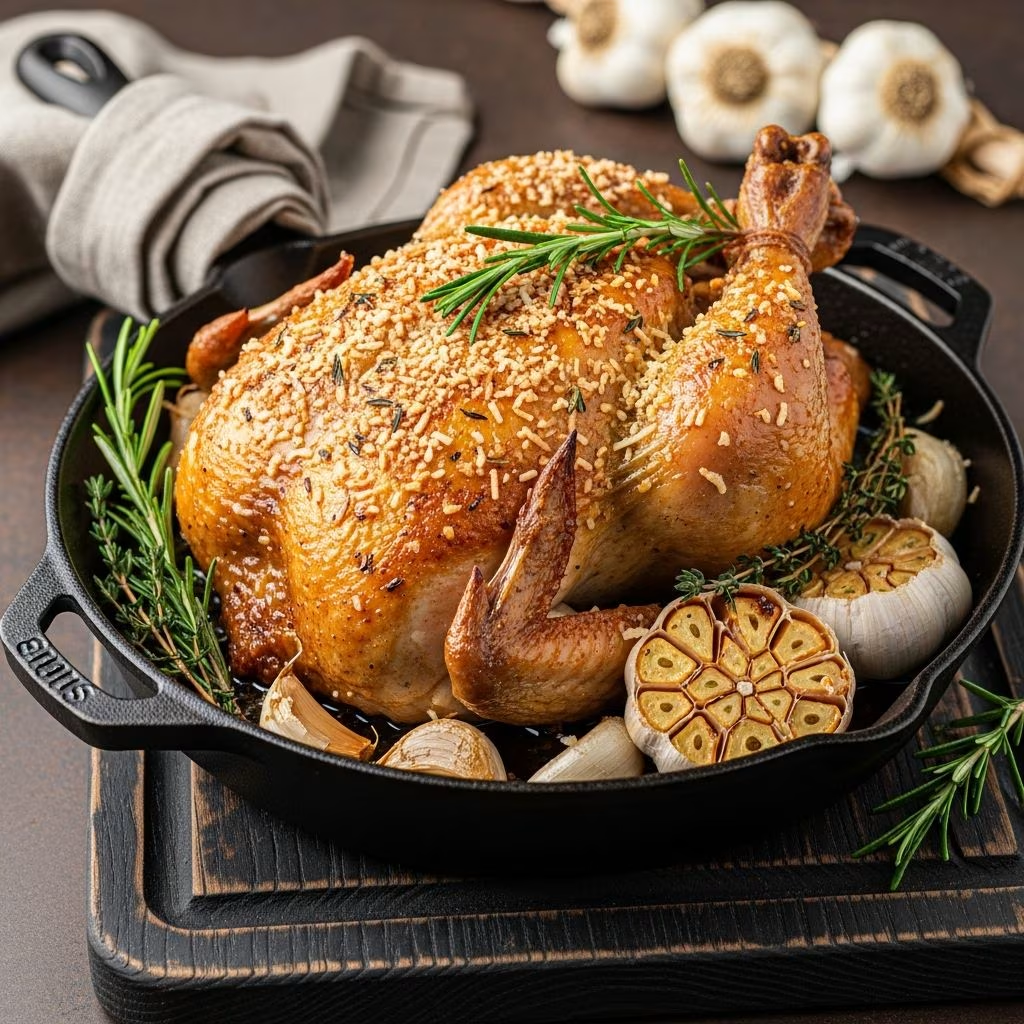
Creating a satisfying main course doesn’t require hours in the kitchen or complicated techniques. One dish that delivers impressive results with minimal effort is oven-baked chicken featuring aromatic garlic and savory parmesan cheese. This preparation method transforms simple chicken breasts into a tender, flavorful centerpiece that appeals to families and dinner guests alike. The combination of melted butter, fresh garlic, and nutty parmesan creates a sauce that clings to the chicken, infusing every bite with rich, complementary flavors.
Why This Preparation Method Works
Baking chicken in the oven provides several advantages over stovetop cooking. The dry heat environment allows the exterior to develop a light crust while the interior remains moist. Unlike pan-searing, which requires constant attention and flipping, oven-baking lets you prepare other components of your meal without standing over the stove. The garlic-parmesan topping adheres beautifully to the chicken surface during baking, creating a cohesive coating rather than a separate crust that might slide off.
The oven’s consistent temperature ensures even cooking throughout each piece of chicken. This method also allows you to cook multiple portions simultaneously, making it ideal for family dinners or meal preparation. The sauce that develops during baking becomes more concentrated and flavorful, creating natural pan juices that complement the finished dish.
Essential Ingredients and Their Roles
The Protein Foundation
Boneless, skinless chicken breasts form the core of this dish. These cuts cook relatively quickly and absorb surrounding flavors readily. For more forgiving results, thicker breasts work better than thin cutlets, as they resist overcooking more effectively. Some variations use chicken thighs for their higher fat content and richer flavor profile.
The Flavor Building Blocks
Fresh minced garlic provides the foundational aromatic element. Garlic develops sweeter, more mellow notes during baking rather than the sharp bite raw garlic offers. Combining fresh minced garlic with garlic powder creates layered garlic flavor—the powder provides background depth while fresh garlic delivers brightness.
Parmesan cheese contributes umami, the savory fifth taste that makes food deeply satisfying. Its salty, slightly nutty character pairs naturally with chicken. Butter serves as the emulsifying base for the sauce, allowing flavors to coat the chicken evenly while adding richness.
Seasoning and Accent Flavors
A careful balance of seasonings prevents the dish from becoming one-dimensional. Salt enhances all flavors, while black pepper adds subtle heat. Paprika contributes mild smokiness and visual appeal. Dried Italian seasoning blends oregano, basil, and thyme—herbs that have long complemented chicken preparations. Some recipes incorporate red pepper flakes for a gentle heat element or fresh lemon juice for acidity that brightens the overall flavor profile.
| Ingredient | Amount (per 2-3 breasts) | Primary Function |
|---|---|---|
| Chicken breasts | 2-3 pieces | Protein base |
| Parmesan cheese | 1/2 – 3/4 cup | Umami, crust formation |
| Butter | 4-6 tablespoons | Sauce base, richness |
| Fresh garlic | 3-4 cloves | Aromatic flavor |
| Lemon juice | 2-3 tablespoons | Acidity, brightness |
| Paprika | 1-2 teaspoons | Warmth, color |
| Italian seasoning | 1-1.5 teaspoons | Herbaceous depth |
Preparation Steps and Techniques
Setting Up Your Workspace
Begin by preheating your oven to 375-400 degrees Fahrenheit, depending on your desired cooking time. A hotter oven (400°F) produces faster cooking with more browning, typically 15-20 minutes. A gentler temperature (375°F) allows 25-35 minutes, accommodating thicker pieces. While the oven reaches temperature, gather your ingredients and prepare your equipment. Line a baking sheet or dish with parchment paper for easy cleanup and to prevent sticking.
Creating the Flavor Foundation
In a small bowl, combine melted butter, minced fresh garlic, grated parmesan cheese, finely chopped fresh parsley, Italian seasoning, salt, and pepper. If desired, add lemon juice for brightness or red pepper flakes for subtle heat. Stir this mixture thoroughly until well combined. The consistency should be thick and spreadable, coating a spoon. This concentrated mixture, when spread over chicken, becomes the signature element of the finished dish.
Preparing the Chicken
Pat the chicken breasts dry with paper towels—this helps seasonings adhere better and promotes browning. Arrange them in a single layer on your prepared baking sheet. Season each piece on both sides with salt, black pepper, garlic powder, onion powder, and paprika. These dry seasonings create the initial flavor layer and flavor base for the cheese mixture.
Applying the Topping
Spoon the butter-garlic-parmesan mixture generously over each chicken breast. Using the back of the spoon or a small spatula, spread this topping across the surface and slightly down the sides of each piece. Ensure relatively even coverage so each bite contains the flavorful elements. The topping doesn’t need to completely cover the chicken—some exposed surface will develop a light golden color during baking.
Baking Process
Transfer the prepared baking sheet to your preheated oven. Set a timer based on your oven temperature and chicken thickness. Thinner cutlets at 400°F require 15 minutes, while thicker breasts need 25-35 minutes. The chicken is done when the thickest part registers 165°F on a meat thermometer. At this internal temperature, harmful bacteria are eliminated while the meat remains tender and moist.
Avoid opening the oven door frequently, as this causes temperature fluctuations and uneven cooking. Once the chicken appears golden brown and the sauce has begun to brown slightly at the edges, it’s approaching completion. The pan drippings will reduce and concentrate, creating a savory sauce for serving.
Cooking Time Guidelines
Cooking duration varies based on several factors. Thicker chicken breasts take longer than thinner cutlets. Starting with chicken at room temperature versus cold from the refrigerator affects cooking time. Different ovens have temperature calibration differences. As a general guide, expect the following timeframes:
- Thin cutlets (1/4 inch): 12-15 minutes at 400°F
- Medium breasts (3/4 inch): 20-25 minutes at 400°F
- Thick breasts (1+ inches): 25-35 minutes at 375°F
Using a meat thermometer removes guesswork. The USDA food safety guidelines specify that poultry should reach an internal temperature of 165°F at the thickest part. This ensures food safety while preventing overcooking.
Accompaniments and Serving Suggestions
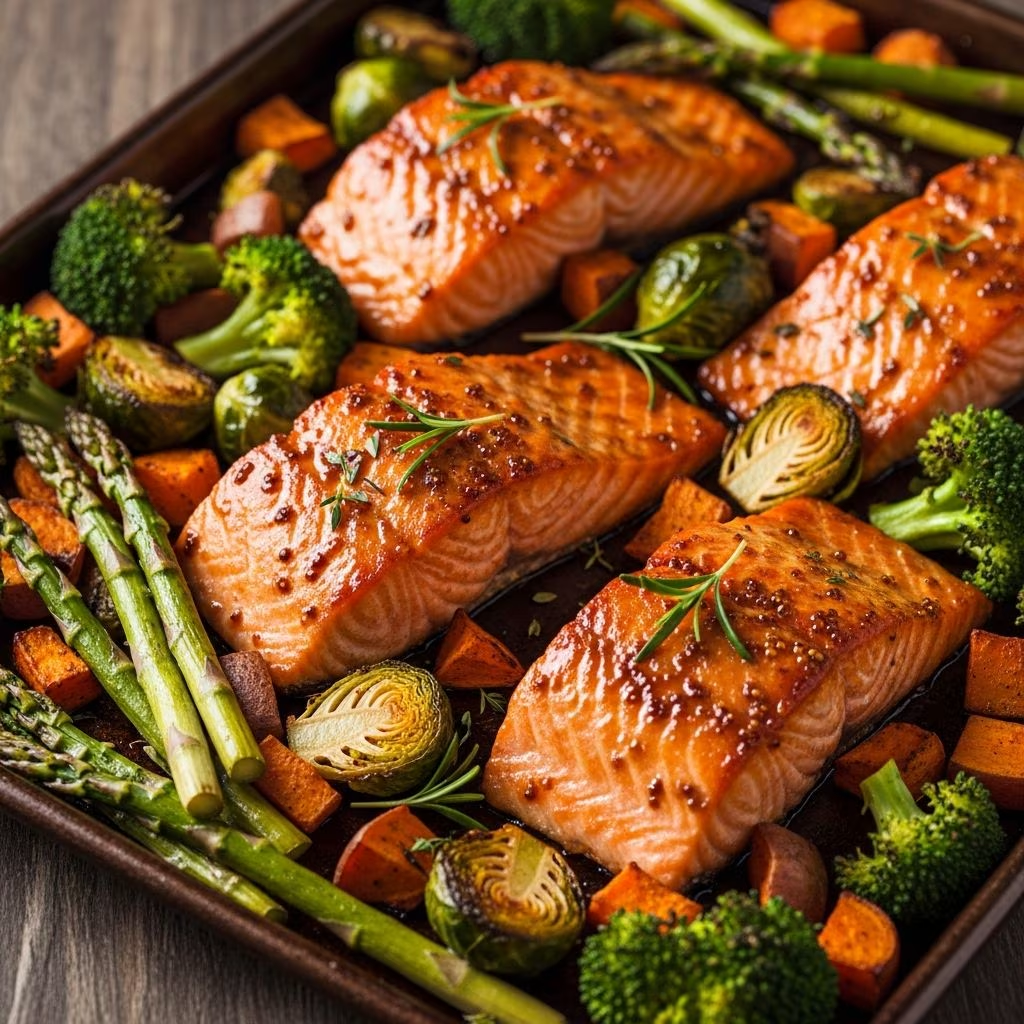
The richness of garlic-parmesan chicken balances well with lighter side dishes. Steamed or roasted vegetables like broccoli, green beans, or asparagus complement the savory profile without overwhelming the palate. Cauliflower rice or regular rice absorbs the flavorful pan juices beautifully. A simple green salad with vinaigrette provides refreshing contrast.
For a heartier meal, pair this chicken with pasta tossed in light olive oil and garlic, creamy mashed potatoes, or crusty bread to soak up every drop of sauce. Consider garnishing the finished dish with fresh parsley, additional grated parmesan, or a sprinkle of lemon zest for visual appeal and added flavor dimensions.
Storage and Meal Preparation
Leftover chicken keeps well when properly stored. Allow it to cool to room temperature, then transfer to an airtight container. Refrigerated, it stays safe and maintains quality for 3-4 days. For longer storage, freeze for up to 3 months. When reheating, warm gently in a 350°F oven for 10-15 minutes with a light foil tent to prevent excessive browning. The microwave works quickly but may cause uneven heating.
This dish transforms into multiple meals. Shred leftover chicken and toss with pasta, incorporate into salads, or use as a filling for sandwiches. The concentrated flavors remain appealing even as part of a different preparation.
Common Questions and Solutions
How can I prevent dry chicken?
Thickness consistency matters significantly. Pound thicker breasts to uniform thickness, promoting even cooking. Checking internal temperature with a thermometer rather than relying on appearance ensures you don’t overcook. The butter-parmesan topping also provides fat that keeps the meat moist.
What if my oven runs hot or cold?
Place an oven thermometer inside to verify actual temperature. Adjust cooking times accordingly—if your oven runs hot, reduce time by 5 minutes; if it runs cold, add 5-10 minutes. Knowing your oven’s quirks allows for better recipe execution.
Can I prepare this dish ahead?
Yes, you can assemble everything several hours before baking. Prepare the chicken on the baking sheet, cover with plastic wrap, and refrigerate. Add 5-10 minutes to the cooking time since the chicken starts cold. Alternatively, make the topping mixture ahead and refrigerate separately, applying it shortly before baking.
Are there protein variations?
Chicken thighs work well with this preparation, requiring slightly longer cooking times (30-40 minutes) due to higher thickness. The richer fat content in thighs complements the creamy parmesan sauce beautifully. Some cooks use turkey breasts for a leaner alternative.
How do I modify this for dietary preferences?
For a lower-fat version, substitute Greek yogurt or cream cheese thinned with lemon juice for some of the butter. Use reduced-fat parmesan if desired, though this may produce less browning. For dairy-free preparations, plant-based butter and nutritional yeast can substitute for traditional butter and parmesan, though flavor profiles will differ.
Tips for Perfect Results
- Pat chicken completely dry before seasoning—moisture prevents browning
- Use room-temperature butter for easier mixing and more even distribution
- Finely mince garlic to ensure it cooks through and distributes evenly
- Don’t skip the parchment paper—it simplifies cleanup significantly
- Rest the finished chicken for 3-5 minutes before serving to allow juices to redistribute
- Reserve pan drippings as a sauce for accompanying sides
- Fresh parsley added after baking provides color and fresh herbaceous notes
Nutritional Considerations
Chicken breast provides lean protein essential for muscle maintenance and repair. The parmesan cheese contributes additional protein, calcium, and flavor intensity, allowing smaller portions to satisfy. The butter and cheese combination provides fat-soluble vitamins and calories that support overall nutrition. While this dish isn’t particularly low in fat or calories due to the generous topping, it delivers substantial satisfaction and can easily incorporate into balanced meal planning when paired with vegetable sides.
Flavor Variations to Explore
The basic framework allows for creative modifications. Adding Dijon mustard to the topping mixture introduces subtle tanginess. Honey or maple syrup creates a sweet-savory balance. Fresh thyme or rosemary replaces Italian seasoning for herbaceous variety. Sun-dried tomatoes mixed into the topping add depth and slight acidity. Experimenting with these variations keeps the dish interesting across multiple preparations.
Final Thoughts
Oven-baked chicken with garlic and parmesan represents the intersection of simplicity and restaurant-quality results. The technique requires minimal active time while delivering impressive flavors and textures. Once you master this basic preparation, you’ll find yourself returning to it regularly for weeknight dinners, meal preparation, and entertaining. The straightforward ingredient list remains economical while the finished dish impresses both family and guests. With these techniques and guidelines, you’re equipped to create this dish consistently and confidently.
References
- Safe Internal Temperature Chart — U.S. Department of Agriculture Food Safety and Inspection Service. 2024. https://www.fsis.usda.gov/food-safety/safe-food-handling-and-preparation/food-safety-basics/safe-temperatures-chart
- Chicken Nutrition Facts — U.S. Department of Agriculture FoodData Central. 2024. https://fdc.nal.usda.gov/
- Parmesan Cheese Culinary Applications — International Dairy Foods Association. 2024. https://www.idfa.org/