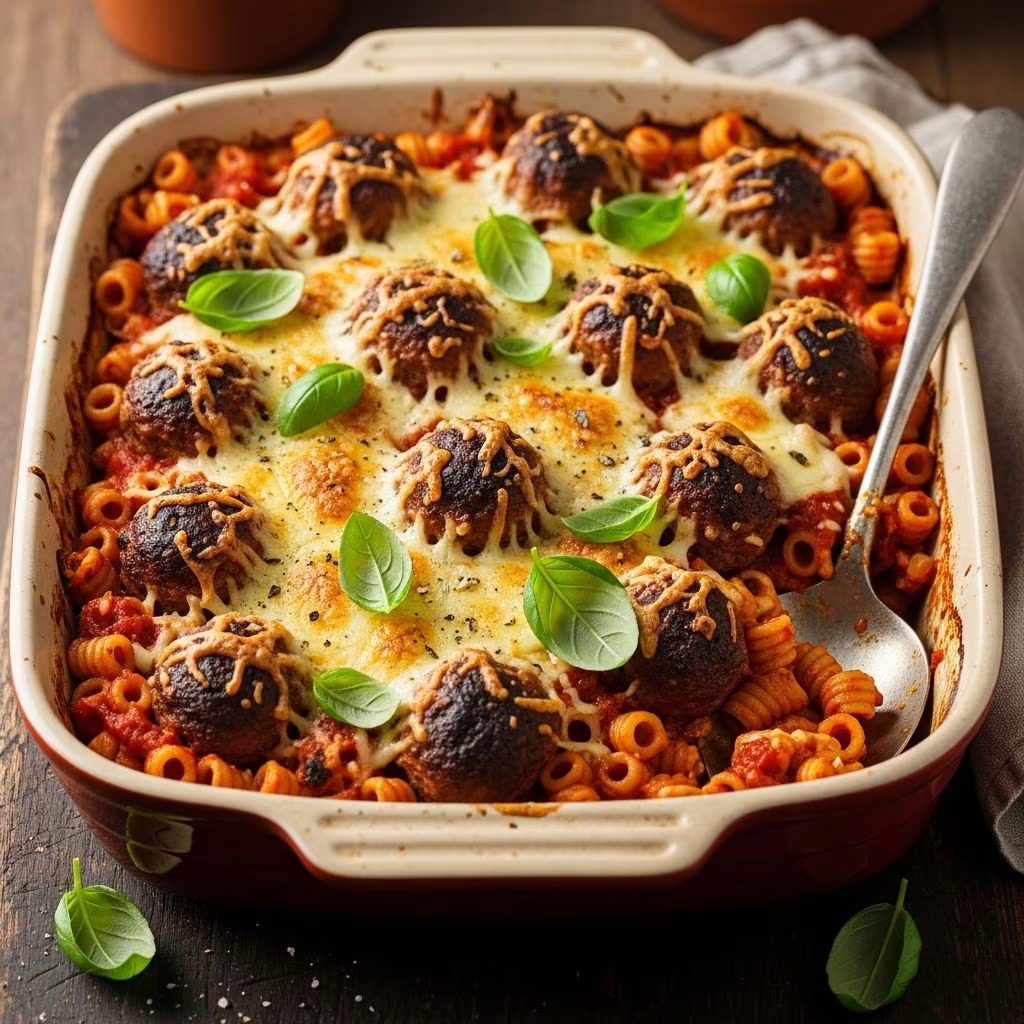
A meatball pasta bake represents one of the most approachable yet impressive dishes you can prepare for your family. This one-dish meal combines all the elements of comfort food—tender pasta, seasoned meatballs, rich sauce, and melted cheese—into a single casserole that emerges from the oven bubbling and golden. Whether you’re looking for a quick weeknight solution or an impressive dish to serve guests, understanding the fundamentals of creating this classic will transform your cooking confidence.
Why Meatball Pasta Bakes Remain Kitchen Staples
The popularity of baked meatball pasta dishes stems from their inherent practicality and consistent results. Unlike recipes requiring multiple pots and careful timing coordination, these casseroles consolidate your cooking efforts into a single baking vessel. This approach reduces both cleanup requirements and the mental load of juggling various cooking tasks simultaneously. The dish also demonstrates remarkable adaptability, accommodating dietary preferences, ingredient substitutions, and varying skill levels with equal success.
From a nutritional perspective, the combination of protein-rich meatballs, complex carbohydrates in pasta, and calcium from cheese creates a balanced meal that satisfies multiple dietary requirements in one serving. The extended baking time allows flavors to meld and intensify, resulting in a more cohesive taste profile than components prepared separately.
Assembling Your Foundation Ingredients
The beauty of this dish lies in its flexibility regarding ingredient selection. While certain core components remain constant, the specific varieties you choose will define the final character of your creation.
Protein Components: Meatball Options
Your meatball selection significantly influences both preparation time and final flavor. Frozen pre-cooked meatballs offer maximum convenience, requiring no additional preparation beyond adding them to your casserole. These products typically come fully seasoned and ready for use, making them ideal for busy weeknights when time constraints matter. The trade-off involves less personalized flavor control and potential slight texture variations depending on the brand.
Creating homemade meatballs demands additional effort but grants complete control over ingredients and flavor profiles. Ground beef serves as the traditional base, though ground pork, ground turkey, or blended combinations work equally well. The binding agent—typically an egg combined with breadcrumbs—holds the mixture together while creating a tender texture. Parmesan cheese adds umami depth, while Worcestershire sauce contributes complexity. Garlic, herbs, and controlled salt enhance the overall seasoning profile.
Pasta Selections That Perform Best
Short pasta shapes work best for baked casserole applications. Rigatoni features ridges that trap sauce effectively and maintains structural integrity during baking. Penne offers a similar advantage with its tubular shape that captures sauce in its hollow center. Ziti provides a more delicate option that creates a smoother texture throughout the finished dish. The choice between these primarily depends on personal preference, as each produces equally satisfying results.
Avoid long pasta varieties like spaghetti or fettuccine, which become unwieldy in a casserole format and prove difficult to serve cleanly. Additionally, these longer strands don’t integrate as smoothly with sauce and meatballs.
Sauce Foundations and Flavor Building
Marinara sauce forms the most straightforward sauce base, offering pre-balanced acidity and tomato flavor. Quality commercial marinara varies considerably; selecting brands listing whole tomatoes and minimal additives typically yields superior results. For those preferring homemade sauce, simmering canned tomatoes with garlic, olive oil, and Italian herbs produces excellent results.
Some preparations incorporate additional sauce elements like tomato puree, which intensifies the tomato flavor and adds body to the mixture. Beef or vegetable broth may be combined with sauce to adjust consistency, particularly when using uncooked pasta that requires liquid absorption during baking.
Cheese Layering Strategy
Cheese selection dramatically influences texture and flavor. Mozzarella should anchor any cheese application, as its melting properties create that desirable stretchy, bubbly top. Ricotta adds a creamy interior texture when layered throughout the casserole. Parmesan contributes sharp, nutty notes that balance the richness of other cheeses. Using all three creates a complex cheese profile, though mozzarella alone produces perfectly acceptable results for simplified preparations.
Preparation Methods: From Mixing to Baking
The No-Boil Approach
Modern meatball pasta bakes frequently employ the no-boil method, where uncooked pasta is combined directly with sauce and liquid in the baking dish. This approach requires calculating proper liquid ratios—typically a combination of marinara sauce, water, and milk—sufficient to allow pasta absorption during baking. The technique reduces preparation time by approximately fifteen minutes and requires only one dish for mixing and baking.
When using the no-boil method, select short pasta shapes and ensure they remain submerged in liquid initially. During baking at 425°F for approximately forty minutes, the pasta cooks directly in the surrounding liquid. This method works best with fully cooked meatballs and requires checking pasta doneness partway through cooking, as timing varies depending on pasta shape and oven characteristics.
The Traditional Par-Cooking Method
Some recipes recommend cooking pasta to just below al dente before adding it to the casserole. This approach provides more control over pasta texture and reduces variables during the final baking phase. The method requires an additional pot and increases hands-on cooking time by ten to fifteen minutes.
Par-cooked pasta advantages include more predictable final texture and the ability to taste the pasta during preparation, adjusting salt or cooking time as needed. This method works well for those preferring traditional cooking procedures and accommodates varying pasta types and baking time preferences.
Construction Techniques for Optimal Results
Layering Methodology
How you arrange components within the baking dish influences both cooking efficiency and presentation. A common approach begins with sauce spread across the casserole bottom, preventing sticking and building flavor foundation. Ricotta dollops follow, creating creamy pockets throughout. Meatballs distribute evenly across this layer, ensuring every serving contains adequate protein. Cooked or prepared pasta mixes with remaining sauce before transferring to the dish, creating a cohesive middle layer. Top generously with mozzarella and additional Parmesan for the final presentation.
Alternative approaches simply combine all components thoroughly before transferring to the dish, relying on thorough mixing rather than distinct layers. This method works equally well and simplifies construction significantly.
Baking Parameters and Temperature Control
Oven temperature varies depending on methodology. No-boil preparations typically require 425°F for forty minutes, allowing pasta to cook while sauce thickens. Traditional methods using pre-cooked pasta bake at 350°F for thirty minutes, as the pasta simply needs heating and cheese requires melting rather than cooking. Some preparations benefit from covering the dish with aluminum foil during initial baking, then uncovering for final minutes to develop cheese browning.
The casserole reaches completion when cheese melts completely, sauce bubbles at the edges, and internal temperature reaches 165°F. These indicators ensure food safety while preventing overcooking, which can dry out meatballs and pasta.
Flavor Enhancement and Customization Options
Vegetable Integration
Incorporating vegetables increases nutritional value and adds textural interest. Mushrooms provide earthy flavor and substantial texture. Onions and garlic form aromatic foundations. Bell peppers add brightness and slight sweetness. Zucchini contributes mild flavor without overwhelming other components. These vegetables should be sautéed briefly before incorporating into the casserole, softening them slightly while concentrating their flavors.
Seasoning Profiles
Italian seasoning, oregano, and basil align with traditional profiles, creating familiar comfort food experiences. Smoked paprika adds subtle depth without altering the overall character. Garlic powder and onion powder enhance savory qualities. Fresh basil sprinkled after baking brightens the finished dish. Worcestershire sauce contributes umami complexity that deepens meatball and sauce flavors.
Sauce Variations
While marinara dominates most preparations, exploring alternatives expands possibilities. Cream-based sauces incorporating beef broth and butter create Swedish-style variations with luxurious texture. Vodka sauce adds sophistication and subtle complexity. Pesto-based applications offer brightness and herbaceous notes. Each variation requires proportional adjustments but follows similar construction principles.
Timing and Make-Ahead Considerations
Meatball pasta bakes accommodate advance preparation excellently. The complete casserole can be assembled one day in advance, covered, and refrigerated. Baking time requires addition of five to ten minutes to account for the colder starting temperature. This flexibility makes the dish perfect for meal planning and entertaining, allowing construction during less hectic periods.
Alternatively, individual components prepare in advance—meatballs cook days ahead and freeze successfully, sauce can simmer when convenient, and pasta cooks several hours prior. This approach suits those preferring flexible assembly schedules over complete advance preparation.
Serving Strategies and Accompanying Options
Meatball pasta bakes serve as complete one-dish meals, though complementary components enhance the experience. Simple green salads with vinaigrette provide textural contrast and palate cleansing. Garlic bread offers additional carbohydrate and satisfying crunch. Fresh fruit desserts balance the richness of the casserole. Wine pairings typically favor medium-bodied reds with enough structure to complement meatballs and cheese without overwhelming delicate pasta.
Leftovers store successfully for three to four days, reheating gently in a low oven to prevent drying. Some cooks appreciate the way flavors deepen during refrigeration, finding day-two servings superior to the initial meal.
Troubleshooting Common Preparation Challenges
| Issue | Likely Cause | Solution |
|---|---|---|
| Pasta remains too firm after baking | Insufficient liquid or excessive oven temperature | Add more liquid and reduce temperature; extend baking time by five minutes |
| Casserole appears too watery | Excess liquid or insufficient baking time to allow absorption | Bake uncovered for additional time; drain excess liquid before serving if necessary |
| Cheese fails to brown adequately | Oven temperature too low or casserole covered excessively | Increase temperature to 450°F for final five minutes; ensure full uncovering during final stage |
| Meatballs become tough or dry | Excessive baking time or excessively hot oven | Reduce oven temperature by 25°F; check doneness earlier and remove if complete |
Frequently Asked Questions
Can I prepare this dish entirely from scratch with homemade components?
Absolutely. Rolling meatballs from seasoned ground beef mixture, simmering tomatoes into sauce, and cooking fresh pasta creates a completely homemade preparation. This approach requires approximately ninety minutes of total time but yields restaurant-quality results and complete ingredient control.
What baking dish size works best?
A 9×13-inch dish accommodates standard recipe quantities perfectly, providing appropriate depth for layering and ensuring even cooking. Smaller dishes create overly thick casseroles with potential underbaked centers, while larger dishes result in thin, over-dried preparations.
How can I reduce the calorie content of this dish?
Using lean ground beef or ground turkey for homemade meatballs reduces fat content significantly. Selecting part-skim mozzarella and ricotta lowers dairy-related calories. Increasing vegetable incorporation through mushrooms, zucchini, and bell peppers boosts nutrition while reducing calorie density per serving. Using reduced-fat versions of traditional components maintains flavor while supporting dietary goals.
Does this recipe freeze successfully?
Yes, complete casseroles freeze well for up to three months. Cool completely before covering tightly with plastic wrap and aluminum foil. Thaw overnight in the refrigerator before reheating in a 325°F oven until heated throughout, approximately thirty to forty minutes covered with foil.
Can I use no-boil lasagna noodles instead of traditional pasta?
No-boil noodles can substitute for short pasta shapes, creating a texture more similar to lasagna. Adjust baking time to ensure noodles soften adequately, typically requiring additional five to ten minutes. This substitution changes the dish’s character significantly, creating something between a traditional meatball pasta bake and a lasagna.
Concluding Thoughts on This Versatile Preparation
Mastering the meatball pasta bake opens numerous culinary possibilities within a single framework. The fundamental technique accommodates virtually unlimited customization while maintaining its essential character as an accessible, satisfying family meal. Whether preparing a simple five-ingredient weeknight version or a elaborate multi-component creation, the principles remain consistent: combine quality ingredients, layer thoughtfully, and bake until melted and bubbling. This straightforward approach to creating impressive, nourishing meals explains why this dish continues commanding kitchen space in homes across countless culinary traditions.
References
- Meatball Pasta Bake — The Cooking Jar. Accessed April 2026. https://thecookingjar.com/meatball-pasta-bake/
- Meatball Pasta Bake {30 Minute Meal} — Taming Twins. Accessed April 2026. https://www.tamingtwins.com/meatball-pasta-bake/
- Swedish Meatball Pasta Bake — Six Clever Sisters. Accessed April 2026. https://www.sixcleversisters.com/swedish-meatball-pasta-bake/
- One Pan Meatball Casserole — Tastes Better from Scratch. Accessed April 2026. https://tastesbetterfromscratch.com/one-pan-meatball-casserole/
- Dump and Bake Meatball Casserole — The Seasoned Mom. Accessed April 2026. https://www.theseasonedmom.com/dump-and-bake-meatball-casserole/
- Meatball Pasta Bake — Easy Family Recipes. Accessed April 2026. https://easyfamilyrecipes.com/meatball-pasta-bake/