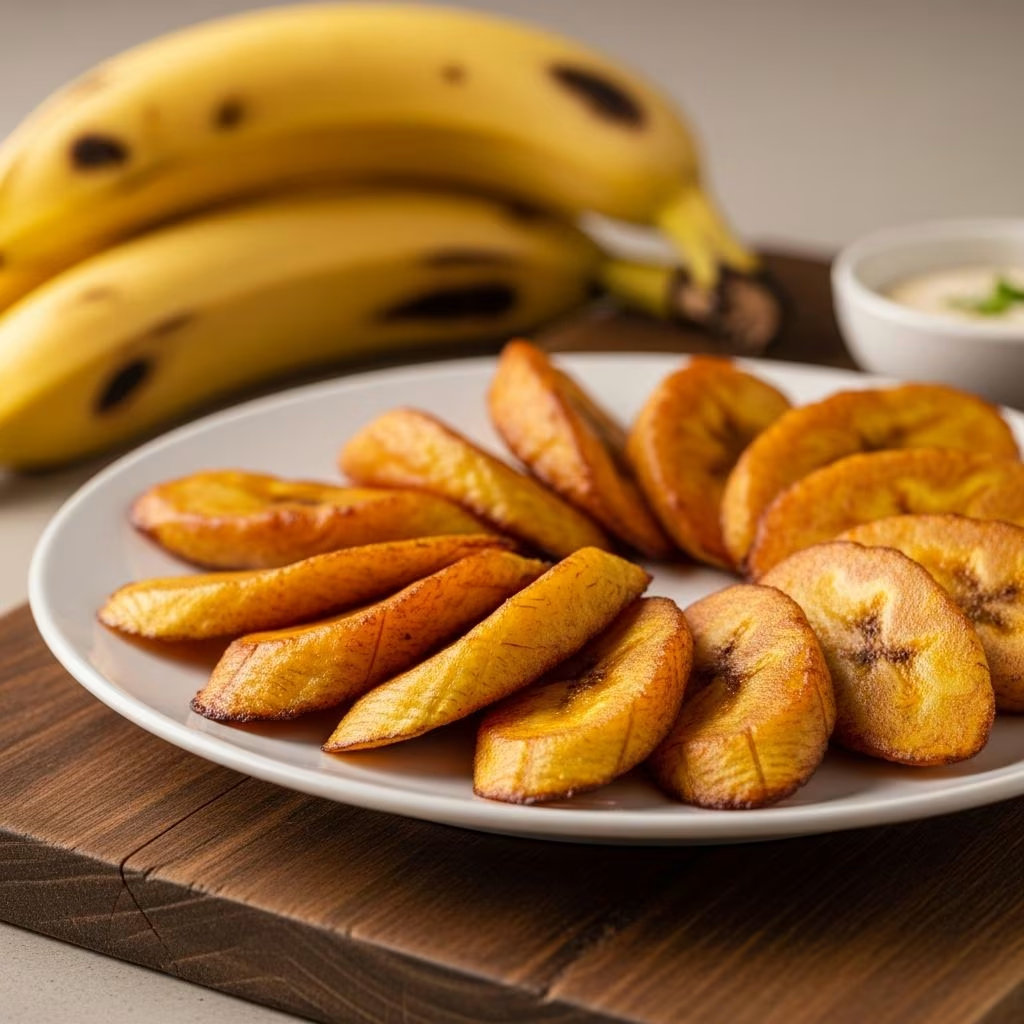
Golden-brown slices of caramelized plantains, known as maduros or platanos maduros, transform simple ripe fruit into a delectable treat. This dish, beloved across Latin America and the Caribbean, requires just a few ingredients and minimal effort to achieve its signature sweet crunch on the outside and tender softness within.
The Allure of Ripe Plantains in Global Kitchens
Plantains differ from bananas in their starchier composition, ripening from green to black as starches convert to sugars, yielding intense natural sweetness ideal for frying. Originating from regions like Colombia, Puerto Rico, and the Dominican Republic, maduros serve as versatile sides for breakfast, lunch, or dinner, pairing seamlessly with beans, rice, grilled meats, or even as standalone snacks.
Their appeal lies in simplicity: no complex seasonings needed, though a pinch of salt enhances balance. In Caribbean homes, they’re called sweet plantains or platanitos maduros, while Latin communities dub them platanos maduros or amarillos—names reflecting cultural nuances but united by the frying technique that caramelizes surfaces.
Selecting and Ripening Plantains for Peak Flavor
Success starts with ripeness. Ideal plantains boast mostly black peels with yellow undertones, feeling soft yet firm when squeezed—not mushy. Green plantains suit savory tostones, but for maduros, wait for the transformation, which takes about 10 days at room temperature.
- Accelerate ripening: Seal in a paper bag to trap ethylene gas, or bake unpeeled at 300°F for 20 minutes.
- Halt over-ripening: Refrigerate black plantains to pause the process until cooking day.
- Visual cues: Golden-brown spots signal readiness; fully black maximizes sweetness.
Fresher, high-quality plantains yield better caramelization. Avoid bruised ones to prevent off-flavors.
Essential Ingredients and Tools
Minimalism defines this recipe, spotlighting the plantain’s flavor.
| Ingredient | Quantity | Notes |
|---|---|---|
| Ripe plantains | 2 large | Black skins preferred for max sweetness |
| Vegetable oil | ½-1 cup | High smoke point like canola or grapeseed |
| Salt | Pinch (optional) | Balances sweetness |
Equipment: Large skillet, spatula, knife, cutting board. No deep fryer required—shallow oil suffices.
Step-by-Step Frying Guide
- Peel plantains: Score lengthwise, pry open, and remove skin. Use fingers or a spoon for ease.
- Slice diagonally: Cut ½-inch thick pieces at a 45-degree angle for optimal caramelization surface.
- Heat oil: Medium heat in skillet until shimmering (about 350°F). Oil should cover slices halfway.
- Fry in batches: Add slices without crowding; cook 2-3 minutes per side until golden and edges crisp. Flip once.
- Drain and season: Transfer to paper towels, sprinkle salt if desired. Serve hot.
Total time: 10-15 minutes. Yields 4 servings as a side.
Pro Tips for Restaurant-Quality Results
- Avoid overcrowding to maintain oil temperature and even browning.
- Test ripeness by taste: overly starchy means wait longer.
- Diagonal slicing increases edges for superior crisping.
- Fresh frying is best; reheat leftovers in skillet or air fryer to revive crunch.
Creative Variations to Elevate Maduros
While classic maduros shine solo, twists add excitement.
- Cinnamon-sugar dusting: Toss post-fry for dessert-like vibes.
- Salty contrast: Lime juice and sea salt for tangy snack.
- Cheesy topping: Grate cotija, feta, or mozzarella atop hot slices.
- Gourmet caramelized: Simmer in spiced panela syrup with cinnamon, cloves, allspice, and sweet wine for dulce de platanos maduros.
For the syrup variation: Dissolve 8 oz panela in 1 cup wine with spices, strain, then glaze fried plantains 25 minutes low heat. Pair with coconut ice cream.
Nutritional Profile and Health Notes
Maduros offer potassium-rich energy with natural sugars. Per serving (from 2 plantains):
| Nutrient | Amount |
|---|---|
| Calories | 312 kcal |
| Carbs | 57g |
| Sugar | 27g |
| Fiber | 4g |
| Potassium | 893mg |
| Vitamin A | 2017 IU |
| Vitamin C | 33mg |
Moderate indulgence; fiber aids digestion. Opt for less oil to cut fat.
Cultural Significance and Serving Pairings
Maduros embody Latin hospitality, gracing Colombian breakfasts beside eggs and arepas, Dominican plates with rice and beans, or Puerto Rican meals with pollo asado. They’re festive at gatherings, symbolizing abundance.
- Breakfast: With scrambled eggs, avocado.
- Main side: Arroz con frijoles, grilled chicken.
- Snack: Solo or cheese-topped.
- Dessert: Syrup-glazed with ice cream.
Frequently Asked Questions
Can I bake maduros instead of frying?
Yes—slice, brush with oil, bake at 400°F for 15-20 minutes, flipping halfway. Less oil, similar results.
How do I store leftovers?
Fridge up to 2 days in airtight container. Reheat skillet over medium.
Are plantains interchangeable with bananas?
No—bananas are sweeter, softer; plantains hold structure better when fried.
What’s the best oil for frying?
Neutral, high-smoke-point oils like vegetable, canola, or grapeseed.
Why aren’t my maduros caramelizing?
Plantains not ripe enough or oil not hot enough. Ensure black skins and medium heat.
References
- How to Make Perfect Maduros (Sweet Fried Plantains) — My Dominican Kitchen. 2023. https://mydominicankitchen.com/fried-sweet-plantain-slices-platanos-maduros-fritos/
- Colombian Platanos Maduros Fritos – Fried Ripe Sweet Plantains — Immigrant’s Table. 2023. https://immigrantstable.com/platanos-maduros-fried-plantains/
- Caramelized plantains (Dulce de platanos maduros) — Laylita’s Recipes. 2023. https://www.laylita.com/recipes/caramelized-plantains/
- 15-Minute Pan-Fried Sweet Plantains (Maduros) — A Sassy Spoon. 2023. https://asassyspoon.com/sweet-plantains-platanos-maduros/
- Fried Sweet Plantains (15 Minutes!) — Butter Be Ready. 2023. https://www.butterbeready.com/fried-sweet-plantains-recipe/