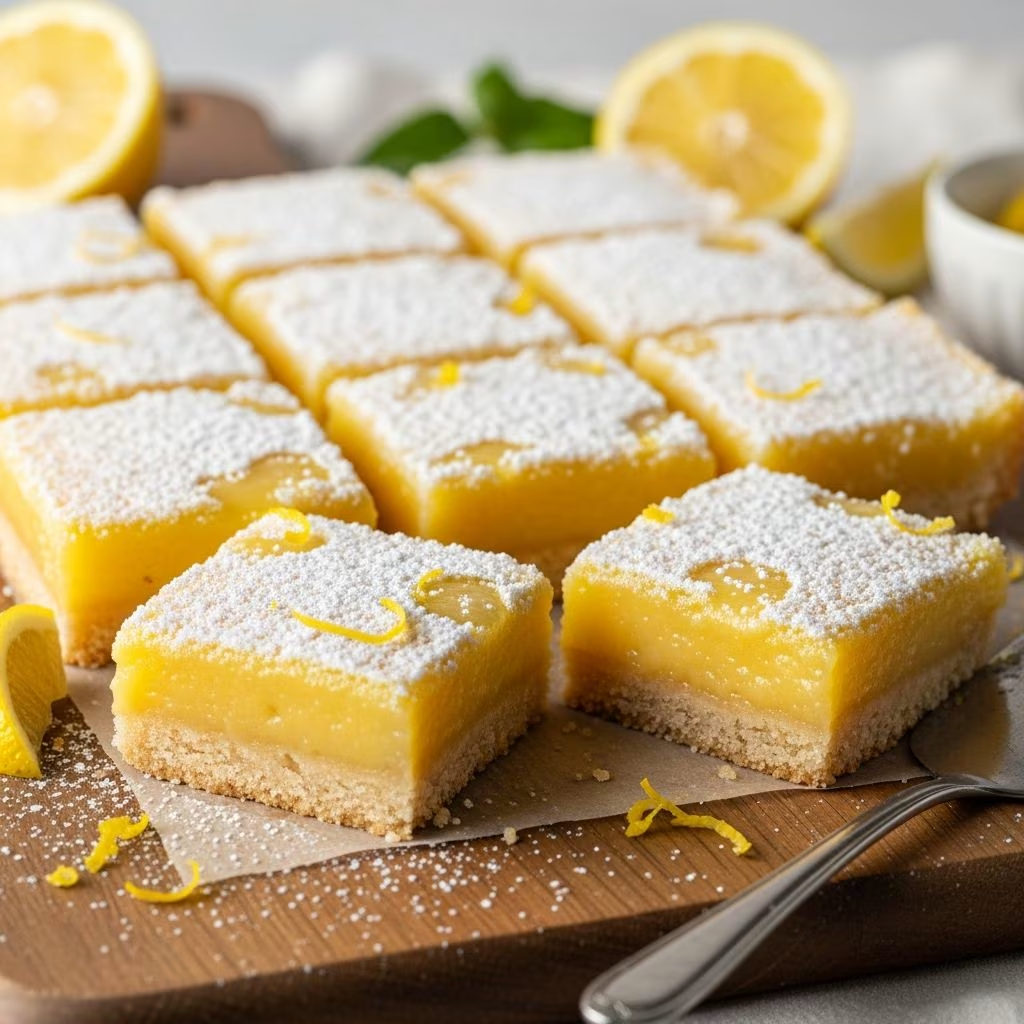
Lemon bars stand as a timeless favorite in the world of desserts, combining a rich, crumbly crust with a luscious, tart lemon filling that melts in your mouth. Whether you’re hosting a summer gathering, need a potluck contribution, or simply crave a zesty treat, these bars offer the ideal balance of sweet and sour. This comprehensive guide walks you through crafting them flawlessly, drawing on proven techniques to ensure success. Expect detailed steps, expert advice, and innovative ideas to make your lemon bars shine.
Why Lemon Bars Captivate Bakers Everywhere
The allure of lemon bars lies in their simplicity paired with bold flavors. The buttery shortbread base provides a sturdy foundation, contrasting beautifully with the smooth, custard-like lemon layer. Unlike fussy cakes or temperamental pies, these bars require minimal equipment and come together in under an hour of active time. Their vibrant yellow hue and glossy finish make them visually stunning, while the tangy profile cuts through richness, making them refreshing year-round.
Historically, lemon bars trace back to mid-20th-century American baking, evolving from European shortbread and curd traditions. Today, they’re a staple in cookbooks and cafes, beloved for their versatility. Serve them dusted with powdered sugar for elegance or topped with whipped cream for decadence. Nutritionally, lemons provide vitamin C, adding a healthful twist to an indulgent dessert.
Essential Ingredients for Success
Gathering high-quality ingredients is the first step to perfection. Here’s what you’ll need for a 9×13-inch pan, yielding about 24 bars:
- For the Crust: 2 cups all-purpose flour, 1/2 cup granulated sugar, 1/4 teaspoon salt, 1 cup unsalted butter (cold, cubed).
- For the Filling: 6 large eggs, 2 cups granulated sugar, 3/4 cup fresh lemon juice (about 6 lemons), 1/2 cup all-purpose flour, 1 tablespoon lemon zest.
- Optional Toppings: Powdered sugar for dusting, fresh berries, or meringue.
Opt for room-temperature eggs and freshly squeezed juice to avoid bitterness. Meyer lemons offer a milder sweetness if available, but standard varieties work splendidly. Use European-style butter for extra richness if you want to elevate the crust.
Step-by-Step Baking Guide
Preparing the Buttery Crust
Preheat your oven to 350°F (175°C) and line a 9×13-inch baking pan with parchment paper, leaving overhangs for easy removal. In a food processor or with a pastry cutter, pulse flour, sugar, and salt. Add cold butter cubes and process until the mixture resembles coarse crumbs with pea-sized butter pieces—this ensures flakiness.
Press the dough evenly into the pan’s bottom and about 1/4-inch up the sides. Prick with a fork to prevent bubbling, then bake for 20-25 minutes until lightly golden. Cooling slightly sets the structure for the filling.
Crafting the Silky Lemon Filling
While the crust bakes, whisk eggs and sugar vigorously until pale and thick, about 2 minutes. Stir in lemon juice and zest for intense flavor. Sift flour over the mixture to prevent lumps, then whisk smoothly. Pour immediately over the warm crust—the heat jump-starts setting.
Bake at 325°F (160°C) for 25-30 minutes. The edges should puff and set, with a slight jiggle in the center. Cool completely at room temperature, then chill for 2 hours to firm up. This prevents cracks and ensures clean cuts.
Pro Tips for Flawless Results
Achieving professional lemon bars hinges on technique. First, avoid overmixing the crust; it toughens the texture. For the filling, tempering isn’t needed since the warm crust gently cooks it. If cracks appear, it means overbaking—check at 25 minutes.
Straining the filling removes zest bits for smoothness. Use a microplane for fine zest to infuse maximum citrus without bitterness. For crisp cuts, chill thoroughly and use a hot knife wiped between slices. Store in an airtight container in the fridge for up to 5 days; they freeze beautifully for a month.
| Common Issue | Solution |
|---|---|
| Soggy bottom | Bake crust fully golden; cool 10 mins before adding filling |
| Grainy filling | Sift flour; use fresh juice |
| Pale top | Broil 1 min or dust generously with sugar |
| Not setting | Increase bake time by 5 mins; ensure fresh eggs |
Delicious Variations to Try
Customize your lemon bars for variety. For a tropical twist, swap half the lemon juice for lime and add coconut flakes to the crust. Chocolate lovers can drizzle melted dark chocolate over the cooled bars. Go gourmet with a ginger-infused crust using 1 tsp ground ginger.
- Lavender Lemon Bars: Infuse cream with dried lavender for the filling.
- Berry Lemon Bars: Swirl raspberry puree into the batter before baking.
- Vegan Version: Use plant-based butter, aquafaba for eggs, and cornstarch for thickening.
- Mini Bars: Bake in a muffin tin for bite-sized treats.
These adaptations maintain the classic appeal while introducing new flavors, perfect for dietary needs or seasonal themes.
Pairing and Serving Suggestions
Lemon bars pair wonderfully with tea—earl grey enhances the citrus notes—or coffee to balance tartness. For events, arrange on a platter with mint leaves and lemon slices. They’re excellent as a picnic dessert since they travel well and stay fresh without refrigeration for hours.
Boost presentation with a stencil for powdered sugar patterns. Serve slightly chilled for the best texture contrast between crust and filling.
Nutritional Insights and Dietary Adaptations
One bar (1/24th recipe) clocks in at about 200 calories, 10g fat, 25g carbs, and 2g protein. Lemons contribute antioxidants, aiding digestion. For gluten-free, substitute almond flour in the crust and rice flour in the filling. Low-sugar versions use half the sugar with stevia.
Consult USDA guidelines for precise breakdowns; baking allows control over ingredients for balanced indulgence.
Frequently Asked Questions
Can I make lemon bars ahead of time?
Yes, they store well in the fridge for 5 days or freeze for 1 month. Thaw overnight before serving.
What if I don’t have a food processor for the crust?
Mix by hand with a fork or pastry blender until crumbly.
Why is my filling runny?
It needs more chill time or was underbaked. Measure flour accurately.
Can I use bottled lemon juice?
Fresh is best for flavor, but bottled works in a pinch—add extra zest.
How do I get square cuts?
Chill fully, use a serrated knife, and clean between cuts.
Storage and Freezing Best Practices
Layer parchment between bars in containers to prevent sticking. For freezing, wrap individually in plastic then foil. They retain quality remarkably well, making them ideal for meal prep or gifting.
In summary, these lemon bars transform basic pantry staples into a crowd-pleasing masterpiece. With practice, they’ll become your go-to recipe, adaptable for any occasion. Happy baking!
References
- USDA FoodData Central: Lemon Nutrition Data — United States Department of Agriculture. 2023-05-15. https://fdc.nal.usda.gov/fdc-app.html#/food-details/167747/nutrients
- Flour and Baking Science — King Arthur Baking Company. 2024-02-10. https://www.kingarthurbaking.com/learn/guides/shortbread
- Citrus Processing and Quality — University of Florida IFAS Extension. 2022-08-20. https://edis.ifas.ufl.edu/publication/FE912
- Baking Powder Functionality — Institute of Food Technologists. 2023-11-05. https://www.ift.org/news-and-publications/food-technology-magazine/issues/2023/november/columns/ift-informs-baking-powder