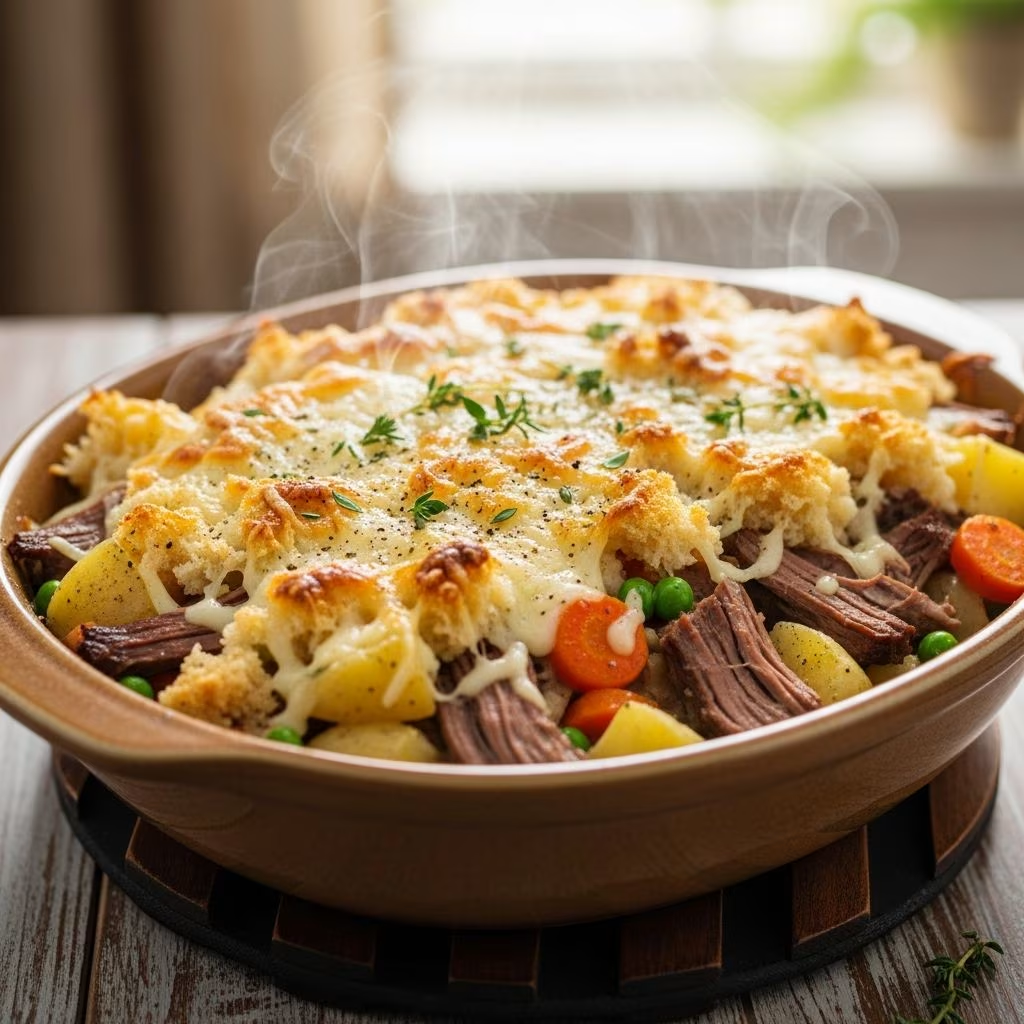
When you have leftover pot roast sitting in your refrigerator, the possibilities for reinvention are virtually endless. One of the most satisfying and straightforward approaches is to layer it into a casserole that combines tender beef, sautéed vegetables, and creamy potato components. This approach not only breathes new life into yesterday’s meal but also creates a completely different dining experience that feels fresh and exciting.
A pot roast casserole brings together the best elements of comfort food: rich, savory meat, vegetables that have absorbed deep flavors, and a creamy potato base that ties everything together harmoniously. The beauty of this dish lies in its flexibility and the minimal effort required to assemble it. Whether you have a small amount of leftovers or a generous portion, this recipe adapts easily to whatever quantities you have available.
Why Casseroles Make Excellent Use of Leftovers
Casseroles have long been celebrated in home cooking because they serve as wonderful vehicles for transforming individual components into something entirely new. When you combine shredded pot roast with fresh vegetables and a binding element like potatoes or pasta, the individual flavors meld together while still maintaining their distinct characteristics. This layering effect creates depth and complexity that makes the dish feel less like leftovers and more like an intentionally crafted meal.
The one-dish nature of casseroles also simplifies both preparation and cleanup. Everything cooks together in a single vessel, which means fewer pots and pans to wash and a more streamlined cooking process. For busy weeknights or when you want to minimize kitchen time, this efficiency is particularly valuable.
Essential Ingredients for Building Your Casserole Base
Creating a memorable pot roast casserole starts with understanding what each component contributes to the final dish. The foundation typically consists of several key elements that work together to create texture, flavor, and satisfaction.
The Protein Foundation
Your leftover pot roast serves as the star of this dish. The ideal quantity ranges from two to four cups of shredded or cubed meat, depending on how much protein-forward you want the casserole to be and what other ingredients you’re incorporating. The texture of the pot roast at this point should be tender enough to break apart easily. If your roast is still quite firm, you can either shred it finely or cut it into smaller bite-sized pieces that will soften further during baking.
The beauty of using leftover pot roast is that the meat has already undergone the long cooking process necessary to develop deep, complex flavors. These developed flavors will enhance every bite of your casserole, eliminating the need for additional seasoning or seasoning adjustments.
Vegetable Components
Fresh vegetables added to your casserole provide textural contrast and nutritional value. Common choices include:
- White or yellow onions, diced into small, uniform pieces that will soften during both the sauté and baking phases
- Carrots, peeled and sliced thinly so they cook through without remaining tough or woody
- Celery, trimmed and sliced into thin pieces that add subtle flavor complexity
These vegetables should be prepared fresh even though you’re using leftover meat. The freshness of newly cut vegetables brightens the overall flavor profile and ensures they cook to the perfect tender texture during the casserole assembly process.
Binding and Flavoring Elements
Gravy, whether it’s leftover from your original pot roast, canned beef gravy, or prepared from a mix, serves as both a binding agent and flavor enhancer. A quarter to a third cup of gravy distributed throughout the casserole provides sufficient moisture and richness without making the dish soggy. This element is crucial because it carries the savory pot roast flavors throughout the casserole.
The Potato Component
Au gratin potatoes, available in boxed form at most grocery stores, form the creamy layer that makes this casserole so satisfying. These typically come as two boxes containing dehydrated potatoes and seasoning packets. When prepared according to package directions and combined with the meat and vegetable mixture, they transform into a rich, creamy component that binds everything together. The starches from the potatoes also help create a cohesive texture that holds the casserole together when served.
Step-by-Step Assembly and Preparation
Initial Preparation Phase
Begin by preheating your oven to 450 degrees Fahrenheit. This high temperature ensures that the casserole cooks through completely while the top develops a slightly golden appearance. While the oven reaches temperature, prepare your baking vessel by spraying a 9-by-13-inch dish with nonstick cooking spray. This prevents sticking and makes cleanup considerably easier.
Vegetable Sautéing
In a large skillet set over medium heat, melt one tablespoon of butter. Once the butter is foaming and fully melted, add your diced onions, sliced carrots, and sliced celery. Allow these vegetables to cook for six to eight minutes while stirring frequently. This sautéing period is essential because it softens the vegetables and allows their natural sugars to caramelize slightly, developing deeper flavors. The onions should become translucent, the carrots should begin to soften, and the celery should lose its raw crispness.
Incorporating the Leftover Protein
Once your vegetables have reached the appropriate tenderness, add your shredded pot roast and the reserved gravy to the skillet. Stir gently to distribute the meat and gravy evenly throughout the vegetable mixture. Continue cooking over medium heat for a few minutes until the entire mixture is heated through. This step ensures that all components reach a warm temperature and begin melding their flavors together.
Preparing the Potato Mixture
In a separate pot, combine four cups of boiling water with the remaining quarter cup of butter. Once the butter melts completely, whisk in one cup of milk to create a creamy base. Remove this pot from heat, then whisk in both seasoning packets from your au gratin potato boxes. Add the dehydrated potato pieces and stir thoroughly to ensure every potato piece becomes coated with the seasoning mixture.
Combining and Baking
Remove your skillet from the heat and allow it to rest for approximately two minutes. Pour the potato mixture into your prepared baking dish, spreading it to form an even layer across the bottom. Gently spoon the pot roast and vegetable mixture over the potato layer, stirring very gently just enough to incorporate the components without overmixing. Gentle stirring prevents breaking apart the vegetable pieces and maintains some structural integrity in the casserole.
Place the casserole in your preheated oven and bake uncovered for thirty-five to forty minutes. The casserole is ready when the potatoes are completely tender when pierced with a fork and the edges show slight bubbling. Remove from the oven and allow the casserole to rest for five minutes before serving. This resting period allows the components to set slightly and makes serving easier.
Variations and Creative Modifications
Pasta-Based Approach
For a different textural experience, consider replacing au gratin potatoes with cooked pasta. Rigatoni, ziti, or rotini work particularly well because their shapes trap sauce and gravy effectively. Cook your pasta according to package directions, then combine it with the pot roast and vegetable mixture before transferring to your baking dish. You might also add cream and cheese for a richer finish, baking until the top turns golden and bubbly.
Vegetable Substitutions
While the classic combination of onions, carrots, and celery provides a strong flavor foundation, you’re not limited to these vegetables. Mushrooms add earthiness and additional umami depth. Fresh thyme or parsley brightens the overall flavor profile. Peas and carrots, whether fresh or frozen, provide both color and sweetness that contrasts nicely with the savory beef.
Cheese Enhancements
A generous sprinkling of shredded cheese across the top before baking adds richness and creates an appealing golden crust. Cheddar, Gruyère, mozzarella, or a combination of these cheeses all complement the pot roast flavor profile beautifully. Breadcrumbs mixed with melted butter and additional cheese can also be sprinkled on top for textural interest.
Serving Suggestions and Accompaniments
A pot roast casserole is sufficiently substantial to serve as a complete one-dish meal. However, several accompaniments pair wonderfully with this comfort food classic. A simple green salad with vinaigrette provides freshness and helps cut through the richness. Crusty bread, garlic bread, or dinner rolls are excellent for soaking up any remaining sauce. A light vegetable side dish such as steamed green beans or roasted broccoli adds nutritional variety without overwhelming the palate.
Storage and Reheating Guidance
Casseroles are excellent candidates for make-ahead cooking and storage. You can assemble the casserole completely up to twenty-four hours in advance, cover it with plastic wrap, and refrigerate it until you’re ready to bake. When baking a cold casserole directly from the refrigerator, add approximately ten to fifteen minutes to the baking time to ensure the potatoes cook through completely.
Leftover casserole stores well in the refrigerator for three to four days in an airtight container. Reheat individual portions in the microwave or reheat the entire casserole covered with foil in a 350-degree oven until warmed through. The casserole may also be frozen for up to three months, though the texture of the potatoes may become slightly softer after thawing and reheating.
Frequently Asked Questions
Can I use fresh pot roast instead of leftovers?
Absolutely. If you don’t have leftover pot roast available, you can cook one specifically for this casserole. However, using existing leftovers is one of the primary advantages of this recipe, as it reduces overall cooking time and kitchen effort.
What if I don’t have au gratin potatoes available?
Scalloped potatoes are an excellent substitute with nearly identical results. Alternatively, you can layer thin slices of raw potatoes mixed with cream sauce, though this will require additional baking time. Pasta provides a completely different but equally satisfying option.
How do I prevent the casserole from becoming dry?
Ensuring adequate gravy distribution throughout the casserole is crucial. If your original pot roast was prepared without significant gravy, supplement with canned or prepared gravy to achieve the proper moisture level. The casserole should appear slightly moist before baking and will firm up somewhat as it cooks.
Can I prepare this casserole in a slow cooker?
While traditional oven baking produces the best results, you can adapt this recipe for slow cooking. Layer all ingredients in a slow cooker, reduce liquids slightly, and cook on low for four to six hours. However, the texture and finish will differ from oven-baked versions.
What’s the best way to reheat individual portions?
Microwave reheating works well for individual servings. Place a portion in a microwave-safe bowl, cover loosely, and heat for two to three minutes, stirring halfway through. For more even heating, oven reheating at 350 degrees wrapped in foil for fifteen to twenty minutes is preferable, though it requires more time.
References
- The Quicker Kitchen – Leftover Pot Roast Casserole — The Quicker Kitchen. Accessed April 2026. https://thequickerkitchen.com/leftover-pot-roast-casserole/
- Pot Roast Casserole Recipe — BettyCrocker.com. General Mills. Accessed April 2026. https://www.bettycrocker.com/recipes/pot-roast-casserole/4eee8be5-2f9b-46e0-8658-3251540daef4
- Leftover Pot Roast Casserole Recipe with Pasta — Cucina by Elena. Accessed April 2026. https://www.cucinabyelena.com/leftover-pot-roast-casserole-recipe-with-pasta/
- Pot Roast Pasta Casserole — A Family Feast. Accessed April 2026. https://www.afamilyfeast.com/pot-roast-pasta-casserole/
- Shepherd’s Pie with Leftover Pot Roast — About a Mom. Accessed April 2026. https://www.aboutamom.com/mondays-menu-pot-roast-remix/