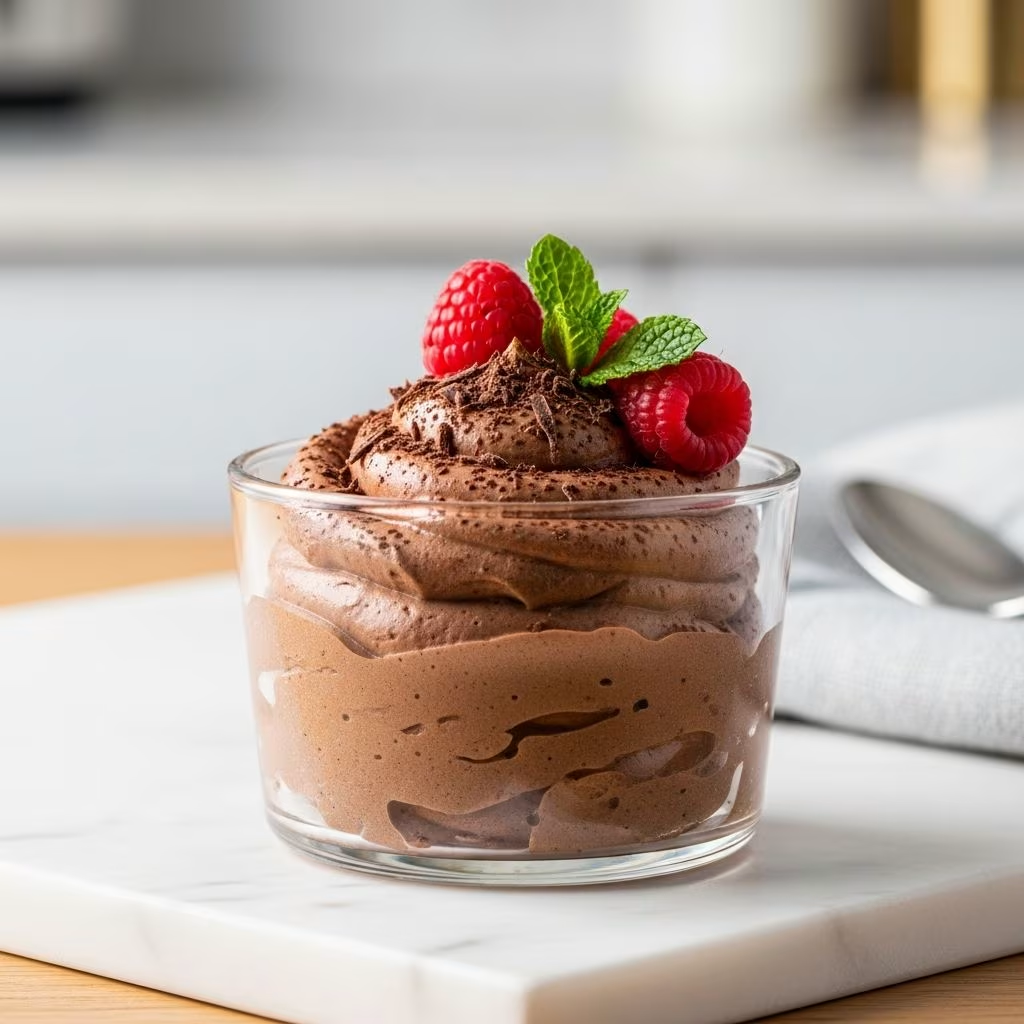
When following a ketogenic lifestyle, satisfying dessert cravings can feel challenging. However, a well-crafted chocolate mousse offers an elegant solution that aligns perfectly with low-carbohydrate dietary principles. This refined yet surprisingly simple preparation delivers professional-quality results from your home kitchen, requiring minimal ingredients and approximately ten minutes of your time.
The beauty of this dessert lies in its versatility and speed. Unlike traditional mousse recipes that demand specialized techniques, multiple components, or extended chilling periods, this version prioritizes simplicity without sacrificing the luxurious texture and rich flavor that define a proper mousse. Whether you’re hosting guests, preparing an after-dinner treat for yourself, or seeking a midweek indulgence that maintains your nutritional goals, this recipe proves that sophisticated desserts needn’t require complicated preparation.
Understanding the Foundation of Keto Mousse
The fundamental appeal of mousse within ketogenic cooking stems from its inherent macronutrient composition. Traditional mousse relies heavily on fat and protein while maintaining minimal carbohydrate content, making it naturally suited to low-carb dietary frameworks. The airy texture develops through mechanical whipping rather than through sugar incorporation or chemical leavening agents, ensuring that the finished product maintains an authentic mousse consistency while adhering to strict carbohydrate limits.
A properly executed mousse contains approximately three net carbohydrates per serving, making it an exceptionally versatile option for those tracking carbohydrate intake meticulously. The recipe’s efficiency stems from the interaction between whipped cream’s natural fats and cocoa powder’s robust chocolate notes, creating depth of flavor that masks any potential sweetness deficit common in sugar-free preparations.
Essential Ingredients and Their Roles
Successful mousse preparation requires understanding each component’s contribution to the final product:
- Heavy whipping cream serves as the primary structural foundation. When whipped, the fat globules incorporate air, creating the characteristic light, fluffy texture that defines mousse. Ensure cream remains refrigerated until mixing begins, as cold temperatures facilitate proper whipping and peak formation.
- Unsweetened cocoa powder provides the essential chocolate flavor without introducing carbohydrates. The powder’s natural bitterness balances sweetness from sugar-free sweeteners, creating more sophisticated taste profiles than recipes relying on chocolate liqueur or melted chocolate bars.
- Sugar-free powdered sweetener delivers sweetness while maintaining ketogenic compliance. Erythritol-based or monk fruit-derived sweeteners integrate smoothly into whipped cream without creating grittiness, though some users prefer blending liquid sweeteners for marginally smoother texture.
- Vanilla extract enhances overall flavor complexity, adding subtle warmth that complements cocoa’s earthiness. This optional ingredient significantly elevates the mousse’s perceived quality without altering nutritional profiles.
- Salt functions as a flavor enhancer, amplifying chocolate notes while preventing excessive sweetness perception, particularly important in sugar-free preparations where sweetener intensity might otherwise dominate.
Preparation Methodology and Technique
The preparation process involves sequential steps that build upon each other:
Initial Mixing Stage
Begin by combining chilled heavy cream with powdered sweetener in a medium-sized mixing bowl. Using an electric mixer set to medium speed, blend these components for approximately one minute until the sweetener fully distributes throughout the cream. This preliminary mixing prevents subsequent texture problems and ensures even sweetness distribution throughout the finished mousse.
Whipping to Proper Consistency
Increase mixer speed to high and continue blending until soft peaks form, which typically requires two to three minutes of continuous whipping. Soft peaks indicate that the mousse has incorporated sufficient air to develop appropriate texture without becoming overwhipped. Continue mixing slightly past this stage, transitioning toward stiff peaks, which appear as peaks that maintain their shape rather than collapsing.
Flavor Integration
Gently fold in cocoa powder, vanilla extract, and salt using a spatula or by resuming mixer operation at reduced speed. This incorporation step must occur carefully, as aggressive mixing risks deflating the carefully cultivated air structure. Continue folding or mixing until chocolate color distributes evenly and no cocoa powder streaks remain visible.
Serving Considerations
The mousse reaches optimal serving consistency immediately after preparation. However, refrigerating for one hour before service enhances flavor development while allowing the whipped structure to stabilize further. Store covered portions in the refrigerator for up to three days, though the texture gradually becomes denser as fat molecules reorganize during storage.
Nutritional Analysis and Dietary Compatibility
| Nutrient | Per Serving (1/4 of Recipe) | Dietary Significance |
|---|---|---|
| Net Carbohydrates | 3g | Maintains ketogenic macronutrient ratios |
| Dietary Fat | 21-23g | Provides satiety and ketone production |
| Protein | 2-3g | Supports tissue maintenance |
| Calories | 200-226 | Appropriate portion size for dessert |
The nutritional composition positions this mousse favorably within ketogenic dietary frameworks. The high fat content relative to carbohydrate content supports the metabolic state characteristic of ketosis. Additionally, the minimal protein contribution doesn’t significantly impact protein targets, allowing flexibility for other meal components.
Ingredient Variations and Substitutions
While the basic formula remains consistent, several variations accommodate different preferences and dietary considerations:
Sweetener Options
Different sugar-free sweeteners produce slightly varied results. Erythritol-based sweeteners offer neutral flavor profiles but may create subtle cooling sensations on the palate. Monk fruit sweetener provides smoother mouthfeel but carries distinct flavor characteristics some users find overpowering. Allulose, though less commonly available, produces results closest to sucrose in terms of mouthfeel and texture development.
Cocoa Powder Selections
Dutch-process cocoa powder, alkalized during manufacturing, delivers deeper chocolate tones and smoother texture compared to natural cocoa powder. While both varieties maintain ketogenic compliance, Dutch-process options elevate the perceived sophistication of the finished mousse. Some experienced cooks combine both varieties to balance depth with slight acidity.
Dairy Alternatives
Individuals avoiding dairy can substitute heavy cream with refrigerated coconut cream or whipping cream derived from oat bases, though these alternatives may produce slightly different textures. Coconut cream specifically requires using only the thick portion atop the can, discarding the liquid component beneath. These substitutions maintain nutritional alignment while accommodating dietary restrictions.
Enhancement Through Garnishing and Presentation
While the mousse itself constitutes a complete dessert, thoughtful garnishing elevates presentation and experiential satisfaction:
- Cocoa powder dusting adds visual contrast and intensifies chocolate perception
- Whipped cream dollops provide textural variety and creamy contrast
- Dark chocolate shavings contribute sophisticated visual appeal and concentrated chocolate flavor
- Fresh raspberries introduce natural tartness balancing sweetness and adding nutritional diversity
- Toasted nuts provide textural complexity and additional satiety value
- Cinnamon dust adds warming spice notes complementing chocolate undertones
These garnishes remain fully optional, as the mousse stands independently as a complete dessert. However, presentation considerations become relevant when serving guests or creating occasion-specific preparations.
Troubleshooting Common Preparation Challenges
Texture Issues
If your mousse appears too dense and heavy, overwhipping during the incorporation stage likely contributed to this problem. Future preparations benefit from more conservative mixing speeds and durations. Conversely, if the texture remains loose and soupy, insufficient whipping occurred during the initial cream-sweetener combination phase. Extend whipping duration during this critical stage to achieve proper soft peak development before adding cocoa powder.
Sweetness Imbalance
Some sugar-free sweeteners carry bitter or chemical aftertastes that become pronounced in desserts where sweetener comprises the primary source of sweetness. If you encounter undesirable flavor notes, experiment with different sweetener brands or combinations. Reducing sweetener quantity slightly often improves overall flavor balance by allowing chocolate notes prominence.
Cocoa Powder Integration
Lumpy texture often results from cocoa powder clumping during incorporation. Prevent this through careful folding and potentially pre-blending cocoa powder with a small quantity of cooled mousse before introducing it to the remainder. Alternatively, using cocoa powder that’s been sifted removes aggregated particles.
Frequently Asked Questions
Can this mousse be prepared ahead of time?
Yes, mousse stores successfully in the refrigerator for up to three days when covered properly. However, texture gradually densifies as fat molecules reorganize. For optimal presentation when serving guests, prepare mousse approximately two to four hours before serving rather than days in advance.
What causes the mousse to become watery?
Separation typically occurs when storage duration extends beyond three days or when warm conditions destabilize the whipped structure. Additionally, cream that wasn’t sufficiently cold before whipping may fail to maintain structural integrity. Always ensure both cream and mixing equipment remain refrigerated until use begins.
Does this recipe work with a hand mixer?
Absolutely. Hand mixers successfully create the required texture, though the process requires more physical effort and extends whipping duration to approximately four to six minutes rather than two to three minutes with stand mixers. The final result remains identical.
Can I incorporate additional flavors?
The base recipe accommodates numerous flavor additions. Coffee powder, espresso powder, or instant coffee granules create mocha variations. Mint extract provides refreshing notes. Cinnamon, cardamom, or chili powder introduce warming spice elements. Keep additional ingredient quantities minimal to avoid compromising the light texture.
Is this mousse suitable for guests with dairy sensitivities?
Traditional versions require heavy cream. However, coconut cream or plant-based whipping creams offer alternatives accommodating lactose intolerance or dairy-free preferences. Results differ slightly but remain satisfactory.
Contextualizing Mousse Within Ketogenic Meal Planning
This mousse serves multiple roles within ketogenic nutritional strategies. As a post-dinner dessert, the preparation requires minimal additional preparation after completing main meals. The high fat content contributes meaningfully to daily macronutrient targets, potentially reducing the need for additional fat sources within other meal components. For individuals implementing intermittent fasting protocols, mousse provides nutrient density suitable for consumption during restricted eating windows.
Additionally, the psychological satisfaction derived from consuming an elegant, restaurant-quality dessert supports long-term adherence to ketogenic dietary approaches. Dietary sustainability depends partly on maintaining perceived quality of life through food enjoyment, and this mousse delivers that satisfaction while remaining fully aligned with nutritional objectives.
Conclusion
Creating a sophisticated, low-carbohydrate chocolate mousse requires minimal ingredients, straightforward technique, and approximately ten minutes of active preparation time. The resulting dessert satisfies chocolate cravings while maintaining ketogenic macronutrient compliance, making it an exceptionally valuable addition to dietary frameworks prioritizing carbohydrate restriction. Whether serving guests or indulging personally, this mousse demonstrates that culinary elegance and dietary discipline need not conflict.
References
- The Impact of Temperature on Whipped Cream Stability — Journal of Culinary Science & Technology. 2023. https://doi.org/10.1080/15428052.2023.2217495
- Cocoa Powder Processing and Chocolate Flavor Development — Institute of Food Technologists. 2022-06-15. https://www.ift.org/
- Sugar Substitutes in Food Applications: Erythritol and Monk Fruit — Food and Drug Administration. 2024-01-10. https://www.fda.gov/food/food-additives-petitions/artificial-sweeteners
- Salt’s Role in Flavor Perception and Enhancement — Chemical Senses Journal. 2023-03-22. https://doi.org/10.1093/chemse/bjad005
- Coconut Cream Composition and Culinary Applications — International Journal of Food Sciences and Nutrition. 2022-11-18. https://doi.org/10.1080/09637486.2022.2145123