Jam tarts represent one of the most accessible yet satisfying baking projects for both novice and experienced bakers. These small, portable pastries combine a tender, buttery base with vibrant fruit fillings, creating a treat that works equally well as an afternoon snack, lunchbox addition, or dessert table centerpiece. The beauty of jam tarts lies not only in their delightful taste but also in their versatility—they accommodate various flavor combinations and can be customized to suit individual preferences. Whether you’re preparing them for a family gathering or simply enjoying them fresh from the oven, understanding the fundamentals of jam tart construction ensures consistent, delicious results.
Understanding the Foundation: Pastry Basics
The foundation of any successful jam tart begins with quality pastry. The dough serves as the vessel that holds the jam while providing textural contrast through its crispness. Most jam tart recipes rely on a sweet shortcrust pastry or butter cookie dough, which delivers the characteristic tender crumb that makes these treats memorable.
The core components of a reliable pastry dough include flour, butter, sugar, and a binding agent such as an egg. These basic ingredients, when combined using proper techniques, create the ideal structure for supporting jam fillings without becoming soggy. Some recipes incorporate additional elements like lemon zest, vanilla extract, or almond flavoring to enhance the overall taste profile. The inclusion of baking powder in certain variations produces a lighter, airier texture that distinguishes Scandinavian-style versions from traditional British preparations.
Key Ingredients for Superior Results
- Butter: Room temperature butter integrates smoothly into the dry ingredients, creating a uniform dough with excellent texture
- Flour: All-purpose flour provides the necessary structure, though some recipes blend it with almond flour or incorporate cornstarch for varied textures
- Sugar: Both granulated and powdered sugar options work effectively; powdered sugar creates a finer crumb structure
- Eggs: Serve as binding agents and contribute to moisture; egg yolks specifically enrich the dough while creating a tender result
- Flavorings: Vanilla extract, almond extract, and lemon zest elevate the taste without overpowering the jam filling
- Leavening agents: Baking powder or baking soda creates a lighter texture and helps the pastry rise slightly during baking
Preparation Techniques for Optimal Texture
The method employed when combining ingredients significantly impacts the final product’s texture and flavor. Beginning with creaming butter and sugar establishes an aerated base that incorporates air pockets throughout the dough. This crucial first step typically requires one to two minutes of mixing until the mixture becomes pale and fluffy, indicating sufficient air incorporation.
After creaming, the addition of eggs should occur gradually, allowing each addition to fully incorporate before adding more. This prevents curdling and ensures an emulsified mixture that binds ingredients effectively. Following egg incorporation, dry ingredients—flour, baking powder, salt, and any specialty flours—should be gently folded in rather than stirred vigorously. Overmixing at this stage develops gluten networks that toughen the final product, compromising the desired tender crumb.
Many bakers find that refrigerating the dough for at least thirty minutes before shaping improves handling and prevents excessive spreading during baking. Chilled dough maintains its structure more effectively, particularly when pressed into muffin tins or shaped using alternative methods.
Shaping and Filling Methods
Jam tarts can be shaped using several different approaches, each offering distinct advantages. The most common method involves pressing dough directly into muffin or tartlet tins, creating uniform shells with minimal waste. This technique works especially well with softer doughs and ensures consistent sizing throughout a batch.
Alternative shaping methods include rolling out the dough and cutting circles with a pastry cutter before pressing into individual tins. This approach provides greater control over thickness and can be especially useful when the dough is too stiff for direct pressing. Some bakers prefer creating tartlets using actual tartlet molds, which produce more formal presentations suitable for special occasions.
When it comes to filling, restraint ensures optimal baking results. Adding excessive jam can cause overflow during baking and prevent the pastry from cooking properly. Typically, one to one and a half teaspoons of jam per tart provides sufficient flavor without compromising structure. For best outcomes, indent the dough before baking to create natural reservoirs for the jam, then reinforce these indentations after removing the tarts from the oven.
Selecting and Using Jam Fillings
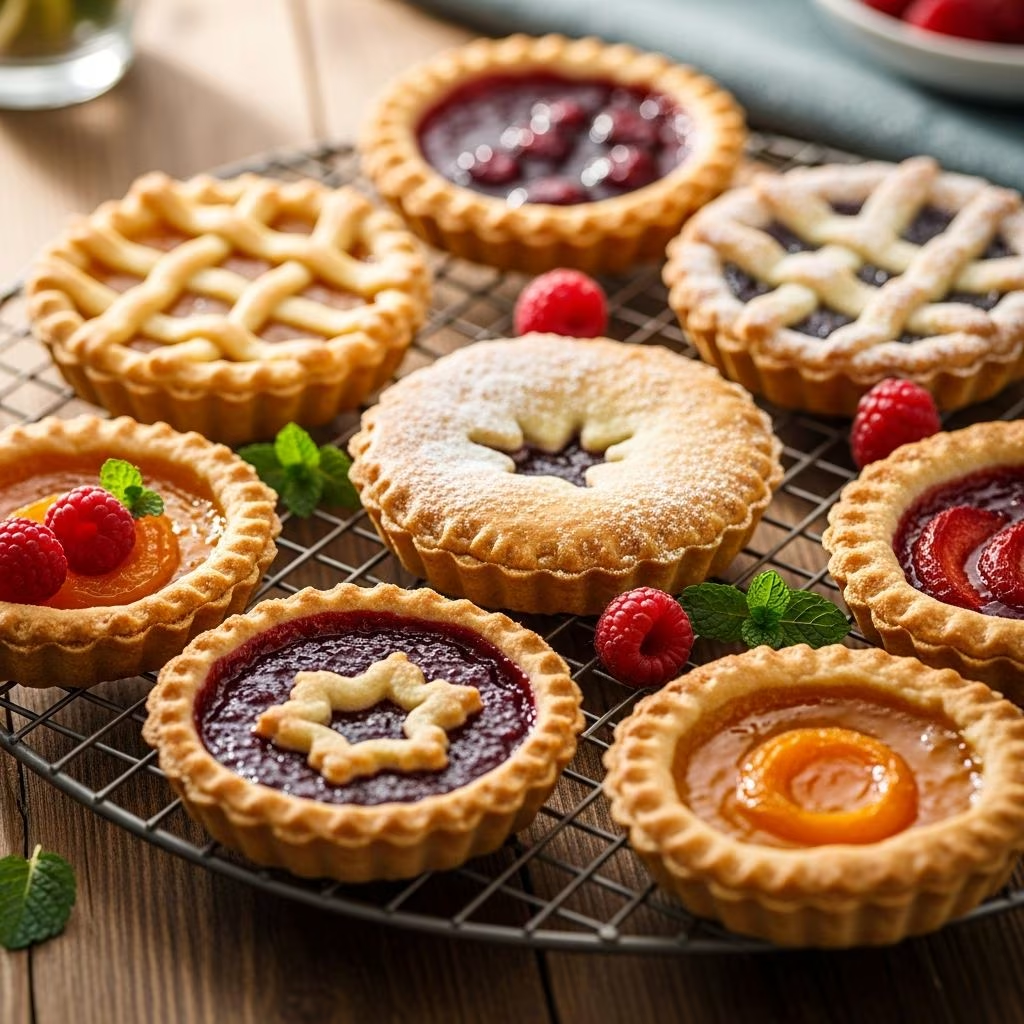
The jam selection dramatically influences both flavor and texture of the finished tart. Traditional options include raspberry, strawberry, and apricot preserves, which offer bright flavors that complement the sweet pastry. Beyond these classics, numerous alternatives expand creative possibilities.
| Filling Type | Flavor Profile | Best Used When |
|---|---|---|
| Raspberry Jam | Tart, fruity, vibrant | Pairing with almond-flavored pastry shells |
| Strawberry Jam | Sweet, familiar, approachable | Creating classic, crowd-pleasing varieties |
| Apricot Preserve | Mild, peachy, sophisticated | Serving at elegant afternoon teas |
| Lemon Curd | Bright, tangy, creamy | Offering citrus-forward flavor experiences |
| Blackcurrant Jam | Deep, slightly earthy, bold | Creating visually dramatic presentations |
| Blueberry Preserve | Subtle, slightly tart, gentle | Appealing to those preferring mild flavors |
Fruit curds represent an elegant alternative to traditional jams, offering a smoother texture and concentrated flavor. Lemon curd remains the most popular curd option, though orange and passionfruit varieties provide exciting alternatives. For those seeking unconventional variations, Nutella and peanut butter create indulgent options that appeal to different taste preferences, though these technically transform the recipes into cookie tarts rather than traditional jam versions.
Baking Process and Temperature Control
Proper oven temperature proves essential for achieving golden-brown pastry that cooks through without burning. Most jam tart recipes call for baking at temperatures between 350°F and 375°F, with baking times typically ranging from twelve to eighteen minutes depending on size and oven characteristics. The tarts should emerge from the oven with edges displaying light golden-brown coloring while maintaining pale centers.
To prevent jam from drying out excessively during baking, some recipes recommend topping the filling with sliced almonds or other nuts before baking. These additions provide textural contrast, prevent moisture loss, and contribute pleasant visual appeal. The nuts toast slightly during baking, developing deeper flavors that complement both the pastry and jam.
Upon removing tarts from the oven, allowing them to cool in the pan for fifteen minutes before transferring to a cooling rack prevents structural damage. The residual heat continues cooking the pastry gently while the tarts firm up enough to handle without crumbling.
Storage and Serving Suggestions
Properly stored jam tarts maintain optimal quality for several days. Room temperature storage in an airtight container preserves freshness for four to five days, though flavor remains most vibrant when consumed within the first day or two. Some bakers prefer adding jam only shortly before serving to maintain the sharpest color contrast and prevent the pastry from absorbing excess moisture, which could compromise crispness.
For special occasions, finishing tarts with a light dusting of powdered sugar immediately before serving adds visual elegance and subtle sweetness. This finishing touch requires minimal effort yet significantly enhances presentation appeal.
Variations and Creative Interpretations
The basic jam tart framework accommodates numerous creative variations that suit different occasions and preferences. Size flexibility represents one significant advantage—recipes can be scaled to produce twelve large muffin-sized tarts, twenty-four cupcake-sized options, or forty-two miniature tartlets from identical ingredient quantities by simply adjusting the mold sizes used.
Texture variations emerge through ingredient substitutions. Replacing a portion of all-purpose flour with almond flour and cornstarch creates a finer, more delicate crumb reminiscent of European pastries. The addition of lemon zest brightens flavor profiles, while almond extract provides subtle nuttiness that enhances certain jam pairings. Some bakers experiment with incorporating brown sugar instead of granulated sugar, which imparts subtle caramel notes to the pastry base.
Beyond Basic Fillings
- Create mixed-flavor tarts by combining different jams within a single batch
- Experiment with homemade jam varieties, including unique flavors like kumquat marmalade
- Top finished tarts with contrasting jam colors for visually striking presentations
- Incorporate lattice tops using leftover dough strips for more formal appearances
- Dust with cinnamon sugar or coarse raw sugar before baking for textural variation
- Create two-tone tarts by using both jam and curd fillings
Frequently Asked Questions
Can I use store-bought pie crust for jam tarts?
Yes, refrigerated pie dough works effectively for creating jam tarts. Simply cut the dough into appropriately-sized circles and press into muffin tins. This shortcut significantly reduces preparation time while still producing delicious results, making it an excellent option for busy bakers.
What’s the difference between jam tarts and jam tartlets?
The primary distinction lies in size. Jam tarts typically refer to larger muffin-sized pastries, while tartlets denote smaller, more delicate versions. The preparation method and ingredient ratios remain identical; only the mold size changes.
How do I prevent pastry from puffing up excessively?
Gently pricking the pastry bottom with a fork before baking allows steam to escape gradually. Additionally, ensuring the dough is properly chilled before baking helps maintain structural integrity and prevents excessive rising.
Can jam tarts be frozen for later use?
Absolutely. Both baked and unbaked tarts freeze successfully for up to three months. Baked tarts should be cooled completely before freezing, while unbaked tarts can be frozen directly in their molds and baked from frozen with slightly extended baking time.
What causes pastry to become tough or rubbery?
Overmixing the dough develops excessive gluten networks that toughen the final product. Handle dough gently, particularly after adding dry ingredients, and fold rather than stir to maintain the desired tender texture.
Conclusion
Mastering jam tarts opens doors to countless baking possibilities, combining simplicity with impressive results. Whether following traditional recipes or exploring creative variations, the fundamental principles of proper ingredient selection, careful technique, and appropriate baking remain constant. These charming pastries reward attention to detail with golden-brown shells, vibrant jam centers, and textures that delight with every bite. With practice and experimentation, any baker can develop the confidence to produce homemade jam tarts that rival professional bakery offerings.
References
- Jam Tarts (Scandinavian Cakes) — Vintage Kitchen Notes. Accessed April 2026. https://vintagekitchennotes.com/scandinavian-raspberry-jam-cakes/
- Easy Jam Tart — David Lebovitz. Accessed April 2026. https://www.davidlebovitz.com/jam-tart/
- Jam Tartlets — Desert Island Dishes. Accessed April 2026. https://desertislanddishes.co/jam-tartlets/
- Queen of Hearts Jam Tarts Recipe — Great British Chefs. Accessed April 2026. https://www.greatbritishchefs.com/recipes/heart-jam-tart-recipe
- Ridiculously Easy Scandinavian Raspberry Jam Shortbread Tarts — The Cafe Sucre Farine. Accessed April 2026. https://thecafesucrefarine.com/ridiculously-easy-scandinavian-raspberry-jam-tarts/
- Easy Jam Tarts — Sugar Salt Magic. Accessed April 2026. https://www.sugarsaltmagic.com/jam-filled-cookies-recipe/