Italian cuisine celebrates simplicity, quality ingredients, and bold flavors working harmoniously together. When it comes to preparing chicken breast in the Italian tradition, this philosophy shines through brilliantly. Rather than smothering poultry in heavy sauces, Italian cooking emphasizes the natural quality of the protein while allowing complementary herbs and aromatics to enhance rather than mask the chicken’s inherent flavor.
Preparing Italian chicken breast represents an accessible entry point into Mediterranean cooking. The technique requires minimal specialized equipment, uses ingredients commonly found in most kitchens, and delivers results that feel restaurant-quality despite the straightforward preparation. Whether you’re cooking for yourself, your family, or surprising guests, mastering this approach to chicken opens doors to countless variations while maintaining the core principles that make Italian food so beloved.
Understanding the Foundation: Why Technique Matters
The difference between ordinary chicken and exceptional Italian chicken breast lies primarily in three areas: preparation, seasoning, and cooking method. Many home cooks overlook the importance of proper preparation, rushing directly to the oven. However, taking time to properly flatten and season your chicken dramatically improves the final dish.
Pounding chicken breasts serves multiple purposes beyond simply reducing thickness. This process breaks down muscle fibers, which promotes even cooking throughout the piece and creates a more tender finished product. Additionally, uniform thickness ensures that all portions of your chicken reach the target temperature simultaneously, eliminating the frustration of overcooked edges and undercooked centers.
The Italian approach to seasoning emphasizes layering flavors rather than applying a single dominant taste. This means combining dried herbs, fresh aromatics, citrus, quality oil, and salt in a way that each element contributes distinctly to the overall flavor profile while remaining recognizable to the palate.
Essential Ingredients and Their Roles
Building authentic Italian chicken breast begins with understanding what each ingredient contributes to the final dish:
- Boneless, skinless chicken breast: This cut provides a lean canvas for Mediterranean flavors. Select breasts of similar size to ensure uniform cooking.
- Extra virgin olive oil: Choose a quality product with an early harvest designation when possible. The fruity notes complement herb-based seasoning beautifully.
- Dried oregano: This Mediterranean staple provides earthy undertones that ground the flavor profile. Oregano’s robust character withstands baking without fading.
- Fresh thyme: Adding fresh thyme alongside dried oregano creates complexity, as fresh herbs contribute bright, aromatic notes that dried versions cannot replicate.
- Paprika: Sweet paprika adds subtle sweetness and a warm color to the finished dish without introducing heat.
- Garlic: Minced fresh garlic provides pungent aromatics that mellow during cooking, becoming sweet and complex rather than harsh.
- Lemon juice: Citrus brightens all the flavors while adding acidity that prevents the overall taste from becoming heavy.
- Red onion: The slight sweetness and mild piquancy of red onions create a flavorful bed for the chicken while becoming caramelized during baking.
- Fresh tomatoes: Either fresh or canned, tomatoes add moisture and create a light sauce that complements the seasoned chicken.
Step-by-Step Preparation Process
The journey from raw ingredients to finished dish follows a logical progression that builds flavor and ensures success:
Preparation Phase
Begin by preheating your oven to 425°F, allowing it to reach the target temperature while you prepare ingredients. This initial step deserves attention, as cooking at the correct temperature ensures the exterior browns while the interior cooks through without drying out.
Place each chicken breast inside a zip-top bag or between two pieces of plastic wrap. Using a meat mallet, rolling pin, or even the bottom of a heavy skillet, gently but firmly pound the chicken to approximately one-half inch thickness. The plastic barrier prevents splashing and contains any juices that escape during pounding. This technique is far superior to simply arranging thicker pieces in a pan, as it dramatically improves texture and cooking consistency.
Seasoning Application
Transfer your pounded chicken to a large mixing bowl or shallow dish. Season generously with kosher salt and freshly ground black pepper on both sides. Combine the dried oregano, fresh thyme, and sweet paprika in a small bowl, then sprinkle this mixture over the chicken.
Add the minced garlic, a generous pour of extra virgin olive oil, and the juice from half a lemon. Using your hands or a spoon, work these ingredients into the chicken, ensuring every surface receives thorough coverage. This massage-like action isn’t merely cosmetic; it begins the process of infusing the chicken with flavor at the surface level.
Assembly in the Baking Vessel
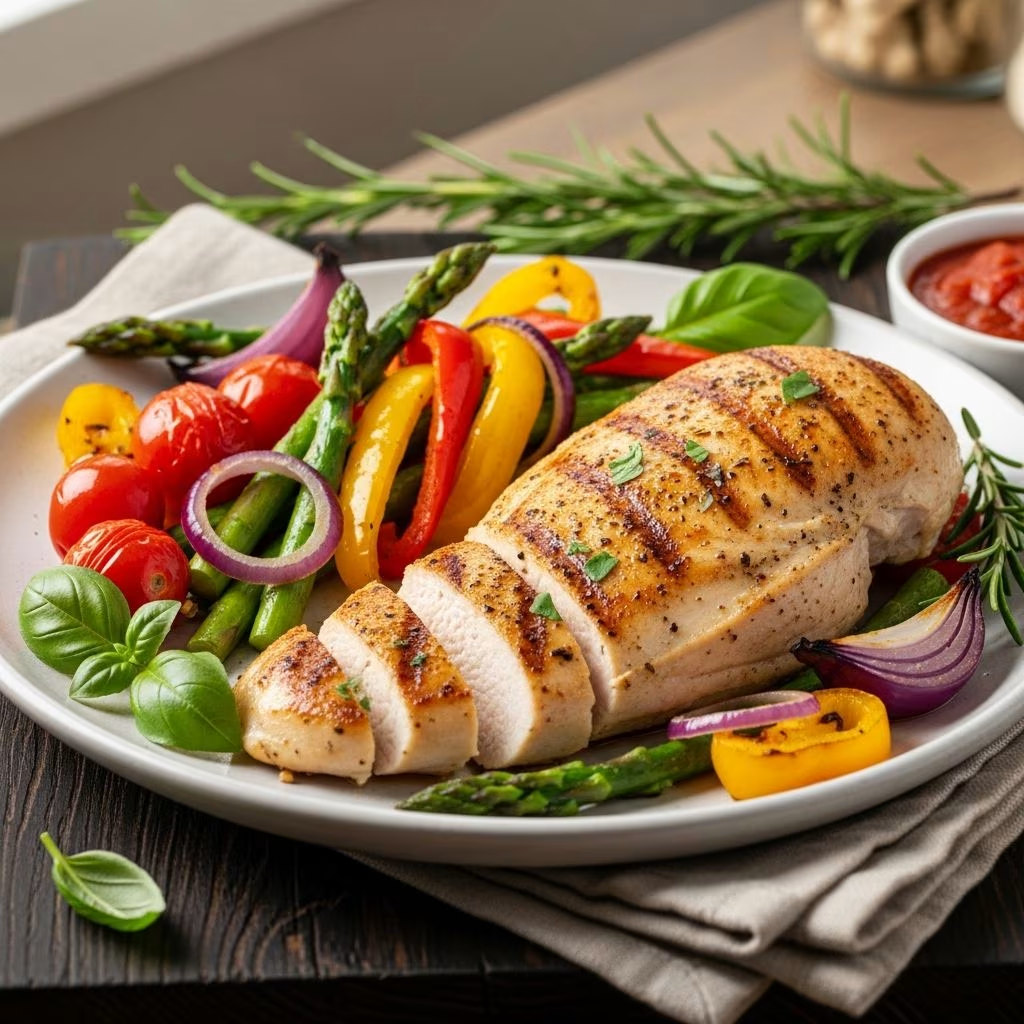
Select a large baking dish or sheet pan and lightly coat the bottom with olive oil. Slice your red onion into thin half-moons and spread these across the prepared vessel’s bottom. Arrange your seasoned chicken breasts in a single layer atop the onions, then scatter fresh tomatoes around and over the chicken. If using canned tomatoes, drain them slightly before adding so excess liquid doesn’t create a watery final dish.
Cooking and Temperature Considerations
Place your prepared baking dish in the preheated 425°F oven for approximately 15 to 20 minutes, depending on the exact thickness of your chicken breasts. The chicken is ready when a meat thermometer inserted into the thickest portion registers 165°F, indicating that all harmful bacteria have been eliminated.
During cooking, the chicken begins releasing juices that mingle with the olive oil, lemon, and herbs to create a light pan sauce. The onions gradually caramelize, becoming sweet and tender. The tomatoes soften and break down, their acidity balancing the richness of the oil and the savory elements of the herbs and garlic.
Avoid opening the oven door excessively during cooking, as this releases heat and extends cooking time. Patience during this phase yields superior results compared to frequent checking.
Variations and Adaptations
While the classic preparation outlined above delivers consistent excellence, Italian cooking encourages adaptation based on seasonal availability and personal preference:
Vegetable Inclusions
Beyond the traditional onions and tomatoes, consider adding bell peppers, zucchini, mushrooms, or artichoke hearts to your baking dish. These vegetables contribute color, nutrition, and varied textures while absorbing the flavorful pan juices. Add denser vegetables like peppers earlier in the cooking process and more delicate options like mushrooms partway through to prevent overcooking.
Herbaceous Variations
While oregano and thyme form the classical foundation, fresh basil added at the end of cooking brings bright, peppery notes. Rosemary, though more assertive, pairs beautifully with lemon and garlic. Marjoram offers a subtler oregano-like quality. Experiment with fresh parsley as a finishing element, not only for its mild flavor but also for its visual appeal.
Wine-Based Preparations
For occasions when you desire deeper complexity, add a quarter cup of dry white wine to the pan before baking. The wine reduces during cooking, leaving behind muted acidity and subtle sweetness that enhances the overall composition. This technique transforms your dish into something slightly more sophisticated without adding significant preparation time.
Protein Variations
While chicken breast serves as an excellent canvas, the same techniques apply beautifully to chicken thighs, which offer more moisture and forgiving cooking properties. Turkey breast provides a leaner alternative, though it requires careful monitoring to prevent drying. Even fish fillets like halibut or cod benefit from this Mediterranean treatment, though cooking times reduce considerably.
Serving Suggestions and Complementary Sides
Italian chicken breast pairs naturally with numerous accompaniments that complete a balanced meal:
| Side Category | Recommended Options | Why They Pair Well |
|---|---|---|
| Starches | Polenta, pasta, risotto, crusty bread | Absorb the pan juices while providing substance to the meal |
| Greens | Arugula, spinach, Italian greens blend | Fresh, peppery flavors balance the herbs and olive oil |
| Vegetables | Roasted broccoli, sautéed zucchini, green beans | Add color, nutrition, and textural contrast |
| Salads | Caprese, mixed greens with vinaigrette, roasted vegetable | Light options prevent heaviness and add freshness |
The beauty of this dish lies partly in its flexibility. Serve it warm directly from the oven for maximum aromatic impact, or allow it to cool slightly and serve at room temperature for a Mediterranean-inspired light supper.
Storage, Make-Ahead Options, and Food Safety
Cooked Italian chicken breast stores beautifully in the refrigerator for three to four days when kept in an airtight container. The flavors actually deepen during storage as the herbs and garlic continue infusing the chicken. Reheat gently in a 350°F oven or on the stovetop over medium-low heat to prevent drying.
You can prepare the seasoning mixture and store it separately for up to one week, allowing you to speed through the preparation when you’re ready to cook. The chicken itself can be pounded and refrigerated for one day before cooking, which makes this recipe excellent for meal planning.
Raw chicken should never sit at room temperature for more than two hours. If you’re marinating your chicken before cooking, do so in the refrigerator rather than on the counter.
Frequently Asked Questions
How thick should I pound the chicken breast?
Aim for approximately one-half inch thickness. This ensures the chicken cooks through in 15 to 20 minutes without the exterior becoming tough and overcooked. Thinner pieces cook faster but may become dry, while thicker pieces require longer cooking that risks exterior browning before the interior reaches a safe temperature.
Can I use boneless, skinless chicken thighs instead?
Absolutely. Thighs contain more fat than breasts, making them more forgiving during cooking. They’re less likely to dry out, though cooking time may increase slightly to 20 to 25 minutes depending on size.
What if I don’t have fresh thyme?
You can use dried thyme instead, reducing the amount to one-half teaspoon since dried herbs are more concentrated than fresh versions. Alternatively, substitute fresh rosemary or marjoram for similar herbaceous complexity.
Is this recipe naturally gluten-free?
Yes, the basic preparation contains no gluten. However, if you choose to dust the chicken with flour before cooking, ensure you use a gluten-free alternative if needed.
How do I know when the chicken is fully cooked?
Use a meat thermometer inserted into the thickest portion of the chicken. When it registers 165°F, the chicken is safely cooked. If you don’t have a thermometer, cut into the thickest portion and confirm that no pink remains and juices run clear.
Can I prepare this dish ahead of time?
Yes. You can assemble the entire dish up to 8 hours in advance and refrigerate it covered. Add approximately 5 minutes to the baking time since the dish will start from a cold temperature. Alternatively, cook it completely, cool it, and refrigerate for reheating later.
Nutritional Considerations
This preparation method delivers excellent nutrition. Chicken breast provides lean protein essential for muscle maintenance and repair. Extra virgin olive oil contributes monounsaturated fats that support heart health. Fresh vegetables and herbs add vitamins, minerals, and fiber while remaining low in calories. The overall dish aligns well with Mediterranean dietary patterns, which substantial research supports as among the healthiest approaches to eating.
One serving of Italian chicken breast prepared as described provides approximately 250 to 300 calories, with roughly 35 grams of protein, making it an excellent choice for those monitoring their diet while refusing to sacrifice flavor.
Conclusion: Embracing Italian Simplicity
Italian chicken breast exemplifies how simple ingredients handled with respect and attention yield extraordinary results. This approach requires no exotic ingredients, specialized equipment, or advanced techniques, yet it consistently produces restaurant-quality meals that taste like you spent hours in the kitchen.
By understanding the role of each ingredient and following the logical progression of preparation, seasoning, and cooking, you develop foundational skills applicable to countless other dishes. Once you’ve mastered this basic preparation, you’ll find yourself confidently adapting it based on seasonal availability, dietary preferences, and the ingredients your market offers on any given day.
The next time you’re planning a weeknight dinner and want something that feels special without demanding excessive effort, reach for chicken breast and the simple but powerful combination of Mediterranean herbs, aromatics, and quality olive oil. Your palate—and your schedule—will thank you.
References
- Easy Italian Baked Chicken Recipe — The Mediterranean Dish. https://www.themediterraneandish.com/easy-italian-baked-chicken-recipe/
- Italian Sheet Pan Chicken Breast — Downshiftology. https://downshiftology.com/recipes/italian-sheet-pan-chicken-breast/
- Italian Chicken Breasts – Easy Baked Dinner — Cook the Story. https://cookthestory.com/italian-chicken-breast/
- Italian-Style Skillet Chicken Breast with Tomatoes and Mushrooms — The Mediterranean Dish. https://www.themediterraneandish.com/italian-skillet-chicken-tomatoes-mushrooms/
- Italian Chicken {Easy Sheet Pan Chicken Dinner} — Well Plated. https://www.wellplated.com/sheet-pan-italian-chicken/