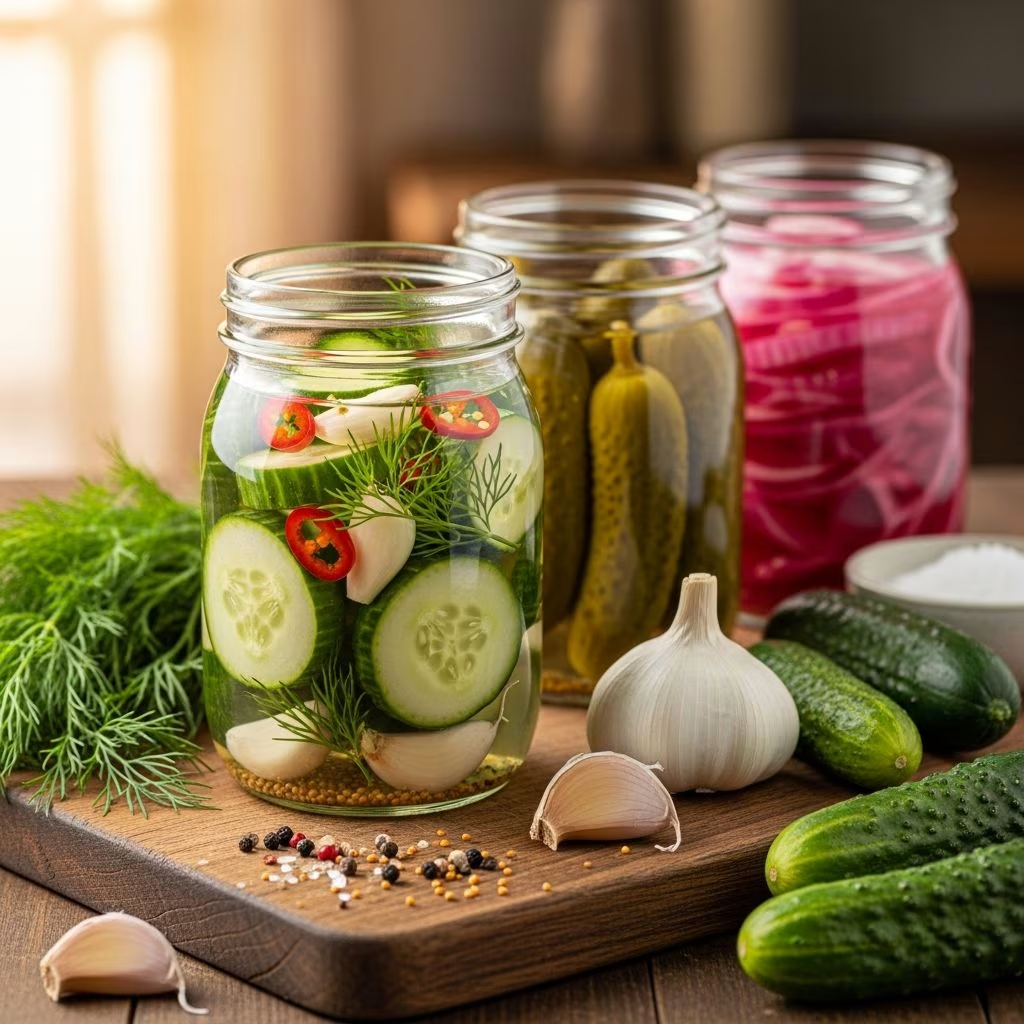
Icebox pickles offer a straightforward way to enjoy homemade pickled cucumbers without the hassle of traditional canning. These refrigerator pickles rely on a vinegar brine that develops bold flavors over a few days in the fridge, delivering crisp texture and a balance of sweet, tangy, and savory notes. Ideal for gardeners with excess cucumbers or anyone craving fresh condiments, this method skips boiling water baths for pure convenience.
Why Choose Icebox Pickles Over Canned Varieties
Traditional pickling involves heat processing to create shelf-stable jars, but icebox pickles prioritize freshness and ease. Stored cold, they retain more crunch from the cucumbers while the brine infuses seasonings like celery seed or dill without overcooking the produce. This approach suits small batches and experimentation with flavors, from sweet onion blends to spicy dill versions. Home cooks appreciate the shorter prep time and lack of special equipment, making it accessible for weekly meal prep.
The process typically starts with slicing cucumbers thinly for maximum brine contact, layering with onions or spices, and pouring over a cooled vinegar solution. Variations exist: some heat the brine briefly to dissolve sugar and salt, while no-cook methods let natural juices draw out during an overnight salt rest. Results stay vibrant for weeks in the refrigerator, far outlasting fresh cukes.
Essential Ingredients for Perfect Icebox Pickles
Core components include fresh cucumbers, vinegar, sugar, salt, and aromatics. Opt for firm Kirby or pickling cucumbers to avoid sogginess; their dense flesh holds up best in brine. White or apple cider vinegar provides acidity—5% strength ensures safety and tang. Sugar balances sharpness, while kosher or sea salt draws out moisture for crispness.
| Ingredient | Quantity (for 2 Quarts) | Purpose |
|---|---|---|
| Cucumbers (Kirby or similar) | 2-3 lbs, sliced thin | Main vegetable base for crunch |
| Onions (white or yellow) | 2 medium, sliced thin | Adds mild sweetness and bite |
| White vinegar (5% acidity) | 2 cups | Preserves and flavors with tang |
| Sugar (granulated) | 2-4 cups | Balances acidity for sweet pickles |
| Kosher salt or sea salt | 2-3 Tbsp | Draws out water, seasons |
| Celery seed or dill | 1-2 Tbsp | Signature herbal notes |
Customize with garlic, mustard seeds, peppercorns, or red pepper flakes for heat. Proportions vary by sweetness preference—start low and taste the brine. Use non-reactive containers like glass jars to prevent metallic off-flavors.
Step-by-Step Guide to Making Icebox Pickles
- Prepare the vegetables: Wash and slice 2-3 pounds of cucumbers into 1/8-inch rounds or spears. Thinly slice 2 onions. Layer in a large glass dish or bowl, sprinkling salt between layers to wilt them slightly and enhance crispness.
- Salt and rest: Cover and refrigerate the layered veggies overnight. This no-cook step draws out excess water, concentrating flavors without softening the slices.
- Make the brine: Combine vinegar, sugar, and spices in a saucepan. Heat gently, stirring until sugar dissolves—do not boil to preserve brightness. For no-heat versions, mix and let sit until dissolved. Cool completely or chill.
- Drain and combine: Rinse salted veggies lightly if too salty, then drain well. Pour cold brine over them, ensuring full submersion. Stir gently.
- Refrigerate and wait: Seal in jars and chill for 24-48 hours minimum. Flavors peak after 2-3 days, with garlic notes intensifying over time.
Yield: About 2 quarts. Total time: 20 minutes active + 2-3 days resting. These pickles are ready when tangy and infused.
Variations to Suit Every Taste
- Sweet and Onion-Focused: Heavy on sugar (4 cups) with extra onions and celery seed for a classic icebox profile.
- Dill Lovers’ Delight: Swap celery for fresh dill sprigs, mustard seeds, and garlic. Use less sugar for savory tang.
- Spicy Kick: Add red pepper flakes, jalapeños, or black peppercorns. Ideal for bolder palates.
- No-Cook Quickie: Skip heating; salt cucumbers overnight, then mix with room-temp vinegar-sugar blend. Ready in 24 hours.
- Low-Sugar Option: Halve sugar, boost vinegar or herbs for a sharper pickle akin to deli styles.
Experiment seasonally—try with zucchini or carrots for hybrid fridge pickles. Scale up for picnics by doubling brine.
Storage, Shelf Life, and Safety Tips
Keep icebox pickles in airtight glass jars in the fridge. They last 1-3 months, though best within 4 weeks for peak crunch. The vinegar’s acidity (below pH 4.6) prevents bacterial growth if fully submerged. Signs of spoilage: off odors, mold, or mushiness—discard immediately.
Always use clean utensils to avoid contamination. For safety, check vinegar strength and cover veggies completely. These are not shelf-stable; refrigeration is key.
Nutritional Profile and Health Benefits
A 1/2-cup serving offers low calories (around 50-100 depending on sugar), hydration from cucumbers, and gut-friendly probiotics from fermentation-like brining. Vinegar aids digestion, while onions provide antioxidants. Low-sodium tweaks make them heart-friendly. Pair with meals for probiotic boost without dairy yogurt.
Creative Ways to Enjoy Homemade Icebox Pickles
- Chop into potato salad or coleslaw for zing.
- Top burgers, sandwiches, or tacos.
- Snack straight from the jar with cheese.
- Blend into relish for hot dogs.
- Mix into tuna or chicken salad.
Their versatility elevates everyday eats, mimicking artisanal brands at a fraction of the cost.
Frequently Asked Questions (FAQs)
Can I use regular cucumbers for icebox pickles?
Yes, but pickling varieties like Kirby yield better crunch. Regular ones work if firm and fresh.
How long do icebox pickles last?
Up to 3 months refrigerated, but eat within 4 weeks for best texture.
Why are my pickles soggy?
Overripe cucumbers or insufficient salting. Use thin slices and overnight salt rest.
Can I reuse the brine?
For a second batch only if fresh veggies fit; discard after.
Are these pickles safe without canning?
Yes, due to high acidity and refrigeration. Maintain submersion.
Troubleshooting Common Issues
Not crunchy enough: Salt longer or use ice water rinse post-drain.
Too sweet: Reduce sugar next time; dilute with vinegar.
Cloudy brine: Normal from spices; if extreme, check for spoilage.
Spice too mild: Increase seeds or add fresh garlic.
References
- Ice Box Pickles – The Spice House — The Spice House. Accessed 2026. https://www.thespicehouse.com/blogs/recipes/ice-box-pickles-recipe
- Old-Fashioned Sweet Icebox Pickles – No Cooking Required! — The Farmer’s Lamp. Accessed 2026. https://thefarmerslamp.com/mrs-minnies-icebox-pickles/
- Quick and Easy Refrigerator Pickles — Once Upon a Chef. Accessed 2026. https://www.onceuponachef.com/recipes/quick-and-easy-dill-pickles.html
- Easy Refrigerator Dill Pickles — Pinch and Swirl. Accessed 2026. https://pinchandswirl.com/easy-dill-lovers-refrigerator-pickles/
- The Quickest Homemade Pickles Ever | Refrigerator Pickle Recipe — YouTube (Prairie Homestead). Accessed 2026. https://www.youtube.com/watch?v=4BOCrlwFeHc
- No Cook Refrigerator Pickles Like Grandma Made — Recipe Idea Shop. Accessed 2026. https://recipeideashop.com/grandmas-no-cook-refrigerator-pickles/