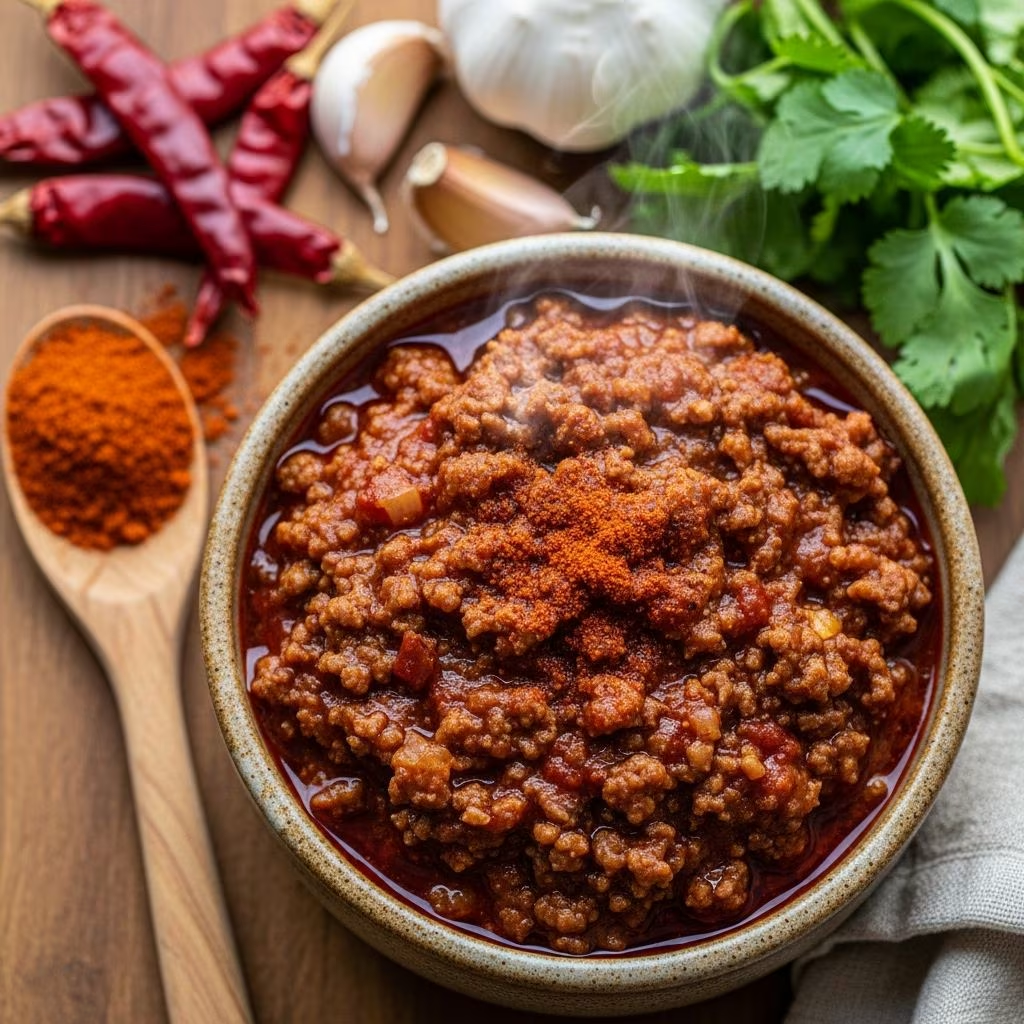
Hot dog chili represents one of the most accessible and satisfying condiments for food enthusiasts who appreciate straightforward, flavorful toppings. Unlike complex chili recipes that require hours of simmering, this particular preparation delivers robust taste through an efficient cooking method that combines readily available ingredients. Understanding the fundamentals of this dish allows home cooks to produce consistent, delicious results that rival commercial versions.
Understanding the Core Ingredients
The foundation of effective hot dog chili relies on selecting quality components that work harmoniously together. Each ingredient serves a specific purpose in developing the final flavor profile and texture.
- Ground beef: One pound provides the protein base and creates the characteristic meaty texture that defines this condiment. Choose 80/20 ground beef for optimal balance between flavor and texture.
- Water: The one-third cup measurement helps establish the proper consistency and allows the beef to break down effectively during the initial mashing phase.
- Tomato sauce: Half a standard 10-ounce can contributes acidic notes and umami depth that complement the meat and seasonings.
- Ketchup: This half-cup addition provides sweetness, additional tomato flavor, and helps achieve the desired thickness of the finished product.
- Chili powder: Two and a half teaspoons deliver the characteristic warm spice notes that distinguish this condiment from simple meat sauce.
- Seasonings: Salt, black pepper, white sugar, onion powder, and Worcestershire sauce create complexity and balance in the final preparation.
Preparation Fundamentals
The initial preparation stage establishes the texture and cooking characteristics of the finished chili. Proper technique at this phase significantly impacts the final result.
Begin by placing the ground beef in a large saucepan along with water. The water serves as a cooking medium that facilitates even heat distribution and allows the beef to break apart into fine particles. Using a potato masher, systematically break the beef into small pieces, pressing firmly against the bottom and sides of the pan. This mechanical action disrupts the meat fibers and creates a uniform, granular texture rather than large chunks. Continue mashing until the beef resembles coarse breadcrumbs with no visible large pieces remaining.
Building Flavor Through Layering
Once the beef reaches the desired texture, introduce the remaining ingredients in a specific sequence to ensure proper flavor development and incorporation.
Add the tomato sauce, ketchup, chili powder, salt, black pepper, sugar, onion powder, and Worcestershire sauce to the mashed beef. Stir thoroughly to distribute seasonings evenly throughout the mixture. This step is critical because uneven seasoning distribution results in inconsistent flavor when serving.
Worcestershire sauce, though added in minimal quantity (a single dash), contributes fermented depth and subtle anchovy notes that enhance the overall savory character. The white sugar balances the acidity from both tomato sauce and ketchup while rounding out sharp spice notes from the chili powder. Onion powder provides allium complexity without adding moisture that whole onions would introduce.
The Cooking Process
The cooking phase transforms the raw ingredients into a cohesive, flavorful condiment. Understanding heat management prevents overcooking or undercooking.
Bring the mixture to a boil over medium-high heat. Once visible bubbling occurs at the surface, reduce the heat to medium and maintain a gentle rolling boil. This moderate heat level allows water to evaporate gradually, concentrating flavors and achieving the proper consistency. Continue cooking for approximately 20 minutes, stirring occasionally to prevent sticking and ensure even heating throughout the pan.
The chili reaches completion when the beef is fully cooked through and the sauce has thickened noticeably. The finished texture should coat a spoon and flow slowly when poured, resembling a thick gravy rather than a soupy sauce or a paste.
Nutritional Considerations
Understanding the nutritional profile helps inform dietary choices and portion planning.
| Nutrient | Amount per Serving |
|---|---|
| Calories | 168 |
| Protein | 13.6g |
| Carbohydrates | 7.5g |
| Total Fat | 9.4g |
| Cholesterol | 47.3mg |
| Sodium | 594.7mg |
This nutritional composition reflects a protein-rich condiment that delivers satisfying substance without excessive calories. The sodium content derives from tomato sauce, ketchup, and Worcestershire sauce, making this option reasonable for standard diets while requiring consideration for sodium-restricted regimens.
Serving Suggestions and Applications
While traditionally served atop hot dogs, this versatile condiment accommodates numerous culinary applications. Spoon the chili generously over grilled franks nestled in soft buns for the classic preparation. Alternative uses include topping baked potatoes, incorporating into nachos, garnishing chili cheese fries, or mixing into ground beef tacos for added depth.
Storage and Make-Ahead Preparation
This recipe accommodates advance preparation, accommodating busy schedules and meal planning. Allow the finished chili to cool completely before transferring to airtight containers. Refrigerated chili maintains quality for up to four days, while frozen portions remain suitable for use up to three months. Reheat gently over low heat, adding small quantities of water if the mixture has thickened excessively during storage.
Customization Options
The basic formula allows creative modifications while maintaining the essential character. Those preferring additional heat can increase chili powder to three teaspoons or add cayenne pepper in quarter-teaspoon increments. Garlic powder at one-quarter teaspoon contributes aromatic complexity, while smoked paprika replaces one-half teaspoon of chili powder for subtle smoky undertones.
Common Preparation Mistakes
Awareness of frequent errors helps prevent disappointing results. Overcooking causes excessive water evaporation, producing a paste-like consistency unsuitable for condiment use. Inadequate mashing leaves visible meat chunks that detract from the desired texture. Failing to stir thoroughly results in uneven seasoning and heat distribution. Using excessive heat accelerates water loss and risks scorching at the pan bottom.
Equipment Recommendations
Specific tools streamline the preparation process. A heavy-bottomed saucepan distributes heat evenly and prevents hot spots that encourage sticking. A sturdy potato masher effectively breaks apart ground beef without excessive effort. A wooden or silicone spoon facilitates stirring without scratching the pan interior.
Frequently Asked Questions
Can this recipe be prepared in advance?
Yes, the chili can be made up to four days ahead and refrigerated in airtight containers. Reheat gently before serving, adding water if needed to achieve the preferred consistency.
What type of beef works best?
Standard ground beef with an 80/20 fat-to-lean ratio produces optimal results. Leaner ground beef produces a drier final product, while higher-fat options create excessive grease.
How can the thickness be adjusted?
Reduce cooking time for a thinner consistency, or extend cooking for a thicker texture. Water can be added in small increments if the chili becomes too thick.
Is Worcestershire sauce essential?
While the single dash contributes valuable depth, omitting it produces acceptable results. Soy sauce offers a suitable substitute if Worcestershire is unavailable.
Can this be scaled for larger quantities?
Yes, the recipe doubles, triples, or halves successfully. Maintain ingredient proportions while adjusting cooking time as needed based on total volume.
What causes the chili to stick to the pan?
Insufficient stirring and excessive heat promote sticking. Maintain medium heat and stir regularly throughout cooking.
References
- Ground Beef Selection and Cooking Guidelines — U.S. Department of Agriculture Food Safety and Inspection Service. 2024. https://www.fsis.usda.gov/
- Food Storage and Refrigeration Safety — Centers for Disease Control and Prevention. 2023. https://www.cdc.gov/foodsafety/