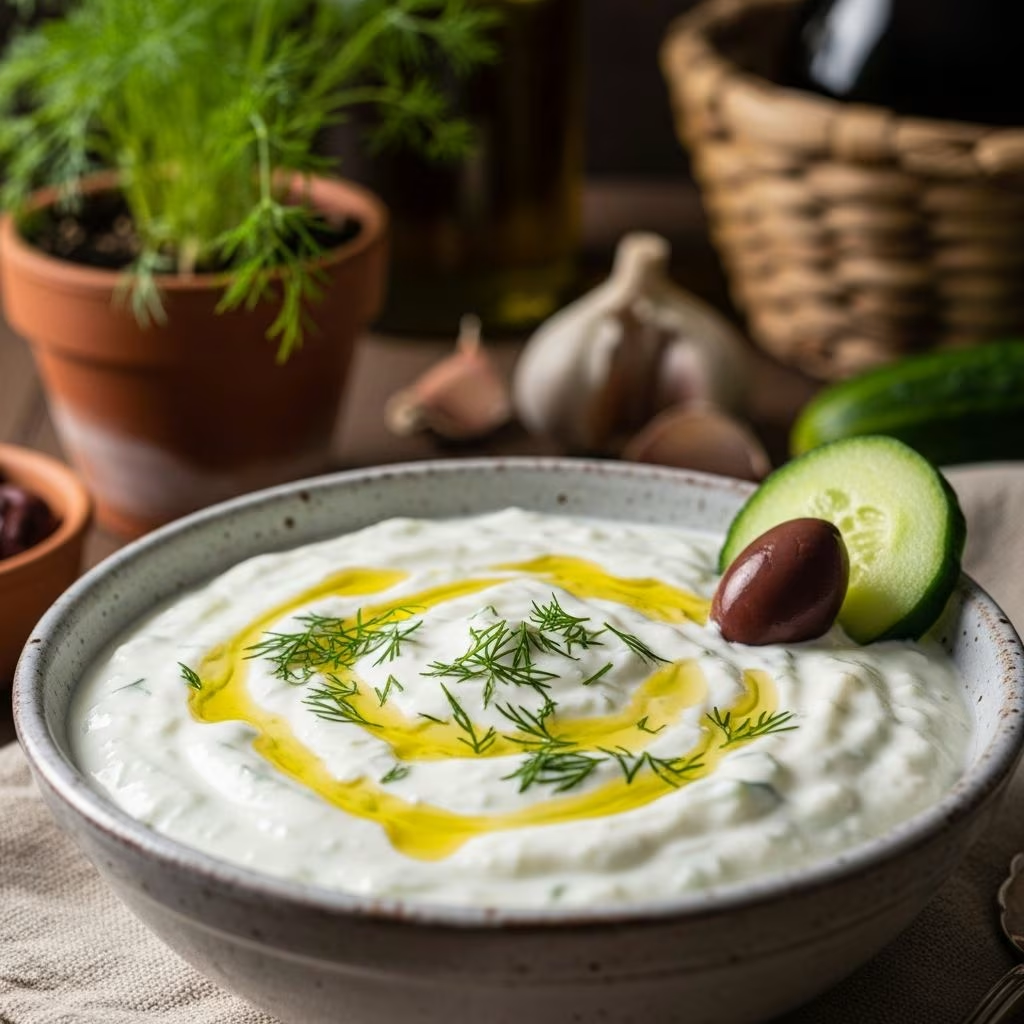
Tzatziki, a cornerstone of Greek cuisine, blends the tang of strained yogurt with the crunch of fresh cucumber and the punch of raw garlic. This versatile sauce elevates everything from grilled meats to vegetable platters, embodying the fresh, simple flavors of the Mediterranean. Whether you’re hosting a summer barbecue or craving a quick snack, mastering tzatziki at home brings restaurant-quality results with minimal effort.
Origins and Cultural Significance of Tzatziki
Rooted in ancient Greek culinary traditions, tzatziki traces its lineage to meze culture, where small dishes encourage communal dining. In Greece, it’s a staple alongside souvlaki, gyros, and fresh pita, often served chilled to cut through rich flavors. Variations exist across the region—Cyprus calls it talatouri with mint and lemon—but the core remains yogurt-based, reflecting pastoral herding practices that prioritized strained dairy products.
Today, tzatziki’s global popularity stems from its health benefits: high in protein from Greek yogurt, low in calories, and packed with probiotics. It’s a dip that aligns with modern diets while honoring centuries-old recipes passed down through generations.
Essential Ingredients for Perfect Tzatziki
The magic of tzatziki lies in quality ingredients. Strained Greek yogurt forms the thick base, cucumbers add hydration and texture, garlic delivers bold aroma, and olive oil ties it together with fruity notes. Here’s a breakdown:
- Strained Greek Yogurt: Use full-fat or 2% for creaminess; 2 cups (about 480g) yields 4-6 servings. Avoid regular yogurt to prevent a watery dip.
- Cucumber: One medium English or Persian cucumber, grated and drained. Seedless varieties work best to avoid bitterness.
- Garlic: 2-4 cloves, finely minced or grated. Start low and adjust for intensity.
- Extra Virgin Olive Oil: 2-3 tablespoons for richness and smoothness.
- Acid: 1-2 teaspoons red wine vinegar or lemon juice for brightness.
- Herbs and Seasoning: Fresh dill (1-2 tbsp chopped), salt (1 tsp), and white pepper to taste. Mint is optional for a Cypriot twist.
| Ingredient | Quantity | Role |
|---|---|---|
| Greek Yogurt | 2 cups | Creamy base |
| Cucumber | 1 medium | Texture and moisture |
| Garlic | 2-4 cloves | Flavor punch |
| Olive Oil | 2 tbsp | Smoothness |
| Vinegar/Lemon | 1 tsp | Acidity balance |
| Dill | 1 tbsp | Fresh herb note |
Step-by-Step Guide to Making Tzatziki
Preparation takes about 15 minutes, plus chilling time. No cooking required—focus on technique for optimal texture.
Prep the Cucumber: Wash and partially peel the cucumber for stripes if desired. Grate coarsely, sprinkle with ½ tsp salt, and let sit 10 minutes. Squeeze out excess water using a clean towel—this step is crucial for thickness.
Garlic Prep: Mince or grate garlic finely. For milder flavor, mix with a pinch of salt and let rest 5 minutes before adding.
Mix Base: In a bowl, combine yogurt, olive oil, vinegar, remaining salt, pepper, and garlic. Stir until smooth.
Incorporate Cucumber and Herbs: Fold in drained cucumber and chopped dill. Taste and adjust seasoning.
Chill and Serve: Cover and refrigerate 1-2 hours (or overnight) for flavors to meld. Drizzle with olive oil before serving.
Pro Tip: For ultra-smooth texture, blend garlic and oil first, then mix with yogurt.
Common Mistakes and How to Avoid Them
Many home cooks end up with runny tzatziki. Key pitfalls include skipping cucumber drainage or using thin yogurt. Always strain yogurt if not pre-strained, and don’t over-grate cucumber into mush. Garlic can overpower—taste as you go. Finally, serve cold; room temperature dulls the freshness.
- Runny Texture: Drain cucumber thoroughly (aim for golf-ball sized squeeze).
- Weak Flavor: Use fresh garlic and high-quality oil; don’t substitute.
- Herb Overload: Dill enhances, but mint or none keeps it authentic Greek.
Health Benefits of Tzatziki
Beyond taste, tzatziki is nutritious. Greek yogurt provides 20g protein per cup, supporting muscle repair. Cucumbers hydrate with 95% water content, while garlic offers antimicrobial properties. Olive oil adds heart-healthy monounsaturated fats. At ~100 calories per ½ cup serving, it’s a guilt-free dip.
It’s naturally gluten-free, low-carb, and keto-friendly. For vegans, swap yogurt for cashew-based alternatives.
Creative Ways to Use Tzatziki
Tzatziki shines as more than a dip:
- With Meats: Slather on gyros, souvlaki, or kebabs.
- Vegetarian Pairings: Dip carrots, bell peppers, or falafel.
- Sandwiches: Elevate wraps, burgers, or fish tacos.
- Salads and Bowls: Dollop on grain bowls or Greek salad.
- Marinades: Thin with water for chicken or lamb yogurt baths.
Store in an airtight container up to 4 days; stir before use as separation occurs naturally.
Variations for Every Palate
Adapt tzatziki regionally:
- Cypriot Talatouri: Mint, lemon juice, no dill.
- Spicy Version: Add chili flakes or jalapeño.
- Herb-Heavy: Include parsley or basil.
- Low-Garlic: Roast garlic for mellow sweetness.
For larger batches, scale proportionally and use immediately or freeze in portions (thaw overnight).
Frequently Asked Questions (FAQs)
What makes Greek yogurt ideal for tzatziki?
Its straining process removes whey, creating a thick consistency essential for the dip’s texture.
Can I make tzatziki without garlic?
Yes, but it alters the authentic flavor. Shallots offer a milder alternative.
How long does homemade tzatziki last?
3-5 days in the fridge. Discard if it smells off or shows mold.
Is tzatziki vegan?
Traditional no, but coconut or almond yogurt works well.
Best cucumber type?
English or Persian—thin-skinned, fewer seeds.
Nutritional Breakdown Per Serving (½ cup)
| Nutrient | Amount | % Daily Value |
|---|---|---|
| Calories | 100 | 5% |
| Protein | 10g | 20% |
| Fat | 6g | 8% |
| Carbs | 4g | 1% |
| Sodium | 300mg | 13% |
Values approximate; varies by ingredients.
References
- Authentic Greek Tzatziki — Niko Douniko. Accessed 2026. https://www.nikodouniko.com/post/authentic-greek-tzatziki
- Tzatziki Recipe – As Made In Greece — Real Greek Recipes. Accessed 2026. https://realgreekrecipes.com/tzatziki-recipe/
- Authentic Greek Tzatziki sauce recipe (With Video) — My Greek Dish. Accessed 2026. https://www.mygreekdish.com/recipe/authentic-greek-tzatziki-sauce-recipe/
- Greek Tzatziki Sauce — The Wanderlust Kitchen. Accessed 2026. https://thewanderlustkitchen.com/authentic-greek-tzatziki/
- Easy Tzatziki Sauce Recipe — The Mediterranean Dish (YouTube). Accessed 2026. https://www.youtube.com/watch?v=DQ41VkSFvLc