Creating restaurant-quality sauces at home often seems intimidating, but teriyaki proves that exceptional flavor requires minimal complexity. This fundamental Japanese condiment has become a staple in kitchens worldwide, gracing everything from grilled proteins to stir-fried vegetables. The beauty of teriyaki lies in its elegant simplicity—achievable with just a handful of pantry staples and a few minutes of your time.
Unlike elaborate sauce recipes requiring exotic ingredients or specialized equipment, teriyaki demonstrates how strategic ingredient selection and proper technique create outstanding results. Whether you’re preparing a weeknight dinner or impressing guests, understanding the fundamentals of teriyaki preparation transforms your culinary confidence and expands your cooking repertoire.
Understanding Teriyaki: Origins and Culinary Significance
Teriyaki represents one of Japan’s most recognizable culinary contributions to global cuisine. The name itself reveals the cooking method: “teri” refers to the glossy appearance created by the sauce, while “yaki” means grilled or broiled. Traditionally, this technique involves brushing meats or seafood with a sweet and savory glaze during cooking, allowing the sugars to caramelize and create an irresistible lacquered finish.
The sauce itself functions as both a marinade and finishing glaze, making it remarkably versatile. Its balanced profile—combining umami-rich soy sauce, subtle sweetness, and delicate depth—enhances without overwhelming the natural flavors of quality ingredients. Understanding these fundamentals helps you appreciate why teriyaki has transcended its Japanese origins to become beloved across countless cuisines.
The Foundation: Core Ingredients Explained
The traditional teriyaki sauce relies on four essential components, each contributing specific qualities to the final product:
Soy Sauce: The Umami Backbone
Soy sauce provides the savory depth characteristic of teriyaki. This fermented condiment contains glutamates that trigger umami sensations on the palate, creating that deeply satisfying quality that makes teriyaki so crave-worthy. When selecting soy sauce, both regular and low-sodium varieties work effectively—your choice depends on sodium preferences. The salty character balances the sauce’s sweetness, preventing cloying flavors that could overwhelm delicate proteins.
Mirin: The Traditional Sweetener
Mirin is a sweet rice wine that represents the authentic choice for traditional teriyaki preparation. This ingredient does more than add sweetness; it contributes subtle complexity and helps create the glossy finish that defines quality teriyaki. Mirin’s natural viscosity adds body to the sauce without requiring additional thickeners. When you select mirin, prioritize corn syrup-free varieties to maintain authenticity and avoid overly processed flavors.
Sake: The Depth Provider
Sake, a Japanese rice wine, rounds out the flavor profile by adding sophistication and helping marry the other ingredients. This ingredient allows flavors to meld more cohesively while contributing subtle warmth to the finished sauce. If sake isn’t available, increasing the mirin proportion creates a workable substitute, though the complexity will shift slightly.
Sugar: The Glossy Element
Whether using standard white sugar or brown sugar, this ingredient creates the caramelized surface that characterizes excellent teriyaki. Sugar also contributes to the sauce’s body and helps achieve the desired consistency without relying on cornstarch or other thickening agents. Brown sugar offers additional caramel notes that some prefer over white sugar’s pure sweetness.
Building Your Teriyaki: Step-by-Step Preparation
Creating teriyaki requires straightforward technique rather than advanced culinary skills. Following these steps ensures consistent, excellent results:
The Combination Phase
Begin by gathering your four core ingredients in a medium saucepan. The typical ratio—equal parts soy sauce, mirin, and sake, with half that amount of sugar—creates balanced flavor. For a standard batch, combine ½ cup each of soy sauce, mirin, and sake with ¼ cup sugar. This proportion ensures no single flavor dominates while the sugar provides sufficient sweetness and body.
The Heating Process
Place your saucepan over medium heat, allowing the mixture to warm gradually. Avoid high heat initially, as this can cause uneven heating and scorching. As the sauce warms, stir occasionally to help the sugar dissolve completely. The mixture should reach a gentle simmer rather than a rolling boil—vigorous boiling can cause excessive evaporation and concentrate flavors too intensely.
The Simmering Stage
Once the sauce begins simmering, maintain medium heat for approximately 10-15 minutes. During this time, the alcohol from the sake and mirin will evaporate, while water content reduces, naturally thickening the sauce. You’ll notice the mixture becoming more syrupy and developing a deeper color as sugars begin caramelizing. Stir occasionally to ensure even reduction and prevent sticking.
The Finishing Touch
The sauce reaches completion when it coats a spoon and flows slowly. If you prefer a thicker glaze, continue simmering until it reaches your desired consistency. Remember that sauces thicken further as they cool, so avoid over-reducing. Remove from heat and allow cooling before transferring to storage containers.
Customization Options for Enhanced Flavor
While the four-ingredient version delivers authentic results, many cooks enhance their teriyaki with complementary additions:
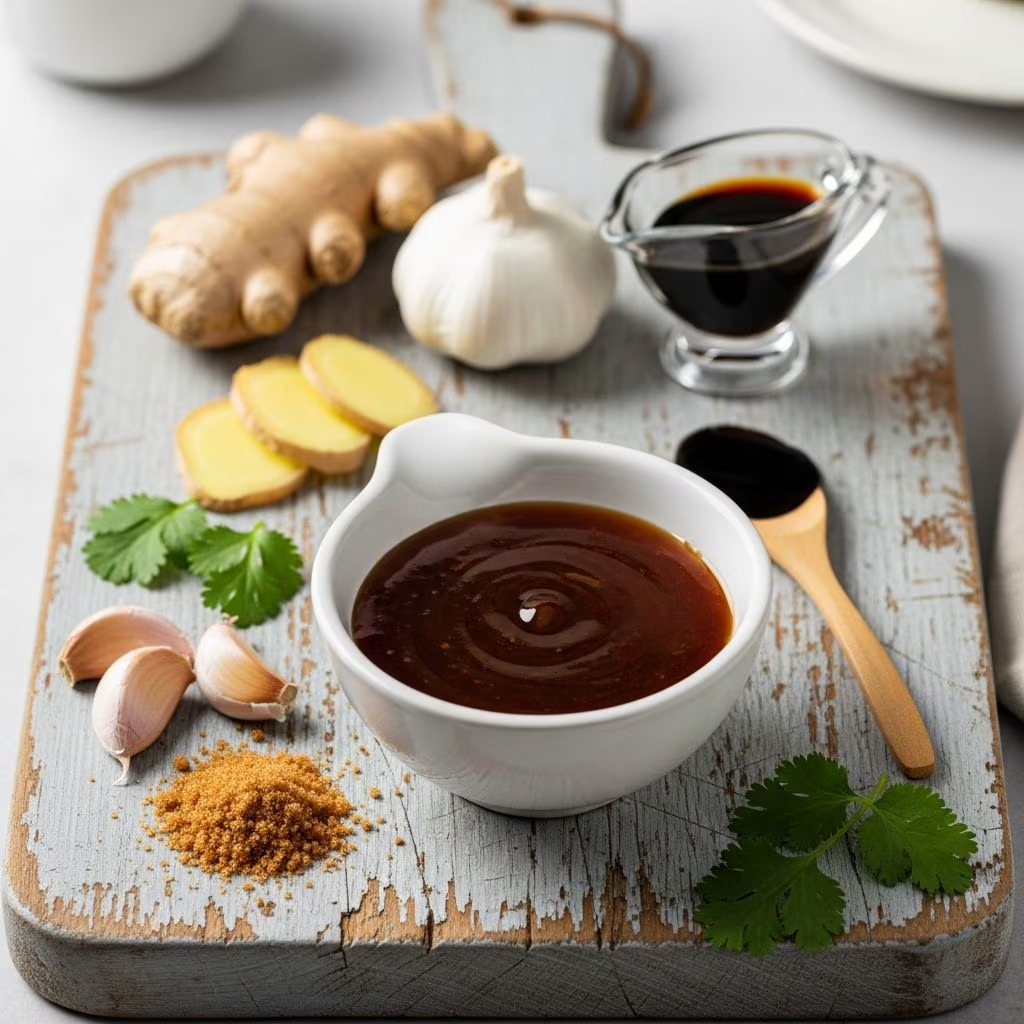
- Minced Garlic: Adding ½ teaspoon minced garlic introduces aromatic complexity without overwhelming the delicate balance. Add garlic during the simmering phase so flavors meld thoroughly.
- Fresh Ginger: Approximately ¼ teaspoon grated ginger contributes warming spice notes. Ginger pairs beautifully with teriyaki’s existing flavor profile, adding dimension without creating harshness.
- Chili Elements: For those preferring heat, minced fresh chili or a pinch of chili powder transforms teriyaki into a versatile condiment for bolder palates.
- Citrus Brightness: A squeeze of fresh lime or lemon juice added after cooking brightens the sauce and adds complexity.
Alternative Approaches: Simplified Versions
If traditional Japanese ingredients aren’t accessible, functional alternatives exist. Some cooks substitute brown sugar for mirin and omit sake entirely, creating a simplified version using soy sauce, water, brown sugar, and garlic. While this streamlined approach sacrifices some authenticity, it delivers a serviceable condiment for everyday cooking.
When using the simplified method, combine ¼ cup soy sauce with 2½ tablespoons brown sugar, 1½ teaspoons cornstarch, and minced garlic. Add ¼ cup cold water, whisk thoroughly, then simmer for approximately three minutes. This approach creates a glossy finish quickly, making it ideal for busy weeknights.
Creating a Glaze Consistency
While reduced teriyaki naturally thickens, achieving a true glaze requires additional technique. To create a silky, spoonable glaze, prepare a cornstarch slurry by mixing 1½ tablespoons cornstarch with 3 tablespoons room-temperature water, whisking until completely smooth.
During the final simmering minute, slowly pour the slurry into your teriyaki while stirring constantly. Maintain medium heat and continue stirring as the mixture thickens, typically within one to two minutes. This technique prevents lumps from forming while ensuring even thickening. Once the desired consistency is reached, remove from heat immediately—the sauce continues thickening as it cools.
Storage and Shelf Life Considerations
Homemade teriyaki stores beautifully in sealed glass containers. Refrigerated, it remains fresh for up to three weeks, making batch preparation practical. The high sugar and salt content act as natural preservatives, extending longevity compared to fresh sauces. Allow the sauce to cool completely before sealing containers to prevent condensation buildup.
For longer storage, divide teriyaki into ice cube trays and freeze. Once solid, transfer cubes to freezer bags, where they keep for several months. This approach provides convenient portions for quick weeknight cooking without waste.
Practical Applications in Your Kitchen
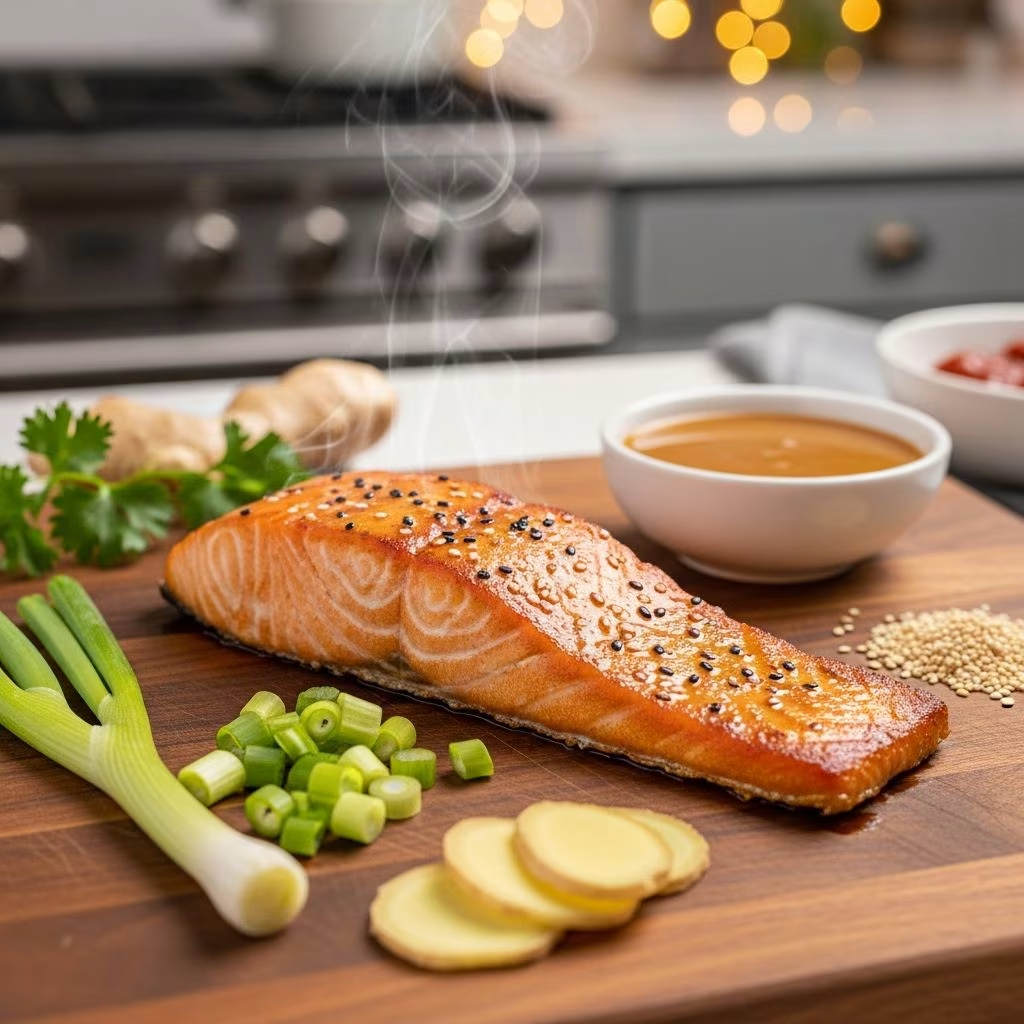
Teriyaki’s versatility extends far beyond traditional applications. Use it as a marinade for chicken breasts or salmon fillets—30 minutes of marinating creates tender, flavorful proteins. Brush teriyaki onto grilled vegetables like zucchini, bell peppers, or eggplant for vegetarian dinner solutions. Drizzle over fried tofu, rice bowls, or noodle dishes to add restaurant-quality finishing touches.
The sauce works equally well as a dipping condiment for dumplings, spring rolls, or grilled items. Its adaptability makes it an invaluable kitchen staple worth preparing in larger batches for frequent use.
Troubleshooting Common Issues
| Problem | Cause | Solution |
|---|---|---|
| Sauce too thin | Insufficient reduction time | Continue simmering until desired thickness; use cornstarch slurry if rapid thickening needed |
| Overly salty taste | Excessive soy sauce proportion | Add small amounts of water or mirin to balance; use low-sodium soy sauce next time |
| Burnt flavor | Heat too high during cooking | Maintain medium heat; avoid high heat that scorches sugars |
| Lumpy glaze | Cornstarch not properly whisked before adding | Always prepare smooth slurry; add slowly while stirring constantly |
Frequently Asked Questions
Can I make teriyaki without mirin?
Yes, though authenticity shifts. Increase mirin to ¾ cup while omitting sake, or substitute brown sugar plus extra water. The flavor profile changes but results remain serviceable.
How long does homemade teriyaki last?
Refrigerated in sealed containers, teriyaki keeps for three weeks. Freezing extends storage to several months. The high sugar and salt content act as natural preservatives.
Is cornstarch essential for thickening?
No. Natural reduction through simmering creates adequate thickness for most applications. Cornstarch accelerates the process but isn’t necessary for the sauce to function effectively.
What proteins work best with teriyaki?
Teriyaki complements virtually any protein—chicken, salmon, beef, pork, tofu, and shrimp all benefit from its glaze. Its balanced sweetness and umami enhance without overwhelming delicate flavors.
Can I adjust sweetness to personal preference?
Absolutely. Begin with standard ratios, then increase or decrease sugar based on taste. Remember that reducing cooking time prevents over-caramelization, while extended simmering develops deeper sweetness.
References
- The Foodie Takes Flight — Homemade Teriyaki Sauce. Accessed April 2026. https://thefoodietakesflight.com/homemade-teriyaki-sauce/
- Foodess — 4-Ingredient Teriyaki Sauce Recipe. Accessed April 2026. https://foodess.com/teriyaki-sauce-recipe/
- Pepper.ph — 4-Ingredient Teriyaki Sauce. Accessed April 2026. https://www.pepper.ph/recipes/teriyaki-sauce
- Chef J LABO — 4 Ingredients Real Teriyaki Sauce | Authentic Recipe. YouTube. Accessed April 2026. https://www.youtube.com/watch?v=Qe1rZjSpd4Q