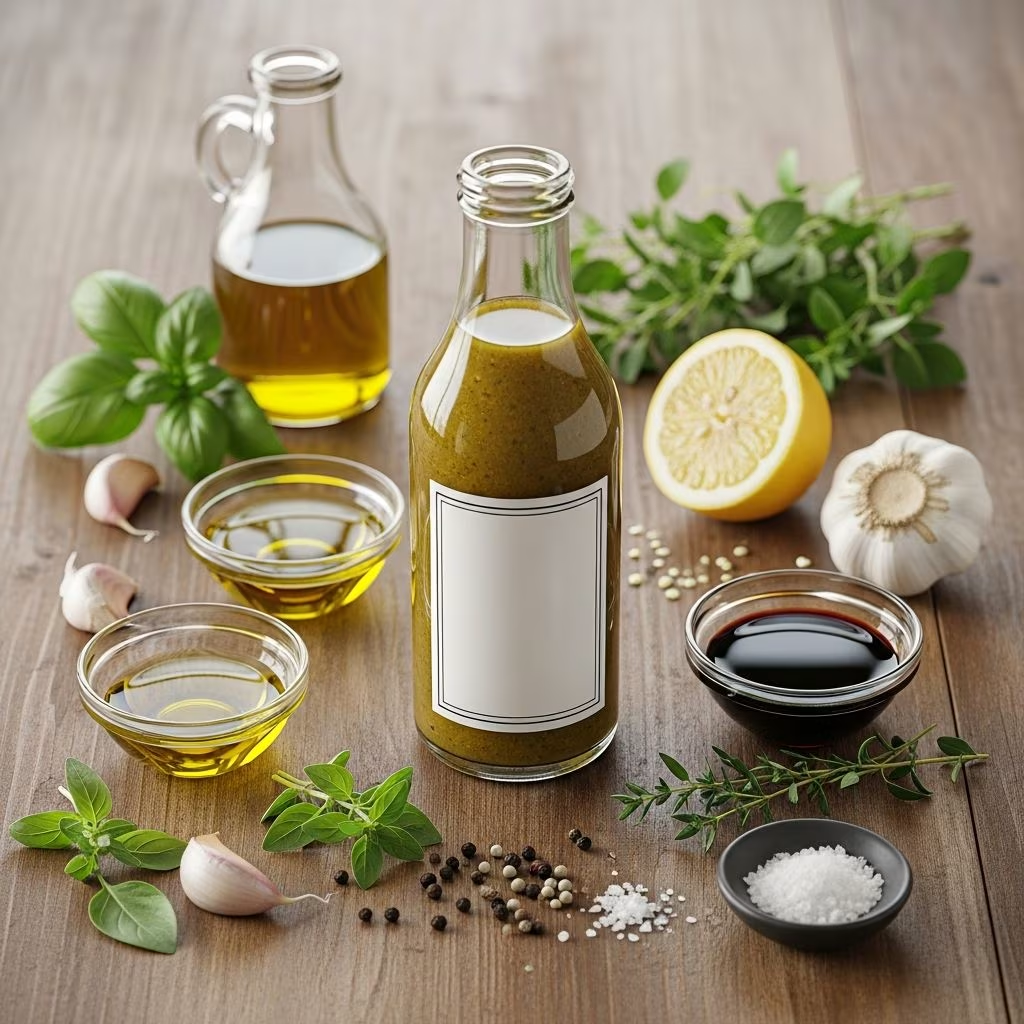
This foolproof salad dressing recipe starts with a classic oil-and-acid base but opens the door to endless customizations. Whether drizzled over crisp greens, roasted vegetables, or grain bowls, it delivers balanced flavor in minutes using everyday ingredients.
Why Homemade Dressings Outshine Store-Bought
Commercial dressings often pack hidden sugars, preservatives, and artificial flavors that dull taste and compromise health. Crafting your own lets you control quality, freshness, and nutrition. A basic emulsion clings perfectly to ingredients without sogginess, while fresh elements like garlic or herbs amplify natural produce flavors.
Studies from nutrition experts highlight how vinaigrettes support better digestion and nutrient absorption from veggies, thanks to acids breaking down cell walls. Plus, small batches ensure peak vibrancy—no more flat-tasting bottles languishing in the fridge.
Mastering the Essential 3:1 Ratio
The cornerstone of any great vinaigrette is the **3:1 ratio** of oil to acid, creating a harmonious balance where richness meets tang. This proportion emulsifies smoothly, coating leaves evenly without overwhelming them.
- Oil: Extra-virgin olive oil provides fruity depth, but avocado or neutral grapeseed works for milder profiles.
- Acid: Options include apple cider vinegar for brightness, balsamic for sweetness, or lemon juice for citrus zing.
- Emulsifiers: Dijon mustard or tahini binds oil and acid, preventing separation.
Measure by volume—three tablespoons oil to one tablespoon acid—or eyeball with spoons for quick prep. Whisk vigorously or shake in a jar until creamy and opaque.
Step-by-Step Recipe for the Base Dressing
- Combine 3/4 cup olive oil, 1/4 cup acid (e.g., white wine vinegar), 1 tablespoon Dijon mustard, 1 minced garlic clove, salt, and pepper in a jar.
- Seal and shake for 30 seconds until thickened.
- Taste and adjust; store refrigerated up to a week, reshaking before use.
This yields about 1 cup, enough for 8-10 salads. Prep time: 5 minutes.
Flavor Variations to Suit Every Palate
Transform the base with targeted add-ins. Here’s a table of tested combos:
| Variation | Add-Ins (per 1 cup base) | Best Pairings |
|---|---|---|
| Tangy Herb | 1 tsp dried tarragon, 1 tbsp fresh chives | Mixed greens, cucumber |
| Sweet & Savory | 1 tbsp maple syrup, pinch cinnamon | Apple walnut salad |
| Umami Boost | 1 tsp miso paste, dash soy sauce | Asian slaw, noodles |
| Spicy Kick | 1/4 tsp cumin, pinch red pepper flakes | Roasted veggies, quinoa |
| Creamy Oil-Free | 1/4 cup applesauce instead of oil, extra mustard | Kale, hearty grains |
For the oil-free version, blend applesauce, vinegars, miso, mustard, and spices until silky—ideal for lighter meals. Add sweetness with pure maple syrup to taste.
Advanced Twists with Secret Ingredients
Elevate with pantry heroes like **Maggi seasoning** for savory depth or pomegranate molasses for fruity tang. These provide glutamate-like umami, mimicking restaurant quality without complexity.
- Maggi: 4-6 dashes for meaty notes in bold salads.
- Miso or tahini: Creamy texture and fermented richness.
- Honey or syrup: Balances acidity in fruit-forward mixes.
Experiment cautiously—start small to avoid overpowering the base.
Perfect Pairings: Salads That Shine
Match dressings to ingredients for maximum impact:
- Classic Green: Base vinaigrette on romaine, tomatoes, feta.
- Autumn Harvest: Maple variation over spinach, pears, nuts.
- Mediterranean: Lemon-herb on chickpeas, olives, cucumber.
- Warm Bowls: Umami miso on roasted sweet potatoes, farro.
Beyond salads, use as marinades, dips, or grain coatings—its versatility is unmatched.
Storage, Troubleshooting, and Pro Tips
Jarred dressings last 5-7 days chilled; freeze in ice cube trays for portions. If separation occurs, re-emulsify with a quick whisk.
Common issues:
- Too oily? Add acid or mustard.
- Too sharp? More oil or sweetener.
- Not clinging? Increase emulsifier.
Pro tip: Room-temperature ingredients blend best; cold oil solidifies. For larger batches, a blender ensures silkiness.
Health Benefits of Vinaigrette Dressings
Olive oil’s monounsaturated fats promote heart health, while vinegars may stabilize blood sugar per recent studies. Mustard adds antioxidants; overall, these dressings enhance veggie intake without excess calories. Oil-free versions cut fats further for calorie-conscious eaters.
FAQ
Can I make this dairy-free or vegan?
Yes—the base is naturally vegan. Swap honey for maple syrup.
How do I achieve a creamy texture without mayo?
Use more mustard, tahini, or blend vigorously. Oil-free applesauce works wonders.
What’s the best oil for dressings?
Extra-virgin olive for flavor; lighter oils like grapeseed for neutrality.
Can I use this on hot foods?
Absolutely—drizzle over grilled veggies or warm grains for infused flavor.
How long does it keep?
Up to 7 days refrigerated; discard if it smells off.
Scaling Up for Meal Prep
Triple the recipe for weekly jars. Divide into portions: one classic, one sweet, one spicy. Label with dates and uses for effortless lunches.
Incorporate into routines—pair with seasonal produce for freshness. This dressing isn’t just a condiment; it’s a flavor multiplier that encourages daily veggie consumption.
References
- The Magic Sauce – The Intuitive Cook — The Intuitive Cook. 2023. https://www.theintuitivecook.co.uk/blog/magic-sauce
- Oil-Free Vegan Salad Dressing: Magical Applesauce Vinaigrette — Dreena Burton. 2022-05-15. https://dreenaburton.com/magical-oil-free-vegan-salad-dressing/
- House Salad Dressing That Will WOW Your Family And Guests — Luxe Du Jour. 2021. https://www.luxedujour.com/house-salad-dressing-that-will-wow-your-family-and-guests/
- Everyday Salad Dressing — Gimme Some Oven. 2023-08-10. https://www.gimmesomeoven.com/salad-dressing/