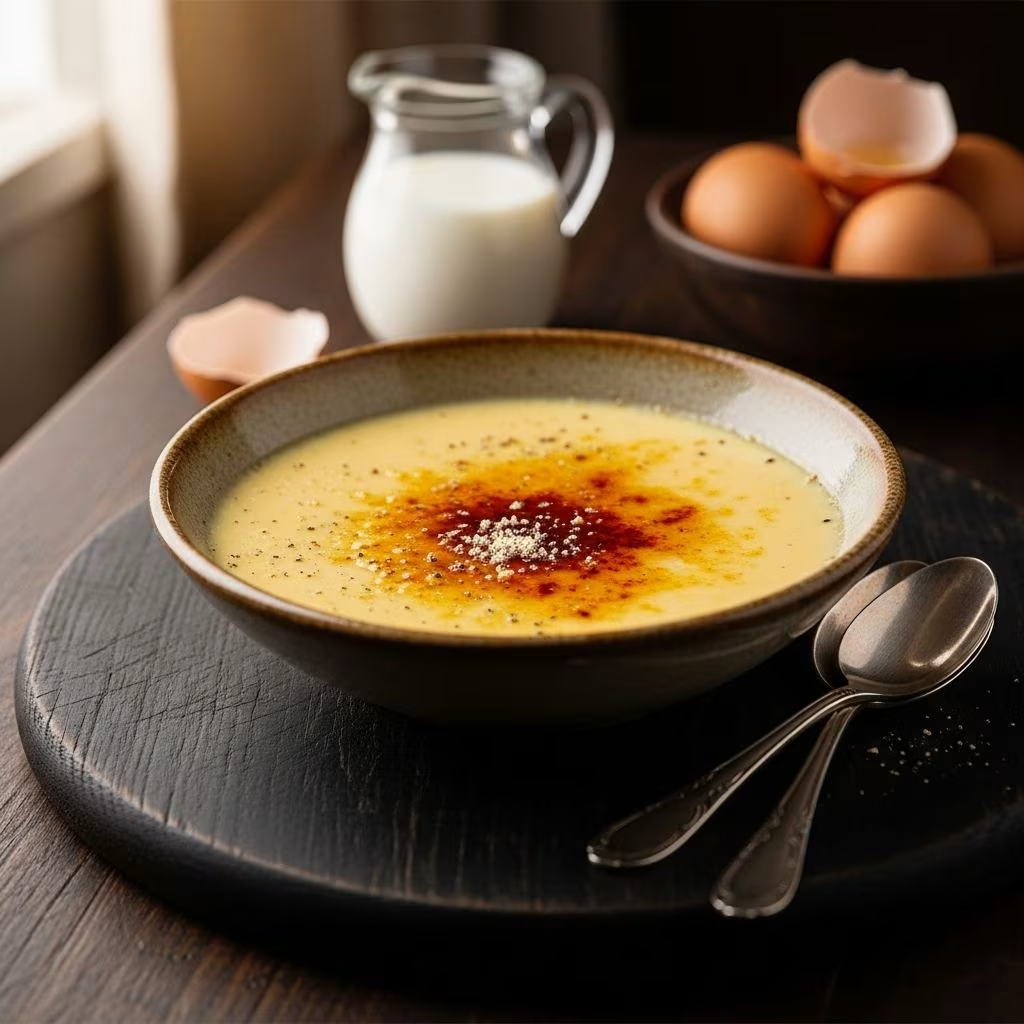
Homemade custard stands as a cornerstone of comforting desserts, offering a creamy, velvety texture that elevates any meal. This timeless treat traces its roots to European kitchens, where it has been cherished for centuries as both a standalone indulgence and a versatile base for countless sweets. Whether enjoyed warm on a chilly evening or chilled as a refreshing finish, mastering custard at home brings professional-quality results with everyday pantry staples.
Why Custard Deserves a Spot in Your Recipe Collection
Custard’s appeal lies in its simplicity and adaptability. Unlike more complex pastries, it requires minimal equipment and just a handful of ingredients: eggs, milk, sugar, and vanilla. Yet, it delivers a luxurious mouthfeel that rivals gourmet desserts. Its gentle sweetness and subtle richness make it ideal for all ages, from children’s snacks to elegant dinner party finales.
Health-conscious cooks appreciate custard’s nutritional profile. Eggs provide high-quality protein, while milk contributes calcium and vitamins. Opting for low-fat milk or natural sweeteners can tailor it to dietary needs without sacrificing flavor. In baking science, custard exemplifies the magic of egg coagulation—proteins unfold under heat, trapping liquids to form that signature silkiness.
Gathering Your Ingredients for Success
Precision in measurements ensures flawless results. For a batch serving 4-6 people, assemble:
- 2 cups whole milk (for richest texture; substitute with 2% for lighter version)
- 4 large eggs (yolks only for classic version, or whole for added nutrition)
- 1/3 cup granulated sugar (adjust to 1/4 cup for less sweetness)
- 1 teaspoon pure vanilla extract (or seeds from one pod for intensified aroma)
- Pinch of salt (enhances flavors)
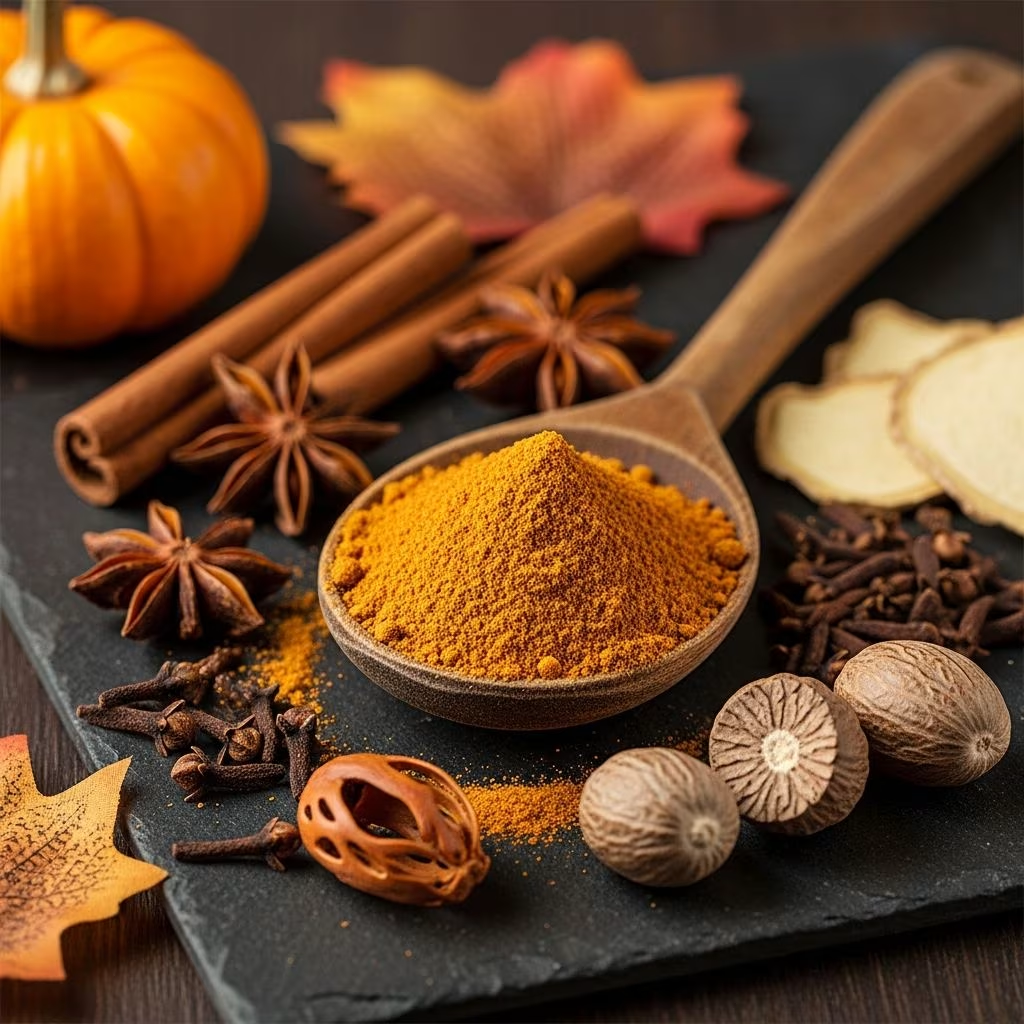
- Optional: Dash of nutmeg for traditional warmth
Choose fresh, high-quality eggs at room temperature to prevent curdling. Fresh milk yields superior taste over ultra-pasteurized varieties. Vanilla extract should be pure, not imitation, to infuse authentic depth.
Step-by-Step Guide to Silky Custard
Follow these instructions meticulously for custard that sets perfectly without lumps or watery separation.
- Preheat and Prepare: Heat oven to 325°F (165°C). Place six 6-ounce ramekins in a large baking dish.
- Warm the Milk: In a saucepan over medium heat, warm milk until steaming but not boiling (about 170°F). Remove from heat.
- Whisk Egg Mixture: In a bowl, whisk eggs, sugar, salt, and vanilla until smooth and pale, about 2 minutes. Avoid over-beating to prevent foam.
- Temper the Eggs: Slowly pour 1/4 cup hot milk into egg mixture while whisking constantly. Gradually add remaining milk, whisking to combine fully.
- Strain for Smoothness: Pour mixture through a fine-mesh sieve into a pitcher, removing any cooked bits.
- Fill Ramekins: Divide custard evenly among ramekins. Sprinkle nutmeg lightly if desired.
- Create Water Bath: Pour hot water into baking dish to reach halfway up ramekins. This gentle heat prevents cracking and ensures even cooking.
- Bake Gently: Bake 40-45 minutes until edges are set but centers jiggle slightly. Centers will firm upon cooling.
- Cool Gradually: Remove from water bath; cool to room temperature, then refrigerate at least 4 hours.
Patience during cooling is key—rushing leads to uneven texture.
Troubleshooting Common Custard Challenges
Even seasoned bakers encounter issues. Here’s how to fix them:
| Problem | Cause | Solution |
|---|---|---|
| Weepy or watery | Overcooked eggs | Bake until just set; use thermometer (160°F internal) |
| Lumpy texture | Direct high heat | Always temper and strain |
| Skin on top | Exposure to air | Cover with plastic wrap touching surface |
| Curdled | Cold eggs or rapid temp change | Room-temp ingredients, slow tempering |
| Not setting | Too little egg or low oven temp | Check oven calibration; add extra yolk |
Pro tip: A digital thermometer is invaluable for precision.
Creative Variations to Elevate Your Custard
Transform basic custard into themed delights:
- Chocolate Custard: Stir in 2 oz melted dark chocolate with milk.
- Lemon Custard: Add 2 tbsp lemon zest and 1 tbsp juice for zing.
- Coconut Custard: Swap half milk for coconut milk; top with toasted flakes.
- Spiced Pumpkin: Mix in 1/2 cup pumpkin puree, cinnamon, and ginger for fall vibes.
- Savory Version: Omit sugar; infuse milk with herbs for quiche base.
Experiment with seasonal fruits: layer with berries before baking or swirl in fruit purees post-straining.
Perfect Pairings and Serving Suggestions
Custard shines solo but pairs exquisitely:
- Classic: Fresh berries and shortbread cookies.
- Decadent: Drizzle with caramel sauce and crushed nuts.
- Tropical: Mango slices and passionfruit pulp.
- Comforting: Warm apple pie filling on top.
Serve chilled for 30 minutes post-fridge for ideal firmness. For sauce-style custard (stirred, pourable), simmer on stovetop, stirring constantly until thickened, about 10 minutes.
Stovetop vs. Baked: Which Method Wins?
Baked Custard: Yields firmer, sliceable texture; hands-off cooking; ideal for ramekins.
Stovetop Custard: Quicker (under 15 minutes); pourable for trifles/pastries; requires vigilant stirring.
Choose based on use: baked for pots de creme, stovetop for cremes anglaise.
Storage, Make-Ahead, and Freezing Tips
Custard keeps refrigerated up to 3 days in airtight containers. For longer storage, freeze baked portions up to 1 month; thaw overnight in fridge. Avoid refreezing to preserve texture. Make-ahead batches save time for holidays—flavor deepens after 24 hours.
Nutritional Insights and Dietary Adaptations
Per serving (1 ramekin): ~200 calories, 12g fat, 15g carbs, 8g protein. Adapt for:
- Vegan: Use plant milk, aquafaba or cornstarch-thickened cashew cream.
- Low-Carb: Sweeten with erythritol; use heavy cream.
- Dairy-Free: Almond or oat milk works seamlessly.
These tweaks maintain indulgence without compromise.
Frequently Asked Questions
Can I use whole eggs instead of just yolks?
Yes, whole eggs produce a lighter custard; yolks alone yield richer creaminess.
Why does my custard curdle?
High heat shocks proteins—temper slowly and cook gently.
Is a water bath essential?
Absolutely; it moderates temperature for even setting.
How do I know when it’s done?
Edges firm, center jiggles like Jell-O; knife inserted near edge pulls clean.
Can I double the recipe?
Yes, but bake in batches to maintain water bath efficacy.
Historical Tidbits and Global Twists
Custard evolved from medieval leches, milk-based sweets. French creme brulee torches the top, while Spanish flan inverts with caramel. British steamed custard pudding nods to nursery comforts. Explore these for cultural adventures in your kitchen.
With practice, custard becomes intuitive. Its forgiving nature rewards experimentation, ensuring every batch delights. Share your creations and refine techniques for custard mastery.
References
- USDA Egg Safety Guidelines — United States Department of Agriculture. 2024-01-15. https://www.fsis.usda.gov/food-safety/safe-food-handling-and-preparation/eggs/egg-safety
- Milk Composition and Processing — Dairy Management Inc. 2023-06-20. https://www.usdec.org/resources/milk-facts
- The Science of Custards — Institute of Food Technologists. 2022-11-10. https://www.ift.org/news-and-publications/food-technology-magazine/issues/2022/november/features/the-science-of-custards
- Vanilla Extract Standards — FDA Code of Federal Regulations. 2025-03-01. https://www.accessdata.fda.gov/scripts/cdrh/cfdocs/cfcfr/CFRSearch.cfm?fr=169.175
- Nutritional Analysis of Egg-Based Desserts — Harvard T.H. Chan School of Public Health. 2024-09-05. https://www.hsph.harvard.edu/nutritionsource/food-features/eggs/