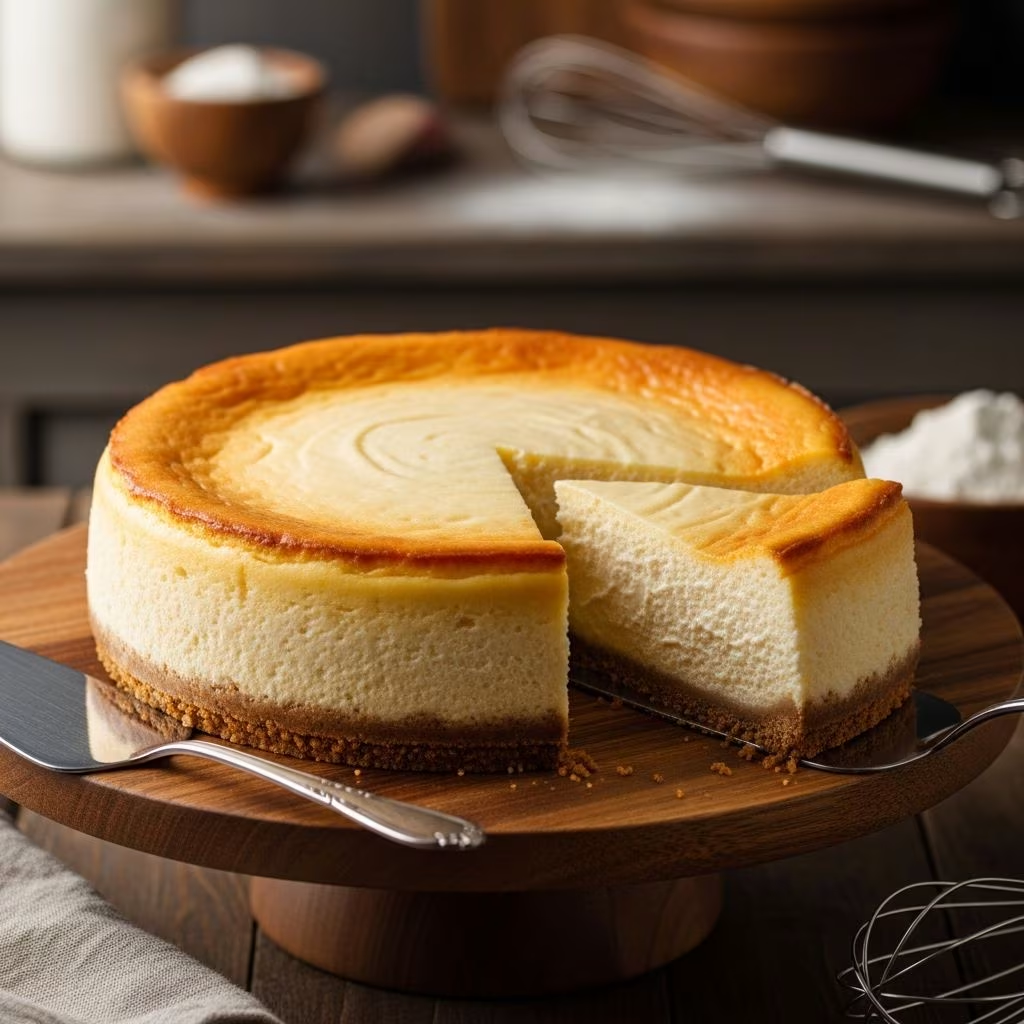
Creating a homemade cheesecake that boasts a silky texture, robust flavor, and sturdy structure elevates any dessert table. This guide draws from proven baking methods to help you craft a dessert that’s both impressive and approachable, complete with a crunchy graham cracker base and a filling that sets perfectly without common pitfalls like cracks or sogginess.
Why Homemade Cheesecake Outshines Store-Bought
Nothing compares to the satisfaction of slicing into a cheesecake you’ve made from scratch. The control over ingredients allows for customization, from adjusting sweetness levels to incorporating unique flavors. Fresh components ensure superior taste and texture, often missing in commercial versions overloaded with preservatives. Bakers appreciate the meditative process of mixing and baking, resulting in a dessert that’s denser, creamier, and far more flavorful.
Economically, preparing cheesecake at home proves cost-effective, especially for gatherings. A single recipe yields 12 generous servings at a fraction of bakery prices, while offering endless experimentation opportunities.
Essential Ingredients for Success
The foundation of an exceptional cheesecake lies in high-quality, properly measured ingredients. Here’s a breakdown of what you’ll need for the classic version:
- Cream cheese: 32 ounces (four 8-oz blocks), full-fat and softened to room temperature for lump-free blending.
- Graham cracker crumbs: 1.5 cups for the crust, providing a buttery, nutty contrast.
- Sugar: 1 cup granulated for the filling, plus extras for the crust.
- Sour cream: 2/3 cup adds tang and creaminess without curdling.
- Eggs: 4 large, room temperature, incorporated gently to maintain structure.
- Vanilla extract and salt: For depth and balance.
- Butter: 7 tablespoons melted for binding the crust.
Opt for Philadelphia-style cream cheese for its ideal consistency. Avoid low-fat substitutes, as they lead to watery results. Room temperature ingredients are crucial; cold components create lumps and uneven baking.
Building the Ideal Graham Cracker Crust
A well-executed crust anchors the cheesecake, offering crunch against the soft filling. Start by preheating your oven to 325°F (160°C). Combine 1.5 cups graham cracker crumbs, 2 tablespoons granulated sugar, 1 tablespoon brown sugar, and 7 tablespoons melted butter in a bowl. Stir until the mixture resembles wet sand.
Press firmly into the bottom of a 9-inch springform pan using the flat bottom of a measuring cup for even distribution. Bake for 10 minutes to set, then cool completely. This step prevents a soggy base and enhances flavor through toasting.
| Crust Variation | Key Ingredients | Best For |
|---|---|---|
| Classic Graham | Graham crumbs, butter, sugars | Traditional pairing |
| Chocolate Cookie | Oreo crumbs, melted butter | Chocolate lovers |
| Ginger Snap | Ginger snaps, brown sugar | Spiced flavors |
| Nutty Pecan | Pecan meal, graham crumbs | Autumn desserts |
Mastering the Creamy Filling
The filling demands precision to achieve that signature smooth, dense profile. Using a stand mixer or hand mixer on low speed, beat softened cream cheese until creamy, about 2 minutes. Scrape the bowl frequently to ensure even mixing.
Incorporate 1 cup sugar gradually, followed by 2/3 cup sour cream, 1.5 teaspoons vanilla extract, and 1/8 teaspoon salt. Mix until just combined. Add 4 lightly beaten eggs one at a time, mixing on low after each addition to avoid incorporating excess air, which causes cracks.
Pour the batter over the cooled crust. Tap the pan gently on the counter to release air bubbles, then smooth the top with an offset spatula.
Baking Techniques for Flawless Results
Cheesecake benefits from low-and-slow baking. Place the springform pan on a foil-lined baking sheet to catch leaks. Bake at 325°F for 1 hour 15 minutes, until the edges are set but the center jiggles slightly.
Turn off the oven, crack the door, and let the cheesecake cool inside for 1 hour. This gradual cooling prevents the dramatic temperature drop that leads to cracks. Refrigerate uncovered for at least 6 hours, preferably overnight.
Skip the water bath if following this method; the foil lining and gentle cooling suffice for even cooking without sogginess.
Troubleshooting Common Issues
- Cracks on top: Caused by overmixing eggs or rapid cooling. Solution: Mix minimally and cool slowly in the oven.
- Lumpy texture: Cold cream cheese. Always soften fully first.
- Soggy crust: Insufficient baking or moisture buildup. Bake crust separately and chill before adding filling.
- Raw center: Underbaking. Check for a 2-3 inch jiggly center.
- Brown top: Cover loosely with foil after 45 minutes.
Flavor Variations to Elevate Your Cheesecake
Once mastered, experiment with infusions. Swirl in pureed berries before baking for fruity ripples. Add lemon zest and juice for a tangy twist. For chocolate decadence, fold in melted semisweet chocolate.
- Strawberry Swirl: Blend fresh strawberries with sugar, dot on batter, and swirl with a knife.
- Pumpkin Spice: Mix in 1 cup pumpkin puree, cinnamon, and nutmeg.
- Matcha Green Tea: Whisk 2 tablespoons matcha powder into the sugar.
- Salted Caramel: Drizzle caramel sauce over slices.
No-bake options shine for summer: Whip heavy cream with gelatin-stabilized cream cheese for a lighter texture.
Storage and Serving Suggestions
Store cheesecake in an airtight container in the fridge for up to 5 days. Freeze slices wrapped in plastic and foil for 2 months; thaw overnight in the fridge.
Serve chilled with toppings like whipped cream, fresh fruit, chocolate ganache, or berry compote. For crowds, pair with coffee or dessert wines to complement the richness.
Nutritional Snapshot
| Per Slice (1/12 recipe) | Amount |
|---|---|
| Calories | ~450 |
| Protein | 7g |
| Fat | 35g |
| Carbs | 28g |
Values approximate; adjust for variations.
Frequently Asked Questions
Can I use a regular cake pan?
Yes, but line with parchment and use shortening on sides for easy release. Springform pans are ideal for clean slices.
What if I don’t have a springform pan?
A deep 9-inch cake pan works; serve directly from the pan or invert carefully.
How do I know when it’s done baking?
The edges should be puffed and set, with a 2-3 inch center still jiggly. It firms up during cooling.
Can I make this gluten-free?
Substitute gluten-free graham crackers or almond flour for the crust.
Why use sour cream in the filling?
It tenderizes the texture and adds a subtle tang, balancing sweetness.
Is a water bath necessary?
Not with this method; low temperature and slow cooling prevent cracks effectively.
Pro Tips from Seasoned Bakers
- Invest in a kitchen scale for precise measurements, especially cream cheese.
- Scrape the mixer bowl after each addition to avoid streaks.
- For ultra-smooth tops, use a blowtorch to warm a knife before slicing.
- Experiment with extracts like almond or coffee for unique profiles.
- Plan ahead: The full process spans 7-8 hours including chilling.
With practice, this cheesecake becomes a signature dish. Its versatility suits holidays, birthdays, or casual treats, always earning rave reviews.
References
- The Best Cheesecake Recipe — Sugar Spun Run. 2023-10-15. https://sugarspunrun.com/best-cheesecake-recipe/
- Cheesecake Recipes — Lauren’s Latest. 2024-05-20. https://laurenslatest.com/cheesecake-recipes/