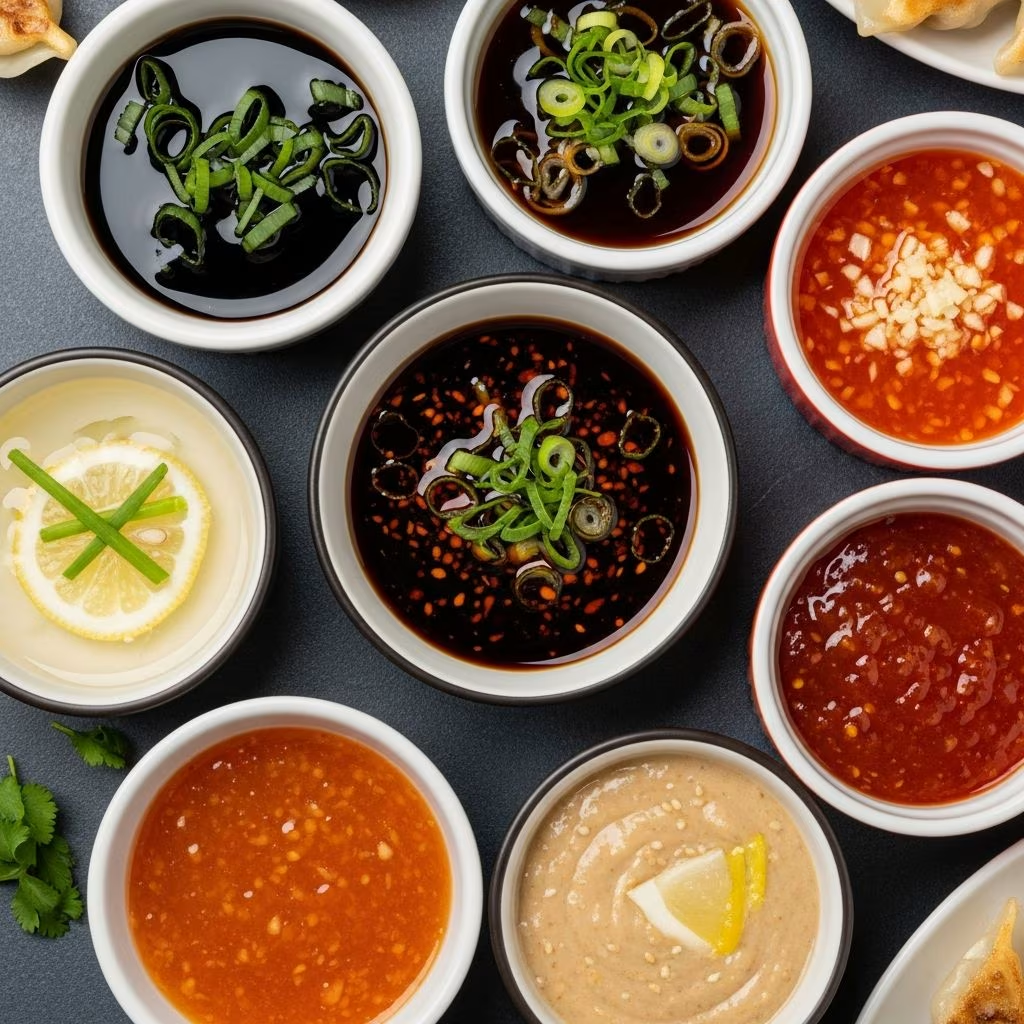
Gyoza, the beloved Japanese pan-fried dumplings, reaches its full potential when paired with the right dipping sauce. This essential condiment transforms a simple dumpling into a memorable culinary experience. Whether you’re preparing homemade gyoza or using store-bought varieties, understanding how to craft the perfect dipping sauce elevates your meal from ordinary to extraordinary. The beauty of gyoza sauce lies in its simplicity—just a handful of pantry staples combine to create a flavor profile that’s simultaneously salty, tangy, and subtly nutty.
Understanding the Foundation of Gyoza Sauce
At its core, gyoza sauce represents a balance of fundamental flavors that complement the tender wrapper and savory filling of dumplings. The traditional formula relies on a harmonious relationship between soy sauce and vinegar, with optional heat from chili elements. This three-part structure creates a sauce that enhances rather than overwhelms the delicate taste of the gyoza itself.
The genius of this sauce composition lies in its versatility. The acidic component brightens the palate, the salty element amplifies umami, and aromatic additions provide depth and complexity. When these elements work together, they create an accompaniment that professional chefs and home cooks alike consider essential to the gyoza experience.
Essential Ingredients: Building Your Sauce
Creating an authentic gyoza dipping sauce requires understanding each ingredient’s role in the final product:
Soy Sauce: The Umami Backbone
Soy sauce serves as the foundation of any gyoza dipping sauce, providing saltiness and deep umami flavors. Regular soy sauce offers the ideal intensity for this application, though low-sodium varieties work equally well. For those with gluten sensitivities, tamari provides an excellent alternative without compromising flavor. The choice between regular and low-sodium options depends on your personal preferences regarding salt content and how you plan to adjust other elements of the sauce.
Rice Wine Vinegar: Adding Brightness
The acidic component of gyoza sauce comes traditionally from rice wine vinegar, which adds a subtle tang that cuts through the richness of fried dumplings. This vinegar variety offers a gentler acidity compared to white vinegar, creating a more refined flavor profile. The vinegar’s role extends beyond taste—it also helps balance the sauce’s overall composition and prevents it from becoming too heavy or monotonous.
Sesame Oil: Providing Nutty Richness
Toasted sesame oil contributes a distinctive nutty character that distinguishes premium gyoza sauce from basic versions. This ingredient should be used judiciously, as its strong flavor can easily dominate other components. A small amount goes a long way, adding complexity and depth that rounds out the sauce’s flavor profile.
Heat Elements: Customizing Spice Levels
Heat in gyoza sauce comes from various sources depending on available ingredients and personal preferences. Sriracha sauce offers a more substantial spice kick with garlic undertones, while chili flakes provide a cleaner heat without additional flavors. Chili oil (rayu) delivers a more refined spiciness favored in authentic Japanese preparations. Red pepper flakes serve as an accessible alternative for most home kitchens.
Optional Flavor Enhancers
Beyond the core components, several additions can customize your gyoza sauce to match personal preferences:
- Fresh Garlic: Adds pungent bite and aromatic complexity when grated or minced
- Ginger: Provides warming spiciness and floral notes that brighten the overall sauce
- Green Onions/Scallions: Contribute fresh, mild onion flavor as both an ingredient and garnish
- Sugar: A small amount can balance excessive saltiness and round out harsh flavors
- Sesame Seeds: Offer textural contrast and additional nuttiness when sprinkled as garnish
Recipe Variations for Different Preferences
The Minimalist Approach: Three-Ingredient Version
For those seeking ultimate simplicity, a three-ingredient sauce requires only tamari, rice vinegar, and sesame oil. This stripped-down version highlights the individual flavors of each component without distraction. Proportions typically follow a ¼ cup tamari, 3 teaspoons rice vinegar, and ¼ teaspoon sesame oil ratio, creating enough sauce for multiple servings. Despite its simplicity, this version satisfies traditionalists who appreciate the pure, unadulterated taste of quality ingredients.
The Balanced Standard Recipe
A more comprehensive version combines 4 tablespoons tamari, 3 tablespoons rice vinegar, 1 teaspoon chili oil, ½ teaspoon sesame oil, and ½ teaspoon sugar. This formulation creates a more complex flavor profile with greater depth and sophistication. The addition of sugar helps mellow the vinegar’s acidity, while increased chili oil provides noticeable but not overwhelming heat. Minced garlic, ginger, and sliced green onions complete this version, making it suitable for entertaining or special occasions.
The Authentic Japanese Approach
True Japanese gyoza sauce emphasizes restraint and ingredient quality. Traditional preparation uses 1 tablespoon rice vinegar, 2 teaspoons Japanese koikuchi shoyu (soy sauce), ½ teaspoon chili oil (rayu), and ⅛ teaspoon ground black pepper. This delicate balance showcases respect for the gyoza itself, allowing its flavors to shine while providing complementary support rather than dominance.
The Customizable Foundation
Starting with 1 tablespoon soy sauce, 1 teaspoon rice wine vinegar, 1 teaspoon sesame oil, and chili flakes to taste creates a flexible base. This ratio maintains proper balance while allowing easy adjustment of individual components. Those preferring milder sauce can reduce heat elements, while spice enthusiasts can increase chili components without disrupting the overall flavor equilibrium.
Preparation Methods and Techniques
The Quick Mixing Approach
The most straightforward method involves combining all liquid ingredients in a small bowl and whisking together thoroughly. This immediate approach works well for casual meals and quick preparations. Simply whisk the soy sauce, vinegar, and oils until emulsified, then add any aromatics and heat elements.
The Flavor Development Method
Allowing prepared sauce to sit for 15 minutes to an hour before serving enables flavors to meld and develop more fully. This technique proves particularly beneficial when including fresh garlic, ginger, or green onions, as their flavors become more integrated and balanced over time. The resting period also allows heat elements to distribute evenly throughout the sauce, creating more consistent spiciness in each bite.
The Marinating Technique
Some preparation methods suggest allowing fresh aromatics to marinate in the completed sauce for approximately 5 minutes before serving. This hybrid approach combines the immediacy of quick mixing with some flavor development, offering a practical middle ground for home cooks seeking both convenience and enhanced taste.
Ingredient Quality and Substitutions
Choosing the Right Soy Sauce
Regular soy sauce, neither particularly light nor dark, provides optimal intensity for gyoza sauce. Light soy sauce may result in under-seasoned condiment, requiring additional salt or soy sauce to achieve proper balance. Dark soy sauce can overwhelm the sauce with its intense flavor, though it works acceptably if other ingredients are adjusted accordingly. For gluten-free requirements, tamari substitutes seamlessly without sacrificing flavor.
Vinegar Alternatives
While rice wine vinegar represents the traditional choice, other vinegar varieties can work in substitutions. White vinegar offers sharper acidity and requires reduced quantities, while apple cider vinegar provides slightly fruity undertones that some find pleasant. The key consideration involves maintaining the sauce’s balance—substitute vinegars may require ratio adjustments to achieve the desired tang without overshadowing other flavors.
Sesame Oil Considerations
Only toasted sesame oil should be used in gyoza sauce, as untoasted varieties lack the characteristic nutty flavor. The depth of toasting affects the final taste—lighter toasting produces subtler nuttiness, while darker toasting creates more robust flavors. Quality matters significantly, as inferior sesame oils can taste bitter or rancid rather than pleasantly nutty.
Customization Guide for Individual Preferences
| Preference | Addition | Amount |
|---|---|---|
| Extra Heat | Chili flakes, red pepper flakes, or additional sriracha | ¼ to ½ teaspoon |
| Garlic Punch | Fresh minced garlic or garlic powder | ¼ to ½ teaspoon |
| Ginger Warmth | Freshly grated ginger | ¼ to ½ teaspoon |
| Sweetness | Granulated sugar or agave syrup | ¼ teaspoon |
| Extra Nuttiness | Sesame seeds as garnish | Sprinkle to taste |
| Reduced Saltiness | Water | Up to 1 teaspoon |
Storage and Shelf Life
Properly stored gyoza sauce maintains its quality for extended periods. In an airtight container within the refrigerator, sauce without fresh garnishes keeps for at least one week. Versions containing fresh scallions or green onions should be consumed within three days, as these ingredients can wilt and develop off-flavors over time. The acidity of the sauce helps preserve it naturally, and its saltiness further discourages bacterial growth, making refrigerated storage quite reliable.
For those preferring longer storage, the core sauce components (without fresh aromatics) can be prepared in larger batches and stored indefinitely in the refrigerator. Fresh ingredients can then be added individually just before serving, maintaining optimal flavor and texture.
Pairing Your Sauce with Gyoza
The dipping technique significantly impacts the eating experience. Rather than submerging the entire dumpling, traditional eating involves dipping just a small portion—typically the pleated edge—into the sauce. This approach allows the gyoza filling to maintain its integrity while receiving concentrated flavor from the sauce. The pleated edge, with its thinner wrapper, absorbs sauce effectively and distributes it throughout each bite.
Individual small dipping bowls for each diner provide more hygienic sauce consumption during group meals, preventing cross-contamination. This presentation also allows guests to customize sauce depth according to their spice preferences and sauce affinity.
Frequently Asked Questions
Can I prepare gyoza sauce in advance?
Absolutely. Preparing sauce several hours or even a day ahead allows flavors to develop more thoroughly. Store in an airtight container and briefly stir before serving to recombine any settled components. Avoid adding fresh garnishes more than a few hours in advance, as they deteriorate quickly.
What’s the ideal ratio of vinegar to soy sauce?
Traditional recipes favor roughly equal parts soy sauce and vinegar, though personal preference influences the exact ratio. Some prefer more vinegar for additional brightness, while others favor increased soy sauce for deeper umami. Begin with equal proportions and adjust to suit your palate.
How much sesame oil is too much?
Sesame oil’s potent flavor means small quantities suffice. Generally, use no more than one-half to one teaspoon for a full batch of sauce. Adding too much creates an overly oily texture and can make the sauce taste bitter or medicinal rather than pleasantly nutty.
Is this sauce suitable for other dumplings besides gyoza?
Yes, this sauce complements potstickers, shrimp dumplings, vegetable dumplings, and most Asian dumplings effectively. Its universal appeal stems from balanced flavor components that enhance rather than compete with varied filling options.
Can I make this sauce without sesame oil?
Certainly. A two-component sauce of soy sauce and vinegar works acceptably, though it lacks the nutty depth that sesame oil provides. Consider this a simplified version rather than a true substitute situation.
Mastering Your Gyoza Sauce Technique
Creating excellent gyoza sauce ultimately comes down to understanding component roles and maintaining balance. Each ingredient serves a purpose—salty elements enhance umami, acidic components brighten the palate, and aromatics add complexity. Whether you choose the minimalist three-ingredient approach or a more elaborate version with multiple flavor dimensions, the fundamental principles remain constant.
Experimentation encourages developing personal preferences and discovering unique flavor combinations that suit individual tastes. The accessibility of ingredients and simplicity of preparation make gyoza sauce an ideal starting point for exploring Asian condiments and flavor development. With practice, you’ll develop an intuitive sense for proportions and adjustments that create your perfect version.
References
- Cooking with Ayeh – Gyoza Dipping Sauce Recipe — Ayeh’s Food Blog. Accessed April 2026. https://cookingwithayeh.com/gyoza-dipping-sauce/
- Gyoza Sauce Recipe — Food.com. Accessed April 2026. https://www.food.com/recipe/gyoza-sauce-112972
- Authentic Japanese Gyoza Dipping Sauce — Sudachi Recipes. Accessed April 2026. https://sudachirecipes.com/gyoza-sauce-recipe/
- Best Gyoza Sauce Recipe (Dumplings or Potstickers) — Peel with Zeal. Accessed April 2026. https://www.peelwithzeal.com/gyoza-sauce/
- Super Quick Gyoza Sauce (Just 4 Ingredients!) — Wandercooks. Accessed April 2026. https://www.wandercooks.com/super-quick-gyoza-sauce/
- Easy Gyoza Dipping Sauce (Just 3 Ingredients!) — Cadry’s Kitchen. Accessed April 2026. https://cadryskitchen.com/gyoza-dipping-sauce/
- Quick Gyoza Dipping Sauce Recipe — Whisk Affair. Accessed April 2026. https://www.whiskaffair.com/quick-gyoza-dipping-sauce-recipe/