When the dinner hour approaches and you’re searching for something both nourishing and quick to prepare, a ground beef casserole delivers exactly what busy households need. This versatile dish brings together affordable ingredients into a single baking vessel, eliminating the need for multiple pots and pans while creating a meal that satisfies both children and adults alike. The beauty of this type of entrée lies in its flexibility—you can customize flavors and ingredients based on what you have available in your pantry, making it an ideal solution for spontaneous meal planning.
Why Ground Beef Casseroles Work for Modern Families
The appeal of casserole-style cooking extends beyond mere convenience. These one-dish preparations offer several practical advantages for contemporary home cooks. First, they minimize cleanup by consolidating cooking activities into a single baking vessel. Second, they allow for meal preparation efficiency by combining multiple components—protein, carbohydrates, and vegetables—in a coordinated manner. Third, they provide built-in portion control and can be easily doubled or halved depending on household size. Most importantly, casseroles reheat exceptionally well, making them perfect for creating leftovers that work for lunch the following day.
From a nutritional standpoint, ground beef casseroles provide complete proteins necessary for muscle maintenance and growth, while pasta or grain components supply energy through complex carbohydrates. The inclusion of vegetables and cheese offers essential vitamins, minerals, and fats that contribute to balanced nutrition.
Core Ingredients and Their Functions
Understanding what each component contributes helps you appreciate why this dish works so well and empowers you to make intelligent substitutions when needed.
Ground Beef Selection and Preparation
The foundation of any beef casserole rests on quality ground beef. Culinary professionals recommend using ground beef with a fat content between 80/20 and 85/15 ratios. The 85/15 blend offers superior flavor while producing less rendered grease that could make the finished dish overly oily. When browning the meat, breaking it into small, uniform pieces ensures even cooking and better distribution throughout the casserole. This process also allows the meat to develop fond—those browned bits stuck to the pan—which add depth and complexity to the overall flavor profile.
Pasta as the Textural Foundation
Most traditional versions utilize pasta as the starch component, with macaroni and penne being particularly popular choices. The key to success involves cooking pasta slightly undercooked—typically one to two minutes less than package directions recommend. This technique, known as cooking “al dente,” prevents the pasta from becoming mushy during the final baking phase. The starch in undercooked pasta also helps absorb and distribute the sauce components more effectively throughout the casserole.
Cheese Varieties and Melting Properties
Cheese serves multiple functions in ground beef casseroles: it adds richness, creates a browned top layer, and binds ingredients together as it melts. Cheddar cheese works exceptionally well due to its strong flavor and excellent melting characteristics. Some recipes incorporate Mexican cheese blends for different flavor profiles. The typical ratio is approximately one to one and a half cups of shredded cheese for a standard nine-by-thirteen-inch casserole.
Aromatics and Flavor Builders
Onions and garlic form the aromatic foundation of most beef casseroles. When these ingredients cook in hot oil or fat alongside ground beef, their natural sugars caramelize, creating a deeper, more complex base flavor. This process happens during the initial browning phase and should never be rushed. Taking time to properly sauté aromatics for ten to twelve minutes creates a substantially more flavorful finished dish compared to rushing this step.
Preparation Methods and Techniques
The Browning Phase
Begin by heating oil in a large skillet over medium-high heat. Add diced onions and ground beef simultaneously, breaking the meat into small pieces with a wooden spoon as it cooks. This phase typically requires eight to ten minutes. Once the beef loses its pink color and the onions become translucent, add minced garlic and cook an additional thirty seconds to one minute until the raw garlic smell dissipates. At this point, season with salt, pepper, and any desired spices. Some recipes incorporate paprika, garlic powder, onion powder, or specialized seasoning blends at this stage.
Building Flavor Depth
After the browning phase, incorporate your sauce components. Whether using marinara sauce, tomato sauce with diced tomatoes, or cream-based soups, add these liquids gradually while stirring to ensure even distribution. If the mixture seems too dry, add small amounts of water or broth. Allow the sauce and meat mixture to simmer gently for fifteen to twenty minutes, which permits flavors to meld and develop.
Assembly and Layering
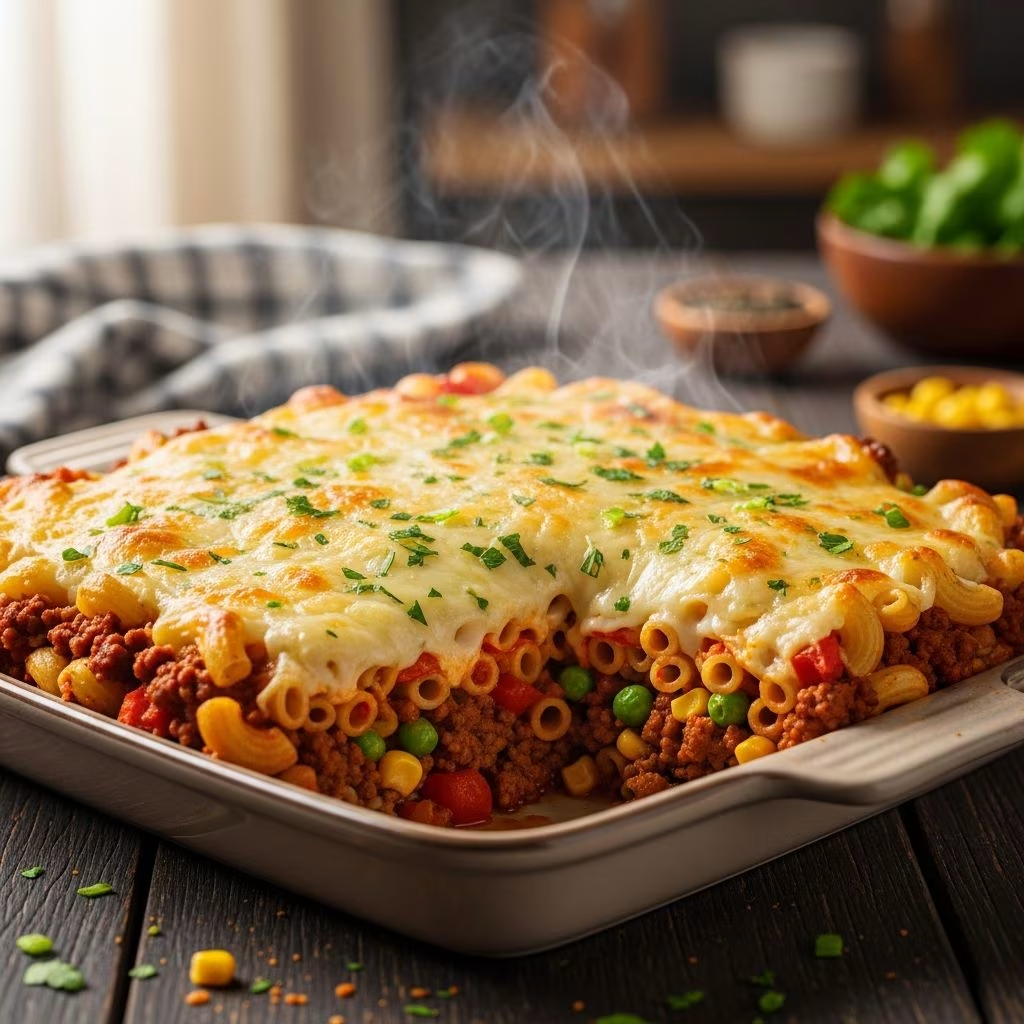
In your prepared baking dish, combine the cooked pasta with the meat and sauce mixture. Gently toss these components together to ensure the pasta absorbs sauce throughout rather than clustering in dry pockets. Spread the mixture into an even layer, then top with shredded cheese. Some cooks add a thin layer of sauce before the cheese to prevent the cheese from browning too quickly; this technique produces a creamier finished product.
Baking Guidelines and Temperature Management
Casseroles typically bake at temperatures between three hundred and four hundred degrees Fahrenheit. Lower temperatures, around three hundred to three hundred and twenty-five degrees, allow for gentler cooking that prevents cheese from burning before the interior heats through. Higher temperatures, three hundred and seventy-five to four hundred degrees, produce faster cooking times and more pronounced cheese browning. Most casseroles require twenty to thirty minutes of uncovered baking until the cheese melts completely and the mixture becomes bubbly around the edges. If you prefer a browned cheese top, finish under the broiler for one to two minutes, watching carefully to prevent burning.
Customization and Variation Ideas
Vegetable Additions
Ground beef casseroles welcome various vegetable additions. Bell peppers contribute sweet notes and textural contrast. Frozen corn adds sweetness and color variation. Mushrooms provide umami depth and meaty texture. Spinach or other leafy greens boost nutritional value without significantly altering flavor. Diced tomatoes with green chiles deliver southwestern flair.
Sauce Foundation Alternatives
While marinara and tomato sauces represent traditional choices, cream-based soups offer richer alternatives. Cream of mushroom soup combined with cheddar cheese soup creates budget-friendly casseroles with luxurious texture. Beef broth with flour thickener produces gravies that coat pasta and vegetables effectively.
Protein Variations
Beyond ground beef, ground turkey or chicken can substitute for the beef, though adjustments to seasoning and sauce components may be necessary due to these proteins’ milder flavor profiles.
Storage and Make-Ahead Strategies
Ground beef casseroles maintain quality when refrigerated in airtight containers for three to four days. The flavors actually deepen and improve on the second day as components continue to meld. For longer storage, freeze complete casseroles for up to three months. Thaw overnight in the refrigerator and reheat gently, covered with foil, at three hundred and fifty degrees for twenty to thirty minutes until heated throughout. Alternatively, reheat individual portions in the microwave, though this can sometimes produce dry results; adding a splash of broth helps restore moisture.
Practical Serving Suggestions
Serve ground beef casseroles directly from the baking dish for casual family dinners, or portion individual servings onto plates for more formal presentations. Complement the casserole with simple green salads dressed with vinaigrette to cut through richness. Garlic bread or crusty rolls serve as excellent companions. Some households enjoy topping individual servings with fresh green onions, sour cream, or salsa for additional flavor layers.
Time Management and Meal Planning
From start to finish, most ground beef casseroles require forty-five minutes to one hour, making them suitable for weeknight dinners. The actual hands-on cooking time totals approximately twenty minutes, with the remainder consisting of passive baking time. This timing permits you to prepare side dishes or handle other household tasks while the casserole bakes. Doubling recipes creates meals for two nights with minimal additional effort.
Frequently Asked Questions
Can I Prepare This Casserole in Advance?
Yes, casseroles can be fully assembled up to twenty-four hours before baking. Cover with foil and refrigerate. When ready to bake, add approximately five to ten minutes to the baking time since the cold ingredients require longer to heat through.
What Size Baking Dish Should I Use?
A standard nine-by-thirteen-inch baking dish accommodates most recipes that serve six to eight people. Two-quart casserole dishes work for smaller portions. Proper sizing ensures ingredients distribute evenly and cook uniformly.
How Do I Prevent a Dry Casserole?
Avoid overcooking by checking for doneness at the minimum recommended time. Use ground beef with adequate fat content rather than extra-lean options. Include sauce components generously. If the casserole seems dry during baking, add broth or pasta water before serving.
Can I Use Fresh Vegetables Instead of Frozen?
Absolutely. Fresh vegetables often taste superior. However, they may require different cooking times. Vegetables should be diced into uniform, relatively small pieces. Add hearty vegetables like potatoes before mixing with meat; add delicate vegetables like spinach after combining.
What Cheese Works Best?
Cheddar remains the most reliable choice, melting smoothly and contributing recognizable cheese flavor. Combinations of cheddar with other cheeses like monterey jack or mozzarella can add complexity.
References
- Nutritional Role of Pasta in Balanced Meals — USDA National Nutrient Database. 2024. https://fdc.nal.usda.gov/
- Ground Beef Selection and Cooking Standards — USDA Food Safety and Inspection Service. 2023. https://www.fsis.usda.gov/food-safety/safe-food-handling-and-preparation/meat/beef
- Cheese Melting and Cooking Properties Guide — Institute of Food Technologists. 2024. https://www.ift.org/