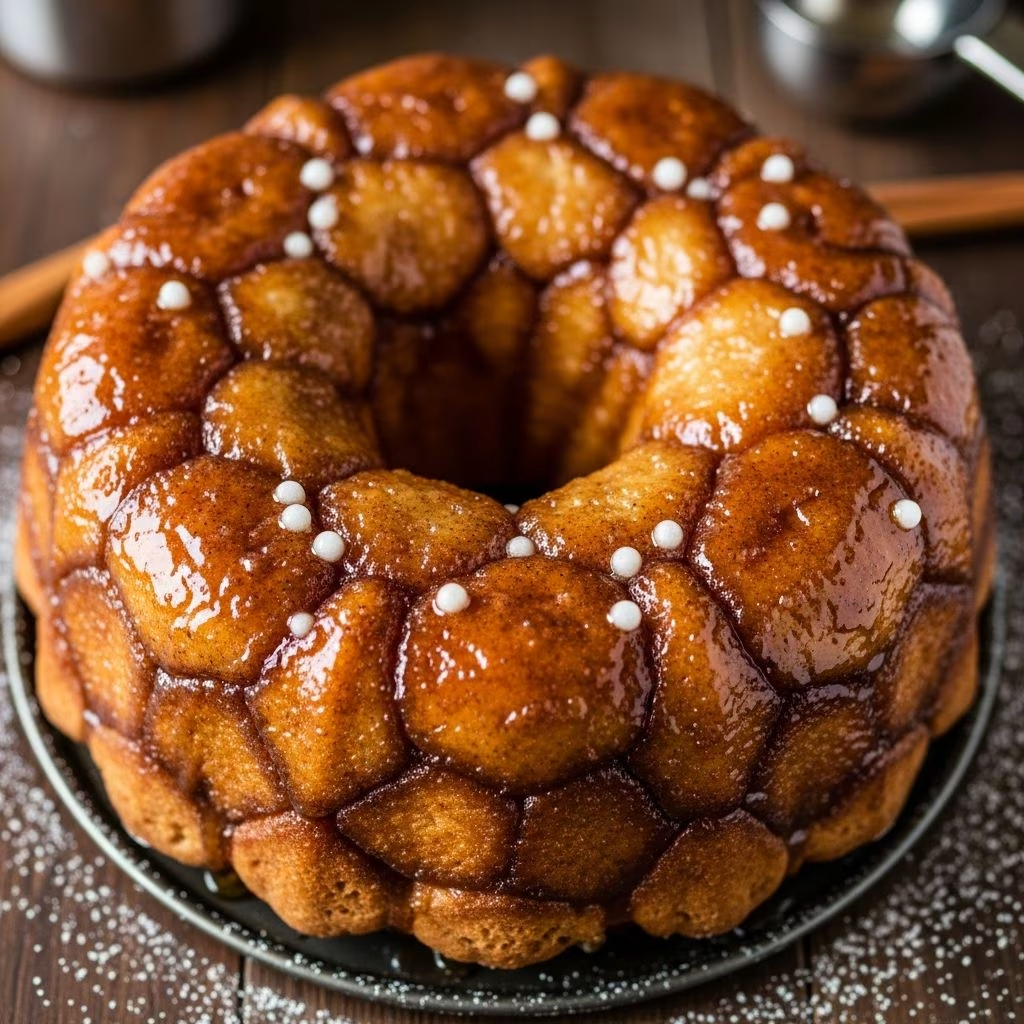
Monkey bread has earned its place as a cherished comfort dessert in American kitchens for good reason. This pull-apart confection combines the convenience of refrigerated biscuit dough with warm, gooey caramel and cinnamon-sugar coatings that make it irresistible. When you use Grands biscuits specifically, you’re starting with a premium foundation that delivers fluffy, buttery layers that elevate the entire finished product. Whether you’re preparing breakfast for a special occasion or searching for a crowd-pleasing dessert, understanding the fundamentals of this recipe ensures success every time.
Understanding Monkey Bread Fundamentals
Monkey bread represents one of the most approachable desserts for home bakers of all skill levels. The beauty of this recipe lies in its forgiving nature and straightforward assembly process. Rather than requiring advanced baking techniques or specialized equipment, monkey bread relies on quality ingredients layered thoughtfully within a Bundt pan, then transformed through oven heat into something magical.
The name itself derives from the playful manner in which people consume this dessert—tearing off bite-sized pieces with their hands, much like a monkey might eat. This informal presentation removes any pretense from the dining experience and encourages sharing and enjoyment in a casual, stress-free environment.
Essential Ingredients and Their Roles
Creating authentic Grands monkey bread begins with selecting quality components. Each ingredient serves a specific purpose in building layers of flavor and texture.
- Refrigerated Biscuits: Two cans of Grands biscuits (16.3 ounces each) form the structural foundation. These larger-format biscuits contain 8 count per can and possess superior flakiness compared to standard biscuit varieties.
- Granulated Sugar: Half a cup of white granulated sugar combines with cinnamon to create the initial coating that adheres to each biscuit piece.
- Ground Cinnamon: One teaspoon provides warm spice notes that permeate throughout the finished bread.
- Brown Sugar: One cup of firmly packed brown sugar contributes rich molasses undertones to the caramel syrup.
- Butter: Three-quarters cup of melted butter serves as the binding agent for the syrup and enriches every component it touches.
- Optional Add-ins: Chopped walnuts, pecans, raisins, or dried cranberries introduce textural contrast and additional flavor dimensions.
Preparation Techniques That Matter
Success begins before anything enters the oven. Proper preparation of ingredients and tools sets the stage for a seamless baking experience.
Equipment Selection: A 12-cup fluted tube pan (Bundt pan) provides the ideal vessel for this recipe. The fluted design creates appealing visual ridges on the finished product, while the hole in the center ensures even heat distribution throughout the dough mass. Generously greasing this pan with shortening or cooking spray prevents sticking and allows for easy removal after baking.
Dough Cutting Method: Separate each refrigerated biscuit individually, then cut every biscuit into four equal pieces. This creates 32 bite-sized portions from two cans. Using clean kitchen scissors often proves more efficient than a knife for this task, as the dough won’t compress or tear as easily.
Coating Process: Place granulated sugar and cinnamon in a large plastic food storage bag and shake vigorously to combine. Add the biscuit pieces in batches and shake until each piece receives a thorough cinnamon-sugar coating. This technique proves more efficient than attempting to coat pieces individually by hand.
Assembly and Layering Strategy
How you arrange biscuit pieces in the prepared pan influences the final texture and syrup distribution. Begin by spreading half of the coated biscuit pieces across the bottom of the greased Bundt pan. If using optional add-ins like walnuts or raisins, scatter half of these ingredients over this first layer.
Add the remaining biscuit pieces to form a second layer, distributing them relatively evenly. Sprinkle the remaining nuts and dried fruits over this layer. Any leftover cinnamon-sugar coating from the bag can be sprinkled over the assembled biscuits.
Creating the Signature Caramel Syrup
The syrup transforms ordinary biscuits into something extraordinary. In a small saucepan, combine one cup of packed brown sugar with three-quarters cup of melted butter. Heat this mixture over medium heat, stirring occasionally, until it reaches a gentle simmer. The butter and sugar will merge into a smooth, glossy liquid. Add an additional half cup of any remaining cinnamon-sugar mixture if desired for enhanced spice notes.
Bring the syrup just to a boil, then immediately remove from heat. Continue stirring until any undissolved sugar crystals disappear completely. Avoid overcooking, as this can cause the syrup to become grainy or bitter. Once prepared, carefully pour this warm syrup evenly over the layered biscuits in the pan, ensuring the liquid penetrates into crevices and coats all surfaces.
Baking Guidelines and Temperature Control
Preheat your oven to 350 degrees Fahrenheit before assembly begins. This ensures the oven reaches the proper temperature when the prepared pan enters. Place the filled Bundt pan on the center oven rack to promote even baking throughout.
Bake for 30 to 40 minutes, observing the bread as it bakes. The finished product should display a deep golden-brown color and feel firm to the touch when pressed gently in the center. The biscuits will no longer appear doughy but should remain tender and moist.
Individual ovens may vary in temperature accuracy, so monitoring the bread’s progress during the final ten minutes prevents overbaking. The syrup should bubble slightly around the edges when the bread reaches doneness.
Removal and Serving Technique
Proper removal from the pan requires timing and technique. Allow the baked monkey bread to rest in the pan for approximately five minutes after removal from the oven. This cooling period allows the structure to set slightly while the syrup remains warm enough to ensure easy release.
Run a thin metal spatula or knife around the outer edge of the pan to loosen any stuck portions. Place a large serving plate upside down over the Bundt pan. In one confident motion, flip the pan and plate together so the bread transfers onto the plate. Gently lift away the pan.
Any biscuit pieces or caramel that clings to the pan should be placed back onto the inverted bread. The bread should release relatively easily if preparation and cooling timing are correct. Serve while still warm, when the texture proves most appealing and the syrup flows beautifully.
Flavor Variations and Customizations
While the classic cinnamon-sugar and butter version remains timeless, creative variations offer exciting alternatives. A pumpkin pie spice blend substitutes for standard cinnamon during fall and winter months, creating seasonal appeal. Chocolate chips nestled between biscuit layers appeal to chocolate enthusiasts.
For a maple-forward version, replace some of the brown sugar with pure maple syrup and incorporate chopped pecans. A savory interpretation uses melted butter combined with dried herbs like dill, garlic powder, and a cheese blend, creating an entirely different flavor profile suitable for brunch service.
Make-Ahead and Storage Considerations
Preparation flexibility makes this recipe accommodating for busy schedules. Coat the biscuit pieces in cinnamon-sugar mixture and arrange them in the prepared pan up to one hour before baking. Cover the pan tightly with aluminum foil and refrigerate. When ready to bake, remove the foil, add any optional ingredients, prepare the syrup, pour it over the biscuits, and proceed with baking as directed.
Leftover monkey bread stores covered at room temperature for up to two days. Reheat individual portions in a microwave for 15 to 20 seconds or in a 300-degree oven for five minutes to restore warmth and syrup flow. While best consumed fresh, properly stored portions remain enjoyable for several days.
Common Mistakes and Solutions
| Issue | Cause | Solution |
|---|---|---|
| Bread sticks to pan | Insufficient pan greasing or premature removal | Generously grease pan with shortening; wait full five minutes before inverting |
| Dry or tough texture | Overbaking or excessive heat | Reduce baking time; use oven thermometer to verify temperature accuracy |
| Syrup pools at pan bottom | Uneven pouring or insufficient distribution | Pour syrup slowly and deliberately; rotate pan while pouring to ensure coverage |
| Sugar coating falls off biscuits | Insufficient coating or wet dough | Ensure biscuit pieces are thoroughly coated; pat any excess moisture before adding to pan |
| Bread rises unevenly | Uneven biscuit distribution or oven hot spots | Arrange biscuits consistently; rotate pan halfway through baking if needed |
Nutritional Information and Serving Size
Each serving of monkey bread prepared according to these instructions contains approximately 440 calories. This estimate accounts for the biscuits, sugar, cinnamon, butter, and syrup but excludes optional ingredients like nuts and dried fruits. The recipe yields approximately 12 servings when the finished bread is divided into equal portions.
Those monitoring dietary intake should note that monkey bread contains significant sugar and fat content, making it more suitable as an occasional treat than a daily staple. Individual portions naturally limit consumption since the pull-apart format encourages stopping at a satisfying point.
Frequently Asked Questions
Can I use regular biscuits instead of Grands?
Yes, standard-sized biscuits work, though they’ll yield less impressive results. Use approximately three cans of regular biscuits to achieve similar volume, and reduce baking time by five to ten minutes since they’re smaller and will cook faster.
Is this recipe freezer-friendly?
Assembled monkey bread (before baking) can be frozen for up to one month. Prepare the pan, cover with foil, and freeze. Bake directly from frozen, adding 10 to 15 minutes to the standard baking time. Thaw before baking if preferred for more consistent results.
What pan size alternatives exist?
A 10-inch round cake pan or similar-capacity vessel works in place of a Bundt pan, though the visual presentation differs slightly. Ensure the chosen pan is oven-safe and has at least 12-cup capacity.
How do I prevent the cinnamon-sugar from browning too quickly?
If the exterior browns before the interior cooks through, loosely tent the pan with aluminum foil during the final 10 to 15 minutes of baking. Remove the foil briefly at the end to allow final browning if needed.
Can the syrup be prepared ahead?
Yes, the butter and brown sugar mixture can be combined and refrigerated for up to two days. Reheat gently over low heat until pourable before adding to the assembled biscuits.
Conclusion
Grands monkey bread represents the perfect intersection of simplicity and indulgence. With straightforward ingredients, manageable techniques, and forgiving timing, this dessert accommodates cooks at any skill level while delivering restaurant-quality results. Whether served for weekend breakfast, special occasions, or casual family gatherings, the warm, gooey pull-apart bread never fails to generate enthusiasm. By following the guidelines outlined above and adapting the recipe to personal preferences, home bakers create memories and satisfaction with each baked batch.
References
- Grands Monkey Bread Recipe — Unsophisticook. https://unsophisticook.com/grands-monkey-bread/
- Grands Monkey Bread — Gourmet Garage. https://www.gourmetgarage.com/recipes/Grands-Monkey-Bread
- Ooey Gooey Monkey Bread Recipe — Buns In My Oven. https://www.bunsinmyoven.com/monkey-bread/
- Granny’s Monkey Bread Recipe — Self Proclaimed Foodie. https://selfproclaimedfoodie.com/grannys-monkey-bread/