Gochujang sauce represents one of Korea’s most beloved culinary contributions to global kitchens. This versatile condiment transforms simple meals into extraordinary dining experiences by delivering layers of umami, heat, and complexity. Whether you’re preparing traditional Korean dishes or experimenting with fusion cuisine, understanding how to create and customize gochujang sauce opens countless culinary possibilities.
Understanding the Foundation: What Makes Gochujang Special
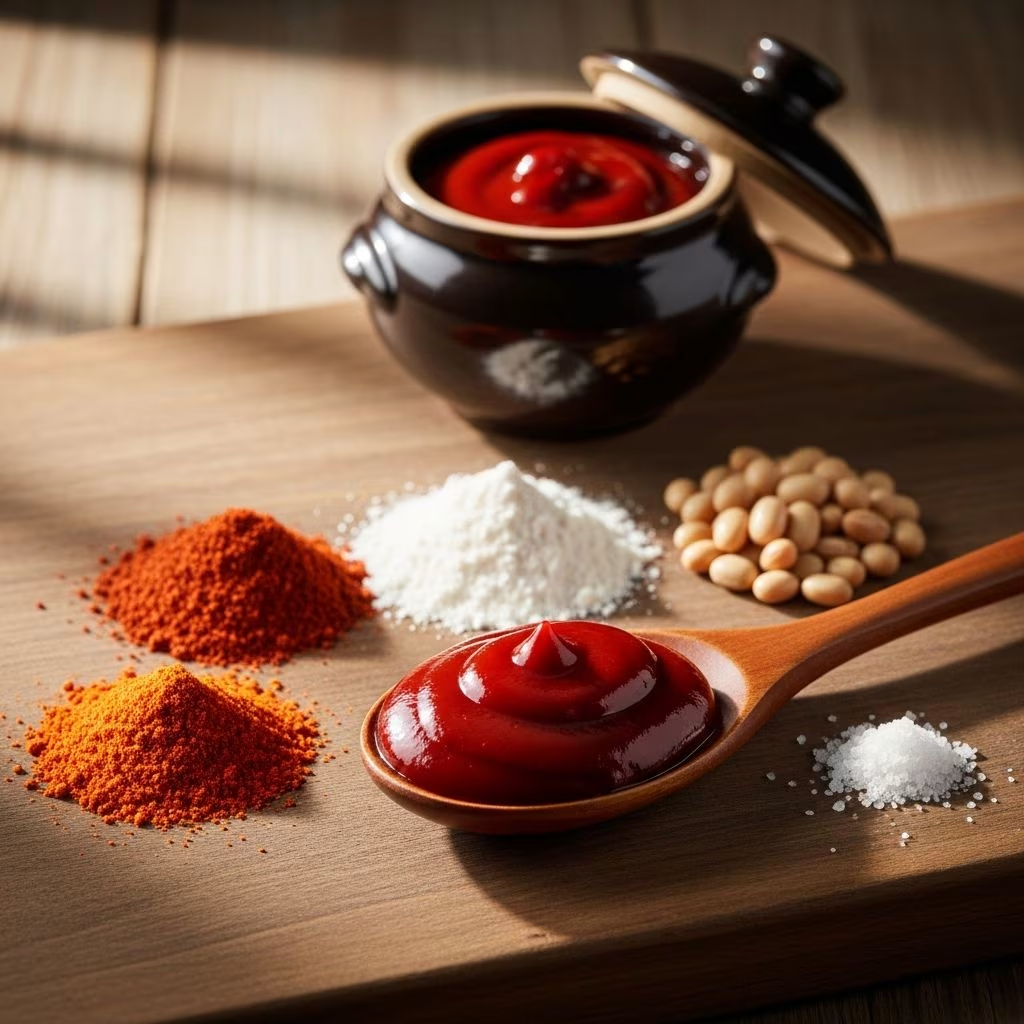
At its core, gochujang is a fermented Korean chili paste composed of chilies, glutinous rice, fermented soybeans, salt, and sweeteners that creates a thick, sticky condiment with distinctive spicy characteristics. However, when transformed into a sauce, this powerful paste becomes more approachable and versatile. The conversion from paste to sauce involves combining gochujang with complementary ingredients that balance its intensity while enhancing its natural complexity.
The beauty of gochujang sauce lies in its ability to deliver multiple flavor dimensions simultaneously. The base paste provides heat and depth, while supporting ingredients layer in sweetness, tanginess, nuttiness, and savory notes. This multi-sensory experience explains why gochujang sauce has become a staple across Korean cuisine and increasingly popular in international cooking.
Essential Ingredients for Classic Gochujang Sauce
Creating an authentic gochujang sauce requires just a handful of quality ingredients, each playing a crucial role in the final flavor profile:
- Gochujang Paste: The star ingredient, typically using 2 to 3 tablespoons per batch. Different brands vary in potency and fermentation depth, so adjust quantities based on personal heat tolerance and brand characteristics.
- Sesame Oil: This ingredient cuts through the gochujang’s intensity while introducing a nutty complexity that rounds out the sauce. Toasted sesame oil provides superior flavor compared to plain varieties.
- Rice Vinegar: Adding brightness and tang, rice vinegar balances the sauce’s richness and prevents it from becoming overwhelming.
- Sweetening Agent: Natural sweeteners like maple syrup, honey, or brown sugar complement the paste’s fermented character while creating depth.
- Soy Sauce: This umami powerhouse enhances savory notes and adds complexity to the overall flavor profile.
Basic Recipe for Quick Gochujang Sauce
The simplest approach to making gochujang sauce requires minimal effort and time. Combine 2 to 3 tablespoons of gochujang paste with 1½ tablespoons of rice vinegar, 1 tablespoon of sesame oil, and 1 tablespoon of maple syrup in a small bowl. Whisk the ingredients together until they reach a smooth, consistent texture. This four-ingredient version delivers exceptional results without requiring any cooking, making it perfect for quick meal preparation.
The beauty of this approach is its flexibility. For those preferring a milder sauce, start with 2 tablespoons of paste and add more gradually to achieve desired heat levels. Conversely, spice enthusiasts can increase the paste quantity or add extra gochugaru (Korean chili powder) for intensified heat.
Variations and Flavor Enhancements
Cooked Gochujang Sauce with Aromatics
For a more developed flavor profile, a cooked version combines gochujang paste with sautéed aromatics. Heat neutral oil in a small saucepan over medium-high heat, then add minced onion, grated garlic, and fresh ginger. Reduce heat to medium and cook until softened, approximately 4 minutes, stirring frequently. Stir in the gochujang paste and cook for 1 minute to bloom its flavors. Add soy sauce, mirin, honey, and pepper to taste, then bring the mixture to a simmer until thickened, approximately 3 minutes. This method produces a more integrated sauce with fuller aromatics.
Creamy Gochujang Mayo
Blending gochujang paste with mayonnaise creates a luxurious sauce ideal for dipping, spreading, or drizzling. Combine 2 tablespoons gochujang paste with ¼ cup mayonnaise in a blender, processing until smooth. Add 1 tablespoon each of soy sauce and rice vinegar, 1 teaspoon sesame oil, and maple syrup or brown sugar, blending until well combined. This creamy variation works exceptionally well with grilled proteins and seafood preparations.
Marinades and Glazes
Gochujang sauce transforms into an excellent marinade by increasing ingredient quantities and incorporating additional umami builders. A marinade version combines 3 tablespoons gochujang paste with 2 tablespoons each of soy sauce and rice vinegar, 1 tablespoon maple syrup or brown sugar, 1 tablespoon sesame oil, and 1 tablespoon fish sauce. The optional fish sauce adds richness and complexity without imparting fishiness to the marinade. This preparation coats proteins or vegetables, requiring at least 30 minutes of marinating time for optimal flavor development.
Ingredient Substitution and Customization
One of gochujang sauce’s greatest advantages is its adaptability to various dietary preferences and ingredient availability:
| Original Ingredient | Substitution Options | Impact on Flavor |
|---|---|---|
| Maple Syrup | Honey, brown sugar, rice syrup, fruit jam | Slight variations in sweetness intensity and depth |
| Rice Vinegar | Apple cider vinegar, white vinegar, citrus juice | Acidity levels and flavor nuances adjust accordingly |
| Sesame Oil | Neutral oils with sesame seeds added | Reduced nutty character; requires flavor compensation |
| Garlic Powder | Minced fresh garlic, onion powder, paprika | Shifts from dried to fresh characteristics or adds different flavor notes |
| Ginger Powder | Fresh grated ginger, turmeric | Changes intensity and adds warmth or earthiness |
For those seeking additional spice, incorporating gochugaru (Korean chili powder) provides customizable heat intensity. Those preferring milder profiles can reduce gochujang paste quantities or dilute with additional sweetening agents and oils.
Storage and Shelf Life Considerations
Properly prepared gochujang sauce maintains quality when stored in airtight containers in the refrigerator for up to one week. The fermented nature of gochujang paste helps preserve the sauce naturally. For extended storage, freeze portions in ice cube trays for convenient meal-sized quantities. Always check for signs of spoilage before use, including unusual odors or visible mold development.
Culinary Applications and Serving Suggestions
Gochujang sauce enhances numerous dishes across multiple cuisines. Spoon it over bibimbap bowls to add complexity to mixed rice and vegetable combinations. Use it as a dressing for vegetable rice bowls, providing the final flavor element that ties ingredients together. Apply it as a marinade for proteins including chicken, beef, pork, and tofu before grilling, roasting, or stir-frying. Serve it alongside lettuce wraps with rice, peppers, seaweed, and fresh vegetables for interactive Korean dining experiences.
Beyond traditional Korean applications, gochujang sauce works wonderfully as a condiment for burgers, grilled sandwiches, and creative fusion preparations. Its versatility extends to being a dip for grilled or air-fried chicken and a creamy slaw dressing.
Flavor Profile Breakdown
Understanding gochujang sauce’s taste composition helps in customizing recipes to personal preferences. The sauce combines spicy heat from the chili paste with tangy brightness from vinegar. Sweetening agents introduce savory-sweet complexity, while sesame oil provides nutty undertones. The result is a multidimensional condiment that stimulates multiple taste receptors simultaneously, creating the addictive quality that makes gochujang sauce so compelling.
Frequently Asked Questions
How Spicy Is Gochujang Sauce?
Heat levels vary considerably based on gochujang paste brand selection and the quantity used. Starting with 2 tablespoons provides moderate spice, while 3 tablespoons delivers more pronounced heat. For those sensitive to spice, begin conservatively and add gradually to taste.
Can Gochujang Sauce Be Made Without Fish Sauce?
Absolutely. While fish sauce adds umami richness, it remains optional. The sauce develops satisfactory flavor through gochujang paste, soy sauce, and sesame oil alone.
What If the Sauce Becomes Too Thick?
Simply thin the consistency by incorporating additional rice vinegar, sesame oil, or water a small amount at a time until reaching the desired texture.
Is Gochujang Sauce Appropriate for Vegan Diets?
Traditional versions use fish sauce optionally and may contain animal-derived ingredients. Verify ingredient sourcing when seeking vegan gochujang paste, and substitute mayonnaise with vegan alternatives when preparing creamy versions.
How Long Does Prepared Gochujang Sauce Last?
When stored in airtight containers in the refrigerator, gochujang sauce maintains quality for approximately one week.
Conclusion: Elevating Your Culinary Repertoire
Gochujang sauce represents an accessible gateway into Korean cooking and umami-rich flavor development. Its simplicity belies the complexity it brings to countless dishes, making it an invaluable addition to any kitchen. Whether preparing traditional Korean meals or experimenting with innovative fusion cuisine, mastering gochujang sauce provides the foundation for creating memorable dining experiences. Start with basic recipes, experiment with ingredient variations, and discover how this remarkable condiment transforms ordinary ingredients into extraordinary meals.
References
- Easy Gochujang Sauce Recipe — Hungry Huy. Accessed April 2026. https://www.hungryhuy.com/gochujang-sauce/
- Gochujang Sauce: Three Easy and Delicious Recipes — Blendtec. Accessed April 2026. https://www.blendtec.com/blogs/recipes/gochujang-sauce-three-easy-and-delicious-recipes
- Gochujang Sauce Recipe — The Blue Heron Project. Accessed April 2026. https://www.theblueheronproject.com/recipes/gochujang-sauce-recipe
- Gochujang Sauce Recipe — Love and Lemons. Accessed April 2026. https://www.loveandlemons.com/gochujang-sauce/
- Incredible Gochujang Sauce Recipe — Pinch of Yum. Accessed April 2026. https://pinchofyum.com/incredible-gochujang-sauce
- Properly Seasoned Gochujang Sauce — ahnest kitchen. Accessed April 2026. https://ahnestkitchen.com/food/gochujang