French dip sandwiches represent one of the most beloved comfort foods in American cuisine, combining tender beef, crusty bread, and a savory dipping sauce into a single handheld meal. What many home cooks don’t realize is that creating this restaurant favorite requires far less time and effort than most people assume. Whether you’re preparing a quick dinner for your family or looking to impress guests at a casual gathering, mastering the fundamentals of French dip sandwich preparation will elevate your cooking repertoire.
Understanding the Components of an Authentic French Dip
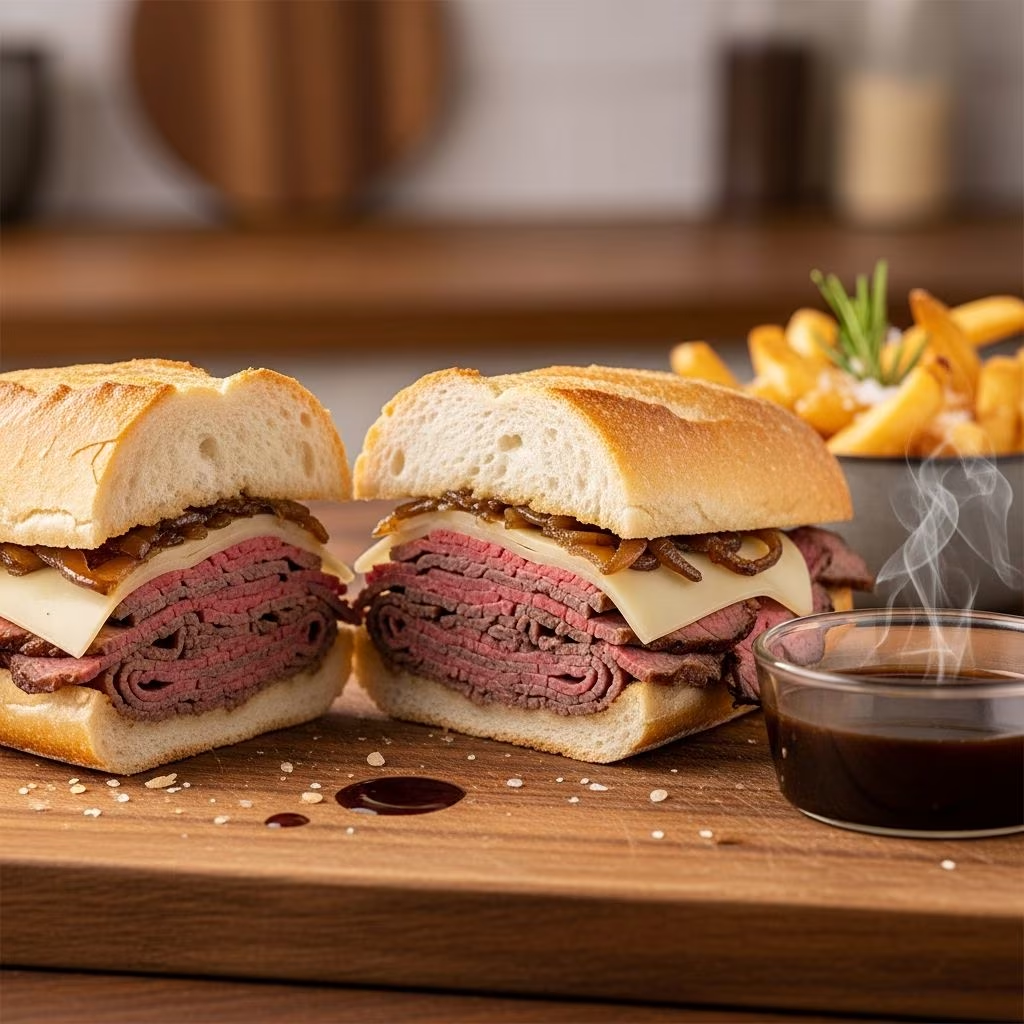
A proper French dip sandwich relies on four essential elements working in harmony. The foundation begins with sturdy bread capable of withstanding both the weight of toppings and prolonged contact with dipping sauce. Most traditional recipes call for a crusty baguette or hoagie rolls that provide structural integrity while offering a satisfying textural contrast. The second component involves high-quality roast beef, preferably sliced thin enough to warm quickly but thick enough to maintain its integrity when saturated with sauce. The third element is melted cheese, typically Swiss or provolone varieties, which adds richness and helps bind the sandwich together. Finally, the au jus sauce serves as both a cooking medium and dipping accompaniment, infusing the beef with flavor while providing that signature wet sandwich experience.
The beauty of this sandwich lies in its simplicity. Each component serves a specific purpose, and when executed properly, they create a cohesive dish greater than the sum of its parts. Understanding how these elements interact will help you troubleshoot any issues and customize recipes to your personal preferences.
Selecting Quality Ingredients for Superior Results
The success of your French dip sandwich begins before any cooking occurs. Ingredient selection determines the final quality more than cooking technique. When choosing roast beef, look for cuts that have been properly stored and sliced to uniform thickness. Pre-sliced deli roast beef offers convenience and works excellently for quick preparations, while freshly sliced roast beef from a butcher counter provides superior flavor and texture control. Some cooks prefer starting with a raw roast that they slow-cook themselves, which produces exceptionally tender results but requires significant advance planning.
For the bread component, freshness matters considerably. A day-old baguette may actually work better than freshly baked bread, as it has enough structure to hold toppings without being so soft that it disintegrates during assembly. When selecting cheese, authentic Swiss cheese offers a traditional choice with mild, slightly sweet undertones that complement roast beef perfectly. Provolone provides a heartier flavor profile if you prefer something more assertive.
The au jus sauce can be prepared three ways: homemade from beef drippings, created from beef consommé, or derived from prepared broths combined with additional seasonings. Each approach yields slightly different flavor characteristics, allowing you to tailor the final result to your taste preferences.
The Quick-Preparation Method: 10 to 15 Minutes Start to Finish
For those seeking the fastest possible route to French dip sandwiches, the streamlined approach deserves your attention. This method utilizes pre-sliced deli roast beef and either canned beef consommé or prepared beef broth, eliminating hours of cooking time while maintaining authentic flavor profiles.
Preparation Steps:
- Preheat your oven to 400 degrees Fahrenheit
- Slice the baguette into four equal portions, then cut each piece horizontally to create sandwich bases
- Heat olive oil in a large skillet over medium heat for approximately one minute
- Add finely chopped shallots and sauté until softened and beginning to caramelize, approximately two minutes
- Sprinkle all-purpose flour over the shallots and stir continuously for one minute to create a roux base
- Slowly whisk beef consommé into the roux mixture while maintaining consistent heat
- Bring the liquid to a boil, then reduce heat to maintain a gentle simmer
- Add your preferred steak seasoning and allow flavors to meld for several minutes
- Separate individual slices of roast beef and submerge them in the simmering au jus until heated through
- Using tongs, transfer equal portions of warm roast beef onto each baguette section
- Top each sandwich with a single slice of Swiss or provolone cheese
- Place assembled sandwiches on a baking sheet and bake until cheese melts completely, approximately three to five minutes
- Remove from oven and serve immediately alongside small bowls of reserved au jus for dipping
The Slow-Cooker Approach: Hands-Off Cooking for Maximum Tenderness
When time permits advance planning, the slow-cooker method produces exceptionally tender results that showcase beef at its most flavorful. This technique requires minimal active preparation but necessitates eight hours of cooking time, making it ideal for meal preparation or situations where the sandwich serves as the final destination of a day’s planning.
The slow-cooker approach typically involves combining a raw beef roast with a mixture of seasonings, broths, and flavor-building ingredients. The extended cooking time at low temperatures breaks down connective tissues and allows flavors to intensify. Toward the end of the cooking cycle, many recipes call for shredding the meat using two forks, creating a texture that more closely resembles pulled beef than sliced portions. This shredded beef absorbs the cooking liquid more thoroughly, resulting in sandwiches that remain moist and flavorful even as they cool slightly.
Creating the Perfect Au Jus: The Soul of the Sandwich
The au jus sauce represents the defining characteristic of authentic French dip sandwiches. Rather than being merely an accompaniment, this rich, beefy sauce functions as a crucial component that ties all other elements together. A proper au jus achieves the right balance between body and clarity, offering enough substance to coat the palate without becoming heavy or overwhelming.
Traditional au jus begins with beef stock or drippings from roasted beef. The liquid is typically enriched with a roux made from equal parts fat and flour, creating a sauce with enough viscosity to cling to beef and bread without becoming gravy-like. Some modern adaptations utilize canned beef consommé as a shortcut, which delivers authentic beef flavor with minimal preparation. The addition of Worcestershire sauce, soy sauce, or other umami-rich seasonings deepens complexity and rounds out flavors.
Temperature control proves essential when preparing au jus. The sauce should be hot enough to warm the roast beef thoroughly but not so scalding that it breaks down the bread structure or burns anyone’s mouth during dipping. A gentle simmer represents the ideal state, allowing flavors to meld while preventing excessive evaporation that would concentrate the sauce too intensely.
Assembly Techniques That Prevent Soggy Disappointment
The difference between a properly assembled French dip sandwich and a soggy disappointment often comes down to technique. Timing and sequence matter significantly when bringing together all components. The bread should be toasted or at minimum warmed before receiving its toppings. This step serves multiple purposes: it firms the interior to resist moisture absorption, it creates subtle flavor complexity through the Maillard reaction, and it ensures the sandwich maintains its structural integrity throughout the eating experience.
When placing roast beef on the bread, avoid overdoing it with sauce at the assembly stage. Instead, use tongs to lift beef from the au jus, allowing excess liquid to drain away. The residual moisture clinging to the meat provides sufficient dampness, while the separate dipping sauce allows diners to control their own saturation level. This approach respects individual preferences—some people prefer dipping every bite in sauce, while others prefer a lighter touch.
Cheese placement should occur on top of the beef rather than beneath it. This positioning allows the cheese to melt from the residual heat of the warm beef while the oven or broiler provides additional heat. Placing cheese underneath means it contacts the bread directly, potentially creating an unpleasant texture or preventing proper melting.
Cheese Selection and Melting Considerations
While tradition dictates Swiss cheese for French dip sandwiches, personal preference and availability may suggest alternatives. Swiss cheese offers mild flavor that doesn’t compete with the roast beef or au jus, allowing each component to shine individually. However, provolone provides a meatier character that some find more satisfying. Mozzarella creates a stretch appeal that some diners enjoy, though its mild flavor contributes less to the overall experience.
Regardless of cheese selection, proper melting requires attention to temperature and timing. Cheese melted under the broiler achieves a brown, slightly crispy edge while maintaining a creamy interior. Cheese melted in a conventional oven at moderate temperature creates a more uniform melt without browning. Both approaches have merit depending on your texture preferences.
Serving Suggestions and Accompaniments
French dip sandwiches shine as a standalone meal but benefit from thoughtful accompaniments. The most essential serving element involves small bowls of warm au jus placed alongside each diner’s plate. The dipping experience represents a crucial aspect of French dip sandwich enjoyment, so providing adequate sauce prevents frustration.
Traditional side dishes include crispy French fries, potato chips, or a light salad. The contrast between the rich, savory sandwich and lighter sides creates a balanced meal. Beverage pairings should consider the sandwich’s intensity—beer, iced tea, or cola all complement the experience well, while lighter beverages like sparkling water allow the sandwich to remain the focal point.
Frequently Asked Questions About French Dip Sandwiches
Can I prepare French dip sandwiches in advance?
The roast beef and au jus can be prepared hours ahead and reheated gently before assembly. However, assemble sandwiches immediately before serving to prevent sogginess. Bread should be toasted only moments before the sandwich comes together.
What happens if I don’t have beef consommé?
Regular beef broth works adequately as a substitute. You may need to adjust seasonings slightly, as consommé tends to be more concentrated. Add additional steak seasoning or Worcestershire sauce to compensate for the difference in intensity.
How do I prevent the bread from becoming too soggy?
Toast the bread lightly before assembly, and allow excess au jus to drain from the beef before placing it on the bread. Serve additional sauce separately for dipping rather than saturating the sandwich during preparation.
Can I freeze leftover French dip sandwiches?
Freezing completed sandwiches generally produces disappointing results due to bread texture degradation. However, you can freeze the cooked roast beef and au jus separately for up to three months. Thaw and reheat gently before reassembling.
What’s the difference between au jus and gravy?
Au jus refers to thin pan drippings, while gravy typically contains more thickening agent and cream. French dip sandwiches traditionally use au jus, which allows the meat and bread to absorb flavor without creating a heavy sauce.
Troubleshooting Common Issues
If your au jus tastes too thin or lacks beef flavor, simmer it longer to concentrate flavors, or add additional beef consommé. If it becomes too thick, whisk in additional broth gradually. If the roast beef shreds or breaks apart during assembly, it was likely sliced too thin or overcooked. In future attempts, use thicker slices or employ more gentle handling with tongs.
Bread that crumbles or falls apart typically indicates it was too fresh or cut with excessive pressure. Select day-old bread and use a serrated knife with a gentle sawing motion rather than forceful pressing.
References
- Easy French Dip Sandwiches — I Heart Naptime. Accessed 2026. https://www.iheartnaptime.net/easy-french-dip-sandwiches/
- Crockpot French Dip Sandwich Recipe — Oh Sweet Basil. Accessed 2026. https://ohsweetbasil.com/french-dip-sandwich/
- Easy French Dip Sandwiches Recipe — On The Go Bites. Accessed 2026. https://www.onthegobites.com/easy-french-dip-sandwiches-recipe/
- French Dip Sandwich Recipe — Good Grief Cook. Accessed 2026. https://www.goodgriefcook.com/french-dip-sandwich-recipe/
- Easy French Dip Sandwiches with Au Jus — Family Around the Table. Accessed 2026. https://familyaroundthetable.com/easy-french-dip-sandwiches/