Fish tacos represent one of the most accessible and satisfying ways to incorporate seafood into your regular meal rotation. Combining tender, flaky fish with vibrant vegetables and zesty accompaniments, these tacos deliver bold flavors without requiring advanced culinary techniques. Whether you’re planning a casual weeknight dinner or impressing guests at a gathering, understanding the fundamentals of fish taco preparation transforms this dish from intimidating to entirely manageable.
Understanding the Foundation: Selecting Your Fish
The quality of your final dish depends significantly on choosing the right type of fish. Mild white fish varieties work best for tacos because their delicate flavor allows other ingredients to shine while their firm texture holds up during cooking. Popular options include cod, which offers a slightly sweet taste and flakes beautifully when cooked. Halibut provides a firmer texture and subtle briny flavor, making it excellent for grilling applications. Tilapia and mahi-mahi deliver similar results, offering accessibility and consistent quality year-round.
When purchasing fish, look for fillets that appear firm and translucent rather than dull or mushy. Fresh fish should have a clean ocean smell rather than a strong fishy odor. Most recipes call for approximately 1.5 pounds of fish to feed 3 to 4 people comfortably. Pat the fillets dry before cooking or marinating, as excess moisture prevents proper seasoning absorption and browning.
Building Flavor Through Strategic Seasoning
The marinade and dry rub approach distinguishes exceptional fish tacos from mediocre versions. Essential spice components typically include chili powder for gentle heat, smoked paprika for depth, cumin for earthiness, and garlic powder for savory richness. Many recipes incorporate ground coriander or onion powder to create additional complexity. The combination of these dried spices, when mixed with oil and an acid like lime juice, penetrates the fish and creates layers of flavor.
A basic marinade combines olive oil or canola oil with fresh lime juice, allowing the citrus to both tenderize and flavor the fish simultaneously. Adding a touch of honey or water helps distribute the spices evenly and prevents the marinade from being too intense. Allow fish to marinate for at least 15 minutes, though 30 minutes produces even more pronounced seasoning. Place the fish in a shallow dish and refrigerate, turning halfway through the marinating period to ensure even coverage.
Cooking Techniques for Optimal Results
Different cooking methods produce varying textures and flavor profiles. Pan-searing remains the most popular approach for home cooks, requiring only a nonstick skillet and moderate heat. Heat vegetable oil over medium-high heat until shimmering, then place the seasoned fish skin-side down (if skin remains). Cook for 3 to 5 minutes without moving the fish, allowing a golden crust to develop. Flip carefully and cook the other side for another 3 to 5 minutes until the fish appears opaque throughout. Let the cooked fish rest for 5 minutes before flaking with a fork into manageable pieces.
Grilling offers an excellent alternative, particularly for thicker fillets. Cut fish into 1-inch by 4-inch pieces for easier handling on grill grates. Preheat the grill to medium-high heat and oil the grates to prevent sticking. Cook for approximately 2 minutes per side, creating attractive grill marks while maintaining a tender interior. A baking method works well for preparing larger quantities, baking seasoned fish at 400°F for 12 to 15 minutes until cooked through.
Creating the Perfect Slaw Component
The slaw provides essential textural contrast and freshness that balances the richness of the fish and sauce. Red cabbage forms the base, offering both visual appeal and subtle sweetness. Shred the cabbage finely to ensure even absorption of any dressing and easy eating. Many recipes incorporate shredded carrots for additional sweetness and color contrast.
The slaw dressing varies by preference but commonly features mayonnaise, lime juice, and cilantro combined into a creamy dressing. Some versions substitute sour cream or Greek yogurt for mayonnaise to reduce richness. Whisk the dressing components together, add the shredded vegetables, and season with salt and pepper. Prepare the slaw 30 minutes to 2 hours before serving, allowing the flavors to meld while the vegetables soften slightly. This advance preparation also gives you more time to focus on cooking the fish just before serving.
Crafting Your Signature Taco Sauce
The sauce elevates fish tacos from simple to extraordinary, providing a creamy element that ties all components together. A basic fish taco sauce combines sour cream or mayonnaise with lime juice, garlic powder, and heat from sriracha or cayenne pepper. Some variations add cilantro, honey, or smoked paprika to create unique flavor profiles. Whisk ingredients together in a bowl until smooth and fully combined. The sauce can be prepared several days ahead, allowing flavors to develop while you focus on other elements during meal preparation.
Tortilla Selection and Preparation
Tortillas serve as the edible foundation for your tacos, and the choice between corn and flour varieties significantly impacts the final experience. Corn tortillas offer traditional authenticity, delivering nutty flavor and structural integrity when properly prepared. They require warming to become pliable, preventing cracking during assembly. Heat corn tortillas directly over a gas flame for a few seconds per side, or stack them on a dry skillet over medium heat, flipping every 30 seconds. This warming process enhances flavor and makes the tortillas more flexible.
Flour tortillas provide a softer, more delicate vehicle for your fillings, though they lack the traditional Mexican character of corn varieties. Choose whichever tortilla type aligns with your preferences and those of your guests. Most recipes call for approximately 8 to 12 tortillas per serving, accounting for multiple tacos per person and occasional mishaps during handling.
Fresh Toppings and Finishing Touches
The assembly stage requires gathering several fresh components that add brightness and textural variety. Avocado slices contribute creamy richness and healthy fats that complement the lean fish. Cut avocados just before assembly to prevent browning, slicing them lengthwise around the pit and scooping out the flesh with a spoon. Cilantro adds distinctive herbaceous notes that define authentic fish tacos. Remove longer stems before chopping, using both leaves and tender upper stem portions. Lime wedges serve dual purposes, adding brightness to the plate while allowing diners to customize tartness levels.
Additional toppings expand possibilities based on preference and availability. Diced tomatoes provide juicy acidity, though some recipes omit them to reduce moisture that could make the tacos soggy. Diced red onion offers sharp, peppery notes that balance rich elements. Cotija cheese, a crumbly Mexican variety, adds salty richness without overwhelming delicate fish flavors. Some cooks include jalapeño slices for additional heat or fresh corn for sweetness and texture variety.
Assembly Strategy for Maximum Impact
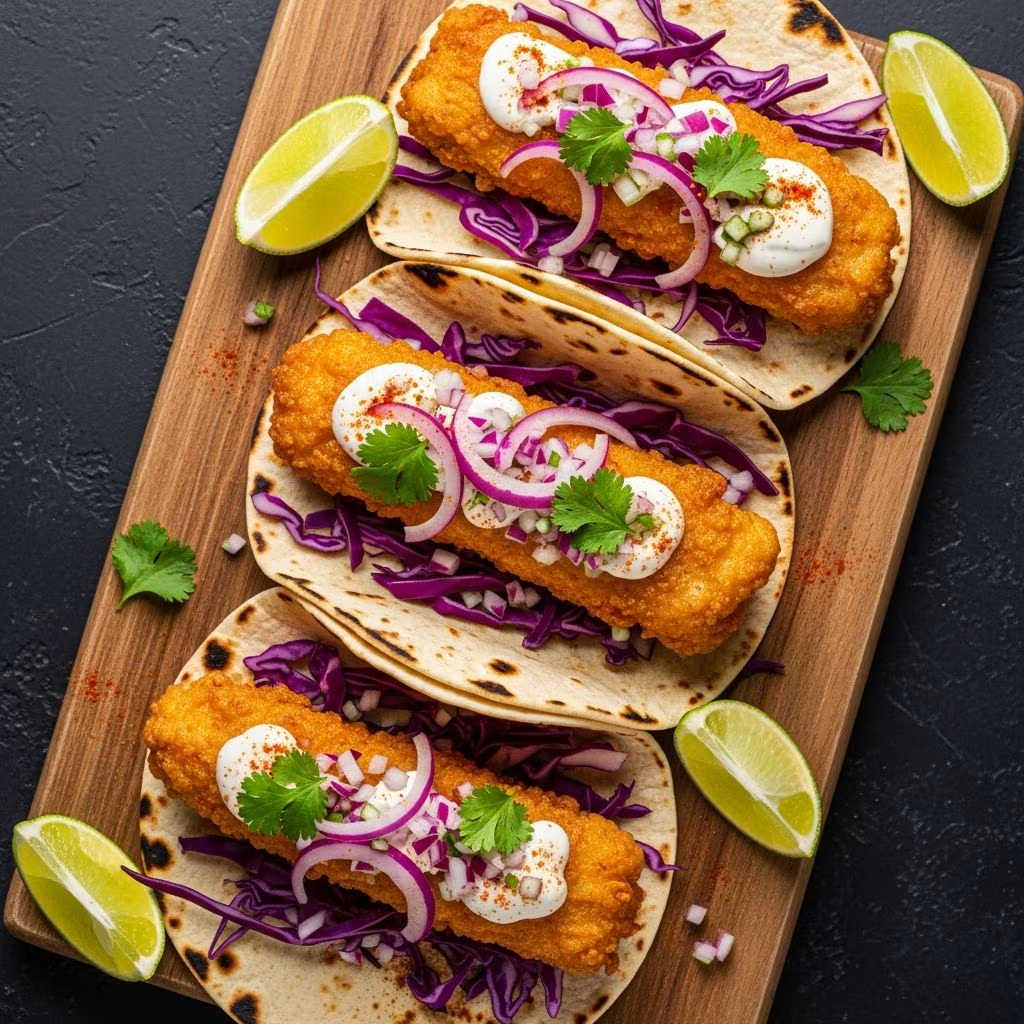
Proper assembly prevents soggy tacos and ensures balanced flavors in every bite. Begin with the warm tortilla as your base, placing it on a clean work surface or directly in your hand. Layer shredded cabbage slaw as the first filling component, creating a moisture barrier between the tortilla and subsequent ingredients. Add the flaked fish on top of the slaw, distributing it evenly across the tortilla. Arrange avocado slices next, followed by a drizzle of your prepared taco sauce. Finish with fresh cilantro, additional cheese if desired, and any other preferred toppings.
The order matters because items placed closer to the tortilla should provide structural support and moisture management, while items placed last add visual appeal and bright, fresh elements. Avoid over-filling, which makes tacos difficult to handle and causes ingredients to spill out during eating. A good rule of thumb involves stopping when fillings reach approximately two-thirds of the way up the tortilla.
Serving and Timing Considerations
Fish tacos taste best when served immediately after assembly, while the fish remains warm and all components maintain their distinct textures. Prepare all components in advance—marinating the fish, making the slaw and sauce, warming tortillas—then execute the final cooking and assembly in the 15 minutes before serving. This strategy minimizes stress while ensuring optimal quality.
Consider arranging all components in separate serving bowls or dishes, allowing guests to assemble their own tacos according to preference. This approach accommodates dietary restrictions, varying spice tolerances, and individual flavor preferences without requiring multiple versions of the same dish.
Frequently Asked Questions
- Can I prepare fish tacos in advance?
- Yes, prepare the slaw, sauce, and marinade up to a day ahead. Store them in sealed containers in the refrigerator. Cook the fish and assemble tacos just before serving for optimal texture and temperature.
- What if I don’t have fresh cilantro?
- Cilantro provides distinctive flavor, but you can substitute parsley for a milder green element, or simply omit it if you’re one of the people who find cilantro unpalatable.
- Can frozen fish work for tacos?
- Yes, use frozen fish that has been properly thawed. Pat it completely dry before marinating or cooking to ensure it seasons and cooks evenly.
- How do I prevent soggy tacos?
- Layer the slaw closest to the tortilla to create a moisture barrier. Avoid adding excessive sauce, and assemble tacos immediately before eating rather than preparing them several minutes in advance.
- What sides pair well with fish tacos?
- Spanish rice, refried beans, black beans, and cilantro-lime rice complement fish tacos beautifully. Fresh fruit like pineapple or mango also pairs well due to their sweetness and acidity.
Variations and Creative Adaptations
Once comfortable with the basic formula, experiment with variations that reflect your preferences. A crispy fish version involves breading the fish with panko crumbs before pan-frying for additional texture contrast. Spicy variations incorporate cayenne pepper, jalapeños, or habanero into the marinade or sauce. Healthier versions replace mayonnaise-based sauces with Greek yogurt mixed with lime and cilantro, reducing calories while maintaining creaminess.
Consider fusion approaches incorporating Asian influences like sriracha and ginger into the marinade, or adding crispy wonton strips for textural contrast. Pico de gallo—a fresh mixture of diced tomatoes, onions, cilantro, and lime juice—provides authentic Mexican flavor while controlling moisture better than raw tomato slices.
Nutritional Considerations and Health Benefits
Fish tacos offer significant nutritional advantages when prepared thoughtfully. White fish varieties provide lean protein essential for muscle maintenance and repair, with cod containing approximately 20 grams of protein per 3-ounce serving. This protein content promotes satiety, helping you feel satisfied longer after eating. Fish also provides omega-3 fatty acids beneficial for heart and brain health, particularly in fatty varieties like salmon, though white fish still contributes valuable nutrients.
The abundance of fresh vegetables in fish tacos contributes fiber, vitamins, and minerals. Cabbage provides vitamin C and compounds with potential anti-inflammatory properties, while avocado delivers heart-healthy monounsaturated fats and potassium. By controlling sauce portions and cheese amounts, you can enjoy delicious fish tacos while maintaining nutritional balance.
Conclusion: Making Fish Tacos Your Own
Fish tacos represent accessible, flavorful cooking that doesn’t require restaurant-quality equipment or advanced techniques. By understanding the fundamentals—selecting quality fish, building layered flavors through strategic seasoning, incorporating fresh components, and assembling thoughtfully—you transform simple ingredients into memorable meals. Start with the basic formula, then confidently adapt recipes based on ingredient availability, dietary preferences, and creative inspiration. Whether you’re a beginner cook building confidence or an experienced home chef seeking fresh ideas, fish tacos offer endless possibilities for delicious exploration.
References
- Best Fish Tacos (Easy Cod Tacos + Creamy Hot Sauce) — Savory Experiments. 2024. https://www.savoryexperiments.com/fish-tacos/
- Easy Fish Tacos Recipe — Kristine’s Kitchen Blog. 2024. https://kristineskitchenblog.com/fish-tacos/
- Grilled Fish Tacos (Disney-Inspired) — Mission Food Adventure. 2022. https://mission-food.com/grilled-fish-tacos-disney-inspired/
- Fish Tacos Recipe with Best Fish Taco Sauce — Natasha’s Kitchen. 2024. https://natashaskitchen.com/fish-tacos-recipe/
- The Most Epic Fish Tacos Recipe — A Couple Cooks. 2024. https://www.acouplecooks.com/fish-tacos/
- Best Fish Taco Recipe — Delish. 2024. https://www.delish.com/cooking/recipe-ideas/a53296/easy-fish-taco-recipe/
- Fish Tacos – RecipeTin Eats — RecipeTin Eats. 2024. https://www.recipetineats.com/marinated-fish-tacos/