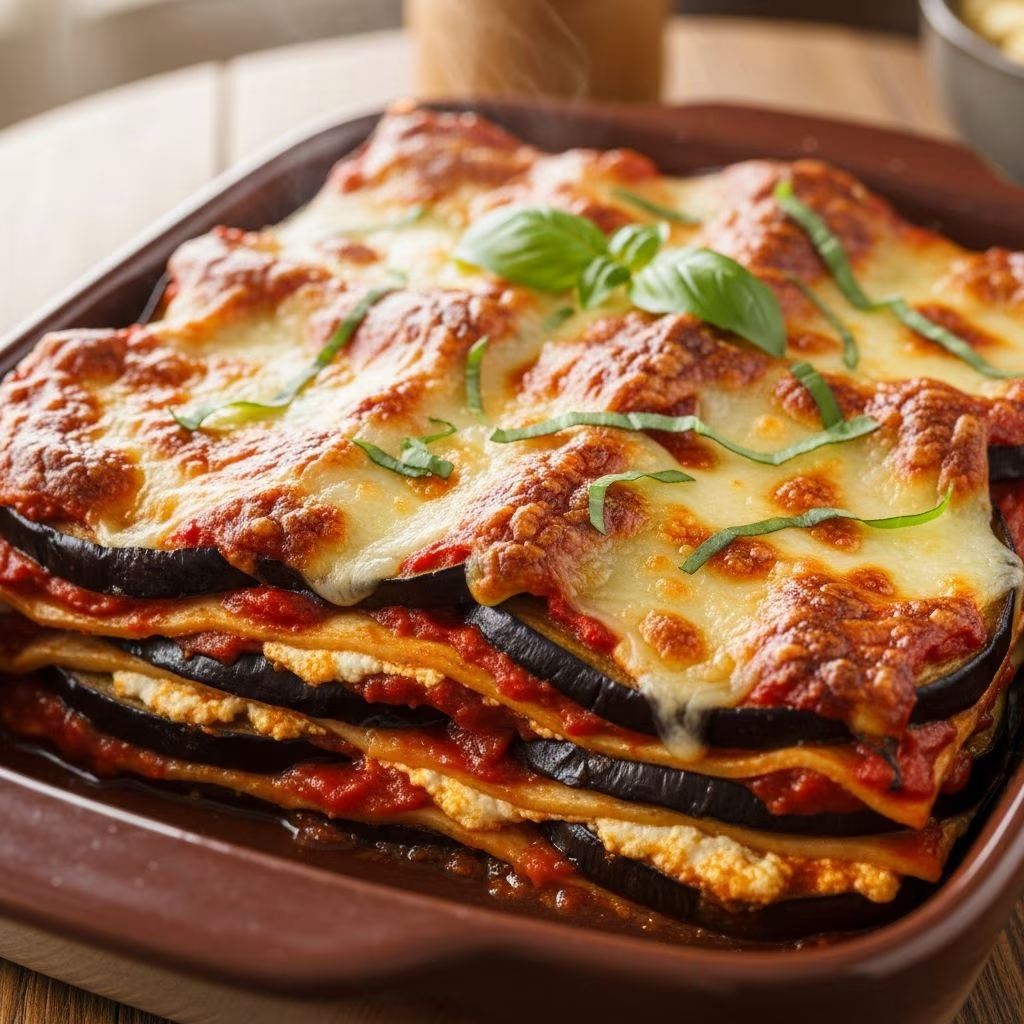
The eggplant and cheese casserole represents a cornerstone of Italian-American home cooking, combining the natural earthiness of roasted eggplant with the comfort of melted cheese and tangy tomato sauce. This versatile dish transcends simple categorization—it functions equally well as a substantial main course for vegetarian diners or as an elegant side dish for meat-based meals. The appeal of this casserole lies not only in its satisfying flavors but also in its ability to transform a humble vegetable into something truly memorable through thoughtful preparation and layering techniques.
Understanding the Foundation: Why Eggplant Works
Eggplant possesses a unique culinary characteristic that makes it ideal for casserole-style preparations. When properly cooked, eggplant develops a tender, almost meat-like texture that creates a deeply satisfying eating experience. This quality makes the vegetable particularly appealing to those seeking substantial plant-based meals without relying on meat proteins. The naturally mild flavor profile of eggplant also acts as a canvas for the robust tomato sauce and aromatic cheese components that layer throughout the dish.
The preparation method significantly influences the final texture and flavor. Roasting eggplant slices at high temperatures creates a caramelized exterior while maintaining a creamy interior, allowing the vegetable to absorb flavors from accompanying ingredients. This technique differs from other cooking methods and produces superior results compared to boiling or steaming, which can leave eggplant waterlogged and bland.
Essential Ingredients and Selection Strategies
Creating an exceptional eggplant casserole begins with selecting quality components. The following ingredients form the foundation of this classic preparation:
- Eggplant: Choose firm specimens without soft spots. A single large eggplant or two medium eggplants work well, depending on your desired casserole size. The skin should be glossy and unblemished, indicating freshness and optimal flavor.
- Tomato sauce base: High-quality marinara sauce forms the flavorful backbone of the dish. Consider selecting no-sugar-added varieties for a cleaner taste profile that highlights the natural acidity of tomatoes.
- Mozzarella cheese: Part-skim mozzarella provides excellent melting characteristics without overwhelming the palate with richness. Shredded varieties work best for even distribution throughout layers.
- Parmesan cheese: This hard cheese adds a sharp, nutty dimension that complements the mild mozzarella and creates an attractive golden top during baking.
- Seasonings: Kosher salt, freshly ground black pepper, and garlic powder represent the minimal seasoning required, though Italian herbs can enhance the profile further.
- Cooking oil: Avocado oil or extra-virgin olive oil facilitates even roasting and contributes to flavor development.
Each ingredient selection influences the final dish quality. Using jarred marinara sauce rather than making from scratch saves time without compromising flavor, particularly when selecting premium brands that minimize added sugars and preservatives.
Preparation Techniques for Optimal Results
The cooking process consists of three distinct phases: preparation, roasting, and assembly with baking. Understanding each phase ensures consistent, excellent results.
Initial Setup and Equipment
Begin by preheating your oven to 500°F, a temperature that promotes rapid caramelization of eggplant surfaces. Line a large rimmed baking sheet with parchment paper that can withstand high heat, or use nonstick foil as an alternative. Spray the surface with cooking oil to prevent sticking and facilitate easy removal after roasting.
Eggplant Preparation
Wash the eggplant thoroughly and pat dry with paper towels—moisture removal prevents steaming during roasting. Using a sharp knife, slice the eggplant into uniform ¼-inch thick rounds, working from top to bottom. Consistent thickness ensures even cooking throughout, preventing some slices from overcooking while others remain undercooked.
Arrange prepared slices on the oiled baking sheet in a single layer, then spray lightly with cooking oil and season with kosher salt, black pepper, and garlic powder. These seasonings enhance the natural vegetable flavor during roasting. Roast at 500°F for approximately 15 minutes, until the eggplant slices develop light browning on the edges and become tender enough to pierce easily with a fork.
Layering and Assembly
Once roasted eggplant cools slightly, begin assembly in a 1-quart casserole dish. Create the first layer using half of the roasted eggplant slices, arranging them to cover the bottom evenly. Spread half of the marinara sauce over this layer, then sprinkle half of the shredded mozzarella. Arrange the remaining eggplant slices on top, add the remaining marinara sauce, and finish with a combination of remaining mozzarella and grated Parmesan cheese.
Baking and Completion
Reduce the oven temperature to 350°F and bake the assembled casserole for 25-30 minutes, until the cheese melts completely and the edges begin bubbling. The casserole is finished when you observe golden-brown cheese on top and aromatic steam rising from the dish. Allow the casserole to rest for 10 minutes after removal from the oven—this resting period allows the layers to set slightly, making serving neater and more pleasant.
Ingredient Variations and Substitutions
The flexibility of casserole preparations allows numerous adaptations to suit different tastes and dietary preferences.
| Component | Standard Choice | Alternative Options |
|---|---|---|
| Cheese | Part-skim mozzarella | Provolone, ricotta blend, or fresh mozzarella |
| Tomato base | Jarred marinara sauce | Homemade tomato sauce, pesto-based sauce, or roasted red pepper sauce |
| Protein addition | Vegetarian | Ground beef, Italian sausage, or lentil-based meat substitute |
| Breadcrumb topping | None | Panko breadcrumbs mixed with herbs for extra texture |
| Fresh herbs | Minimal | Fresh basil, oregano, or Italian parsley for garnish |
Cooking with Protein Additions
While the classic vegetarian version stands on its own merit, incorporating protein creates a more substantial main course. Ground beef or Italian sausage can be browned separately with aromatics and mixed into the marinara sauce before assembly. This variation requires minimal additional preparation—simply brown 1-1.5 pounds of ground meat with diced onions and garlic, then combine with the tomato sauce before layering.
Storage and Meal Preparation
Eggplant casserole maintains excellent quality for several days in proper storage conditions. Allow the dish to cool completely, then cover tightly with plastic wrap or aluminum foil. Store in the refrigerator for up to four days, or freeze for up to three months. Reheat in a 350°F oven for 15-20 minutes, covered with foil to prevent excessive drying. The casserole’s flavor actually improves after a day or two as ingredients meld together, making it ideal for meal preparation purposes.
Serving Suggestions and Accompaniments
The versatility of eggplant casserole allows numerous serving options. As a main course, pair with a crisp green salad dressed with vinaigrette and fresh bread for soaking up sauce. A simple arugula salad with lemon dressing provides a bright counterpoint to the rich casserole. As a side dish accompanying grilled proteins, the casserole requires minimal additional components—perhaps roasted vegetables or a simple grain dish.
Garnish finished casserole with fresh basil chiffonade or Italian parsley for visual appeal and aromatic enhancement. A drizzle of high-quality olive oil across the top adds professional presentation while contributing subtle flavor notes.
Nutritional Considerations
Eggplant provides substantial nutritional benefits within a relatively modest caloric package. The vegetable contains fiber supporting digestive health and various phytonutrients contributing to overall wellness. A single serving of this casserole contains approximately 166 calories, making it an accessible option for various dietary approaches. The cheese components provide calcium and protein, while marinara sauce contributes lycopene and other beneficial tomato compounds. Using part-skim mozzarella and measuring cheese portions allows enjoyment of this classic dish within mindful eating frameworks.
Troubleshooting Common Issues
Certain challenges frequently arise during eggplant casserole preparation. Watery eggplant indicates insufficient roasting time or improperly selected ingredients. Remedy this by extending the roasting period or selecting firmer specimens. Rubbery texture suggests overcooking—reduce baking time by 5-10 minutes in future preparations. Burned cheese on top occurs when oven temperature runs hot; cover loosely with foil during baking if browning occurs too rapidly. Underseasoned casserole calls for increased salt, garlic, or additional marinara sauce in future batches.
Frequently Asked Questions
Can I prepare this casserole ahead of time?
Yes, complete assembly through the final layering stage, then cover and refrigerate. Bake when ready, adding approximately 10 minutes to the cooking time for cold casseroles.
What temperature should the casserole reach internally?
While casseroles do not have traditional doneness temperatures like meats, the eggplant should be completely tender and the cheese fully melted and bubbling around edges.
Can I use Japanese or Italian eggplant varieties?
Yes, both varieties work well. Italian eggplants are larger and create easier-to-handle slices, while Japanese varieties provide similar results with slightly different cooking times.
Is this recipe freezer-friendly?
Absolutely. Cool completely, wrap tightly in plastic wrap and foil, and freeze for up to three months. Thaw overnight in the refrigerator before reheating.
Can I make this gluten-free?
This recipe is naturally gluten-free. If adding breadcrumb topping, use certified gluten-free varieties.
Conclusion
The layered eggplant and cheese casserole represents timeless comfort food that brings together simple ingredients in harmonious combination. Whether prepared as a vegetarian main course or as an elegant side dish, this preparation method transforms eggplant into something truly special. The combination of properly roasted eggplant, quality marinara sauce, and melted cheese creates a dish worthy of regular rotation in any home cook’s repertoire. With attention to ingredient selection and proper technique, this casserole consistently delivers restaurant-quality results from a home kitchen.
References
- Cheesy Eggplant Casserole Recipe — Healthy Recipes Blogs. https://healthyrecipesblogs.com/eggplant-casserole-recipe/
- Eggplant Casserole w/ Ground Beef (Easy & Cheesy!) — Real Food Whole Life. https://realfoodwholelife.com/recipes/eggplant-casserole/
- Easy Eggplant Casserole – Eggplant Parmesan Inspired Recipe — Blackberry Babe. https://blackberrybabe.com/2024/12/03/easy-eggplant-casserole/
- Easy Eggplant Casserole Recipe (Super Cheesy!) — Splash of Taste. https://www.splashoftaste.com/eggplant-casserole/
- Easy Eggplant Casserole Recipe for Family Dinners — Suzie the Foodie. https://www.suziethefoodie.com/easy-eggplant-casserole-recipe-for-family-dinners/
- Roasted Eggplant Casserole with Cherry Tomato Sauce — The Last Ingredient. https://www.lastingredient.com/eggplant-casserole/