Eel sauce, widely known as unagi sauce, stands as a cornerstone of Japanese cuisine, delivering a perfect harmony of sweet, salty, and umami flavors in a glossy, syrupy form. Despite its name, this versatile condiment rarely involves eel itself; instead, it’s crafted from pantry staples like soy sauce, mirin, and sugar, simmered to perfection. Home cooks appreciate its simplicity, requiring just minutes on the stove to produce a sauce that transforms ordinary dishes into gourmet delights. Whether drizzled over sushi rolls, brushed on grilled proteins, or stirred into noodle bowls, eel sauce adds an irresistible shine and depth that elevates any meal.
The Origins and Appeal of Unagi Sauce
Unagi sauce traces its roots to traditional Japanese grilling techniques, particularly for preparing unagi—freshwater eel—over charcoal. Chefs developed this glaze to caramelize the surface, locking in juices while imparting a rich, glossy finish. Over time, its popularity extended beyond eel to sushi, teriyaki-style dishes, and even fusion recipes. The sauce’s allure lies in its balanced profile: the sweetness from sugar and mirin tempers the savory punch of soy sauce, creating a sticky texture ideal for adhesion and visual appeal.
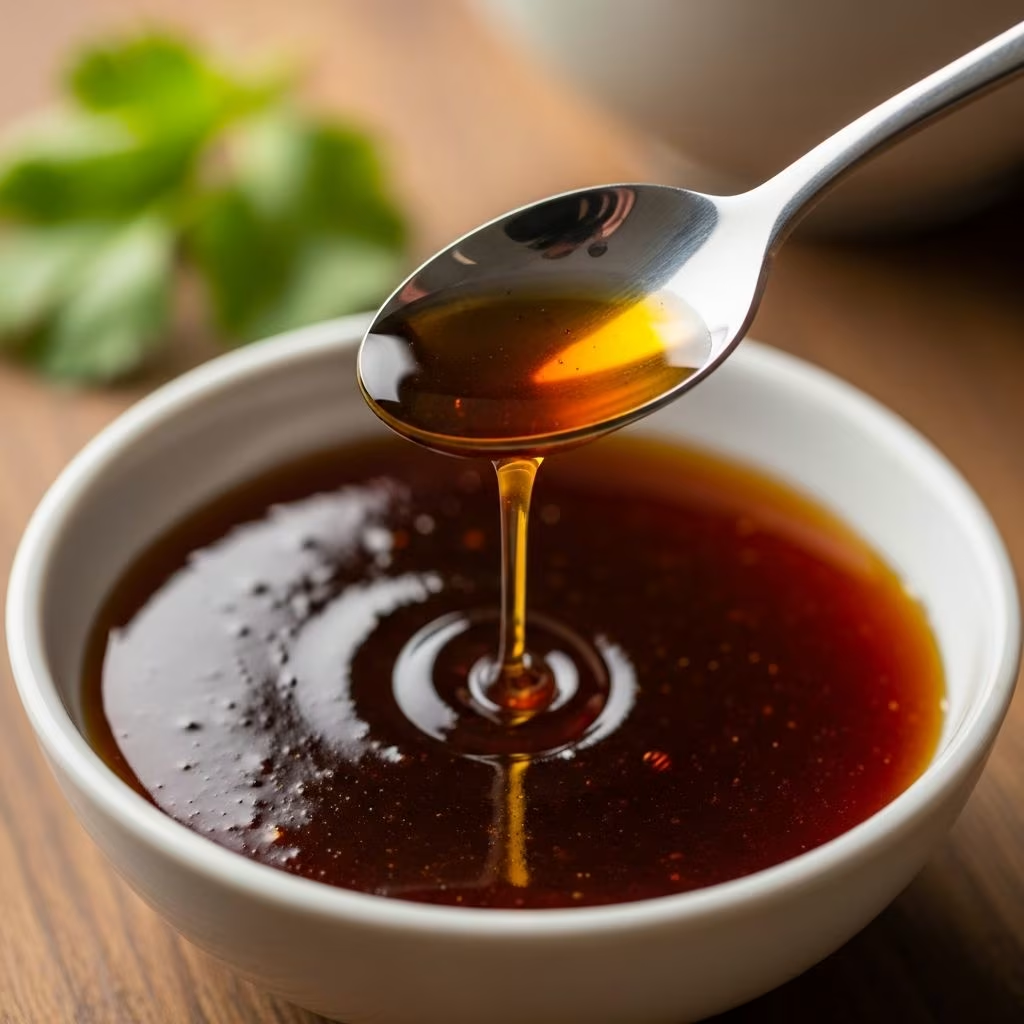
Professionally, unagi sauce is prized for its multifunctionality. It serves not only as a finishing drizzle but also as a marinade or basting liquid during cooking. Its honey-like consistency at room temperature ensures even coating without dripping excessively. For those new to Japanese condiments, understanding its composition unlocks endless culinary possibilities, from classic nigiri to innovative poke bowls.
Essential Ingredients for Authentic Flavor
Creating eel sauce begins with selecting high-quality components. The core trio—soy sauce, mirin, and sugar—forms the foundation, but subtle variations can customize the taste.
- Soy Sauce: Opt for low-sodium or traditional Japanese varieties like Kikkoman for umami depth without overpowering saltiness. Gluten-free options exist for dietary needs.
- Mirin: This sweet rice wine adds mild acidity and subtle sweetness. For alcohol-free versions, substitute rice vinegar with extra sugar.
- Sugar: Granulated white sugar dissolves cleanly, but brown sugar introduces molasses notes for a richer hue.
Optional enhancers include dashi for fishy undertones or sake for complexity, as seen in some traditional recipes. Cornstarch slurry thickens the mixture rapidly if a quicker reduction is needed.
| Ingredient | Role | Substitution |
|---|---|---|
| Soy Sauce (1/2 cup) | Salty, umami base | Tamari (gluten-free) |
| Mirin (1/2 cup) | Sweetness, gloss | Rice vinegar + sugar |
| Sugar (1/2 cup) | Caramelization, thickness | Honey or maple syrup |
| Cornstarch (1 tbsp, optional) | Thickener | Arrowroot powder |
Step-by-Step Guide to Perfect Eel Sauce
Preparing eel sauce demands precision to achieve the ideal syrupy texture. This foolproof method yields about 3/4 cup, enough for multiple uses.
- Combine Ingredients: In a small saucepan, whisk together 1/2 cup soy sauce, 1/2 cup mirin, and 1/2 cup sugar over medium heat until the sugar fully dissolves, about 2 minutes.
- Simmer and Reduce: Bring to a gentle boil, then lower heat to simmer. Reduce by one-third, approximately 10-15 minutes, stirring occasionally. Test readiness by dragging a spoon through the sauce; a clean trail indicates doneness.
- Thicken if Desired: For extra viscosity, mix 1 tablespoon cornstarch with 2 tablespoons water to form a slurry. Stir into the simmering sauce, boiling gently for 1-2 minutes until glossy.
- Cool and Store: Remove from heat, cool to room temperature. The sauce thickens further upon cooling. Transfer to a jar and refrigerate.
Patience during reduction prevents burning, ensuring a smooth, lump-free result. Total time: 20 minutes.
Storage and Shelf Life Tips
Freshly made eel sauce stores effortlessly, maintaining quality for weeks. In an airtight jar in the refrigerator, it lasts up to one month. For longer storage, freeze in ice cube trays for portioned use, thawing as needed. Always bring to room temperature before serving to restore its pourable consistency.
Signs of spoilage include mold or off odors—discard if present. Reheating gently on the stove revives its shine without altering flavor. Proper storage maximizes convenience for frequent use in meal prep.
Creative Ways to Use Eel Sauce
Beyond sushi, eel sauce shines in diverse applications, enhancing flavors across cuisines.
- Sushi and Sashimi: Drizzle over dragon rolls or unagi nigiri for authentic gloss.
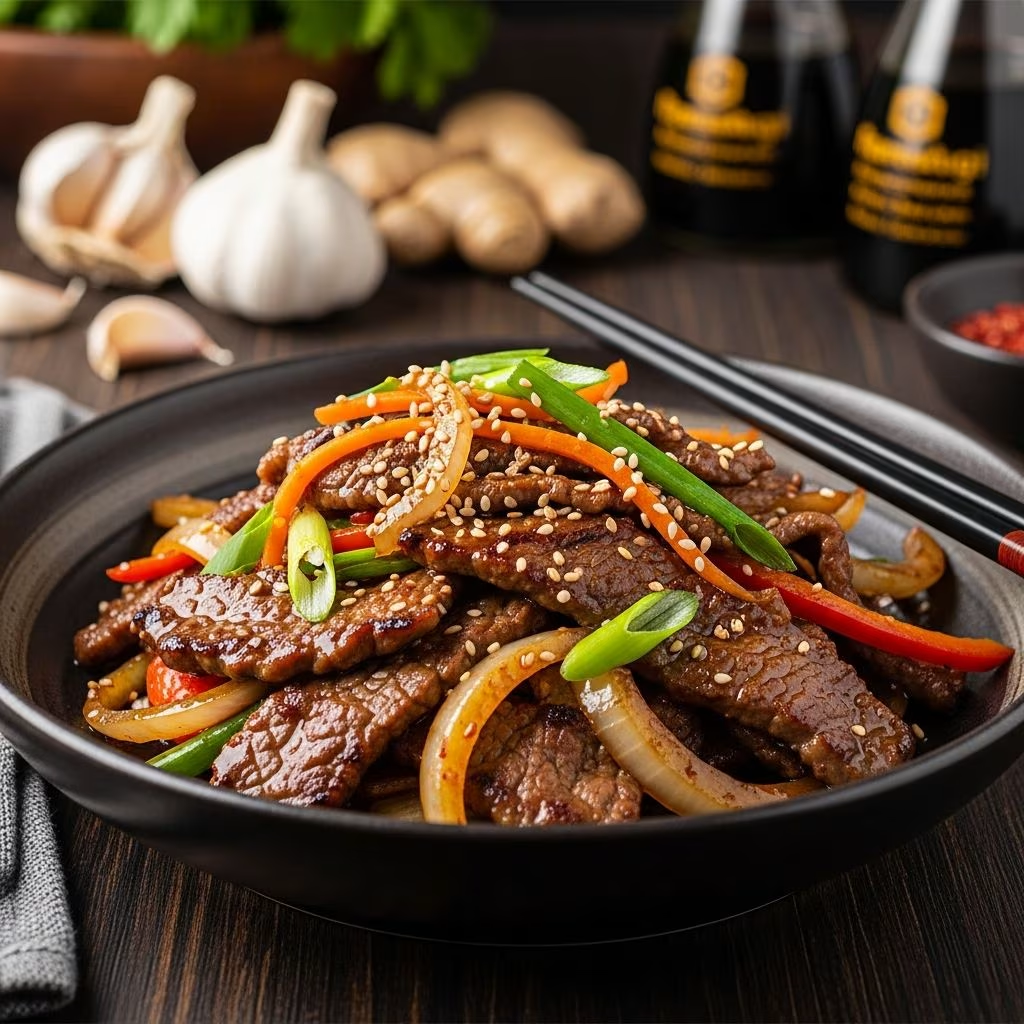
- Grilled Proteins: Brush on chicken, salmon, or tofu during the last minutes of cooking for teriyaki flair.
- Bowls and Rice: Mix into poke, bibimbap, or fried rice for umami boost.
- Vegetables and Appetizers: Glaze roasted veggies, dumplings, or spring rolls.
- Desserts and Fusion: Thin with water for ice cream drizzles or cocktail glazes.
Experiment with heat by adding chili flakes during simmering for spicy variants.
Customizing Your Eel Sauce: Variations and Twists
Adapt the base recipe for unique profiles. A garlic-ginger infusion—sauté minced aromatics before adding liquids—adds warmth. For low-sugar options, replace half the sugar with honey. Vegan adaptations use tamari and ensure mirin is alcohol-free.
Thicker versions suit dipping; thinner ones work for dressings. Scale up for batch cooking, adjusting simmer time proportionally.
Troubleshooting Common Issues
Encountering problems? Here’s how to fix them:
- Too Thin: Simmer longer or add slurry.
- Too Thick: Whisk in water incrementally.
- Grainy Texture: Ensure sugar dissolves fully before boiling.
- Burnt Bits: Use low heat and constant stirring.
These tips ensure consistent success every time.
Nutritional Profile and Dietary Considerations
A 1-tablespoon serving offers approximately 40 calories, mostly from sugar, with 1g protein and negligible fat. High sodium content (500mg) suits moderation. Gluten-free soy sauce accommodates celiacs; alcohol-free subs aid various diets.
Pairing Eel Sauce with Global Dishes
Extend its reach: glaze Korean BBQ, Mexican tacos, or American burgers. In stir-fries, it deglazes pans beautifully. Its versatility bridges cultures seamlessly.
Frequently Asked Questions
What is eel sauce made of?
Primarily soy sauce, mirin, and sugar, simmered to a glaze.
Is eel sauce actually made with eel?
No, the name derives from its traditional use on grilled eel; it’s vegan-friendly.
How long does homemade eel sauce last?
Up to one month refrigerated; freeze for three months.
Can I make eel sauce without mirin?
Yes, use rice vinegar plus extra sugar.
What’s the difference between eel sauce and teriyaki?
Eel sauce is sweeter and thicker, lacking ginger or garlic typical in teriyaki.
Conclusion: Elevate Your Cooking Today
Mastering eel sauce opens doors to professional-level home cooking. With minimal ingredients and effort, you’ll create a staple that impresses. Experiment, store wisely, and enjoy its transformative power on every plate.
References
- Unagi Sauce Recipe — Foodie With Family. 2023-05-15. https://www.foodiewithfamily.com/unagi-sauce-recipe/
- Eel Sauce Recipe {Unagi Sauce} — The Big Man’s World. 2024-02-10. https://thebigmansworld.com/eel-sauce/
- Homemade Eel Sauce Recipe — My Sauce Recipes. 2023-11-20. https://mysaucerecipes.com/homemade-eel-sauce-recipe/
- Eel Sauce — Secrets of Sushi. 2022-08-05. https://secretsofsushi.com/eel-sauce
- Eel Sauce (Unagi Sauce) — Cooking with Cocktail Rings. 2024-01-12. https://cookingwithcocktailrings.com/eel-sauce-unagi-sauce/