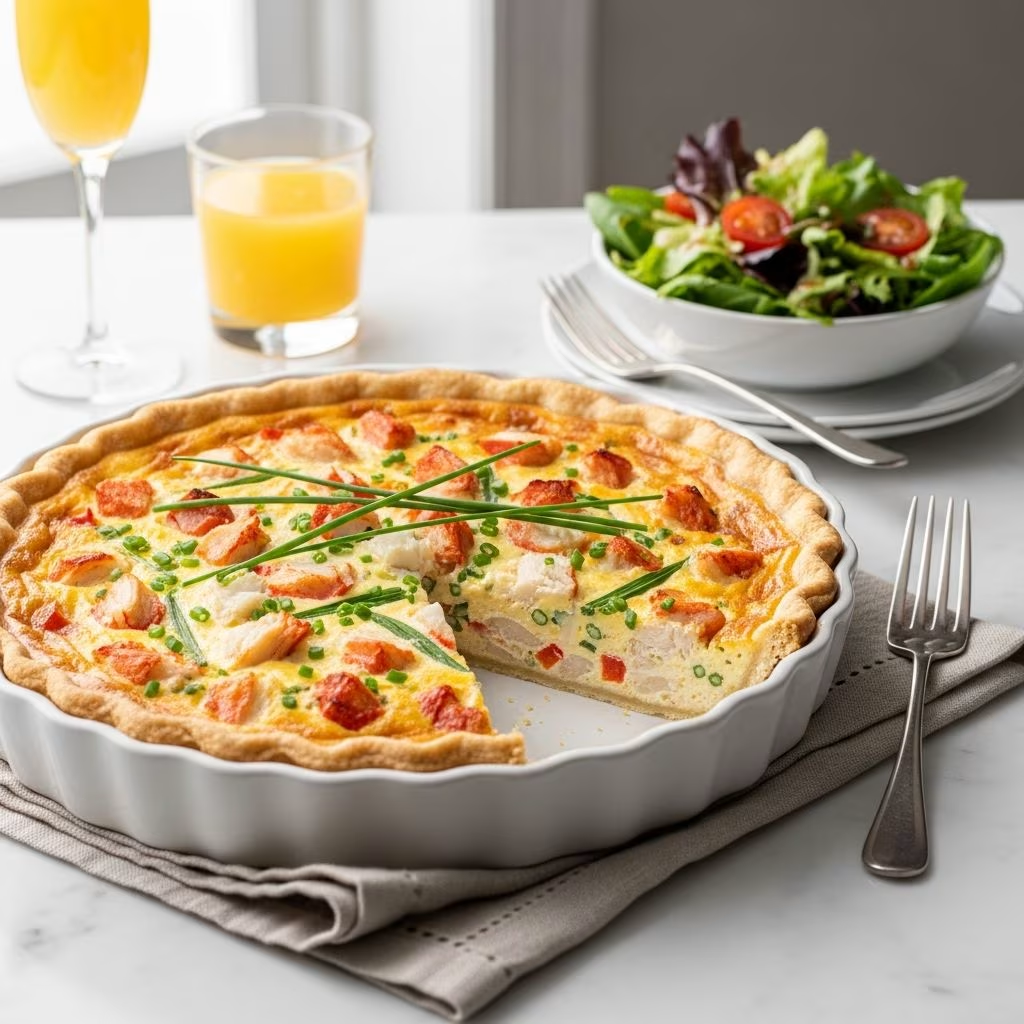
When it comes to impressive brunch dishes that combine simplicity with sophistication, few options rival a well-executed crab quiche. This elegant entrée brings together premium seafood, rich dairy components, and aromatic vegetables in a buttery pie crust, creating a dish that feels indulgent yet remains surprisingly straightforward to prepare. Whether you’re hosting a special gathering, celebrating a holiday, or simply elevating an ordinary weekend breakfast, a crab-filled quiche offers the perfect solution for a meal that looks complicated but comes together with minimal fuss.
Understanding the Foundation: What Makes Crab Quiche Special
A exceptional crab quiche distinguishes itself through the quality of its core components and their harmonious balance. Unlike traditional quiches where eggs and cheese take center stage, this seafood variation prioritizes the crab meat as the star ingredient, with other elements playing supporting roles. The custard base—a careful combination of eggs, heavy cream, and seasonings—serves primarily to bind and support the filling rather than dominate it. This approach creates a dish that delivers the delicate briny flavor of the ocean in every forkful.
The textural experience of crab quiche rivals that of elegant seafood bisques, offering silky smoothness combined with tender morsels of premium crab. The interplay between the flaky pie crust, creamy filling, and succulent seafood creates multiple layers of satisfaction that appeal to both adventurous eaters and those seeking classic comfort food.
Selecting and Preparing Quality Ingredients
The Crab Meat Selection
The foundation of any outstanding crab quiche rests entirely upon the quality of the crab meat used. Lump crab meat represents the premium choice, offering substantial pieces that maintain their integrity during mixing and baking. When shopping, prioritize fresh lump crab meat when available, as it delivers superior flavor and texture compared to alternatives. If fresh options aren’t accessible in your region, thawed frozen lump crab meat provides an acceptable substitute that still yields impressive results.
Preparation of the crab meat requires gentle handling and attention to detail. Begin by rinsing the crab meat under cool water, carefully picking through it to remove any shell fragments or cartilage that might have survived initial processing. This tedious but essential step prevents unpleasant textural surprises. After rinsing, gently squeeze the crab meat to remove excess moisture—this prevents the filling from becoming too wet during baking, which could compromise the quiche’s texture.
Vegetable Foundations
Fresh vegetables contribute both flavor and visual appeal to the finished dish. Asparagus offers an elegant choice that pairs beautifully with seafood, providing a slightly grassy undertone that complements crab’s briny notes. When preparing asparagus, select firm spears with tightly closed tips. Rinse them thoroughly, then trim the woody bottom portions—typically the lower inch or two. Cutting the spears into manageable one to two-inch pieces ensures even cooking and easy distribution throughout the custard.
Shallots add a sophisticated sweetness and depth that onions cannot replicate. Their more delicate flavor profile aligns perfectly with premium seafood. Peel and slice shallots thinly to encourage quick cooking and even distribution throughout the filling. Brief sautéing in olive oil mellows their sharp edges while allowing their natural sugars to caramelize slightly, creating a more nuanced flavor foundation.
Cheese Selection and Proportions
Gruyère cheese represents the traditional and superior choice for crab quiche, offering a nutty complexity that elevates the entire dish. This semi-firm cheese melts smoothly into the custard while maintaining enough structural integrity to create pockets of creamy richness. Some recipes suggest Swiss cheese as an alternative, which provides a milder flavor profile. For those seeking deeper complexity, some contemporary interpretations incorporate multiple cheese varieties—combining gruyère with sharp cheddar or mozzarella creates interesting flavor dimensions without overwhelming the delicate crab.
The quantity of cheese should reflect the desire to enhance rather than dominate. Approximately half a cup of grated cheese per quiche provides sufficient richness while allowing the crab to remain the primary flavor element.
Constructing the Perfect Custard Base
The egg custard represents the binding agent that transforms individual ingredients into a cohesive dish. This critical component requires careful attention to proportions and technique. A standard custard base combines whole eggs with heavy cream, creating a silky texture that sets gently during baking. For a nine-inch quiche, five large eggs combined with half a cup of heavy cream creates the ideal consistency.
Whisking these components together demands patience and thoroughness. Break the eggs into a medium bowl first, ensuring no shell fragments remain. Whisk them vigorously until the yolks and whites become completely incorporated and the mixture achieves a uniform pale yellow color. This initial whisking introduces tiny air bubbles that contribute to a lighter texture in the finished quiche. Gradually pour in the heavy cream while continuing to whisk, ensuring complete integration.
Seasoning the custard base requires a discerning hand. Beyond salt and pepper, consider incorporating Dijon mustard—just two teaspoons—which adds subtle sharpness and depth without creating any detectable mustard flavor. Fresh herbs like chopped chives brighten the custard and provide aromatic freshness that complements seafood beautifully. Reserve a portion of the fresh herbs for garnish to maximize their vibrant appearance in the finished dish.
Preparation Techniques and Assembly Process
The Crust Foundation
Starting with a refrigerated pie crust eliminates the need for time-consuming dough preparation while delivering professional results. Remove the crust from refrigeration shortly before use, allowing it to warm slightly for easier handling. Press it gently into a nine-inch pie pan, ensuring even distribution and complete coverage of the bottom and sides. The crust requires partial pre-baking before adding the filling, a technique called blind baking that prevents soggy bottoms. Prick the crust several times with a fork to allow steam to escape, then bake at approximately four hundred degrees Fahrenheit for roughly eight to ten minutes until it becomes lightly set but not fully cooked.
Building the Filling Layers
After the crust has cooled slightly, begin constructing the filling. Heat olive oil in a skillet over medium heat, then add the prepared shallots and asparagus. Sauté these vegetables for approximately five to seven minutes until they soften slightly and develop light caramelization around their edges. This cooking step not only removes excess moisture but also matures the vegetables’ flavors, creating deeper, more complex notes than raw vegetables would provide.
Once the vegetables have cooled enough to handle comfortably, add the prepared crab meat and most of the shredded cheese, reserving two tablespoons for garnish. Gently fold these ingredients together, maintaining the integrity of the crab meat pieces rather than breaking them into tiny fragments. This careful approach preserves the premium texture that distinguishes lump crab from lesser alternatives.
Spread this mixture evenly across the pre-baked crust, ensuring balanced distribution of crab pieces throughout. Pour the prepared custard mixture carefully over the filling, allowing it to settle between and around the other ingredients. Top with the reserved shredded cheese, which will melt into golden pockets during baking and create an attractive finished appearance.
Baking Guidelines for Optimal Results
Position the oven rack in the lower-middle position before baking, as this placement ensures the crust bottom receives adequate heat to finish cooking while the custard bakes through properly. Bake at approximately three hundred seventy-five to four hundred degrees Fahrenheit for twenty-three to twenty-eight minutes. The exact timing varies depending on your oven’s characteristics and the exact thickness of your filling.
The quiche achieves doneness when the custard sets but retains slight jiggle in the very center—this indicates carry-over cooking will continue as it cools, resulting in perfect texture rather than rubbery eggs. The edges will turn golden brown, and a knife inserted slightly off-center should come out clean or with just a tiny amount of custard clinging to it.
Allow the quiche to cool for at least fifteen minutes before slicing—this resting period allows the structure to firm up sufficiently to produce clean slices. The finished quiche can be served warm, at room temperature, or even chilled, making it exceptionally versatile for entertaining.
Flavor Combinations and Variation Options
Classic Herb Pairings
Fresh chives represent the quintessential herb choice for crab dishes, their delicate onion flavor complementing rather than overpowering the seafood. Parsley adds herbaceous freshness and visual appeal, particularly when used as a fresh garnish rather than cooked into the custard. Some regional traditions incorporate cilantro, which adds brightness and slight citrus notes that create an interesting counterpoint to the richness of cream and cheese.
Seasoning Considerations
Old Bay seasoning, the classic Maryland seafood spice blend, deserves consideration as an authentic flavoring option. A quarter teaspoon of this distinctive blend adds characteristic notes of celery, paprika, and warm spices that immediately evoke coastal seafood traditions. For those seeking more subtle seasoning, a small pinch of nutmeg adds warmth without creating detectable spice flavors.
Vegetable Alternatives
While asparagus and shallots create an elegant foundation, other vegetable combinations offer interesting alternatives. Sautéed bell peppers in combination with green onions provide sweeter, more colorful options. Fresh spinach, when sautéed until dry and incorporated into the filling, adds earthiness and visual drama. Some regional variations incorporate sliced mushrooms or caramelized onions for deeper umami complexity.
Serving Suggestions and Menu Integration
Crab quiche occupies a unique position in meal planning, appropriate for breakfast, brunch, lunch, or even light dinner service. Pair it with a crisp green salad dressed in vinaigrette to balance the richness. Fresh fruit—particularly citrus segments or berries—cleanses the palate between bites. A chilled white wine, such as Sauvignon Blanc or Pinot Grigio, complements both the seafood and creamy custard elements perfectly.
For entertaining, slice the quiche into wedges and present it on a platter garnished with fresh herbs, creating an attractive centerpiece for a buffet-style brunch service. Individual portions can be plated earlier, then reheated gently to ensure warm service without overcooking.
Storage and Make-Ahead Strategies
Crab quiche stores beautifully in the refrigerator for three to four days, covered loosely with plastic wrap or aluminum foil. Reheat individual slices gently in a three hundred twenty-five degree oven for approximately ten minutes until warmed through. The quiche also freezes successfully for up to two months—wrap it carefully in plastic wrap and aluminum foil, clearly marking the date. Thaw overnight in the refrigerator before reheating.
For make-ahead preparation, assemble the quiche in its pie pan several hours before baking, cover it with plastic wrap, and refrigerate until ready to bake. This advance preparation streamlines your timeline on the day of entertaining and often produces improved flavor as ingredients meld together.
Common Questions About Crab Quiche Preparation
FAQ
Can I substitute imitation crab meat for fresh lump crab?
While technically possible, imitation crab produces a noticeably different texture and flavor profile. Its processed texture becomes even more homogeneous during baking, and its seasoning can overwhelm the delicate custard. For optimal results, invest in genuine lump crab meat.
What causes a watery, undercooked custard?
Insufficient baking time represents the primary culprit. Follow recommended baking times carefully, and rely on visual cues—a slightly jiggly center indicates proper doneness, while a wave of liquid indicates underbaking. Variations in oven performance mean baking times can vary by several minutes.
How can I prevent cracks on the quiche surface?
Overbaking causes the visible cracks and curdled appearance. Remove the quiche from the oven when the center still shows slight jiggle. Additionally, placing the baking dish in a water bath moderates temperature and promotes gentler, more even cooking, though this step remains optional for home preparation.
Can this recipe be prepared in individual tartlet pans?
Absolutely. Individual tartlets reduce baking time to approximately fifteen to eighteen minutes and create elegant individual presentations. Ensure all pieces receive consistent oven placement for even cooking.
Conclusion: Creating a Memorable Culinary Experience
A well-prepared crab quiche transcends ordinary brunch fare, delivering a sophisticated dining experience that impresses both family and guests. The straightforward preparation process belies the elegant results, making this dish accessible to cooks of varying skill levels while remaining impressive enough for special occasions. By focusing on ingredient quality, careful preparation techniques, and precise baking, you’ll create a memorable seafood centerpiece that celebrates the delicate flavors of premium crab meat balanced with creamy custard and supporting vegetable elements.
References
- Easy Crab Quiche with Gruyère Cheese — Vanilla Bean Cuisine. 2024. https://www.vanillabeancuisine.com/crab-quiche/
- Crab Quiche — Seasons and Suppers. 2024. https://www.seasonsandsuppers.ca/crab-quiche/
- Easy Crab Quiche — The Blond Cook. 2024. https://theblondcook.com/easy-crab-quiche/
- Crab Quiche Recipe (More Crab Than Quiche!) — Nik Snacks. 2020. https://www.niksnacksonline.com/2020/11/crab-quiche.html
- Easy Crab Quiche — Food Faith Fitness. 2024. https://www.foodfaithfitness.com/easy-crab-quiche/